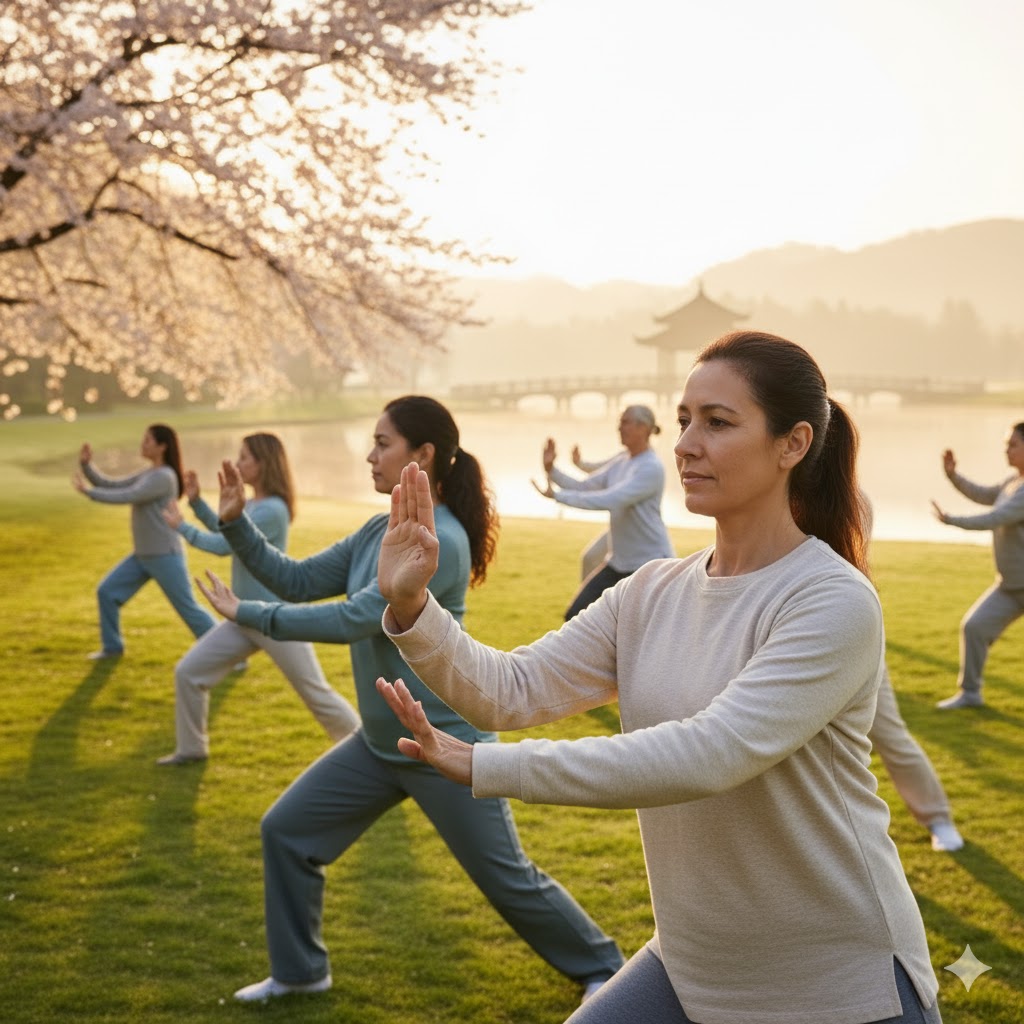
Beginner’s Guide to Qigong Meditation

Awaken Your Inner Energy Flow Through Stillness and Breath

Introduction: The Art of Gentle Energy Cultivation

Qigong Meditation (氣功冥想)

Meaning:

  • “Qi” (氣) = life energy or vital breath
  • “Gong” (功) = skill, cultivation, or mastery
    So Qigong means “the skill of working with life energy.”

Purpose:
Qigong meditation focuses on balancing, gathering, and circulating Qi within the body to promote healing, longevity, and spiritual awareness.
It combines slow, flowing movements, breathing techniques, and visualizations to open the body’s meridians (energy pathways).

Qigong meditation (pronounced chee-gong) is an ancient Chinese practice that harmonizes mind, body, and energy. Often described as “moving meditation,” Qigong blends slow rhythmic movement, conscious breathing, and mindful awareness to restore balance and vitality from within.

While yoga focuses on prana — the life force that flows through every living being — Qigong focuses on qi (or chi), the same vital energy that animates the body and the universe. Both systems share a common goal: to awaken a deeper connection between the physical and spiritual self.


 The Roots of Qigong

The origins of Qigong reach back over 4,000 years to ancient China, where healers, monks, and martial artists developed it as a form of energy medicine and spiritual cultivation.

Early Daoist practitioners used Qigong to balance yin and yang — the natural opposites within the body. Over centuries, it evolved into multiple styles: medical Qigong for healing, martial Qigong for strength, and spiritual Qigong for enlightenment.

Today, Qigong is practiced worldwide and has been recognized by wellness experts and medical research institutions for its calming, restorative effects on the nervous system, mood, and overall vitality.
(Sources: Cleveland Clinic, Healthline, Taoist Sanctuary, YMAA Institute)


 The Purpose of Qigong Meditation

At its heart, Qigong meditation teaches us to return to the natural flow of energy within.

It encourages:

  • Relaxation of the body – releasing physical tension and blockages
  • Calmness of the mind – softening mental noise through gentle focus
  • Awareness of breath – connecting inner and outer rhythm
  • Cultivation of qi – restoring life force to all organs and cells

Practicing Qigong is like recharging your internal battery — you learn to gather energy, circulate it, and store it for healing and resilience.


 Benefits for Mind, Body & Spirit

Scientific and traditional teachings both highlight a wide range of benefits from Qigong meditation:

MindBodySpirit
Reduces anxiety and stressImproves balance and postureDeepens inner awareness
Enhances focus and clarityLowers blood pressureAwakens energetic sensitivity
Supports emotional stabilityBoosts immune functionCultivates peace and gratitude
Improves sleep qualityIncreases flexibilityConnects you with nature’s rhythm

Modern research (National Library of Medicine, Brown University 2023) confirms that regular Qigong practice improves emotional regulation, fatigue, and quality of life.


 Simple Beginner Practice: 5-Minute Qigong Meditation

Step 1: Ground Yourself
Stand with feet shoulder-width apart.
Keep your spine tall and knees slightly bent.
Relax your shoulders and jaw.

Step 2: Breathe Naturally
Close your eyes gently.
Take slow breaths — in through your nose, out through your mouth.
Feel your belly rise and fall with each breath.

Step 3: Gather Energy
Imagine a soft golden light above your head.
With each inhale, let it flow down through your body — head, shoulders, heart, belly, and legs — into the earth.

Step 4: Circulate and Calm
Now imagine this light returning upward with your exhale, completing a gentle loop through your body.
Smile softly and feel the warmth of inner balance.

Step 5: Close the Practice
Bring your hands together over your lower abdomen (the Dantian).
Take three slow breaths, silently thanking your body for its energy.
End with a gentle bow or smile.

 Practice daily for 5–10 minutes to feel a noticeable calm in your body and clarity in your mind.


 How Qigong Complements Yoga Practice

For the Yoga947 community, Qigong meditation beautifully complements yoga by:

  • Offering gentle movement on days when physical asanas feel intense
  • Enhancing energy awareness during breathwork and meditation
  • Supporting emotional grounding through still standing or seated postures
  • Providing a holistic balance between action (yang) and rest (yin)

Together, Yoga and Qigong create a complete cycle — one that nurtures vitality, peace, and presence.

Qigong Meditation – Frequently Asked Questions (FAQ)

By Yoga947

1. What is Qigong?

Qigong (pronounced “chee-gong”) is an ancient Chinese healing and movement practice that combines gentle physical postures, breathing techniques, and focused intention to cultivate Qi (life force energy). It’s designed to harmonize the body, mind, and spirit through mindful movement.


2. How does Qigong differ from Tai Chi?

Both Qigong and Tai Chi share similar roots in Chinese philosophy and energy medicine. Qigong focuses more on internal energy cultivation and can include standing, sitting, or moving meditations. Tai Chi, on the other hand, is a structured martial art form involving a set sequence of slow, graceful movements. Think of Qigong as the foundation from which Tai Chi evolved.


3. What are the main benefits of practicing Qigong?

Regular Qigong practice can help:

  • Reduce stress and anxiety
  • Boost immune function and circulation
  • Improve flexibility, balance, and coordination
  • Enhance focus and emotional stability
  • Support spiritual awareness and inner peace

Many practitioners describe it as a gentle yet powerful self-healing art.


4. Is Qigong suitable for beginners?

Absolutely! Qigong is accessible to all ages and fitness levels. Movements can be modified or performed seated, making it ideal for beginners or those recovering from illness or fatigue. You don’t need any special equipment — just a calm space and comfortable clothing.


5. How often should I practice Qigong?

Even 5–10 minutes daily can bring noticeable calm and balance. Over time, consistent practice helps you tune into your body’s natural rhythms and improve your overall energy flow.


6. Can Qigong help with emotional healing?

Yes. Qigong encourages a mind-body connection that allows stored emotions to gently release through breath and movement. Many practitioners use Qigong to cultivate emotional resilience, forgiveness, and self-compassion.


7. Is Qigong a spiritual practice?

Qigong can be purely physical, meditative, or deeply spiritual — depending on your intention. Traditionally, it integrates Taoist and Buddhist philosophies, focusing on unity with nature, mindfulness, and the cultivation of inner stillness.


8. Do I need a teacher to learn Qigong?

While self-practice videos and online guides are helpful, learning from a qualified Qigong instructor — even for a few sessions — can ensure correct posture, breathing, and energy awareness. Yoga947 also offers guided meditation resources to help you begin safely at home.


9. How soon will I feel results from Qigong?

Some people notice an immediate sense of calm and clarity after one session. With regular practice, deeper benefits such as increased vitality, better sleep, and improved focus develop gradually over weeks or months.


10. How can I start a Qigong meditation routine with Yoga947?

Visit Yoga947.com to explore our guided Qigong Meditation steps, complete with beginner-friendly scripts, soothing audios, and printable wellness tools to support your energy journey. 

Coming Soon!


 Final Reflection: Flow Where Energy Meets Awareness

Qigong meditation reminds us that healing begins within.
Each mindful breath restores harmony between the body and the natural world — a reminder that stillness is strength, and movement is meditation.

Whether you stand beneath the sky or sit in silent breath, your qi flows through all that you are.
Start today — just five minutes of Qigong can awaken a lifetime of inner calm.


References & Suggested Reading

  • Cleveland Clinic. What Are the Health Benefits of Qigong? (2023)
  • Peter Deadman. A Brief History of Qigong (2021)
  • Brown University Research. Qigong and Fatigue Reduction in Cancer Survivors (2023)
  • YMAA Publications. The Root of Chinese Qigong by Dr. Yang, Jwing-Ming
  • Taoist Sanctuary of San Diego. History of Qigong

National Center for Complementary and Integrative Health (NCCIH): Qigong Overview

“Igniting Inner Fire: Exploring the Depths of Hot Yoga”

Bikram Yoga, commonly referred to as Hot Yoga, is a distinctive form of yoga that has gained significant popularity worldwide for its unique approach and numerous health benefits. Developed by Bikram Choudhury in the 1970s, this practice follows a specific sequence of 26 postures (asanas) and two breathing exercises, all performed in a room heated to around 105 degrees Fahrenheit (40 degrees Celsius) with a humidity of 40%. The intense heat and humidity are believed to mimic the climate of India, where yoga originated, and facilitate deeper stretching, detoxification, and increased flexibility.

Originating from the traditional Hatha Yoga, Bikram Yoga is designed to work every part of the body, including muscles, ligaments, and internal organs, through a series of systematic movements. Each posture is carefully selected to target different areas of the body, providing a comprehensive full-body workout. Moreover, the heated environment promotes sweating, which is thought to aid in the elimination of toxins from the body and enhance the cleansing process.

The sequence of postures in Bikram Yoga is intended to be practiced in a specific order to maximize the benefits and ensure a safe and effective practice. The 90-minute session begins with breathing exercises to center the mind and prepare the body for the ensuing physical exertion. The series then progresses through standing postures, which focus on building strength, balance, and flexibility in the legs and core muscles. Following the standing series, practitioners move into a series of floor postures, targeting the spine, hips, and other areas that tend to hold tension and stress.

One of the defining features of Bikram Yoga is the emphasis on alignment and proper form. Practitioners are encouraged to pay close attention to their alignment and technique, ensuring that they perform each posture correctly to avoid injury and achieve maximum benefits. The heated environment not only increases flexibility but also allows muscles to warm up more quickly, reducing the risk of strains or injuries.

Beyond the physical benefits, Bikram Yoga is also known to have profound effects on mental well-being. The challenging nature of the practice, combined with the meditative aspect of focused breathing, can help alleviate stress, anxiety, and depression. Many practitioners report feeling a sense of mental clarity, relaxation, and rejuvenation after a session of Bikram Yoga.

Despite its popularity, Bikram Yoga has also been surrounded by controversy due to allegations of misconduct against its founder, Bikram Choudhury. However, many practitioners and instructors have distanced themselves from Choudhury and continue to teach and practice Bikram Yoga under different names or without association with its founder.

What are the benefits of Bikram Yoga for Men and Women?

Yoga947Channel An insight to a variation of yoga practices:

Bikram Yoga offers a multitude of benefits for both men and women, encompassing physical, mental, and emotional aspects. Here are some of the key advantages:

Physical Benefits: Bikram Yoga

  • 1)Increased Flexibility: The combination of heat and specific postures in Bikram Yoga facilitates deeper stretching, helping to improve flexibility in muscles, ligaments, and joints.
  • 2)Enhanced Strength: The series of postures in Bikram Yoga target various muscle groups, promoting strength and toning throughout the body, particularly in the core, arms, legs, and back.
  • 3)Improved Balance and Coordination: Practicing balancing postures in the heated environment challenges stability and coordination, leading to better balance and body awareness over time.
  • 4)Cardiovascular Health: The dynamic nature of Bikram Yoga, coupled with the heat, can provide a cardiovascular workout, helping to improve heart health and circulation.
  • 5)Detoxification: Sweating profusely during Bikram Yoga aids in the removal of toxins from the body, promoting detoxification and purification of the skin and organs.

Mental and Emotional Benefits: Bikram Yoga

  • 1)Stress Reduction: The meditative aspect of Bikram Yoga, combined with focused breathing, promotes relaxation and reduces stress levels, helping practitioners to unwind and find mental clarity.
  • 2)Increased Energy and Vitality: Regular practice of Bikram Yoga can boost energy levels and vitality, leaving practitioners feeling more invigorated and rejuvenated.
  • 3)Improved Concentration and Focus: The concentration required to maintain proper alignment and perform postures in the heated room enhances mental focus and concentration, both on and off the mat.
  • 4)Emotional Balance: Bikram Yoga can help regulate emotions and promote emotional well-being by releasing tension and promoting a sense of calm and equilibrium.
  • 5)Enhanced Self-Awareness: Through the process of self-reflection and mindful movement, practitioners develop a greater understanding of their bodies, minds, and emotions, fostering a deeper connection with oneself.

Gender-Specific Benefits:

Yoga947 accessories When participating in any form of yoga:

While many of the benefits of Bikram Yoga apply equally to men and women, there may be some gender-specific advantages as well:

  • 1)Men: Bikram Yoga can help men improve flexibility and mobility, which may be particularly beneficial for those engaged in sports or physically demanding activities. It also provides an opportunity for men to cultivate mindfulness and stress management skills, which can be valuable in both personal and professional life.
  • 2)Women: Bikram Yoga can support women’s reproductive health by promoting circulation to the pelvic area and reducing tension in the muscles surrounding the reproductive organs. Additionally, the detoxifying effects of Bikram Yoga may benefit women’s skin health and hormonal balance.

Overall, Bikram Yoga offers a comprehensive approach to health and well-being that can be tailored to the individual needs and goals of both men and women. Whether seeking physical fitness, stress relief, or a deeper connection with oneself, practitioners of all genders can find value in this challenging and rewarding practice.

While there is anecdotal evidence and testimonials supporting the benefits of Bikram Yoga, there is limited scientific research in the form of case studies specifically focused on this practice. However, several studies have examined the effects of hot yoga (including Bikram Yoga) on various aspects of health and well-being. 

Here are a few examples: Benefits of Bikram yoga:

  • 1)Cardiovascular Health:
    • A study published in the Journal of Science and Medicine in Sport in 2015 investigated the effects of Bikram Yoga on arterial stiffness and endothelial function in healthy young adults. The results suggested that regular practice of Bikram Yoga may lead to improvements in vascular health, potentially reducing the risk of cardiovascular disease.
  • 2)Flexibility and Range of Motion:
    • Research published in the International Journal of Yoga Therapy in 2013 examined the effects of a 16-week Bikram Yoga program on flexibility and balance in older adults. The study found significant improvements in flexibility and balance, indicating that Bikram Yoga can be beneficial for enhancing mobility and reducing the risk of falls in older populations.
  • 3)Psychological Well-Being:
    • A study published in the Journal of Bodywork and Movement Therapies in 2017 investigated the effects of hot yoga on psychological well-being in adults. The findings suggested that regular practice of hot yoga, including Bikram Yoga, was associated with improvements in mood, stress levels, and overall quality of life.
  • 4)Pain Management:
    • Research published in the Journal of Alternative and Complementary Medicine in 2016 explored the effects of Bikram Yoga on chronic low back pain. The study found that Bikram Yoga was effective in reducing pain and improving functional disability in individuals with chronic low back pain, highlighting its potential as a complementary therapy for pain management.

While these studies provide some insight into the potential benefits of Bikram Yoga, more research, including case studies, is needed to further understand its effects on various health outcomes and populations. Additionally, individual experiences with Bikram Yoga may vary, and further investigation is warranted to fully elucidate its mechanisms of action and therapeutic potential.

There are several reliable sources where you can find additional information regarding Bikram Yoga:

  • 1)Official Bikram Yoga Websites: Visit the official websites associated with Bikram Yoga for detailed information about the practice, its history, benefits, and guidelines. These websites often provide resources such as class schedules, instructor directories, and FAQs. Note that the official Bikram Yoga website might have undergone changes since the last update, so be sure to verify its authenticity.
  • 2)Books and Literature: Explore books written by Bikram Choudhury himself or by reputable authors who have expertise in Bikram Yoga. These books often delve into the philosophy, postures, and therapeutic aspects of Bikram Yoga. Some recommended titles include “Bikram’s Beginning Yoga Class” by Bikram Choudhury and “Bikram Yoga: The Guru Behind Hot Yoga Shows the Way to Radiant Health and Personal Fulfillment” by Bikram Choudhury and Bonnie Jones Reynolds.
  • 3)Online Forums and Communities: Join online forums and communities dedicated to yoga, where practitioners often discuss their experiences with Bikram Yoga, share tips, and ask questions. Websites like Reddit, Yoga Journal, and Yoga Forums can be valuable resources for connecting with fellow practitioners and gaining insights into the practice.
  • Yoga Studios and Teachers: Reach out to local yoga studios or teachers who 4)offer Bikram Yoga classes. They can provide firsthand information about the practice, class schedules, pricing, and any specific requirements for participation. Attending classes and workshops led by experienced instructors can also deepen your understanding of Bikram Yoga and enhance your practice.
  • 5)Scientific Research: Explore academic journals and research databases for studies related to Bikram Yoga. While scientific research on Bikram Yoga may be limited compared to other forms of yoga, there are still studies examining its effects on various health outcomes. PubMed, Google Scholar, and university libraries are good places to start your search.
  • 6)Documentaries and Films: Watch documentaries or films that explore Bikram Yoga and its impact on practitioners and the yoga community. Documentaries like “Bikram: Yogi, Guru, Predator” and “Yoga, Inc.” provide insights into the history, controversies, and cultural significance of Bikram Yoga.

By utilizing these resources, you can gain a comprehensive understanding of Bikram Yoga, its benefits, and its place within the broader context of yoga and wellness practices. Remember to critically evaluate information from different sources and consult with qualified instructors or healthcare professionals if you have specific questions or concerns about starting a Bikram Yoga practice.

In conclusion, Bikram Yoga, or Hot Yoga, offers a unique and intense practice that provides numerous physical and mental benefits. By combining the heat, specific sequence of postures, and focused breathing exercises, practitioners can experience increased flexibility, strength, and overall well-being. While controversies may surround its origin, the practice itself remains a powerful tool for those seeking to improve their health and enhance their yoga practice.

From Gym to Zen: How Yoga Complements Men’s Fitness Routines

Introduction:

In a world where high-intensity workouts and muscle gains often dominate the fitness scene, there’s a subtle yet powerful force making its mark – yoga. Often associated with tranquility and flexibility, yoga is breaking stereotypes and finding its place in the routines of men who are looking to enhance not only their physical strength but also their overall well-being. Today, we explore the symbiotic relationship between traditional gym workouts and the zen-like embrace of yoga.

Section 1: Beyond Reps and Sets – The Holistic Approach

Traditional gym workouts often focus on building muscle mass, strength, and endurance through rigorous sets and repetitions. While this approach is undoubtedly effective, it can sometimes neglect the holistic well-being of the individual. Enter yoga, a practice that complements these goals by offering a holistic approach to fitness. Yoga not only builds strength but also enhances flexibility, balance, and mental focus – elements that can often be overlooked in a typical gym routine.

Section 2: Flexibility as the Secret Weapon

In the pursuit of strength, the importance of flexibility is sometimes underestimated. Yoga brings a new dimension to fitness by incorporating poses that target and improve flexibility. Men who integrate yoga into their routine often find that increased flexibility not only aids in preventing injuries during their regular workouts but also enhances overall athletic performance. From the warrior poses to the gentle stretches, yoga opens up new possibilities for a more agile and resilient physique.

Section 3: Mind-Body Harmony – Redefining Strength

One of the most significant contributions yoga makes to men’s fitness routines is its emphasis on mind-body connection. Gym workouts often focus on the physical aspects of strength, but yoga adds a layer of mental resilience. The practice of mindful breathing, meditation, and being present in each movement not only reduces stress but also helps men approach their fitness goals with a calm and focused mindset. This mental fortitude can be the key to pushing through challenges and breaking personal records.

Section 4: Recovery and Injury Prevention

Intense gym sessions can take a toll on the body, leading to sore muscles and the risk of injuries. Yoga provides a perfect counterbalance by offering gentle stretches and poses that promote recovery and prevent injuries. The controlled movements in yoga can aid in better joint health, flexibility, and an overall sense of well-being. Men who incorporate yoga into their routine often report faster recovery times and a reduced likelihood of workout-related injuries.

Yoga and traditional fitness activities can complement each other synergistically, offering a holistic approach to physical well-being. While traditional fitness activities like weight training, cardio exercises, and sports focus on strength, endurance, and agility, yoga brings a unique set of benefits that enhance overall athletic performance, prevent injuries, and contribute to a well-rounded approach to physical fitness, especially for men.

Yoga947

Improved Flexibility:

  • Yoga emphasizes stretching and flexibility, helping to increase the range of motion in joints and muscles. This enhanced flexibility can translate to improved performance in traditional fitness activities, allowing for a fuller range of motion in exercises and reducing the risk of muscle strains.

Enhanced Strength and Stability:

  • Yoga involves holding various poses that require strength and stability. These isometric contractions target and engage different muscle groups, contributing to overall strength development. Improved stability can lead to better balance and coordination, essential for activities that involve dynamic movements.

Balanced Muscle Development:

  • Traditional fitness routines often focus on specific muscle groups, leading to muscular imbalances. Yoga, on the other hand, promotes balanced muscle development as many poses engage multiple muscle groups simultaneously. This helps prevent overuse injuries and contributes to a more symmetrically toned physique.

Mind-Body Connection:

  • Yoga places a strong emphasis on the mind-body connection through breath control and mindfulness. This mental focus can enhance concentration and awareness during traditional fitness activities. Improved mental resilience can contribute to better performance and quicker recovery from intense workouts.

Injury Prevention:

  • Yoga helps improve body awareness and alignment, reducing the risk of injuries during other physical activities. The emphasis on controlled movements and proper form in yoga can carry over to traditional exercises, ensuring a safer workout experience.

Increased Recovery:

  • The relaxation and meditation aspects of yoga can aid in recovery by reducing stress and promoting better sleep. This is crucial for athletes as adequate rest and recovery are essential for optimal performance and injury prevention.

Improved Breathing Efficiency:

  • Yogic breathing techniques (pranayama) enhance lung capacity and respiratory efficiency. This can benefit cardiovascular fitness, endurance, and overall stamina during traditional fitness activities.

Joint Health:

  • Yoga includes gentle movements that promote joint health and flexibility. This is particularly beneficial for athletes engaged in high-impact or repetitive motion activities, as it can help prevent joint stiffness and reduce the risk of chronic conditions like arthritis.

Overall Well-Being:

  • Yoga goes beyond physical fitness, addressing mental and emotional well-being. The reduction of stress through yoga practices can positively impact hormone balance, immune function, and recovery, contributing to a healthier and more resilient body.

Yoga Accessories

Here are testimonials from Men and Women who have experienced the benefits of combining gym workouts with Yoga routine.

Keep in mind that individual experiences may vary, and it’s always a good idea to consult with a healthcare professional or fitness expert before making significant changes to your exercise routine.

Testimonial 1: Mary’s Journey to Balance

I used to focus solely on weightlifting at the gym, pushing my limits without paying much attention to flexibility and mindfulness. When a friend suggested incorporating yoga into my routine, I was skeptical at first. However, after a few weeks of consistent practice, I noticed a significant improvement in my overall well-being. Yoga helped me balance out the intensity of my workouts, reduced muscle soreness, and enhanced my flexibility. Now, I feel stronger, more centered, and better equipped to handle the challenges of my busy life.”

Testimonial 2: John’s Fitness Transformation

“As a fitness enthusiast, I was always chasing the next challenge in the gym. While I loved the strength gains, I started experiencing stiffness and tightness. Introducing yoga into my routine was a game-changer. The combination of weightlifting and yoga not only improved my physical performance but also alleviated nagging aches and pains. The mindfulness aspect of yoga has made me more aware of my body, helping me prevent injuries and fostering a sense of inner peace.”

Testimonial 3: Sarah’s Stress Relief Journey

“Working a demanding job and hitting the gym regularly took a toll on my stress levels. I decided to give yoga a try, hoping to find some relief. Incorporating yoga into my weekly routine turned out to be a game-changer. The deep breathing and relaxation techniques helped me manage stress, and the physical benefits were a bonus. I now look forward to my yoga sessions as a time to unwind, distress, and reconnect with my body. It has become an essential part of my self-care routine.”

These testimonials highlight the potential benefits of combining gym workouts with a yoga routine, including improved balance, enhanced flexibility, reduced muscle soreness, injury prevention, and stress relief. It’s essential to listen to your body and tailor your fitness routine to meet your individual needs and goals.

How do I incorporate Yoga into a regular Gym Workout Schedule, such as setting aside specific days or dedicating certain parts of the workout to yoga practice?

Incorporating yoga into your regular gym workout schedule can be a great way to balance strength training with flexibility and mindfulness. Here’s a guide on how to integrate yoga into your routine:

Option 1: Dedicated Yoga Days

1. Designate specific days: Choose specific days of the week dedicated to yoga. For example, you could do yoga on your rest or active recovery days. This helps create a routine and ensures you allocate time specifically for yoga.

2. Balance intensity: If you have intense gym workouts on certain days, schedule yoga on the day after to aid recovery. Yoga can help release tension in muscles and improve flexibility, complementing the effects of your strength training.

3. Vary yoga intensity: On days with lighter gym sessions, consider more vigorous yoga practices like power yoga or vinyasa. On days with intense workouts, opt for gentle or restorative yoga to promote recovery.

Option 2: Integrate Yoga Within Gym Sessions

1. Warm-up with yoga: Start your gym workouts with a brief yoga warm-up. Include dynamic stretches, sun salutations, or other yoga poses to prepare your body for the upcoming strength training exercises.

2. Yoga between sets: Incorporate short yoga sequences or stretches between sets. For example, after completing a set of weightlifting, take a minute to perform a few yoga poses targeting the muscle groups you just worked.

3. Cool down with yoga: End your gym sessions with a longer yoga cool-down. This can include static stretches, deep breathing, and relaxation poses. This helps improve flexibility, prevent stiffness, and promote relaxation.

Option 3: Combination Workouts

1. Fusion classes: Attend fusion classes that combine yoga with strength training. Some fitness studios offer classes that seamlessly blend yoga and traditional gym exercises. This can be a time-efficient way to get the benefits of both in a single session.

2. Circuit training: Create a circuit that alternates between gym exercises and yoga poses. For example, you could do a set of weightlifting followed by a series of yoga poses. This keeps your heart rate up while incorporating flexibility work.

3. Cross-training: Instead of dedicating specific days to gym or yoga, mix and match throughout the week. This approach provides variety and allows you to adapt your routine based on your energy levels and fitness goals for the day.

Tips for Success:

Consistency is key: Stick to your chosen schedule to experience the full benefits of combining gym workouts and yoga.

Listen to your body: Pay attention to how your body responds to the combined routine. Adjust the intensity and duration of yoga based on your recovery needs.

Set realistic goals: Establish achievable goals for both your gym workouts and yoga practice to maintain a balanced and sustainable routine.

Remember, the goal is to create a routine that works for you and enhances your overall well-being. Feel free to experiment with different approaches until you find the combination that best fits your preferences and lifestyle.

To help men learn more about incorporating yoga into their routines, there are various online resources, classes, and platforms available. Here are some recommendations:

Online Platforms:

YouTube:

  • Many yoga instructors and fitness channels on YouTube offer free yoga sessions. Channels like “Yoga with Adriene” and “Fightmaster Yoga”or Yoga947 provide a variety of practices suitable for all levels.

Fitness Apps:

  • Apps like Down Dog, Asana Rebel, and Yoga for Men often have tailored yoga routines for men, including different levels and focuses.

Online Classes:

Yoga Websites:

  • Websites like Yoga International, Gaiam, and Yoga with Tim offer online classes with a variety of styles and levels. They may have specific classes tailored for men.

Fitness Platforms:

  • Platforms like Peloton and Beachbody On Demand have yoga classes as part of their broader fitness programs. These platforms may offer classes suitable for men.

Local Yoga Studios:

Local Studios and Gyms:

  • Check with local yoga studios or gyms. Many offer classes for men, and instructors can provide personalized guidance.

Community Centers:

  • Community centers often host yoga classes and may have sessions specifically designed for men. Check with your local community center or recreational facilities.

Social Media:

Instagram and Facebook:

  • Many yoga instructors and studios share short yoga routines on Instagram and Facebook. You can follow specific hashtags like #MenWhoYoga to find content tailored for men.

Books and Guides:

Books on Yoga for Men:

  • Look for books specifically focused on yoga for men. “The Key Muscles of Yoga” by Ray Long or “The Heart of Yoga: Developing a Personal Practice” by T.K.V. Desikachar are informative reads.

Online Guides:

  • Websites like Men’s Health often feature articles and guides on incorporating yoga into fitness routines. Search for topics related to yoga for men on reputable health and fitness websites.

Local Classes and Workshops:

Local Yoga Events:

  • Attend local yoga events or workshops. This provides an opportunity to learn from instructors in person and connect with the local yoga community.

Yoga Retreats:

  • Consider attending a yoga retreat that includes classes tailored for men. Retreats offer immersive experiences and a chance to deepen your yoga practice.Remember to choose resources that align with your fitness level, goals, and preferences. Whether you prefer in-person classes, online videos, or a combination of both, finding the right resources can significantly enhance your experience of incorporating yoga into your routine.

Conclusion:

In the journey from the gym to zen, men are discovering the transformative power of combining traditional workouts with the holistic practices of yoga. The fusion of strength training and mindful movement creates a well-rounded fitness routine that not only builds muscles but also enhances flexibility, mental focus, and overall well-being. So, whether you’re a seasoned gym-goer or a newcomer to fitness, consider adding a touch of zen to your routine – your body and mind will thank you.

 After all, true strength lies not only in the weights you lift but in the balance you achieve.

Namaste my friends!