Beginner’s Guide to Qigong Meditation

Awaken Your Inner Energy Flow Through Stillness and Breath

Introduction: The Art of Gentle Energy Cultivation

Qigong Meditation (氣功冥想)

Meaning:

  • “Qi” (氣) = life energy or vital breath
  • “Gong” (功) = skill, cultivation, or mastery
    So Qigong means “the skill of working with life energy.”

Purpose:
Qigong meditation focuses on balancing, gathering, and circulating Qi within the body to promote healing, longevity, and spiritual awareness.
It combines slow, flowing movements, breathing techniques, and visualizations to open the body’s meridians (energy pathways).

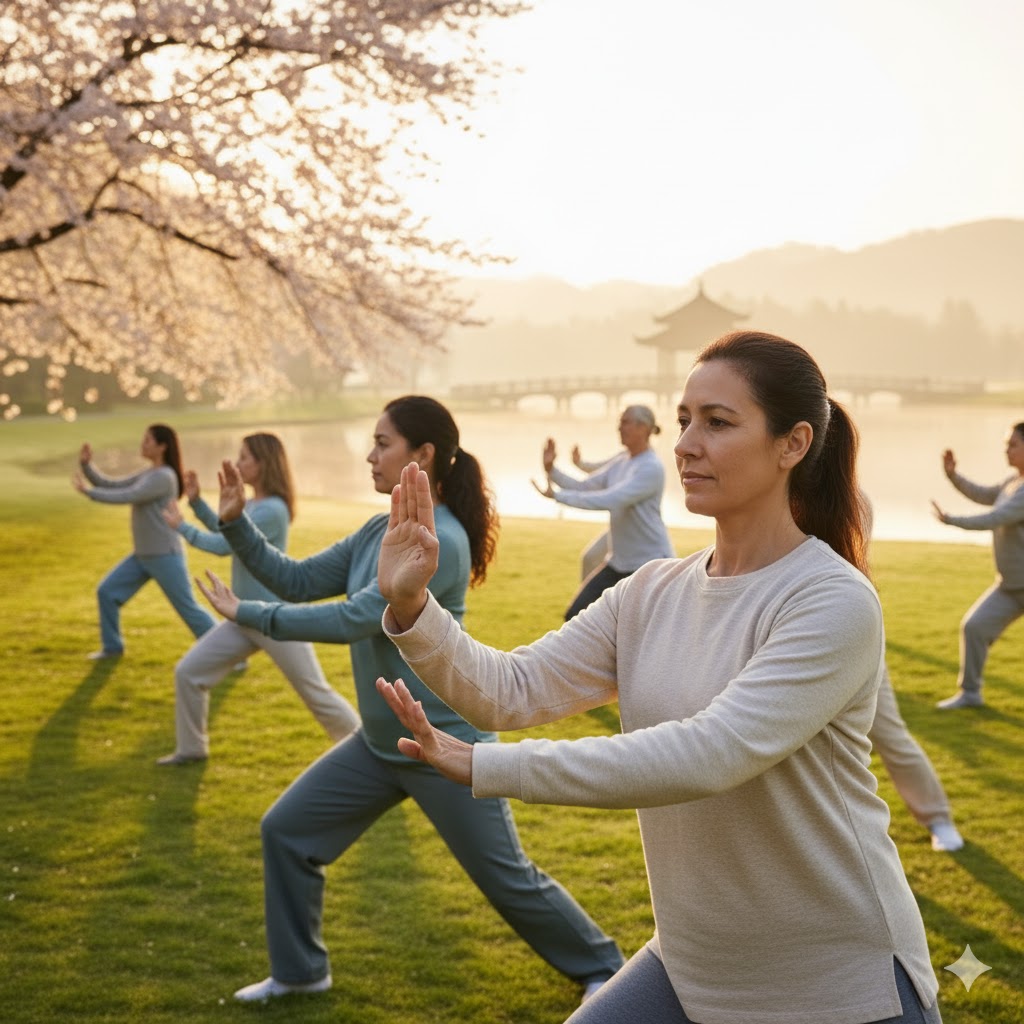
Qigong meditation (pronounced chee-gong) is an ancient Chinese practice that harmonizes mind, body, and energy. Often described as “moving meditation,” Qigong blends slow rhythmic movement, conscious breathing, and mindful awareness to restore balance and vitality from within.

While yoga focuses on prana — the life force that flows through every living being — Qigong focuses on qi (or chi), the same vital energy that animates the body and the universe. Both systems share a common goal: to awaken a deeper connection between the physical and spiritual self.


 The Roots of Qigong

The origins of Qigong reach back over 4,000 years to ancient China, where healers, monks, and martial artists developed it as a form of energy medicine and spiritual cultivation.

Early Daoist practitioners used Qigong to balance yin and yang — the natural opposites within the body. Over centuries, it evolved into multiple styles: medical Qigong for healing, martial Qigong for strength, and spiritual Qigong for enlightenment.

Today, Qigong is practiced worldwide and has been recognized by wellness experts and medical research institutions for its calming, restorative effects on the nervous system, mood, and overall vitality.
(Sources: Cleveland Clinic, Healthline, Taoist Sanctuary, YMAA Institute)


 The Purpose of Qigong Meditation

At its heart, Qigong meditation teaches us to return to the natural flow of energy within.

It encourages:

  • Relaxation of the body – releasing physical tension and blockages
  • Calmness of the mind – softening mental noise through gentle focus
  • Awareness of breath – connecting inner and outer rhythm
  • Cultivation of qi – restoring life force to all organs and cells

Practicing Qigong is like recharging your internal battery — you learn to gather energy, circulate it, and store it for healing and resilience.


 Benefits for Mind, Body & Spirit

Scientific and traditional teachings both highlight a wide range of benefits from Qigong meditation:

MindBodySpirit
Reduces anxiety and stressImproves balance and postureDeepens inner awareness
Enhances focus and clarityLowers blood pressureAwakens energetic sensitivity
Supports emotional stabilityBoosts immune functionCultivates peace and gratitude
Improves sleep qualityIncreases flexibilityConnects you with nature’s rhythm

Modern research (National Library of Medicine, Brown University 2023) confirms that regular Qigong practice improves emotional regulation, fatigue, and quality of life.


 Simple Beginner Practice: 5-Minute Qigong Meditation

Step 1: Ground Yourself
Stand with feet shoulder-width apart.
Keep your spine tall and knees slightly bent.
Relax your shoulders and jaw.

Step 2: Breathe Naturally
Close your eyes gently.
Take slow breaths — in through your nose, out through your mouth.
Feel your belly rise and fall with each breath.

Step 3: Gather Energy
Imagine a soft golden light above your head.
With each inhale, let it flow down through your body — head, shoulders, heart, belly, and legs — into the earth.

Step 4: Circulate and Calm
Now imagine this light returning upward with your exhale, completing a gentle loop through your body.
Smile softly and feel the warmth of inner balance.

Step 5: Close the Practice
Bring your hands together over your lower abdomen (the Dantian).
Take three slow breaths, silently thanking your body for its energy.
End with a gentle bow or smile.

 Practice daily for 5–10 minutes to feel a noticeable calm in your body and clarity in your mind.


 How Qigong Complements Yoga Practice

For the Yoga947 community, Qigong meditation beautifully complements yoga by:

  • Offering gentle movement on days when physical asanas feel intense
  • Enhancing energy awareness during breathwork and meditation
  • Supporting emotional grounding through still standing or seated postures
  • Providing a holistic balance between action (yang) and rest (yin)

Together, Yoga and Qigong create a complete cycle — one that nurtures vitality, peace, and presence.

Qigong Meditation – Frequently Asked Questions (FAQ)

By Yoga947

1. What is Qigong?

Qigong (pronounced “chee-gong”) is an ancient Chinese healing and movement practice that combines gentle physical postures, breathing techniques, and focused intention to cultivate Qi (life force energy). It’s designed to harmonize the body, mind, and spirit through mindful movement.


2. How does Qigong differ from Tai Chi?

Both Qigong and Tai Chi share similar roots in Chinese philosophy and energy medicine. Qigong focuses more on internal energy cultivation and can include standing, sitting, or moving meditations. Tai Chi, on the other hand, is a structured martial art form involving a set sequence of slow, graceful movements. Think of Qigong as the foundation from which Tai Chi evolved.


3. What are the main benefits of practicing Qigong?

Regular Qigong practice can help:

  • Reduce stress and anxiety
  • Boost immune function and circulation
  • Improve flexibility, balance, and coordination
  • Enhance focus and emotional stability
  • Support spiritual awareness and inner peace

Many practitioners describe it as a gentle yet powerful self-healing art.


4. Is Qigong suitable for beginners?

Absolutely! Qigong is accessible to all ages and fitness levels. Movements can be modified or performed seated, making it ideal for beginners or those recovering from illness or fatigue. You don’t need any special equipment — just a calm space and comfortable clothing.


5. How often should I practice Qigong?

Even 5–10 minutes daily can bring noticeable calm and balance. Over time, consistent practice helps you tune into your body’s natural rhythms and improve your overall energy flow.


6. Can Qigong help with emotional healing?

Yes. Qigong encourages a mind-body connection that allows stored emotions to gently release through breath and movement. Many practitioners use Qigong to cultivate emotional resilience, forgiveness, and self-compassion.


7. Is Qigong a spiritual practice?

Qigong can be purely physical, meditative, or deeply spiritual — depending on your intention. Traditionally, it integrates Taoist and Buddhist philosophies, focusing on unity with nature, mindfulness, and the cultivation of inner stillness.


8. Do I need a teacher to learn Qigong?

While self-practice videos and online guides are helpful, learning from a qualified Qigong instructor — even for a few sessions — can ensure correct posture, breathing, and energy awareness. Yoga947 also offers guided meditation resources to help you begin safely at home.


9. How soon will I feel results from Qigong?

Some people notice an immediate sense of calm and clarity after one session. With regular practice, deeper benefits such as increased vitality, better sleep, and improved focus develop gradually over weeks or months.


10. How can I start a Qigong meditation routine with Yoga947?

Visit Yoga947.com to explore our guided Qigong Meditation steps, complete with beginner-friendly scripts, soothing audios, and printable wellness tools to support your energy journey. 

Coming Soon!


 Final Reflection: Flow Where Energy Meets Awareness

Qigong meditation reminds us that healing begins within.
Each mindful breath restores harmony between the body and the natural world — a reminder that stillness is strength, and movement is meditation.

Whether you stand beneath the sky or sit in silent breath, your qi flows through all that you are.
Start today — just five minutes of Qigong can awaken a lifetime of inner calm.


References & Suggested Reading

  • Cleveland Clinic. What Are the Health Benefits of Qigong? (2023)
  • Peter Deadman. A Brief History of Qigong (2021)
  • Brown University Research. Qigong and Fatigue Reduction in Cancer Survivors (2023)
  • YMAA Publications. The Root of Chinese Qigong by Dr. Yang, Jwing-Ming
  • Taoist Sanctuary of San Diego. History of Qigong

National Center for Complementary and Integrative Health (NCCIH): Qigong Overview

Explore the Benefits of Inner Child Meditation

Introduction to Inner Child Meditation

Inner Child Meditation is a profound and transformative mindfulness practice. It helps individuals reconnect with the childlike part of themselves. This part still holds joy, pain, vulnerability, curiosity, and unmet needs. This practice is based on the principles of psychotherapy and spiritual self-inquiry. It invites a gentle exploration of early emotional wounds. The goal is to cultivate healing, compassion, and self-love.

The term “inner child” gained popularity in the 20th century. This was notably due to the work of psychologist Carl Jung. He referred to it as the “Divine Child” archetype. The structured practice of Inner Child Meditation began to take shape in the 1980s and 1990s. This development was due to the work of therapists and spiritual teachers like John Bradshaw and Charles Whitfield. Since then, the practice has evolved, merging with mindfulness techniques, breathwork, guided imagery, and even somatic therapies.

A Brief History and Evolution

The psychological concept of the inner child has been around for nearly a century. However, the meditative approach to connecting with this inner part is relatively modern. In the 1980s, interest in childhood trauma and emotional neglect surged. This led to therapeutic models that emphasized the importance of re-parenting oneself. Inner Child Meditation was soon embraced by both psychological and spiritual communities as a method of self-healing.

Today, it is practiced worldwide by therapists, yoga practitioners, life coaches, and spiritual seekers. It often forms part of a broader journey of shadow work, trauma recovery, or personal growth.

Benefits of Inner Child Meditation

Engaging with the inner child can have profound emotional, psychological, and even physical benefits. Some of the most commonly reported benefits include:

  • Emotional Healing: Helps resolve feelings of abandonment, shame, or neglect from childhood.
  • Self-Compassion: Cultivates a gentler, more loving relationship with oneself.
  • Improved Relationships: By healing early attachment wounds, individuals often experience more fulfilling adult relationships.
  • Empowerment: Encourages the reclaiming of lost creativity, playfulness, and confidence.
  • Stress Reduction: Like many meditative practices, it promotes nervous system regulation and emotional grounding.

Case Studies

Case Study 1: Lucy’s Story – Reclaiming Joy

Lucy, a 34-year-old yoga teacher, began practicing Inner Child Meditation during a yoga teacher training retreat. She realized she had long suppressed her creativity after being ridiculed as a child for “being too much.” Through weekly guided meditations, she began visualizing and comforting her younger self. Over several months, she found herself more expressive, began painting again, and reported feeling more “whole” and emotionally free.

Case Study 2: Daniel’s Journey – Healing the Father Wound

Daniel, a 40-year-old engineer, struggled with feelings of unworthiness and emotional distance in relationships. His therapist introduced him to Inner Child Meditation as a way to explore his strained relationship with his father. Over six months, he practiced daily visualizations, journaling dialogues with his inner child, and breathwork. He eventually found forgiveness and a sense of inner safety, which led to improved communication with his own children.

Case Study 3: Jenny’s Practice – From Anxiety to Calm

Jenny, a trauma survivor, experienced chronic anxiety and insomnia. Traditional talk therapy helped. However, she noticed significant shifts only after adding Inner Child Meditation to her nightly routine. Through consistent practice, including soft music, affirmations, and self-holding techniques, her sleep improved, and her panic attacks lessened. She credits the practice with restoring a “lost sense of innocence and peace.”

Final Thoughts

Inner Child Meditation is not just a healing tool; it’s a journey of remembering. It’s a pathway back to the core of who we are before the world told us who to be. Whether practiced in silence or through visualization, journaling, or guided sessions, connecting with your inner child can awaken buried joy. It can also transform wounds into wisdom.

At Yoga947, we honor this sacred practice as part of the holistic journey toward emotional, spiritual, and physical wellness. If you haven’t explored Inner Child Meditation yet, this is your invitation to begin.

Try This: A Short Guided Inner Child Meditation

You may wish to find a quiet, safe space for this practice. Sit or lie down comfortably. Gently close your eyes and take a few deep breaths in through the nose… and out through the mouth.

Step 1: Grounding

“Feel the weight of your body supported by the earth. Let go of tension in your jaw, shoulders, and belly. Breathe deeply and gently.”

Step 2: Meet Your Inner Child

“Now, bring to mind an image of yourself as a child. You picture a specific age, or a time when you needed love and reassurance. What do they look like? How do they feel?”

Step 3: Connect with Compassion

“Approach this younger version of yourself with kindness. Let them know you are here now. Say something loving: ‘I see you. I hear you. I am here for you. You are safe with me.’

Step 4: Embrace

“Imagine giving your inner child a warm hug. Let them know they are never alone. Stay here for a few more breaths, letting this feeling of love and safety fill your heart.”

Step 5: Return

“Now gently bring your attention back to your breath… back to the present moment. Wiggle your fingers and toes, and when you’re ready, open your eyes.”

Take a few moments to journal or simply notice how you feel.


 Ready to Begin Your Inner Child Journey?

At Yoga947, we believe deep healing begins within. That’s why we offer meditations, resources, and support to help you explore practices like Inner Child Healing in a safe, nurturing space.


Additional Resources for Practicing Inner Child Meditation

To deepen your journey, explore the following:

Books:

  • “Homecoming: Reclaiming and Championing Your Inner Child” by John Bradshaw
  • “Healing the Child Within” by Charles L. Whitfield
  • “Recovery of Your Inner Child” by Lucia Capacchione

Apps & Audio:

  • Insight Timer – Offers free inner child meditations by various teachers
  • Calm and Headspace – Search for inner child or self-compassion meditations
  • YouTube Channels – Look for guided sessions by therapists like Lisa A. Romano or meditation teachers like Sarah Blondin

Key Takeaways: Inner Child Meditation at a Glance

  • Inner Child Meditation reconnects you with your past to heal your present.
  • Origins: Based on psychological theories, popularized in the 1980s.
  • Benefits: Emotional healing, stress relief, better relationships, greater self-love.
  • Practice: Guided meditations, journaling, and visualization techniques.
  • Real Impact: Case studies show transformative effects in just weeks or months.
  • Resources: Books, apps, and courses are widely available to support your journey.

Your inner child is always waiting for you to return. Will you listen? Begin your journey today with Yoga947.

Silva Method

My Day Alpha 3-2-1 Method.

The Jose Silva 3-2-1 Method, also known as the Silva Method, is a self-help and personal development technique created by Jose Silva in the 1960s. This method is designed to tap into the power of the mind and improve various aspects of life by using relaxation, visualization, and intuition development techniques. Emphasizing the alpha level of mind—a relaxed and receptive state of consciousness—the Silva Method aims to enhance focus, reduce stress, and aid in goal setting and achievement. This practice has been utilized by individuals seeking self-improvement, stress reduction, and personal growth by harnessing the innate abilities of the mind to positively influence their lives. Through a combination of relaxation exercises, mental programming, and intuitive development, the Silva Method offers a holistic approach to empower individuals in achieving their goals and fostering personal well-being.

Here are some of the benefits of practicing the Jose Silva 3 -2- 1 method:

  • 1. Stress Reduction:
    • One of the primary benefits of the Silva 3 to 1 method is its ability to help reduce stress. The method involves relaxation exercises, deep breathing, and visualization techniques, all of which can promote a sense of calm and relaxation. By regularly practicing these techniques, individuals can manage stress more effectively and reduce the negative impact it has on their physical and mental health.
    • 2. Improved Focus and Concentration:
  • The Silva Method emphasizes the use of visualization and mental imagery to improve focus and concentration. By regularly practicing these techniques, individuals can enhance their ability to concentrate on tasks, set clear goals, and stay motivated to achieve them. This can lead to increased productivity and better decision-making
  • 3. Enhanced Problem-Solving Skills:
    • The method encourages creative problem-solving by engaging the intuitive mind. Silva practitioners are taught to tap into their intuition and use it to find solutions to various challenges. This can be particularly useful in situations where logical thinking alone may not provide a satisfactory answer.
  • 4. Better Self-Confidence:
    • The Silva 3 to 1 method incorporates exercises that boost self-confidence and self-esteem. By using positive affirmations and visualization techniques, individuals can overcome self-doubt and develop a more positive self-image. Increased self-confidence can have a significant impact on personal and professional success.
  • 5. Improved Health and Well-Being:
    • Regular practice of the Silva Method is believed to promote physical and mental well-being. The relaxation techniques can help reduce the risk of stress-related illnesses, such as hypertension and anxiety disorders. Additionally, improved mental focus and emotional balance can contribute to better overall health.
  • 6. Enhanced Intuition:
    • Jose Silva’s method places a strong emphasis on developing and trusting one’s intuition. Through meditation and guided exercises, individuals can learn to access their intuitive insights more readily. This can be valuable in decision-making, problem-solving, and navigating life’s challenges.
  • 7. Goal Achievement:
    • The Silva Method teaches individuals how to set and achieve their goals effectively. By using visualization techniques and mental rehearsals, practitioners can program their subconscious minds to work towards their desired outcomes. This can lead to greater success in various areas of life, including career, relationships, and personal development.
  • 8. Increased Mind-Body Connection:
    • Silva’s approach encourages individuals to recognize and harness the connection between their thoughts and physical well-being. This can lead to improved health and a greater sense of control over one’s body.
  • The Silva Method emphasizes the use of visualization and mental imagery to improve focus and concentration. By regularly practicing these techniques, individuals can enhance their ability to concentrate on tasks, set clear goals, and stay motivated to achieve them. This can lead to increased productivity and better decision-making.

It’s important to note that while many people have reported positive experiences with the Silva 3 to 1 method, its effectiveness can vary from person to person. The benefits mentioned above are anecdotal and based on personal accounts. As with any self-help or personal development practice, individual results may depend on factors such as commitment to regular practice, belief in the method, and the specific goals of the practitioner.

The Silva Method is a self-help and personal development program that is based on the belief that individuals can harness the power of their mind to achieve their goals and improve various aspects of their lives. The method is rooted in several key principles and techniques, including:

Mindful Yoga

  • Relaxation:
    • Central to the Silva Method is the concept of deep relaxation. Practitioners are taught to enter a deep state of relaxation, often referred to as the “alpha level” of mind, which is associated with a calm and receptive state of consciousness. This relaxation is achieved through techniques such as deep breathing and progressive muscle relaxation.
  • Visualization:
    • Visualization is a fundamental component of the Silva Method. Practitioners are encouraged to use their creative imagination to visualize their desired outcomes. This involves mentally rehearsing the achievement of their goals, whether they are related to personal development, health, career, or relationships.
  • Mental Programming:
    • The method teaches individuals how to use positive affirmations and statements to program their subconscious mind. By repeating affirmations and focusing on positive thoughts, practitioners aim to replace negative beliefs and self-doubt with constructive and empowering beliefs.
  • Intuition Development:
    • Silva Method practitioners are guided in developing their intuition and relying on it for decision-making and problem-solving. Techniques are taught to help individuals access intuitive insights and trust their inner guidance.
  • Goal Setting:
    • The Silva Method emphasizes setting clear, specific, and achievable goals. Practitioners are encouraged to write down their goals, visualize their attainment, and use mental programming to facilitate goal achievement.
  • Mind-Body Connection:
    • This method acknowledges the connection between thoughts and physical well-being. Techniques are designed to promote health and healing by using the power of the mind to influence the body’s healing processes.

The Silva Method typically involves attending seminars, workshops, or using self-guided audio programs to learn and practice these techniques. Participants are guided through exercises that help them reach a state of deep relaxation, access their intuitive mind, and apply these skills to various aspects of their life, such as improving health, achieving goals, reducing stress, and enhancing personal development.

The method’s effectiveness is often attributed to the idea that when the mind is in a relaxed and focused state, it is more receptive to positive suggestions and can better manifest desired outcomes. However, it’s essential to recognize that individual results may vary, and the Silva Method, like many personal development practices, relies on the individual’s commitment to regular practice and belief in its principles.

The Silva Method, as a holistic and self-help practice, has not been widely studied or subjected to extensive scientific research in the same way that medical treatments or therapeutic interventions often are. Therefore, there is limited scientific evidence to support its effectiveness. However, there are some studies and research areas related to the individual components of the method, such as relaxation, visualization, and meditation, which have been examined in scientific literature. Here are some relevant points:

  • Relaxation and Stress Reduction:
    • Various studies have established the benefits of relaxation techniques, including reduced stress and anxiety. For example, a review published in the journal “JAMA Internal Medicine” in 2014 found that mindfulness meditation, which shares some similarities with the Silva Method in terms of relaxation, can lead to reductions in anxiety, depression, and pain.
    • While not specific to the Silva Method, these findings support the idea that relaxation practices can have positive effects on mental well-being.
  • Visualization and Goal Achievement:
    • The concept of visualization and mental imagery is used in sports psychology to enhance athletic performance. Studies in this field suggest that mental rehearsal and visualization can improve athletes’ skills and outcomes.
    • Research published in the “Journal of Applied Sport Psychology” in 2011 found that athletes who used mental imagery, including visualizing successful outcomes, had better performance results compared to those who did not.
  • Meditation and Brain Function:
    • Meditation practices, including elements of the Silva Method such as deep relaxation and focused awareness, have been the subject of extensive scientific investigation. Research in this area has shown that meditation can have positive effects on brain function, stress reduction, and overall well-being.
    • A study published in “Psychological Science” in 2012 indicated that regular meditation practices can lead to improved attention and memory.

While these studies provide some insight into the potential benefits of the individual components of the Silva Method, it’s important to note that the method itself, as developed by Jose Silva, may involve a unique combination of techniques and principles that have not been thoroughly examined in the scientific literature.

The effectiveness of the Silva Method may also depend on individual beliefs and experiences. Many people report positive outcomes from practicing the method, but personal experiences can be highly subjective and influenced by a range of factors. Therefore, while there may be scientific support for certain aspects of the method, it remains a self-help practice that may be more effective for some individuals than others.

While there is limited scientific research on the Silva Method, there are numerous anecdotal reports and case studies from individuals who have found it to have a positive impact on their lives. Here are a few practical examples and case studies to illustrate how the method has positively influenced people:

  • Improved Academic Performance (1980s):
    • In the 1980s, a case study documented the experiences of several students who used the Silva Method to improve their academic performance. They reported increased concentration, reduced exam anxiety, and enhanced memory retention. These students achieved higher grades and were better equipped to handle the academic pressures of their courses.
  • Enhanced Creativity and Problem-Solving (1990s):
    • During the 1990s, a marketing consultant used the Silva Method to boost creativity and problem-solving skills. By practicing visualization and relaxation techniques, he found that he could approach challenges with a more creative mindset. This led to the development of innovative marketing strategies and improved client satisfaction.
  • Stress Reduction and Health Benefits (2000s):
    • A case study from the early 2000s featured a group of individuals who practiced the Silva Method to manage stress. They reported lower stress levels, improved sleep quality, and a decrease in stress-related health issues. Some participants saw a reduction in blood pressure and felt more relaxed and healthier overall.
  • Entrepreneurial Success (2010s):
    • In the 2010s, an aspiring entrepreneur used the Silva Method to build his business from the ground up. By regularly setting and visualizing his business goals, programming his mind for success, and tapping into his intuition, he achieved significant business growth and financial success.
  • Improved Athletic Performance (2020s):
    • In the early 2020s, an amateur triathlete employed the Silva Method to enhance his athletic performance. Through visualization and mental rehearsal, he improved his swimming, biking, and running techniques. He reported that his race times steadily decreased, and he qualified for several major triathlon events, attributing his success to the mental training he learned from the Silva Method.

These case studies illustrate how the Silva Method has been applied over several decades to positively impact various aspects of people’s lives. While they are anecdotal and reflect individual experiences, they showcase how individuals have harnessed the principles and techniques of the Silva Method for personal development, stress reduction, health improvement, creativity, and goal achievement. The method has a longstanding history of being used as a tool for self-improvement and personal growth by people from different walks of life.

Here are some additional resources related to the Silva Method for readers who wish to explore the topic further:

Books:

  1. “The Silva Mind Control Method” by Jose Silva and Philip Miele – This is one of the foundational books on the Silva Method, written by its creator, Jose Silva.
  2. “Silva Ultramind ESP System” by Jose Silva and Laura Silva – This book focuses on using the Silva Method to develop extrasensory perception (ESP) and intuition.

Websites and Online Resources:

  1. Silva Method Official Website – The official website provides information about workshops, courses, and resources related to the Silva Method.
  2. Silva Method on Mindvalley – Mindvalley offers online courses and programs related to personal development, including the Silva Method.

Potential Limitations and Criticisms:

  1. Skeptic’s Dictionary: Silva Mind Control – This resource provides a skeptical perspective on the Silva Method, highlighting some criticisms and limitations.
  2. Scientific American: The Silva Mind Control Method – An article from Scientific American that discusses the lack of scientific support for the Silva Method.

These resources offer a range of perspectives and information to help you explore the Silva Method in greater depth, from both its proponents and skeptics. It’s essential to approach the topic with a well-rounded understanding, considering the potential benefits as well as any limitations or criticisms.

In summary, the Silva 3-2-1 Method, a holistic approach to personal development, offers techniques such as relaxation, visualization, and intuitive development to empower individuals in achieving their goals and improving their well-being. While individual experiences may vary, the method provides valuable tools for stress reduction, goal setting, and enhanced focus. Encouraging an open mind and consistent practice, exploring the Silva 3-2-1 Method may lead to a deeper understanding of one’s inner potential. I encourage readers to explore further resources, workshops, or courses to delve into this method and consider integrating its principles into their lives for personal growth and a more balanced lifestyle.

Get your Yoga Accessories

Namaste my friends!

Top 20 Yoga Styles.

The diversity in these Yoga styles allows individuals to find a practice that resonates with them, whether seeking physical fitness, mental clarity, emotional healing, spiritual growth, or a combination of these elements. Together, these practices provide a comprehensive view of Yoga’s ability to positively influence all aspects of human life.

Top 20 Yoga Practices

  • 1.    Hatha Yoga:
    • Details: Hatha is often considered the foundational practice of Yoga. It includes gentle postures (asanas) and breathing techniques (pranayama) that are perfect for beginners.
    • Impact: By enhancing physical strength, flexibility, and mental calmness, Hatha Yoga can improve overall well-being, reduce stress, and serve as an excellent introduction to other types of Yoga.
  • 2.     Vinyasa Yoga:
    • Details: Vinyasa is characterized by seamless transitions between postures, coordinated with breath. It’s fluid, graceful, and often vigorous.
    • Impact: Vinyasa’s continuous flow can boost cardiovascular health, improve coordination, and enhance mental focus, making it suitable for those looking to integrate mindfulness into a robust physical practice.
  • 3.    Ashtanga Yoga:
    • Details: Ashtanga is a challenging and systematic series of poses performed in a specific order. It’s physically demanding and requires discipline.
    • Impact: Practitioners often experience increased stamina, strength, and flexibility, making it suitable for those seeking an intense physical workout that also fosters self-discipline and perseverance.
  • 4. Kundalini Yoga:
    • Details: Kundalini combines postures, meditation, chanting, and breathwork to awaken the spiritual energy within.
    • Impact: It offers profound spiritual growth, enhances self-awareness, and often leads to personal transformation and a deeper understanding of one’s purpose in life.
  • 5. Iyengar Yoga:
    • Details: Iyengar focuses on alignment and precision, often using props like belts and blocks to assist in perfecting poses.
    • Impact: Ideal for therapeutic purposes, Iyengar’s meticulous attention to alignment can aid rehabilitation, improve posture, and increase flexibility and balance.
  • 6. Bikram/Hot Yoga:
    • Details: Performed in a heated room, Bikram follows a sequence of 26 poses. The heat facilitates deeper stretching and promotes sweating.
    • Impact: Bikram’s intensity can improve flexibility, stamina, and detoxification, making it suitable for those looking to challenge themselves physically and mentally.
  • 7. Yin Yoga:
    • Details: Yin involves holding passive poses for extended periods to stretch connective tissues.
    • Impact: By allowing time for deep reflection and relaxation, Yin enhances flexibility, calms the mind, and fosters an introspective awareness that permeates daily life.
  • 8. Restorative Yoga:
    • Details: This gentle practice uses props to support complete relaxation in each pose, often held for several minutes.
    • Impact: Restorative Yoga’s focus on relaxation can significantly reduce stress and anxiety, aiding in sleep and emotional balance, and providing a restful break in a busy lifestyle.
  • 9. Prenatal Yoga:
    • Details: Tailored for pregnant women, this practice supports the body’s changes during pregnancy and prepares for childbirth.
    • Impact: By strengthening the body, enhancing flexibility, and providing emotional support, Prenatal Yoga can be a nurturing practice for expectant mothers.
  • 10. Aerial Yoga:
  • Details: Combining traditional Yoga with aerial arts, Aerial Yoga uses a hammock to allow gravity-assisted poses.
  • Impact: By introducing a playful element, Aerial Yoga enhances balance, strength, and flexibility, making exercise enjoyable and engaging.
  • 11. Corporate and Workplace Yoga:
  • Details: This is designed to fit into the workplace, often during lunch breaks or before/after work.
  • Impact: By reducing stress, improving concentration, and fostering teamwork, Workplace Yoga can enhance overall work productivity and satisfaction.
  • 12. Yoga Therapy:
  • Details: This personalized practice adapts Yoga to specific health challenges or goals.
  • Impact: By complementing medical treatments, Yoga Therapy can support healing and offer coping strategies for chronic conditions.
  • 13. Adaptive Yoga:
  • Details: Adaptive Yoga modifies traditional poses for those with disabilities or special needs.
  • Impact: By making Yoga accessible, it supports overall well-being, empowerment, and community for those who might otherwise be excluded from the practice.
  • 14. Jivamukti Yoga:
  • Details: Jivamukti integrates physical practice with ethical and spiritual aspects, often including chanting and philosophical teachings.
  • Impact: By connecting body, mind, and spirit, Jivamukti fosters a sense of holistic well-being and compassionate living.
  • 15. Anusara Yoga:
  • Details: Anusara emphasizes “heart opening” poses and aligns physical practice with a heart-centered philosophy.
  • Impact: Through the cultivation of joy, self-expression, and connection, Anusara can enhance relationships and bring positivity into daily life.
  • 16.  Kripalu Yoga:
  • Details: Kripalu focuses on meditation, breathwork, and self-reflection, often allowing spontaneous movement.
  • Impact: Kripalu can be a transformative practice that affects all areas of life by promoting self-acceptance and emotional healing.
  • 17.  Sivananda Yoga:
  • Details: This holistic practice includes a set sequence, along with teachings on diet, positive thinking, and meditation.
  • Impact: Sivananda’s comprehensive approach encourages a healthy lifestyle, spiritual growth, and a balanced approach to daily living.
  • 18. Power Yoga:
  • Details: This high-intensity form of Yoga emphasizes strength and muscle building, often appealing to athletes.
  • Impact: By boosting strength, stamina, and weight loss, Power Yoga can be a vital part of a fitness regimen and aid in overall physical transformation.
  • 19.  Tantra Yoga:
  • Details: Tantra involves rituals, visualization, and practices that aim to weave together the physical and spiritual.
  • Impact: Tantra’s deep spiritual exploration can enhance consciousness, intimacy, and a connection to the universe, impacting a person’s overall life philosophy.
  • 20. Pranayama (Breath Control):
  • Details: Although not a type of Yoga in itself, Pranayama is the practice of controlling the breath and is often integrated into many Yoga practices.
  • Impact: Pranayama’s focus on the breath can improve lung capacity, reduce stress, enhance focus, and elevate overall health, enriching every moment of daily life.

These 20 types represent the richness and diversity of Yoga, providing options for every person, regardless of age, fitness level, or personal goals. Through the exploration of these practices, individuals can find paths to physical health, emotional balance, spiritual growth, and a holistic understanding of themselves and the world around them.