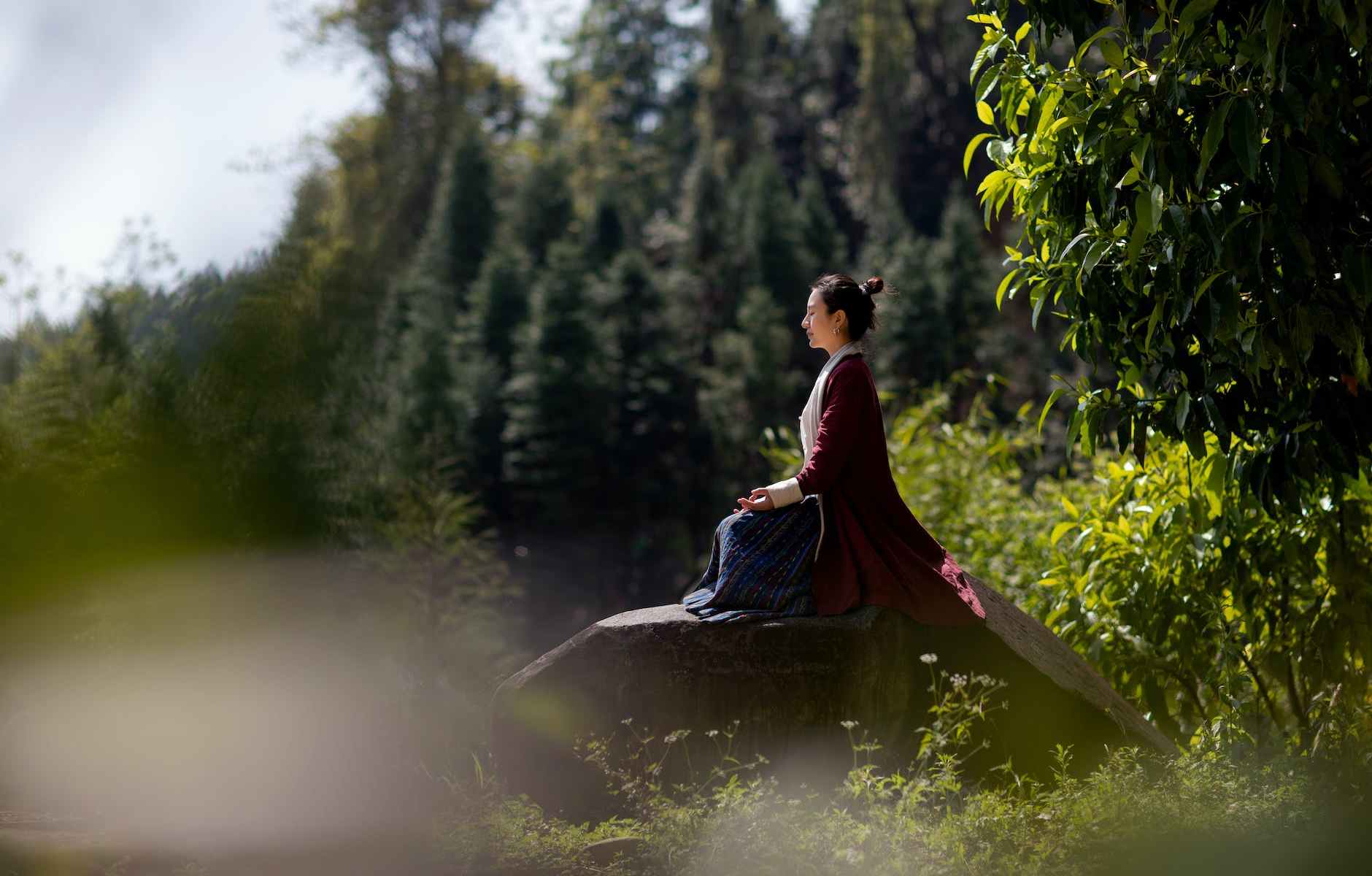
Discover Acupuncture Meditation for Stress Relief

Introduction

It’s a modern umbrella term for pairing needle (or acupressure/ear seeds) sessions with a meditative state—breathwork, body-scan, mantra, or Daoist/Chan (Zen) styles. Historically, acupuncture and meditation evolved side-by-side in China; today, clinics often blend them to calm the nervous system, ease pain/anxiety, and deepen interoceptive awareness.

Across centuries, humans have searched for ways to calm the body and still the mind. In traditional Chinese medicine (TCM), two such paths developed side by side: acupuncture—the art of guiding qi (vital energy) through fine needles—and meditation, the practice of focusing awareness inward. Today, practitioners and researchers are re-discovering how these two traditions harmonize. The blend, sometimes called acupuncture meditation, pairs mindful awareness with the physiological reset of acupuncture or acupressure.


Where It All Began

  • Early Breath Training: Texts like the Neiye (4th–2nd c. BCE) describe how breath circulates qi to calm the mind. This laid the groundwork for meditative awareness in Chinese healing traditions.
  • Meridian Pathways: Excavated Han-era manuscripts (Mawangdui, ~168 BCE) outlined channels through which qi flows—precursors to today’s acupuncture meridians.
  • Huangdi Neijing (Inner Canon): By the 1st–2nd c. CE, the Lingshu chapter codified acupuncture points, techniques, and the role of shen (spirit/mind) in health.
  • Daoist & Buddhist Influence: From the 3rd–6th centuries CE, visualization and mindfulness practices deepened the physician’s view of body–mind integration. Acupuncture was never just “physical”; it was always linked to the spirit.

What Science Sees Today

  • Pain & Headaches: The UK’s NICE guidelines note acupuncture can be considered for chronic tension-type headaches and migraine prevention.
  • Anxiety & Sleep: Points such as Yintang (between the eyebrows) and HT7 (at the wrist) have been studied for reducing pre-operative anxiety and calming the nervous system.
  • Brain & Body Effects: fMRI scans and heart-rate variability studies show acupuncture can quiet the default-mode network and shift the body toward parasympathetic calm—the same physiological direction meditation moves us toward.
  • Emerging Synergy: Trials combining mindfulness with acupuncture or auricular acupressure report benefits for stress, PTSD, and weight management, though research is still developing.

The Synergy of Acupuncture and Meditation

Integrating acupuncture with meditation creates a synergistic effect that addresses both the body and mind. Acupuncture stimulates the body’s natural healing mechanisms, while meditation calms the mind, reduces stress, and enhances emotional well-being. Together, they promote a holistic sense of balance and health.


Scientific Insights into Acupuncture Meditation

Neurochemical Effects

Research indicates that acupuncture stimulates the release of neurochemicals such as endorphins, serotonin, and GABA, which play roles in pain relief, mood regulation, and relaxation. Meditation practices, particularly mindfulness, have been shown to reduce symptoms of anxiety and depression, improve mood, and enhance stress resilience.

Clinical Evidence

A 2018 clinical trial funded by the U.S. Department of Defense found that meditation was as effective as prolonged exposure therapy in reducing PTSD symptoms and depression among veterans. Similarly, acupuncture has been found to alleviate chronic pain conditions, such as low back pain and knee osteoarthritis.


Real-World Applications and Case Studies

Case Study 1: Stress and Anxiety Reduction

A 35-year-old marketing executive reported high levels of stress and anxiety. After combining acupuncture and Zen meditation, she experienced a significant reduction in stress and anxiety, along with improved mental clarity and focus.

Case Study 2: Chronic Pain Management

A 50-year-old woman with chronic back pain found significant relief after integrating acupuncture and meditation into her routine. She reported reduced pain levels and enhanced overall quality of life.

How to Try an “Acupuncture Meditation” Flow

(Can be done in a clinic, or at home with safe acupressure instead of needles)

Step 1 — Arrival (2 minutes): Sit or lie comfortably. Close your eyes. Take three slow breaths, lengthening each exhale.

Step 2 — Intention (1 minute): Whisper inwardly: “Soften, notice, allow.”

Step 3 — Gentle Acupressure (3–5 minutes):

  • Yintang (EX-HN3): Between the eyebrows — relieves restlessness.
  • HT7 (Shenmen): At the wrist crease on the little-finger side — soothes the spirit.
  • PC6 (Neiguan): Inner forearm, 3 fingerbreadths from the wrist — eases anxiety, steadies breath.
    Press gently with a fingertip for 60–90 seconds each, breathing slowly. Stop if sore or uncomfortable.

Step 4 — Meditation Anchor (5 minutes): Focus on breath or silently repeat a calming phrase. Notice sensations at the points without judgment.

Step 5 — Close (2 minutes): Place palms over your lower abdomen. Take five relaxed breaths. Open your eyes slowly, carrying the calm with you.


Safety Notes for Readers

  • In the UK, acupuncture is not statutorily regulated; choose practitioners registered with a PSA-accredited body (e.g., British Acupuncture Council).
  • Acupressure is generally safe, but avoid it if pregnant (unless guided), or if you have bleeding disorders, are on anticoagulants, or have implanted devices (with electro-acupuncture).
  • Side effects of acupuncture are usually mild (temporary soreness or bruising).

Key Takeaways

  • Meditation and acupuncture evolved together in Chinese culture.
  • Both calm the nervous system and guide awareness inward.
  • Modern studies suggest pairing them enhances relaxation and emotional balance.
  • Safe self-practice is possible with gentle acupressure, but professional guidance deepens the experience.

References & Further Reading

  • Huangdi Neijing (Inner Canon) — foundational acupuncture text.
  • Neiye (Inward Training) — early Chinese meditation manual.
  • NICE Guidance: Headaches in over 12s (UK).
  • NCCIH (US): Acupuncture and Integrative Practices Evidence Maps.
  • Academic reviews on acupuncture, brain networks, and meditation overlap (fMRI + HRV studies).

Conclusion

Acupuncture meditation represents a holistic approach to healing, addressing both physical ailments and mental well-being. By integrating these practices into daily life, individuals can cultivate a balanced and harmonious existence. Embarking on this journey requires dedication, openness, and a willingness to explore the interconnectedness of body and mind.


Affiliate Disclaimer

Yoga947 may contain affiliate links to products, services, or resources we personally find valuable in the areas of health, wellbeing, and lifestyle. This means that if you click on an affiliate link and make a purchase, we may receive a small commission at no extra cost to you.

Please note: The information shared on this blog is for educational and inspirational purposes only. It should not be taken as medical advice, diagnosis, or treatment. Every person’s body and circumstances are unique, and what works for one individual may not be suitable for another.

We strongly recommend that you consult with a qualified healthcare professional before making any decisions related to your health, diet, or wellbeing practices.

By using this site, you acknowledge and agree that Yoga947 is not responsible for any outcomes that may result from applying the information, resources, or products mentioned. Your health and safety always come first.

Embark on your journey to balance and healing with acupuncture meditation today. Whether you’re new to these practices or looking to deepen your experience, connect with experienced acupuncturists and meditation guides to begin your transformative journey. Ready to get started?

Start healing from within—your path to wellness begins now.

Best Chair Yoga for Men

Introduction: How to do chair yoga

Chair yoga offers numerous benefits for men, particularly those who may have mobility issues, are recovering from injuries, or are looking for a low-impact way to improve their physical and mental health. Here are the key benefits based on the provided sources:

Physical Benefits

1. Improved Flexibility and Mobility

Chair yoga helps to enhance flexibility and range of motion, which is crucial for performing daily activities and preventing injuries. The gentle stretches involved in chair yoga can gradually increase flexibility without putting undue stress on the body.

2. Increased Strength

Despite being a low-impact exercise, chair yoga can help build muscle strength, particularly in the core, legs, and upper body. Poses like seated twists and arm balances engage various muscle groups, promoting overall strength and endurance.

3. Better Balance and Coordination

Chair yoga improves balance and proprioception (the sense of body position), which are essential for preventing falls and maintaining stability. This is particularly beneficial for older men or those with balance issues.

4. Pain Management

Chair yoga can help reduce pain, particularly in individuals with chronic conditions like arthritis. The gentle movements and stretches can alleviate joint stiffness and improve circulation, leading to reduced pain and discomfort.

5. Enhanced Joint Health

The gentle mobilization movements in chair yoga help lubricate joints and alleviate stiffness, which is beneficial for maintaining joint health and preventing degenerative conditions.

Mental and Emotional Benefits

1. Stress Reduction

Chair yoga incorporates relaxation techniques and mindfulness, which can significantly reduce stress and anxiety. The practice of focusing on breath and body sensations helps activate the relaxation response, counteracting the effects of stress hormones like cortisol.

2. Improved Mental Clarity and Focus

The mindfulness aspect of chair yoga enhances mental clarity and focus. By directing attention to the present moment, practitioners can improve their concentration and cognitive function.

3. Enhanced Self-Efficacy and Empowerment

Successfully completing chair yoga poses can boost self-efficacy and a sense of accomplishment. This empowerment can lead to increased confidence and a more positive outlook, which are beneficial for mental health.

4. Better Sleep Quality

Regular practice of chair yoga can improve sleep quality by promoting relaxation and reducing stress. Better sleep contributes to overall well-being and can enhance daily functioning.

Accessibility and Inclusivity

1. Accessibility for All Fitness Levels

Chair yoga is highly accessible and can be practiced by individuals of all fitness levels, including those with limited mobility, balance issues, or chronic conditions. This inclusivity makes it an excellent option for men who might find traditional yoga challenging.

2. Convenience

Chair yoga can be practiced almost anywhere, including at home or in the office, making it a convenient option for incorporating physical activity into a busy schedule.

Conclusion

Chair yoga offers a comprehensive range of physical, mental, and emotional benefits for men. It improves flexibility, strength, balance, and joint health while reducing stress, enhancing mental clarity, and promoting better sleep. Its accessibility makes it suitable for men of all ages and fitness levels, providing a practical and effective way to enhance overall well-being.

How does chair yoga compare to traditional yoga for stress relief?

Chair yoga and traditional yoga both offer significant benefits for stress relief, but they cater to different needs and capabilities. Here’s a detailed comparison based on the provided sources:

Similarities in Stress Relief Benefits

1. Activation of the Relaxation Response

Both chair yoga and traditional yoga activate the parasympathetic nervous system, which helps shift the body from a state of stress (sympathetic nervous system activation) to a state of relaxation. This shift reduces heart rate, lowers blood pressure, and decreases cortisol levels, thereby alleviating stress and anxiety.

2. Mindfulness and Breathing Techniques

Both forms of yoga incorporate mindfulness and controlled breathing techniques (pranayama), which are essential for reducing stress. These practices help calm the mind, improve focus, and promote a sense of well-being.

3. Physical Postures and Movement

Engaging in physical postures, whether seated or on the floor, helps release tension stored in the body, particularly in areas like the shoulders, neck, and back. This physical release contributes to overall stress reduction.

Differences in Stress Relief Benefits

1. Accessibility and Inclusivity

  • Chair Yoga: Chair yoga is more accessible to individuals with limited mobility, balance issues, or those recovering from injuries. It allows these individuals to experience the stress-relieving benefits of yoga without the need for getting up and down from the floor, making it an excellent option for seniors, office workers, and those with physical limitations.
  • Traditional Yoga: Traditional yoga involves a wider range of poses, including standing, sitting, and floor-based postures, which may not be accessible to everyone. However, it offers a more comprehensive physical workout, which can also contribute to stress relief through more intense physical exertion.

2. Intensity and Physical Demand

  • Chair Yoga: The intensity of chair yoga is generally lower compared to traditional yoga. It focuses on gentle, supported movements that are less strenuous, making it suitable for beginners and those looking for a low-impact exercise option.
  • Traditional Yoga: Traditional yoga can vary in intensity, from gentle Hatha yoga to more vigorous styles like Vinyasa or Ashtanga. The physical demand of traditional yoga can lead to a more significant release of endorphins, which are natural stress relievers.

3. Environment and Convenience

  • routines, which can help maintain consistent practice and ongoing chair yoga

Chair yoga can be practiced almost anywhere, including at home, in the office, or in community centers, without the need for special equipment or attire. This convenience makes it easier to incorporate into daily ongoing stress relief.

  • Traditional Yoga: Traditional yoga often requires a dedicated space, a yoga mat, and sometimes additional props like blocks and straps. While this setup can create a more immersive experience, it may also present barriers to regular practice for some individuals.

Conclusion

Both chair yoga and traditional yoga are effective for stress relief, offering similar benefits through mindfulness, controlled breathing, and physical movement. Chair yoga stands out for its accessibility and convenience, making it an excellent option for those with physical limitations or busy schedules. Traditional yoga, with its varying intensity levels and comprehensive physical engagement, may provide a more robust physical workout and a different kind of stress relief experience. The choice between the two depends on individual needs, physical capabilities, and personal preferences.

Ultimate Morning Yoga Routine for Energy Boost!

Introduction:

Good morning, yogis! Welcome to a transformative journey designed to kickstart your day with vitality and positivity. In this “Ultimate Morning Yoga Routine for Energy Boost,” we’ll guide you through a carefully curated sequence of invigorating yoga poses and mindful practices to awaken your body and mind, setting the perfect tone for a vibrant day ahead.

Session Overview:

Breath Awareness (2 minutes):

  • Begin by cultivating awareness of your breath. Practice deep, rhythmic breathing to oxygenate your body and center your mind. Focus on inhaling positive energy and exhaling any residual tension.

Sun Salutations (5 minutes):

  • Embrace the warmth of the sun with a series of Sun Salutations. Flow through a dynamic sequence of poses, connecting breath with movement, to awaken every muscle and joint. This sets the foundation for the energy to flow freely through your body. If there is no sun turn the heating on and begin.

Energizing Standing Poses (7 minutes):

  • Transition into a series of standing poses, such as Warrior poses and Chair pose. These postures build strength, improve circulation, and enhance overall balance, grounding you firmly in the present moment.

Heart-Opening Backbends (4 minutes):

  • Open your heart and expand your chest with gentle backbends. These poses not only increase flexibility but also release tension in the shoulders, promoting a sense of lightness and optimism.

Balancing Poses (3 minutes):

  • Cultivate stability and focus through balancing poses like Tree pose and Eagle pose. These postures challenge your concentration while strengthening your core, leaving you feeling poised and ready to tackle the day.

Inversion for Energy (3 minutes):

  • Explore gentle inversions like Downward Dog or Legs-Up-the-Wall pose to encourage blood circulation and refresh your mind. Inversions are known to boost energy levels and stimulate the nervous system.

Seated Meditation (5 minutes):

  • Wind down the practice with a short seated meditation. Center yourself, express gratitude for the day ahead, and set positive intentions. This mindfulness practice helps you carry the energy and serenity cultivated on the mat into your daily life.Additional Tips for Success:
  • Consistency is Key:
  • To experience the full benefits of this morning routine, practice it consistently. Aim to incorporate it into your daily routine to establish a positive habit and maximize its energizing effects over time.
  • Modify as Needed:
  • Listen to your body and modify the poses as necessary. If you’re a beginner, take it slow and gradually increase the intensity. Conversely, if you’re more advanced, feel free to deepen the stretches and holds to suit your practice.
  • Mindful Breath Throughout the Day:
  • Carry the mindful breathing techniques learned in this routine into your daily activities. Whenever you feel stressed or need a quick energy boost, take a moment to inhale deeply and exhale slowly. This simple practice can help you stay grounded and centered.
  • Stay Hydrated:
  • Hydration plays a crucial role in maintaining energy levels. Remember to drink water before and after your practice to support your body’s natural detoxification processes and keep you feeling refreshed.
  • Create a Positive Environment:
  • Set the mood for your morning practice by creating a serene and clutter-free space. Consider incorporating soft lighting, calming music, or diffusing essential oils to enhance the overall experience.
  • Listen to Your Body:
  • Pay attention to how your body responds to the routine. If certain poses or stretches feel particularly beneficial, take note and consider incorporating them into your daily practice more frequently.
  • Build Gradually:
  • If you’re new to yoga or morning routines, don’t feel pressured to complete the full sequence right away. Begin with a shorter version and gradually add more poses and time as your strength and flexibility improve.The “Ultimate Morning Yoga Routine for Energy Boost” offers a range of benefits for both women and men. While individual experiences may vary, here are some general advantages that can be enjoyed by practitioners of all genders:

Benefits for Women:

  • Hormonal Balance:
  • Certain yoga poses, especially inversions and gentle twists, can help regulate hormonal balance. This is particularly beneficial for women, as hormonal fluctuations can affect mood, energy levels, and overall well-being.
  • Stress Relief:
  • The combination of deep breathing, mindful movement, and relaxation techniques helps alleviate stress. For women who often juggle multiple responsibilities, starting the day with stress reduction can contribute to better mental and emotional health.
  • Menstrual Comfort:
  • Gentle yoga poses and stretches can ease menstrual discomfort and reduce symptoms like cramps. The practice promotes circulation and relaxation, providing a natural and holistic approach to managing menstrual-related discomfort.
  • Flexibility and Strength:
  • Regular practice of yoga contributes to increased flexibility and strength. This is especially beneficial for women, as it helps prevent injuries, improves posture, and enhances overall physical fitness.
  • Emotional Well-being:
  • Yoga encourages mindfulness and self-awareness. For women, this can be particularly empowering, fostering a positive relationship with one’s body and emotions. The routine allows for a reflective space that supports emotional well-being.

Benefits for Men:

  • Increased Flexibility and Mobility:
  • Men often have different body compositions, and yoga can be instrumental in enhancing flexibility and mobility, which may not be the focus of traditional fitness routines.
  • Stress Reduction:
  • Men, like women, face daily stressors. The routine’s emphasis on controlled breathing and mindfulness helps men manage stress, improve focus, and approach challenges with a clearer mind.
  • Enhanced Athletic Performance:
  • Yoga is known to improve balance, coordination, and body awareness. This can be particularly advantageous for men involved in sports or regular physical activities, enhancing overall athletic performance and reducing the risk of injuries.
  • Better Posture:
  • Many men spend extended periods sitting at desks or engaging in activities that can contribute to poor posture. The routine incorporates poses that promote better spinal alignment, helping men develop and maintain good posture.
  • Improved Mental Clarity:
  • The mindful aspects of yoga, such as meditation and breath awareness, contribute to improved mental clarity. Men may find that starting their day with these practices enhances focus, decision-making, and overall cognitive function.
  • Joint Health:
  • Yoga involves a variety of movements that support joint health. Men, who may engage in activities that put stress on joints, can benefit from the routine’s emphasis on gentle stretches and joint mobilization.more information and access services related to the “Ultimate Morning Yoga Routine for Energy Boost,” consider exploring the following avenues:
  • Online Yoga Platforms:
  • Many online yoga platforms offer a variety of routines and programs. Platforms like YogaGlo, Gaia, and Alo Moves provide a diverse range of classes, including morning routines designed for an energy boost.
  • YouTube Channels:
  • Numerous yoga instructors and channels on YouTube share morning yoga routines. You can search for specific instructors or channels dedicated to yoga and wellness to find routines similar to the one you’re interested in.
  • Yoga Studios and Instructors:
  • Local yoga studios often host classes and workshops tailored to specific needs, including morning routines. Check with studios in your area or reach out to individual instructors who may offer personalized guidance.
  • Yoga Apps:
  • Mobile applications focused on yoga often provide curated routines for different purposes. Apps like Daily Yoga, Yoga for Beginners, or Down Dog may have morning routines designed for an energy boost.
  • Yoga Retreats and Workshops:
  • Consider attending yoga retreats or workshops that focus on energy-boosting practices. These immersive experiences provide in-depth guidance and the opportunity to connect with like-minded individuals.
  • Books and Online Resources:
  • Explore books on yoga and wellness that delve into morning routines and energy-boosting practices. Websites like Yoga Journal and MindBodyGreen offer articles, guides, and resources related to yoga.
  • Local Yoga Community Events:
  • Attend local yoga events or community gatherings where experienced instructors may share insights into effective morning routines. This can also be an excellent way to connect with fellow yoga enthusiasts.
  • Social Media Groups:
  • Join yoga communities on platforms like Facebook or Instagram. Many instructors and practitioners share tips, routines, and resources within these communities.
  • Wellness Retreats:
  • Consider participating in wellness retreats that combine yoga, meditation, and holistic practices. Retreats often provide a deep dive into specific routines and offer expert guidance.
  • Consult with Yoga Professionals:
  • If you have specific questions or seek personalized guidance, consider consulting with certified yoga instructors or wellness professionals. They can provide tailored advice based on your individual needs and goals.

Conclusion:

The “Ultimate Morning Yoga Routine for Energy Boost” stands as a powerful catalyst for positive transformation, offering a myriad of benefits to individuals seeking to kickstart their day with vitality and resilience. This meticulously designed sequence intertwines physical postures, mindful breathwork, and meditation, creating a holistic practice that addresses various facets of well-being.

Physical Vitality:

  • The routine enhances flexibility, strength, and balance, laying the foundation for improved physical health. Invigorating poses stimulate circulation, leaving the body energized and ready for the day’s challenges.

Stress Alleviation:

  • Mindful breathwork and stress-relieving poses provide a sanctuary for mental calmness. The routine serves as a refuge, allowing practitioners to release tension and approach the day with a centered and composed mindset.

Mental Clarity and Focus:

  • The incorporation of meditation and breath awareness cultivates mental clarity and sharpness. This mental resilience translates into improved focus, decision-making, and an overall heightened cognitive function.

Emotional Well-being:

  • The practice encourages a positive relationship with emotions and self-awareness. By dedicating time to mindfulness, individuals can navigate their emotions with grace and cultivate a deeper sense of inner peace.

Holistic Balance:

  • Regardless of gender, the routine addresses the unique needs of individuals, promoting hormonal balance for women and enhancing flexibility for men. It fosters a holistic sense of balance that extends beyond the physical, embracing the emotional and mental dimensions of well-being.

Prevention and Maintenance:

  • Regular practice not only boosts immediate energy levels but also contributes to long-term health. The routine aids in preventing injuries, improving posture, and supporting joint health, ensuring a sustainable and resilient body over time.

As you embrace the “Ultimate Morning Yoga Routine for Energy Boost,” consider it not just a physical practice but a holistic journey towards a more vibrant and fulfilling life. May each stretch, each breath, and each moment of mindfulness propel you towards a day filled with energy, positivity, and a profound connection with your inner self. Namaste.

Here is more information and services about the ultimate morning yoga routine for an energy boost?

To gather more information and access services related to the “Ultimate Morning Yoga Routine for Energy Boost,” consider exploring the following avenues:

Online Yoga Platforms:

  • Many online yoga platforms offer a variety of routines and programs. Platforms like YogaGlo, Gaia, and Alo Moves provide a diverse range of classes, including morning routines designed for an energy boost.

YouTube Channels: Yoga947

  • Numerous yoga instructors and channels on YouTube share morning yoga routines. You can search for specific instructors or channels dedicated to yoga and wellness to find routines similar to the one you’re interested in.

Yoga Studios and Instructors:

  • Local yoga studios often host classes and workshops tailored to specific needs, including morning routines. Check with studios in your area or reach out to individual instructors who may offer personalized guidance.

Yoga Apps:

  • Mobile applications focused on yoga often provide curated routines for different purposes. Apps like Daily Yoga, Yoga for Beginners, or Down Dog may have morning routines designed for an energy boost.

Yoga Retreats and Workshops:

  • Consider attending yoga retreats or workshops that focus on energy-boosting practices. These immersive experiences provide in-depth guidance and the opportunity to connect with like-minded individuals.

Books and Online Resources:

  • Explore books on yoga and wellness that delve into morning routines and energy-boosting practices. Websites like Yoga Journal and MindBodyGreen offer articles, guides, and resources related to yoga.

Local Yoga Community Events:

  • Attend local yoga events or community gatherings where experienced instructors may share insights into effective morning routines. This can also be an excellent way to connect with fellow yoga enthusiasts.

Social Media Groups:

  • Join yoga communities on platforms like Facebook or Instagram. Many instructors and practitioners share tips, routines, and resources within these communities.

Wellness Retreats:

  • Consider participating in wellness retreats that combine yoga, meditation, and holistic practices. Retreats often provide a deep dive into specific routines and offer expert guidance.

Consult with Yoga Professionals:

  • If you have specific questions or seek personalized guidance, consider consulting with certified yoga instructors or wellness professionals. They can provide tailored advice based on your individual needs and goals.

Always ensure that the sources you explore align with your preferences, fitness level, and overall well-being goals. Whether you’re a beginner or an experienced practitioner, the resources mentioned above can offer valuable insights and support on your journey to incorporating an energizing morning yoga routine into your daily life.

In summary, the “Ultimate Morning Yoga Routine for Energy Boost” is designed to cater to the specific needs and challenges that both women and men may face. The holistic approach of the routine, addressing physical, mental, and emotional well-being, makes it a valuable addition to the daily routine for individuals of all genders.

Remember, the ultimate goal of this morning routine is to leave you feeling energized, focused, and ready to embrace the day ahead. Enjoy the journey, and may each sunrise bring a renewed sense of well-being to your life. Namaste.

FAQs: Morning Yoga Routine

Q1: Why should I practice yoga in the morning? A: Morning yoga helps kickstart your day by enhancing flexibility, boosting energy levels, and promoting mental clarity. It sets a positive tone for the day and can improve your overall well-being.

Q2: I’m not flexible. Can I still do morning yoga? A: Absolutely! Yoga is for everyone, and flexibility comes with practice. Start with beginner-friendly poses, focus on your breath, and gradually progress. Consistent practice will improve flexibility over time.

Q3: How long should my morning yoga routine be? A: The duration can vary based on your schedule. Even a short 15-20 minute routine can be beneficial. As you become more comfortable, you can extend the duration. The key is consistency.

Q4: What if I’m not a morning person? Can I do yoga later in the day? A: While morning practice has unique benefits, yoga is beneficial at any time. Find a time that works for you and stick to it. The important thing is to make it a regular part of your routine.

Q5: I have limited time in the morning. Can I still do yoga? A: Absolutely! You can tailor your routine to fit your schedule. Even a brief session can make a difference. Focus on key poses and breathing exercises to maximize the benefits in a short amount of time.

Q6: Do I need special equipment or a dedicated space for morning yoga? A: Minimal equipment is needed. A yoga mat is helpful, but you can practice on a carpet or a non-slip surface. Find a quiet space where you won’t be disturbed. Comfort is key.

Q7: Can I eat before morning yoga? A: It’s generally recommended to practice on an empty stomach or have a light snack if needed. Digesting a heavy meal may be uncomfortable. Listen to your body and find what works best for you.

Q8: I’ve never done yoga before. Where should I start? A: Beginners can start with simple poses and gradually progress. Many online platforms offer beginner-friendly classes. Consider joining a local class or following instructional videos until you feel confident in your practice.

Q9: Will morning yoga help with stress and anxiety? A: Yes, morning yoga can be an excellent tool for managing stress and anxiety. The combination of movement, breathwork, and mindfulness can contribute to a calmer mind and improved mental well-being.

Q 10: How soon will I see the benefits of a morning yoga routine? A: The benefits of morning yoga can be experienced quite quickly, but consistency is key. You may notice increased energy, improved flexibility, and a more positive mindset within a few weeks of regular practice.

Click the link here for Yoga947.com Accessories

Advertise Free

“Beyond the Pose: The Transformative Power of Yin Yoga Practice”


In the chaotic rhythm of modern existence, where the world seems to spin faster each passing day, there exists a serene sanctuary waiting to be explored.

Imagine a space where movement is deliberate, where time slows to a gentle crawl, and where the essence of profound tranquility is unveiled. This sacred realm is none other than Yin Yoga—a practice that beckons you to a world of stillness and reflection amidst life’s ceaseless whirlwind.

Yin Yoga isn’t merely a series of poses; it’s an odyssey into the heart of tranquility. It’s where the soft, lingering whispers of breath meet the quiet surrender of the body in extended postures.

This artful practice unfolds as a tapestry woven from the threads of patience and introspection, inviting you to delve into the subtleties of the self and the universe. It’s a canvas for self-discovery, offering a roadmap to inner peace in a bustling world.

Amidst the kaleidoscope of contemporary yoga practices, Yin Yoga stands as a beacon of stillness—a profound departure from the frenetic, muscle-flexing styles that dominate the scene. It dares you to slow down, to linger longer, and to explore the profound depths of your own being through the gentle stretches and quiet murmurs of the mind.

In the embrace of each posture, time morphs into a companion rather than a captor. The extended holds offer an opportunity for both body and mind to unfurl, unraveling the knots of tension accumulated in the hustle of everyday life.

It’s an invitation to witness the dance between discomfort and release, a nuanced symphony of physical sensation and mental surrender.

Yin Yoga beckons not just seasoned practitioners but also novices, inviting all into its tranquil sanctuary. It speaks a universal language, embracing men, women, and children, offering a haven where the weary find solace, the agitated discover calm, and the seekers unravel the mysteries within.

Its origin also includes all the benefits from the daily practice for men women and children.

In the fast-paced and ever-evolving world we inhabit, the ancient practice of Yin Yoga stands as a serene oasis of tranquility, offering respite to people of all ages and backgrounds. Originating in ancient China over a thousand years ago, Yin Yoga has emerged as a profound and holistic approach to physical and mental well-being.

In the heart of its gentle, contemplative postures and long-held stretches, practitioners discover a treasure trove of benefits that extend their embrace to men, women, and even children.

The roots of Yin Yoga can be traced back to the Taoist traditions, where it was primarily designed to help individuals achieve harmony between the body and the mind. Unlike its more dynamic counterpart, Yang Yoga, Yin Yoga adopts a patient and introspective approach.

By emphasizing passive postures held for extended periods, it gently stimulates deep connective tissues, enhances flexibility, and promotes a profound sense of inner calm.

But Yin Yoga isn’t just reserved for seasoned yogis or adults seeking solace in their busy lives. Its versatility knows no bounds.

benefits for men, it can be a remedy to alleviate the stressors of modern masculinity, offering a sanctuary for mental and physical rejuvenation.

Women often find it to be a powerful ally in managing the multifaceted demands of their lives, promoting emotional balance and holistic health. And even children, though naturally sprightly, can benefit from the grounding and soothing embrace of Yin Yoga, fostering mindfulness from an early age.

The practice of Yin Yoga, with its rich historical tapestry and myriad of advantages, has transcended time and culture, offering a haven of serenity and self-discovery for all who are willing to venture into its world of stillness and reflection.

So, come, join us on a journey through the tranquil realms of Yin Yoga, and unlock the timeless wisdom and vitality it has to offer.

What are all the benefits of daily practice for men women and children when practicing

Yin yoga?

Yin Yoga, with its distinctive approach to long-held, passive postures, offers a wide range of benefits for Men, Women, and Children.

Here are some of the key advantages of a daily Yin Yoga practice for each group:

Benefits for Men:

  • Stress Reduction:
  • In our fast-paced world, men often experience high levels of stress. Yin Yoga’s calming and meditative nature can help reduce stress, anxiety, and tension.
  • Improved Flexibility:
  • Yin Yoga gently stretches and releases connective tissues, promoting flexibility, which can be particularly helpful for men with tight muscles.
  • Joint Health:
  • The long, deep stretches in Yin Yoga can improve joint mobility and reduce the risk of injuries, especially for those involved in physical activities or sports.
  • Emotional Balance:
  • The practice encourages self-reflection, aiding in emotional balance and mental clarity, which can be beneficial for men navigating complex emotional landscapes.

Benefits for Women:

  • Hormonal Balance:
  • Yin Yoga is known to help regulate hormones, making it valuable for women dealing with menstrual irregularities, menopause, or hormonal fluctuations.
  • Stress Relief:
  • It can be a sanctuary for women to de-stress and manage the demands of both personal and professional life.
  • Pain Management:
  • Women often find relief from chronic pain conditions like back pain and arthritis through regular Yin Yoga practice.
  • Enhanced Circulation:
  • The postures promote blood flow and lymphatic drainage, which can be particularly beneficial for women’s health.

Benefits for Children:

  • Emotional Regulation:
  • Yin Yoga can teach children mindfulness and help them manage their emotions, fostering emotional intelligence from an early age.
  • Improved Concentration:
  • The practice encourages focus and concentration, which can be valuable for academic and daily life.
  • Body Awareness:
  • Children can develop a better understanding of their bodies, posture, and balance through Yin Yoga, aiding in physical development.
  • Better Sleep:
  • Yin Yoga can help children relax, unwind, and get a good night’s sleep, which is crucial for their growth and overall well-being.

In all cases, Yin Yoga promotes a sense of tranquility and inner peace. It can also be adapted to suit individual needs and fitness levels, making it accessible to a wide range of practitioners. Whether you’re a man, a woman, or a child, incorporating Yin Yoga into your daily routine can lead to improved physical health, emotional well-being, and a deeper connection to the self.

To find further information about Yin Yoga, its benefits, and resources for people around the world, you can explore various avenues:

  • Yoga Studios and Teachers:
  • Local yoga studios and instructors often offer Yin Yoga classes. They can provide you with in-person guidance, resources, and recommendations for further learning.
  • Online Yoga Platforms:
  • Many online yoga platforms, such as YogaGlo, Gaia, and Yoga International, offer Yin Yoga classes and instructional videos. These platforms often have extensive libraries of classes and articles related to Yin Yoga.
  • Books:
  • Consider reading books on Yin Yoga written by experienced practitioners and instructors. A well-known book on the subject is “The Complete Guide to Yin Yoga” by Bernie Clark. It provides in-depth information about the practice.
  • Websites and Blogs:
  • Explore reputable websites and blogs dedicated to yoga. They often contain articles, videos, and resources on Yin Yoga. Yoga Journal and DoYogaWithMe are great places to start.
  • YouTube:
  • YouTube hosts many Yin Yoga channels that offer free video tutorials and guided practices. Look for instructors with positive reviews and a strong background in Yin Yoga.
  • Social Media:
  • Follow Yin Yoga instructors and enthusiasts on social media platforms like Instagram and Facebook. They often share tips, inspiration, and insights into their practice.
  • Online Forums and Communities:
  • Join yoga forums and communities like Yoga Reddit or specific Yin Yoga groups on Facebook. You can ask questions, share experiences, and learn from others.
  • Yin Yoga Workshops and Retreats:
  • Keep an eye out for workshops and retreats dedicated to Yin Yoga in your area or in locations you’d like to visit. These events offer immersive learning experiences.
  • Yin Yoga Teacher Training:
  • If you’re interested in becoming a certified Yin Yoga instructor or deepening your practice, you can enroll in a Yin Yoga teacher training program. These programs are offered by experienced teachers and are available worldwide.
  • Mobile Apps:
  • Explore mobile apps dedicated to yoga and meditation. Some, like “Yoga for Beginners” or “Daily Yoga,” provide Yin Yoga sessions and guided practices.

Remember to verify the credibility of the sources you use and cross-reference information when possible. Additionally, you can check for reviews and recommendations from others in the yoga community to ensure that the resources you find are reputable and beneficial for your Yin Yoga journey.

At its core, Yin Yoga embodies the art of deliberate surrender—where the bustling world fades into the background, allowing for a deeper communion with oneself. It’s a practice that speaks volumes in the silence between breaths, inviting you to explore the nuances of your body, mind, and spirit.

Each lingering posture in Yin Yoga is an opportunity for self-exploration—a chance to untangle the knots of tension, both physical and emotional, and discover the pearls of wisdom hidden in moments of tranquility. It’s an invitation to befriend time as a companion, not as a captor, where patience and introspection open doors to profound revelations.

For the seeker of solace, the tired souls, the curious minds, and the wellness enthusiasts, Yin Yoga extends an open invitation. It’s a practice that transcends boundaries, welcoming everyone to uncover the marvels hidden in the gentle whispers of stillness.

So, if you yearn to rediscover the forgotten art of tranquility, if you seek a haven where movement finds its counterpart in stillness, if the depths of self-discovery call out to you—Yin Yoga is your compass.

Embrace the transformative journey through the realms of stillness and reflection that Yin Yoga presents. Step onto the mat, breathe, linger, and uncover the profound mysteries that await within the gentle yet potent practice of Yin Yoga. The art of tranquility and self-discovery eagerly awaits your presence.

Advertise Free