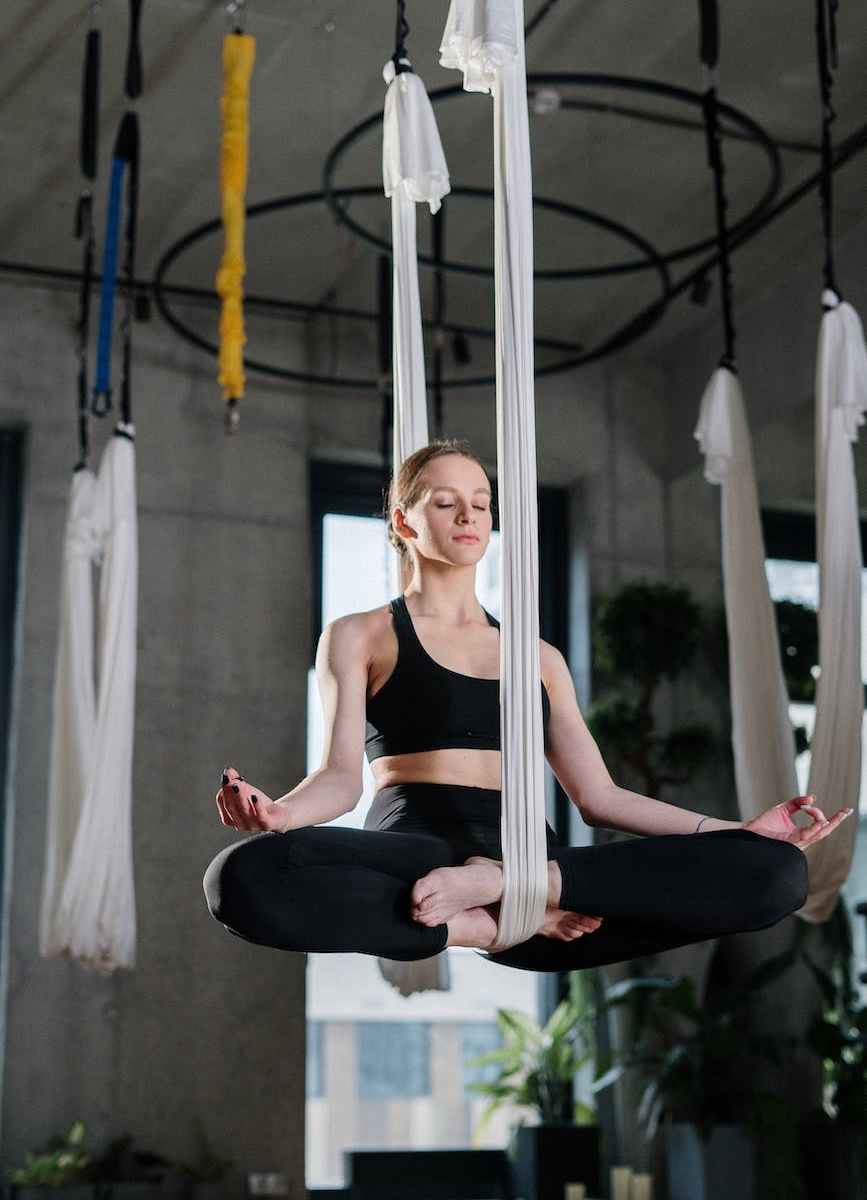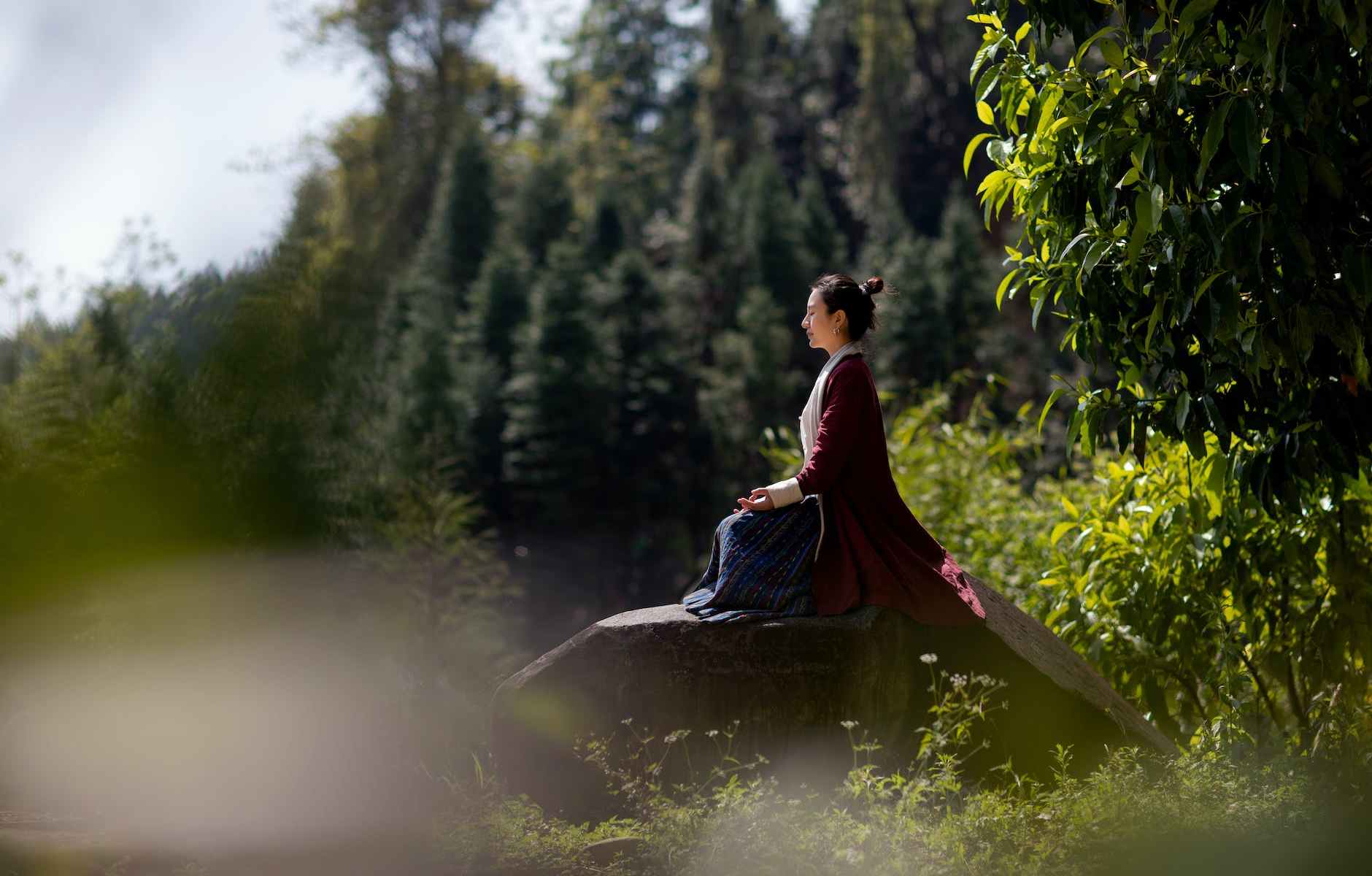
“Beyond the Pose: The Transformative Power of Yin Yoga Practice”


In the chaotic rhythm of modern existence, where the world seems to spin faster each passing day, there exists a serene sanctuary waiting to be explored.

Imagine a space where movement is deliberate, where time slows to a gentle crawl, and where the essence of profound tranquility is unveiled. This sacred realm is none other than Yin Yoga—a practice that beckons you to a world of stillness and reflection amidst life’s ceaseless whirlwind.

Yin Yoga isn’t merely a series of poses; it’s an odyssey into the heart of tranquility. It’s where the soft, lingering whispers of breath meet the quiet surrender of the body in extended postures.

This artful practice unfolds as a tapestry woven from the threads of patience and introspection, inviting you to delve into the subtleties of the self and the universe. It’s a canvas for self-discovery, offering a roadmap to inner peace in a bustling world.

Amidst the kaleidoscope of contemporary yoga practices, Yin Yoga stands as a beacon of stillness—a profound departure from the frenetic, muscle-flexing styles that dominate the scene. It dares you to slow down, to linger longer, and to explore the profound depths of your own being through the gentle stretches and quiet murmurs of the mind.

In the embrace of each posture, time morphs into a companion rather than a captor. The extended holds offer an opportunity for both body and mind to unfurl, unraveling the knots of tension accumulated in the hustle of everyday life.

It’s an invitation to witness the dance between discomfort and release, a nuanced symphony of physical sensation and mental surrender.

Yin Yoga beckons not just seasoned practitioners but also novices, inviting all into its tranquil sanctuary. It speaks a universal language, embracing men, women, and children, offering a haven where the weary find solace, the agitated discover calm, and the seekers unravel the mysteries within.

Its origin also includes all the benefits from the daily practice for men women and children.

In the fast-paced and ever-evolving world we inhabit, the ancient practice of Yin Yoga stands as a serene oasis of tranquility, offering respite to people of all ages and backgrounds. Originating in ancient China over a thousand years ago, Yin Yoga has emerged as a profound and holistic approach to physical and mental well-being.

In the heart of its gentle, contemplative postures and long-held stretches, practitioners discover a treasure trove of benefits that extend their embrace to men, women, and even children.

The roots of Yin Yoga can be traced back to the Taoist traditions, where it was primarily designed to help individuals achieve harmony between the body and the mind. Unlike its more dynamic counterpart, Yang Yoga, Yin Yoga adopts a patient and introspective approach.

By emphasizing passive postures held for extended periods, it gently stimulates deep connective tissues, enhances flexibility, and promotes a profound sense of inner calm.

But Yin Yoga isn’t just reserved for seasoned yogis or adults seeking solace in their busy lives. Its versatility knows no bounds.

benefits for men, it can be a remedy to alleviate the stressors of modern masculinity, offering a sanctuary for mental and physical rejuvenation.

Women often find it to be a powerful ally in managing the multifaceted demands of their lives, promoting emotional balance and holistic health. And even children, though naturally sprightly, can benefit from the grounding and soothing embrace of Yin Yoga, fostering mindfulness from an early age.

The practice of Yin Yoga, with its rich historical tapestry and myriad of advantages, has transcended time and culture, offering a haven of serenity and self-discovery for all who are willing to venture into its world of stillness and reflection.

So, come, join us on a journey through the tranquil realms of Yin Yoga, and unlock the timeless wisdom and vitality it has to offer.

What are all the benefits of daily practice for men women and children when practicing

Yin yoga?

Yin Yoga, with its distinctive approach to long-held, passive postures, offers a wide range of benefits for Men, Women, and Children.

Here are some of the key advantages of a daily Yin Yoga practice for each group:

Benefits for Men:

  • Stress Reduction:
  • In our fast-paced world, men often experience high levels of stress. Yin Yoga’s calming and meditative nature can help reduce stress, anxiety, and tension.
  • Improved Flexibility:
  • Yin Yoga gently stretches and releases connective tissues, promoting flexibility, which can be particularly helpful for men with tight muscles.
  • Joint Health:
  • The long, deep stretches in Yin Yoga can improve joint mobility and reduce the risk of injuries, especially for those involved in physical activities or sports.
  • Emotional Balance:
  • The practice encourages self-reflection, aiding in emotional balance and mental clarity, which can be beneficial for men navigating complex emotional landscapes.

Benefits for Women:

  • Hormonal Balance:
  • Yin Yoga is known to help regulate hormones, making it valuable for women dealing with menstrual irregularities, menopause, or hormonal fluctuations.
  • Stress Relief:
  • It can be a sanctuary for women to de-stress and manage the demands of both personal and professional life.
  • Pain Management:
  • Women often find relief from chronic pain conditions like back pain and arthritis through regular Yin Yoga practice.
  • Enhanced Circulation:
  • The postures promote blood flow and lymphatic drainage, which can be particularly beneficial for women’s health.

Benefits for Children:

  • Emotional Regulation:
  • Yin Yoga can teach children mindfulness and help them manage their emotions, fostering emotional intelligence from an early age.
  • Improved Concentration:
  • The practice encourages focus and concentration, which can be valuable for academic and daily life.
  • Body Awareness:
  • Children can develop a better understanding of their bodies, posture, and balance through Yin Yoga, aiding in physical development.
  • Better Sleep:
  • Yin Yoga can help children relax, unwind, and get a good night’s sleep, which is crucial for their growth and overall well-being.

In all cases, Yin Yoga promotes a sense of tranquility and inner peace. It can also be adapted to suit individual needs and fitness levels, making it accessible to a wide range of practitioners. Whether you’re a man, a woman, or a child, incorporating Yin Yoga into your daily routine can lead to improved physical health, emotional well-being, and a deeper connection to the self.

To find further information about Yin Yoga, its benefits, and resources for people around the world, you can explore various avenues:

  • Yoga Studios and Teachers:
  • Local yoga studios and instructors often offer Yin Yoga classes. They can provide you with in-person guidance, resources, and recommendations for further learning.
  • Online Yoga Platforms:
  • Many online yoga platforms, such as YogaGlo, Gaia, and Yoga International, offer Yin Yoga classes and instructional videos. These platforms often have extensive libraries of classes and articles related to Yin Yoga.
  • Books:
  • Consider reading books on Yin Yoga written by experienced practitioners and instructors. A well-known book on the subject is “The Complete Guide to Yin Yoga” by Bernie Clark. It provides in-depth information about the practice.
  • Websites and Blogs:
  • Explore reputable websites and blogs dedicated to yoga. They often contain articles, videos, and resources on Yin Yoga. Yoga Journal and DoYogaWithMe are great places to start.
  • YouTube:
  • YouTube hosts many Yin Yoga channels that offer free video tutorials and guided practices. Look for instructors with positive reviews and a strong background in Yin Yoga.
  • Social Media:
  • Follow Yin Yoga instructors and enthusiasts on social media platforms like Instagram and Facebook. They often share tips, inspiration, and insights into their practice.
  • Online Forums and Communities:
  • Join yoga forums and communities like Yoga Reddit or specific Yin Yoga groups on Facebook. You can ask questions, share experiences, and learn from others.
  • Yin Yoga Workshops and Retreats:
  • Keep an eye out for workshops and retreats dedicated to Yin Yoga in your area or in locations you’d like to visit. These events offer immersive learning experiences.
  • Yin Yoga Teacher Training:
  • If you’re interested in becoming a certified Yin Yoga instructor or deepening your practice, you can enroll in a Yin Yoga teacher training program. These programs are offered by experienced teachers and are available worldwide.
  • Mobile Apps:
  • Explore mobile apps dedicated to yoga and meditation. Some, like “Yoga for Beginners” or “Daily Yoga,” provide Yin Yoga sessions and guided practices.

Remember to verify the credibility of the sources you use and cross-reference information when possible. Additionally, you can check for reviews and recommendations from others in the yoga community to ensure that the resources you find are reputable and beneficial for your Yin Yoga journey.

At its core, Yin Yoga embodies the art of deliberate surrender—where the bustling world fades into the background, allowing for a deeper communion with oneself. It’s a practice that speaks volumes in the silence between breaths, inviting you to explore the nuances of your body, mind, and spirit.

Each lingering posture in Yin Yoga is an opportunity for self-exploration—a chance to untangle the knots of tension, both physical and emotional, and discover the pearls of wisdom hidden in moments of tranquility. It’s an invitation to befriend time as a companion, not as a captor, where patience and introspection open doors to profound revelations.

For the seeker of solace, the tired souls, the curious minds, and the wellness enthusiasts, Yin Yoga extends an open invitation. It’s a practice that transcends boundaries, welcoming everyone to uncover the marvels hidden in the gentle whispers of stillness.

So, if you yearn to rediscover the forgotten art of tranquility, if you seek a haven where movement finds its counterpart in stillness, if the depths of self-discovery call out to you—Yin Yoga is your compass.

Embrace the transformative journey through the realms of stillness and reflection that Yin Yoga presents. Step onto the mat, breathe, linger, and uncover the profound mysteries that await within the gentle yet potent practice of Yin Yoga. The art of tranquility and self-discovery eagerly awaits your presence.

Advertise Free

The cause of Transcendental Meditation

Transcendental Meditation.

Origins of Transcendental Meditation (TM) and Maharishi Mahesh Yogi’s Role:

The 1960s was a decade of profound cultural and social transformation, marked by a surge in interest in spirituality, alternative lifestyles, and Eastern philosophies. One of the most notable phenomena of this era was the rapid rise in popularity of Transcendental Meditation (TM), a meditation technique developed by Maharishi Mahesh Yogi. This surge in interest can be attributed to a variety of factors, including the charismatic appeal of Maharishi, the promise of personal transformation, and the endorsement of TM by several high-profile celebrities. To understand why TM became a cultural phenomenon in the 1960s, it’s essential to delve into its origins and the unique qualities that made it so appealing to a generation seeking new avenues of self-discovery.

The Mentor of Maharishi Mahesh Yogi in the 1950s:

Maharishi Mahesh Yogi’s spiritual journey was greatly influenced by his mentor, Swami Brahmananda Saraswati, also known as Guru Dev. In the 1950s, Guru Dev was a revered spiritual leader in India, known for his deep knowledge of Vedic teachings and meditation practices. Maharishi became Guru Dev’s disciple and spent several years studying under his guidance.

It was Guru Dev who imparted to Maharishi the ancient Vedic knowledge and meditation techniques that would eventually form the foundation of Transcendental Meditation (TM). Maharishi’s mission was to make these teachings accessible to people worldwide, and he set out to achieve this goal after the passing of Guru Dev.

The teachings of Guru Dev emphasized the importance of inner exploration, self-realization, and the attainment of higher states of consciousness through meditation. Maharishi Mahesh Yogi, inspired by his mentor’s wisdom, sought to create a simple and effective meditation technique that could be practiced by anyone, regardless of their background or spiritual beliefs.

The guidance and inspiration Maharishi received from Guru Dev played a crucial role in the development of Transcendental Meditation, and it was with these teachings in mind that he embarked on his journey to bring meditation to the West and the rest of the world. This spiritual lineage and connection to an esteemed mentor lent credibility and authenticity to Maharishi’s teachings, making them all the more attractive to those seeking spiritual and personal growth in the 1960s.

Transcendental Meditation (TM) was developed by Maharishi Mahesh Yogi, an Indian spiritual teacher, in the 1950s. Maharishi was a disciple of Swami Brahmananda Saraswati, also known as Guru Dev, who was a prominent spiritual leader in India. Maharishi’s mission was to bring the ancient Vedic tradition of meditation to the modern world in a simple and accessible way.

Maharishi developed TM as a specific meditation technique that could be easily taught and practiced by people from all walks of life. He believed that by transcending ordinary thought and experiencing a unique state of restful awareness, individuals could tap into their inner potential and experience profound personal growth and transformation.

Transcendental Meditation Technique:

  • 1.Mantra: TM involves the use of a specific mantra, which is a word or sound that is repeated silently in the mind during meditation. This mantra is chosen for you by a trained TM teacher and is kept secret. The mantra is a key element of TM and is used as a focal point for meditation.
  • 2.Sitting Comfortably: TM is typically practiced while sitting comfortably with your eyes closed. It is recommended to sit in a quiet place where you won’t be disturbed.
  • 3.Repetition of Mantra: During the meditation session, you repeat the mantra in your mind. Unlike other meditation techniques where you may focus on your breath or observe your thoughts, in TM, the repetition of the mantra is the primary activity.
  • 4.Effortlessness: One of the core principles of TM is effortlessness. You’re encouraged to allow thoughts to come and go without trying to control or manipulate them. The mantra is used as a means to transcend ordinary thought and reach a state of deep restful awareness.
  • 5.Duration: A typical TM session lasts for about 20 minutes and is usually practiced twice a day, once in the morning and once in the evening.

Benefits of Transcendental Meditation:

  • 1.Stress Reduction: TM is well-known for its ability to reduce stress and promote relaxation. Regular practice can help lower cortisol levels (a stress hormone) and lead to a greater sense of calm and well-being.
  • 2.Improved Focus and Concentration: TM can enhance your ability to concentrate and focus on tasks. This can be particularly beneficial for students and professionals who need to perform well in their studies or jobs.
  • 3.Enhanced Creativity: Some practitioners report increased creativity and problem-solving abilities as a result of TM. This may be due to the relaxed and clear mental state achieved during meditation.
  • 4.Better Sleep: TM can improve the quality of sleep by reducing insomnia and promoting deeper, more restful sleep.
  • 5.Reduced Anxiety: Many people find that TM helps reduce symptoms of anxiety and may even be helpful in managing anxiety disorders.
  • 6.Improved Cardiovascular Health: Research suggests that TM may have a positive impact on cardiovascular health by reducing blood pressure and the risk of heart disease.
  • 7.Increased Self-Awareness: TM can lead to a greater sense of self-awareness and self-realization, helping individuals connect with their inner selves and gain clarity about their life goals and purpose.
  • 8.Enhanced Emotional Well-being: Regular TM practice is associated with improved emotional stability and a greater sense of overall well-being.

For men and women who are interested in practicing Transcendental Meditation (TM) today, there are several options available for learning the technique, whether in-person or online. Here’s a guide on how to get started:

1. Find a Certified TM Teacher:

One of the most recommended ways to learn TM is through a certified TM teacher. These teachers have undergone extensive training and can provide personalized instruction and support. To find a TM teacher near you, you can visit the official website of the Transcendental Meditation program (TM.org) and use their search feature to locate a teacher in your area.

2. TM Centers and Retreats:

The Transcendental Meditation organization operates TM centers and retreats in many countries around the world. These centers offer introductory lectures, courses, and group meditations. Attending an introductory lecture is often the first step in learning TM. You can inquire about upcoming events and classes at your nearest TM center through their website or by contacting them directly.

3. Online TM Courses:

In recent years, the availability of online TM courses has expanded. This option allows you to learn TM from the comfort of your home while still receiving personalized instruction from a certified TM teacher. The official TM organization provides online courses, which include one-on-one video conferencing sessions with a teacher. Check the TM.org website for details on online course offerings.

4. Research and Resources:

To learn more about Transcendental Meditation and its benefits, you can explore various resources:

  • Books: There are several books written by Maharishi Mahesh Yogi and other authors that provide insights into TM and its practice. “The Science of Being and Art of Living” by Maharishi Mahesh Yogi is a classic introduction to TM.
  • Websites: The official TM website (TM.org) offers extensive information on the technique, research, and upcoming events. You can also find articles, videos, and testimonials related to TM.
  • Scientific Research: Numerous scientific studies have explored the effects of TM on various aspects of health and well-being. You can find research articles and summaries on reputable medical and scientific websites.
  • Online Communities: Joining online forums or social media groups dedicated to TM can be a great way to connect with others who practice TM, share experiences, and ask questions.

5. Local TM Community and Events:

Once you have learned TM, consider getting involved in your local TM community. Many TM centers organize group meditations, advanced courses, and events where practitioners can come together to meditate and deepen their understanding of TM.

Remember that TM is a specific meditation technique taught by certified instructors, and it is advisable to learn it through proper channels to ensure that you are practicing it correctly and reaping its full benefits. Whether you choose to learn in-person or online, Transcendental Meditation can be a valuable tool for enhancing your well-being and promoting inner peace and clarity in your life.

It’s important to note that TM is typically taught by certified instructors through a structured program that includes personalized instruction and follow-up sessions. This personalized instruction is one of the key elements that distinguish TM from other meditation techniques. To learn TM, it’s recommended to seek out a trained TM teacher who can provide you with proper guidance and instruction.

Good luck with your journey to Success and Happiness.

Yoga Benefits For Women.

What Are The Yoga Benefits For Women?

Yoga offers a multitude of significant benefits for women, both physically and mentally. It is a holistic practice that encompasses postures, breathing techniques, and meditation, which collectively promote overall well-being. Here are some of the significant benefits of yoga for women:

1. Stress Reduction: Yoga provides an excellent means of stress relief. It encourages mindfulness, relaxation, and deep breathing, which can help women manage the stressors of daily life. The practice of yoga reduces the production of stress hormones like cortisol and activates the relaxation response, leading to a calmer state of mind.

2. Improved Flexibility: Yoga involves a series of asanas (postures) that gently stretch and elongate muscles and connective tissues. Over time, regular practice can significantly improve flexibility, making daily activities easier and reducing the risk of injury.

3. Enhanced Strength: Many yoga poses require you to support your body weight or hold positions for extended periods. This results in increased muscle strength, particularly in the core, arms, legs, and back. This added strength can help women with day-to-day tasks and improve posture.

4. Pain Management: Yoga can be beneficial for managing various types of pain, including menstrual cramps, lower back pain, and joint pain. Gentle stretching and strengthening exercises in yoga can alleviate discomfort and improve overall physical comfort.

5. Hormonal Balance: Some yoga poses stimulate and massage the endocrine glands, helping to balance hormonal levels. This can be particularly beneficial for women dealing with hormonal fluctuations during menstruation, pregnancy, or menopause.

6. Better Posture: Yoga encourages awareness of body alignment and balance. Over time, this awareness can lead to improved posture, reducing the risk of developing musculoskeletal problems and enhancing self-confidence.

7. Weight Management: While yoga alone may not result in significant weight loss, it can contribute to a healthy lifestyle. It promotes mindfulness and conscious eating, making it easier for women to make healthier food choices and maintain a healthy weight.

8. Mental Health: Yoga is known for its positive impact on mental health. It can reduce symptoms of anxiety, depression, and insomnia. Regular practice fosters a sense of calm, emotional stability, and improved self-esteem, making it an excellent complement to therapy or medication when necessary.

9. Menstrual Health: Yoga can alleviate menstrual discomfort and irregularities by increasing blood flow to the pelvic region, reducing cramps, and calming the nervous system. Specific poses like Supta Baddha Konasana and Balasana are particularly helpful during menstruation.

10. Pelvic Floor Health: Many yoga poses focus on strengthening the pelvic floor muscles, which can help with bladder control, support reproductive organs, and improve sexual function.

11. Pre- and Post-Natal Benefits: Prenatal yoga can help women maintain fitness, reduce stress, and prepare their bodies for childbirth. Postnatal yoga aids in regaining strength and flexibility after pregnancy and can provide a supportive community for new mothers.

12. Enhanced Digestion: Certain yoga poses, like twists and forward bends, stimulate the digestive organs, aiding in better digestion and regular bowel movements.

13. Community and Support: Joining a yoga class can provide women with a sense of community and support, fostering connections and friendships that contribute to overall well-being.

14. Anti-Aging Benefits: Regular yoga practice can improve skin health by increasing blood circulation, reducing stress-related wrinkles, and promoting a youthful glow.

15. Self-Care: Yoga promotes self-care and self-awareness, encouraging women to take time for themselves and prioritize their mental and physical health.

It’s important to note that the benefits of yoga for women may vary depending on individual needs, fitness levels, and specific health concerns. Women should consult with a qualified yoga instructor or healthcare provider to tailor their practice to their unique requirements and ensure that they practice safely.