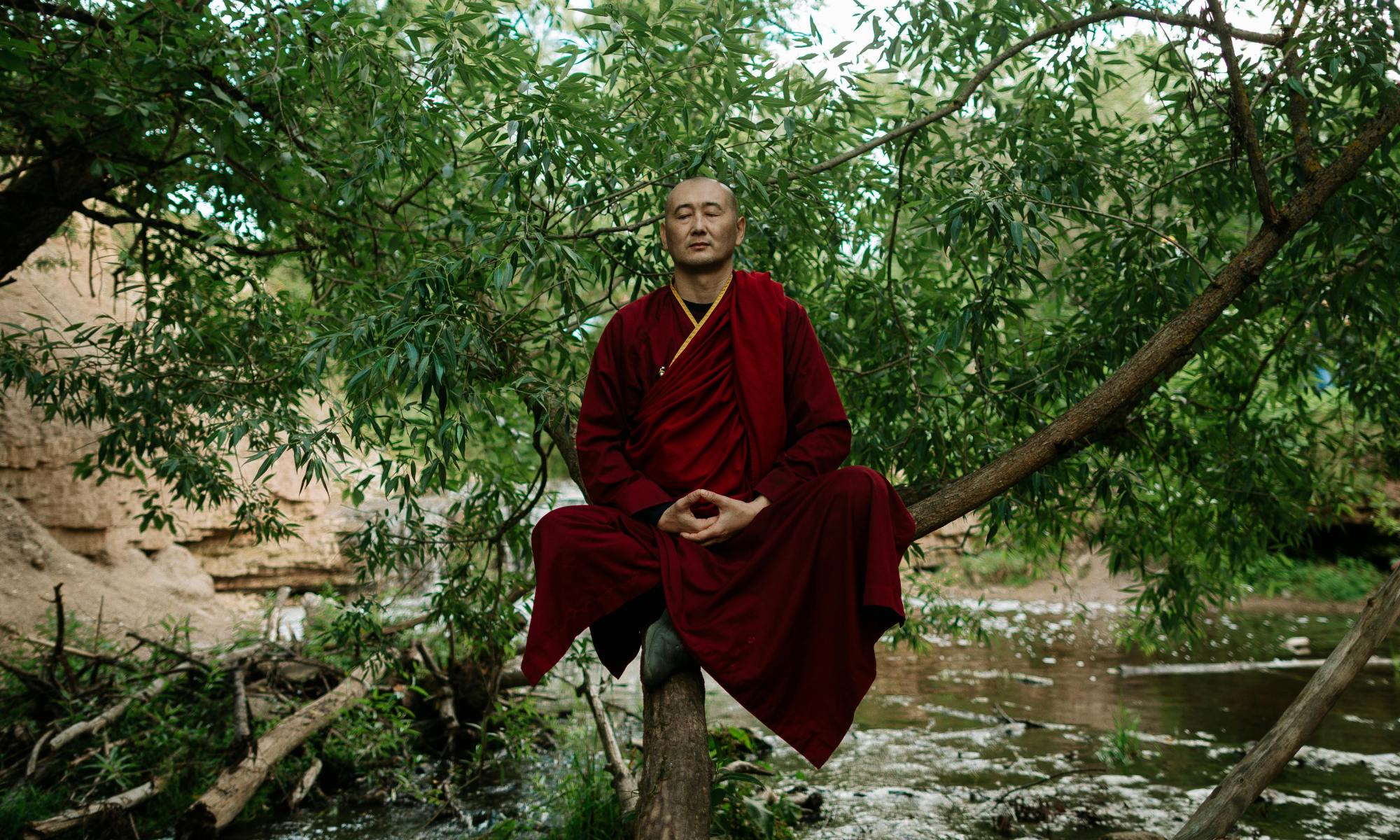
Japa Meditation: The Power of Sacred Repetition

Introduction

Life at times may feel like a struggle and finding inner peace can feel like a challenge. “Don’t give up”. Many people seek ways to calm their minds, reduce stress, and develop a deeper connection to their spiritual selves. One ancient technique that has stood the test of time is Japa Meditation. This practice involves chanting or repeating a sacred mantra. It brings focus, clarity, and a sense of profound peace.

Japa Meditation is often linked with spiritual disciplines and mindfulness practices that help cultivate inner stability and balance. The process involves continuous repetition of a mantra. This mantra can be a single syllable, a phrase, or the sacred name of a deity. This technique is widely used in Hinduism, Buddhism, and other spiritual traditions worldwide. Unlike silent meditation, Japa engages both the voice and the mind. This dual engagement makes it easier to maintain concentration and block out distractions.

Japa Meditation offers a simple yet powerful method. It helps cultivate mindfulness, spiritual awakening, and inner harmony. This is true whether you are new to meditation or looking to deepen your spiritual practice. This guide explores its historical roots, purposes, benefits, and practical ways to integrate it into your life.


The History of Japa Meditation

Japa Meditation has its roots in ancient Hindu, Buddhist, and Jain traditions, dating back thousands of years. The Sanskrit word “Japa” means “muttering” or “repetition,” reflecting the meditative act of continuously reciting a mantra. Mantras are sacred sounds or phrases believed to possess spiritual energy and transformative power.

This practice is closely linked to Vedic traditions. It was used as a means of focusing the mind. It also invoked divine energies and deepened one’s connection to higher realms of consciousness. The Upanishads, Bhagavad Gita, and various Hindu scriptures highlight the significance of Japa as a path to spiritual liberation.

In Hinduism, Japa Meditation is often linked with Bhakti Yoga (the path of devotion). It is also related to Raja Yoga (the path of meditation) and Jnana Yoga (the path of knowledge). Many spiritual leaders, monks, and sages have emphasized the power of Japa in attaining self-realization and enlightenment. It is also widely practiced in Tibetan Buddhism, where specific mantras are recited to cultivate wisdom and compassion.

One of the most well-known mantras in Japa Meditation is the “Om Mani Padme Hum” mantra in Tibetan Buddhism. It is believed to invoke the blessings of Avalokiteshvara, the Buddha of Compassion. Similarly, in Hinduism, the “Hare Krishna” mantra is widely used for spiritual awakening. The “Om Namah Shivaya” mantra is also frequently used for divine connection.

Over time, Japa Meditation has transcended religious boundaries. It is now embraced by people of various backgrounds for its calming and transformative effects.


Purpose and Benefits of Japa Meditation

The primary purpose of Japa Meditation is to quiet the mind, awaken spiritual awareness, and center the spirit. Practitioners repeat a mantra continuously. This helps them attune their consciousness to higher vibrations. They align themselves with peace, wisdom, and positivity.

Purpose of Japa Meditation

  • Spiritual Connection: Helps individuals connect with divine consciousness and inner truth.
  • Mind Control: Trains the mind to remain focused, reducing distractions and negative thoughts.
  • Emotional Balance: Encourages a peaceful and stable state of mind, reducing reactivity to stress.
  • Manifestation and Intention Setting: Enhances the power of affirmations and intentions.
  • Energy Cleansing: Clears mental, emotional, and spiritual blockages.

Key Benefits of Japa Meditation

  • Reduces Stress and Anxiety: The rhythmic chanting of a mantra helps calm the nervous system. It lowers cortisol levels and alleviates stress and anxiety.
  • Enhances Concentration and Focus: Repetition of a mantra trains the mind to stay present, improving mental clarity and decision-making.
  • Promotes Emotional Healing: Mantras are powerful vibrational tools that help replace negative thought patterns with uplifting and affirming energy.
  • Supports Spiritual Growth: This practice fosters a deeper sense of connection to higher consciousness and inner wisdom.
  • Encourages Mindfulness and Inner Peace: The repetition of a mantra anchors awareness in the present moment. It helps to cultivate serenity and gratitude.
  • Improves Sleep Quality: Many practitioners report that Japa Meditation before bed helps them fall asleep faster and sleep more deeply.
  • Boosts Self-Confidence: Strengthening one’s inner connection through Japa often leads to a more positive self-image. It also results in a greater sense of empowerment.

Personal Experiences and Reviews

Many practitioners of Japa Meditation have reported profound changes in their lives. Here are some testimonials from individuals who have found transformation through this practice:

“Japa Meditation has been a game-changer for me. It has helped me manage my anxiety and find a sense of inner calm. My mornings now begin with a mantra, and I feel more centered throughout the day.” – Maria K.

“I was struggling with negative thoughts and restlessness. Practicing Japa Meditation daily has brought a sense of clarity and purpose to my life. It’s incredible how something so simple can create such a powerful impact.” – David L.

“Since incorporating Japa into my routine, my spiritual awareness has deepened. I feel more in tune with my intuition and experience a greater sense of gratitude.” – Priya S.


Additional Resources for Japa Meditation

If you’re interested in exploring Japa Meditation further, here are some resources to help you deepen your practice:

Books:

  • “Japa Yoga: The Ancient Science of Mantra Chanting” by Swami Sivananda
  • “The Heartfulness Way: Heart-Based Meditations for Spiritual Transformation” by Kamlesh D. Patel
  • “The Power of Mantra & The Mystery of Initiation” by Pandit Rajmani Tigunait

Online Support and Communities:

  • YouTube Channels: Offering guided Japa meditations and mantra chanting sessions.
  • Yoga947 Community: Engage with like-minded individuals who practice Japa and other forms of meditation.
  • Meditation Apps: Such as Insight Timer, Headspace, and Sattva for guided Japa sessions.

Conclusion

Japa Meditation is a timeless practice that offers profound benefits for the mind, body, and spirit. Whether you seek peace, clarity, or spiritual growth, integrating mantra repetition into your daily routine can be a transformative experience.

Are you ready to start your journey with Japa Meditation? Try a simple mantra today and experience the serenity it brings. Share your experiences in the comments below, or explore more meditation practices on our Yoga947 blog!

Additionally, we are working on a comprehensive eBook on Japa Meditation! Stay tuned for its release on Yoga947.com, where we will explore step-by-step techniques, advanced practices, and personalized guidance for deepening your meditation journey!

Transform Your Mind: Types of Sounds for Meditation


Introduction: The Healing Symphony of Sound

For centuries, humans have turned to sound as a way of connecting with their inner selves and the universe. Ancient cultures understood that sound has the power to transcend ordinary experience. It leads individuals into states of spiritual awakening, mental clarity, and physical rejuvenation. Across traditions, sound was a sacred tool in the hands of spiritual guides and healers. African sound traditions have played a significant role in ancient and traditional meditation practices. Drums, vocal chants, and rhythmic music were used to connect with the spiritual world, community, and self.

Spiritual leaders used vibrational chants in Vedic India. They employed the soothing resonance of gongs in ancient China. They also utilized the thunderous drums in Native American ceremonies.

In the modern era, sound has been rediscovered as a transformative force. It helps people reduce stress, find inner peace, and experience emotional freedom. This ancient practice has evolved into what we now call sound meditation. In this practice, soundscapes—whether from nature, instruments, chants, or digital frequencies—play a central role in centering the mind and body.

At Yoga947, we are passionate about exploring these powerful practices, with a focus on sound and crystal meditation. This article dives into the world of sound meditation, from its scientific foundations to practical techniques you can try. Whether you’re seeking calm, clarity, or a deeper spiritual journey, sound meditation offers a powerful pathway to self-discovery.


1. The Science of Sound in Meditation: Why Sound Resonates with the Mind and Body

Sound meditation isn’t just about hearing pleasant sounds. It taps into how sound waves affect our brain and body on a fundamental level.

  • Sound and Brainwaves
    Different sounds and rhythms can alter brainwave states, guiding the mind into relaxation or focus. When we hear certain frequencies, like the gentle hum of a Tibetan bowl, our brainwaves can slow down. They shift from the active Beta state into the calm Alpha. They can also enter meditative Theta or even sleep-inducing Delta states. This change allows the mind to quiet down and enter a state of deep peace and presence.
  • The Role of Vibration
    Sound travels through our bodies, causing cells and tissues to vibrate subtly. This resonance can alleviate tension and stimulate physical relaxation. Studies have shown that specific frequencies can lead to cellular rejuvenation, giving sound meditation a powerful healing quality.
  • Sound’s Connection to Emotion
    Sound triggers our limbic system, the emotional center of our brain. Think about how music can bring tears, make us laugh, or energize us. Sound meditation uses this connection to calm the mind, uplift the spirit, and bring emotional release.
  • Resonance and Chakra Alignment
    In many traditions, sound is used to balance energy centers, or chakras. Each chakra resonates with a particular frequency. Certain sounds or instruments can trigger or harmonize these energy points. This brings an experience of wholeness and alignment.

2. The Different Types of Sound Used in Meditation

a. Natural Sounds: Earth’s Music

Natural sounds hold a timeless appeal, helping to ground us and connect us to the world around us. Research even suggests that natural sounds can reduce stress and increase feelings of well-being.

  • Ocean Waves and Water
    The rhythmic, soothing quality of waves mimics our breathing pattern and heart rate. When meditating with ocean sounds, you find it easier to relax, letting go of anxiety.
  • Forest Ambience and Rain
    Forest sounds evoke a primal sense of security. Rain has a lulling, consistent rhythm. It quiets mental noise and helps the mind sink into a calm state.
  • Wind and Whispering Leaves
    These sounds encourage a soft, attentive awareness. They make it easier to focus on the breath and clear away intrusive thoughts.

b. Instrumental Sounds: Tools of Ancient Cultures

Instrumental sounds, especially those from ancient traditions, bring a profound depth to meditation.

  • Tibetan and Crystal Bowls
    Tibetan and crystal singing bowls have been used for centuries by monks and healers. Their resonant frequencies match human energy fields, helping clear blockages and balance chakras.
  • Gongs and Chimes
    Gongs create a deep, immersive soundscape that encourages inner exploration. Chimes, on the other hand, create bright, high-pitched tones that can lift your energy and create mental clarity.
  • Drums and Rhythmic Instruments
    Drumming creates a grounding effect. It helps to center your attention. It synchronizes your heartbeat with a steady, calming rhythm. It’s often used in shamanic traditions for connecting to the Earth.
  • Practical Tips for Beginners
    Beginners should start with one instrument at a time. They can focus on the sound’s rise and fall. Alternatively, they can breathe with each tone. This practice allows a deep connection with the sound and promotes a peaceful mind.

c. Vocal Sounds and Chants: The Power of the Human Voice

Chants and vocal sounds, like OM and AH, bring their unique vibration to meditation.

  • Primal Tones and Their Effects
    OM, for instance, is often called the universal sound. It is said to represent the vibration of the universe. When chanted, it resonates through the body, creating a feeling of unity.
  • Cultural and Spiritual Chants
    Many cultures have sacred chants. Examples include the HU in Sufism and various mantras in Hindu and Buddhist traditions. These chants amplify vibrational energy, leading to emotional and spiritual clarity.
  • Using Chants in Personal Practice
    To start chanting, begin with simple sounds, letting each syllable resonate deeply. Experimenting with different tones can reveal which sounds help you reach the most centered and calm state.

d. Binaural Beats and Isochronic Tones: Sound Technology for Meditation

Modern sound technology, such as binaural beats and isochronic tones, uses specific sound patterns to induce meditation.

  • Brainwave Entrainment
    Binaural beats are created by playing two slightly different frequencies in each ear. These beats guide brainwaves into specific states. Isochronic tones, by contrast, use pulsing sounds to achieve the same effect.
  • Choosing Frequencies for Different Needs
    Frequencies around 7-8 Hz (Theta) are ideal for deep relaxation. On the other hand, 10 Hz (Alpha) is suitable for alert relaxation. Lower frequencies can be used for deeper meditative and sleep states.
  • Using Binaural Beats Safely
    Start with short sessions if you are new to binaural beats. Choose a quiet environment. Consider using headphones, as this helps create the full effect.

e. Personalized Sounds and Creating Your Sound Meditation Journey

Personalized sounds—whether a favorite song, voice, or environment—can enhance the meditation experience.

  • The Role of Familiar Sounds
    Certain sounds or songs evoke a sense of peace unique to you. Integrating these familiar sounds into meditation can make the experience feel more profound.
  • Building a Personalized Sound Routine
    Experiment with different sounds and observe your response. Over time, you can create a unique sound routine. This routine should align with your specific goals, whether it’s relaxation, energy, or insight.

3. Sound Meditation Techniques and Tips: Practicing with Intention

  • Setting Intentions
    Before beginning a sound meditation, set an intention that aligns with your goal. Are you seeking clarity, relaxation, or emotional release? Focusing on a purpose gives direction to your practice.
  • Creating Your Sound Space
    Arrange your meditation space to reduce external noise. Ensure you have comfortable seating. Consider using quality headphones or speakers for clarity.
  • Beginner-Friendly Techniques
    Start by focusing on a single sound and noticing its layers, rhythm, and resonance. Allow your breath to sync with the sound’s rhythm for a deeper effect.
  • Advanced Techniques for Sound Enthusiasts
    Once comfortable, try adding periods of silence to contrast the sound. You can also use multiple sounds to enhance spatial awareness. This helps deepen focus.

4. Conclusion and Benefits Recap: Sound as a Path to Inner Peace

Sound meditation is a versatile tool that promotes mental clarity, emotional release, and spiritual connection. Sound can transport us, calming the mind, soothing the body, and elevating our spirit. At Yoga947, we believe in the power of sound as a path to self-discovery and inner peace. For those looking to deepen their journey, Mind Lake Academy offers guided meditation programs. These programs help you explore sound meditation in an enriching, supportive environment.

To deepen your journey with sound meditation, here are several valuable resources and communities where you can explore more about sound, frequencies, and meditation practices:

 Support and Resources for Sound Meditation

1. Meditation Apps with Sound Libraries
  • Insight Timer: This app offers a vast collection of free and premium sound meditation tracks. It includes guided sessions with Tibetan bowls, gongs, nature sounds, and binaural beats. You can explore sessions for sleep, relaxation, and focused breathing, and it’s easy to connect with like-minded practitioners.
  • Calm and Headspace: They offer a variety of soundscapes. The guided meditations incorporate calming soundtracks and binaural beats. These enhance your meditation experience.
2. Online Courses and Workshops
  • Mind Lake Academy: Mind Lake Academy offers personalized guidance. Their structured approach to sound meditation includes courses with experts. These courses focus on sound, frequencies, and the art of meditation. It’s a great place to start if you’re interested in exploring sound healing or building a deeper, consistent practice.
  • Udemy and Coursera: These platforms often feature sound healing and meditation courses. Practitioners who specialize in using sound tools like singing bowls, chimes, and gongs lead these courses. Look for highly-rated courses that align with your interests.
3. Books on Sound and Meditation
  • “Healing Sounds: The Power of Harmonics” by Jonathan Goldman: This book is a guide to the science of sound. It also delves into the spirituality of sound. It explains how sound vibrations influence the body and mind.
  • “The Power of Sound: How to Be Healthy and Productive Using Music and Sound” by Joshua Leeds. This book examines sound as a therapeutic tool. It explores these uses thoroughly. It offers insights into the healing potential of sound. It also explores practical ways to integrate sound into your wellness routine.
4. YouTube Channels and Online Communities
  • Yoga947: Our own channel is dedicated to providing crystal meditation. It also focuses on sound healing and mindfulness practices. These practices align with your spiritual journey. We aim to help you discover new sounds and techniques to deepen your meditation.
  • Sound Healing Networks and Facebook Groups: Many online communities focus on sound healing. These networks allow you to connect with others. You can share resources and discuss the effects of different sounds and meditation practices.
5. Local Meditation Centers and Sound Baths
  • Sound Baths: Many yoga and wellness studios offer sound bath sessions that incorporate instruments like Tibetan bowls, gongs, and chimes. Attending a sound bath can be an immersive experience that complements your at-home meditation.
  • Meditation Centers: Many meditation centers offer sound-focused classes or workshops. These can be a great way to learn about sound meditation in a community setting.
By exploring these resources, you can continue your journey with sound meditation. Discover tools, techniques, and communities that resonate with your goals. Remember, each experience with sound meditation is unique, and there are endless ways to explore its transformative effects.

Ready to deepen your meditation journey through the power of sound? You may be new to sound meditation. Or you’re looking to expand your practice. Exploring different sounds can open up transformative possibilities for peace. It can also foster focus and emotional healing. At Yoga947, we’re here to support your journey with insightful resources, crystal meditation practices, and expert guidance.

Elevate your practice with the resources available through Mind Lake Academy. You can access structured courses and find a supportive community of like-minded practitioners. Discover how sound meditation can help you find balance. It can enhance your spiritual growth. It also creates a life of calm and clarity.

Let’s embrace the transformative power of sound together! Follow us at Yoga947 for more insights and start your sound meditation journey today. 🌟