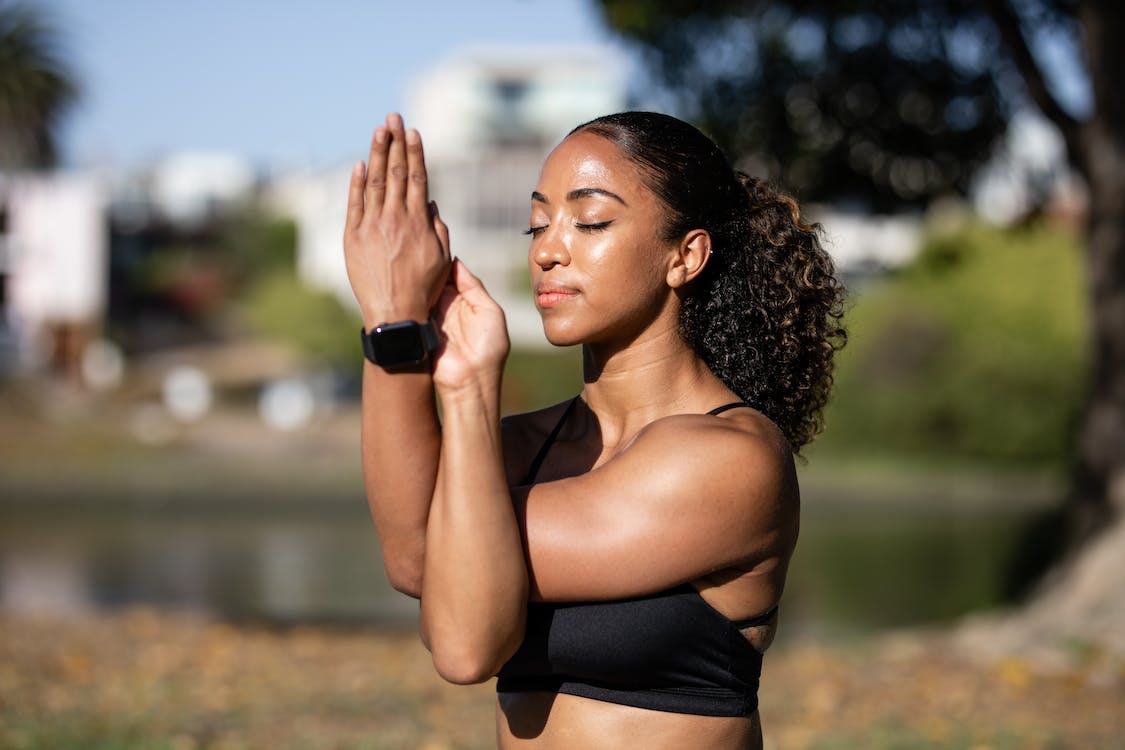
Explore the Benefits of Inner Child Meditation

Introduction to Inner Child Meditation

Inner Child Meditation is a profound and transformative mindfulness practice. It helps individuals reconnect with the childlike part of themselves. This part still holds joy, pain, vulnerability, curiosity, and unmet needs. This practice is based on the principles of psychotherapy and spiritual self-inquiry. It invites a gentle exploration of early emotional wounds. The goal is to cultivate healing, compassion, and self-love.

The term “inner child” gained popularity in the 20th century. This was notably due to the work of psychologist Carl Jung. He referred to it as the “Divine Child” archetype. The structured practice of Inner Child Meditation began to take shape in the 1980s and 1990s. This development was due to the work of therapists and spiritual teachers like John Bradshaw and Charles Whitfield. Since then, the practice has evolved, merging with mindfulness techniques, breathwork, guided imagery, and even somatic therapies.

A Brief History and Evolution

The psychological concept of the inner child has been around for nearly a century. However, the meditative approach to connecting with this inner part is relatively modern. In the 1980s, interest in childhood trauma and emotional neglect surged. This led to therapeutic models that emphasized the importance of re-parenting oneself. Inner Child Meditation was soon embraced by both psychological and spiritual communities as a method of self-healing.

Today, it is practiced worldwide by therapists, yoga practitioners, life coaches, and spiritual seekers. It often forms part of a broader journey of shadow work, trauma recovery, or personal growth.

Benefits of Inner Child Meditation

Engaging with the inner child can have profound emotional, psychological, and even physical benefits. Some of the most commonly reported benefits include:

  • Emotional Healing: Helps resolve feelings of abandonment, shame, or neglect from childhood.
  • Self-Compassion: Cultivates a gentler, more loving relationship with oneself.
  • Improved Relationships: By healing early attachment wounds, individuals often experience more fulfilling adult relationships.
  • Empowerment: Encourages the reclaiming of lost creativity, playfulness, and confidence.
  • Stress Reduction: Like many meditative practices, it promotes nervous system regulation and emotional grounding.

Case Studies

Case Study 1: Lucy’s Story – Reclaiming Joy

Lucy, a 34-year-old yoga teacher, began practicing Inner Child Meditation during a yoga teacher training retreat. She realized she had long suppressed her creativity after being ridiculed as a child for “being too much.” Through weekly guided meditations, she began visualizing and comforting her younger self. Over several months, she found herself more expressive, began painting again, and reported feeling more “whole” and emotionally free.

Case Study 2: Daniel’s Journey – Healing the Father Wound

Daniel, a 40-year-old engineer, struggled with feelings of unworthiness and emotional distance in relationships. His therapist introduced him to Inner Child Meditation as a way to explore his strained relationship with his father. Over six months, he practiced daily visualizations, journaling dialogues with his inner child, and breathwork. He eventually found forgiveness and a sense of inner safety, which led to improved communication with his own children.

Case Study 3: Jenny’s Practice – From Anxiety to Calm

Jenny, a trauma survivor, experienced chronic anxiety and insomnia. Traditional talk therapy helped. However, she noticed significant shifts only after adding Inner Child Meditation to her nightly routine. Through consistent practice, including soft music, affirmations, and self-holding techniques, her sleep improved, and her panic attacks lessened. She credits the practice with restoring a “lost sense of innocence and peace.”

Final Thoughts

Inner Child Meditation is not just a healing tool; it’s a journey of remembering. It’s a pathway back to the core of who we are before the world told us who to be. Whether practiced in silence or through visualization, journaling, or guided sessions, connecting with your inner child can awaken buried joy. It can also transform wounds into wisdom.

At Yoga947, we honor this sacred practice as part of the holistic journey toward emotional, spiritual, and physical wellness. If you haven’t explored Inner Child Meditation yet, this is your invitation to begin.

Try This: A Short Guided Inner Child Meditation

You may wish to find a quiet, safe space for this practice. Sit or lie down comfortably. Gently close your eyes and take a few deep breaths in through the nose… and out through the mouth.

Step 1: Grounding

“Feel the weight of your body supported by the earth. Let go of tension in your jaw, shoulders, and belly. Breathe deeply and gently.”

Step 2: Meet Your Inner Child

“Now, bring to mind an image of yourself as a child. You picture a specific age, or a time when you needed love and reassurance. What do they look like? How do they feel?”

Step 3: Connect with Compassion

“Approach this younger version of yourself with kindness. Let them know you are here now. Say something loving: ‘I see you. I hear you. I am here for you. You are safe with me.’

Step 4: Embrace

“Imagine giving your inner child a warm hug. Let them know they are never alone. Stay here for a few more breaths, letting this feeling of love and safety fill your heart.”

Step 5: Return

“Now gently bring your attention back to your breath… back to the present moment. Wiggle your fingers and toes, and when you’re ready, open your eyes.”

Take a few moments to journal or simply notice how you feel.


 Ready to Begin Your Inner Child Journey?

At Yoga947, we believe deep healing begins within. That’s why we offer meditations, resources, and support to help you explore practices like Inner Child Healing in a safe, nurturing space.


Additional Resources for Practicing Inner Child Meditation

To deepen your journey, explore the following:

Books:

  • “Homecoming: Reclaiming and Championing Your Inner Child” by John Bradshaw
  • “Healing the Child Within” by Charles L. Whitfield
  • “Recovery of Your Inner Child” by Lucia Capacchione

Apps & Audio:

  • Insight Timer – Offers free inner child meditations by various teachers
  • Calm and Headspace – Search for inner child or self-compassion meditations
  • YouTube Channels – Look for guided sessions by therapists like Lisa A. Romano or meditation teachers like Sarah Blondin

Key Takeaways: Inner Child Meditation at a Glance

  • Inner Child Meditation reconnects you with your past to heal your present.
  • Origins: Based on psychological theories, popularized in the 1980s.
  • Benefits: Emotional healing, stress relief, better relationships, greater self-love.
  • Practice: Guided meditations, journaling, and visualization techniques.
  • Real Impact: Case studies show transformative effects in just weeks or months.
  • Resources: Books, apps, and courses are widely available to support your journey.

Your inner child is always waiting for you to return. Will you listen? Begin your journey today with Yoga947.

Silva Method

My Day Alpha 3-2-1 Method.

The Jose Silva 3-2-1 Method, also known as the Silva Method, is a self-help and personal development technique created by Jose Silva in the 1960s. This method is designed to tap into the power of the mind and improve various aspects of life by using relaxation, visualization, and intuition development techniques. Emphasizing the alpha level of mind—a relaxed and receptive state of consciousness—the Silva Method aims to enhance focus, reduce stress, and aid in goal setting and achievement. This practice has been utilized by individuals seeking self-improvement, stress reduction, and personal growth by harnessing the innate abilities of the mind to positively influence their lives. Through a combination of relaxation exercises, mental programming, and intuitive development, the Silva Method offers a holistic approach to empower individuals in achieving their goals and fostering personal well-being.

Here are some of the benefits of practicing the Jose Silva 3 -2- 1 method:

  • 1. Stress Reduction:
    • One of the primary benefits of the Silva 3 to 1 method is its ability to help reduce stress. The method involves relaxation exercises, deep breathing, and visualization techniques, all of which can promote a sense of calm and relaxation. By regularly practicing these techniques, individuals can manage stress more effectively and reduce the negative impact it has on their physical and mental health.
    • 2. Improved Focus and Concentration:
  • The Silva Method emphasizes the use of visualization and mental imagery to improve focus and concentration. By regularly practicing these techniques, individuals can enhance their ability to concentrate on tasks, set clear goals, and stay motivated to achieve them. This can lead to increased productivity and better decision-making
  • 3. Enhanced Problem-Solving Skills:
    • The method encourages creative problem-solving by engaging the intuitive mind. Silva practitioners are taught to tap into their intuition and use it to find solutions to various challenges. This can be particularly useful in situations where logical thinking alone may not provide a satisfactory answer.
  • 4. Better Self-Confidence:
    • The Silva 3 to 1 method incorporates exercises that boost self-confidence and self-esteem. By using positive affirmations and visualization techniques, individuals can overcome self-doubt and develop a more positive self-image. Increased self-confidence can have a significant impact on personal and professional success.
  • 5. Improved Health and Well-Being:
    • Regular practice of the Silva Method is believed to promote physical and mental well-being. The relaxation techniques can help reduce the risk of stress-related illnesses, such as hypertension and anxiety disorders. Additionally, improved mental focus and emotional balance can contribute to better overall health.
  • 6. Enhanced Intuition:
    • Jose Silva’s method places a strong emphasis on developing and trusting one’s intuition. Through meditation and guided exercises, individuals can learn to access their intuitive insights more readily. This can be valuable in decision-making, problem-solving, and navigating life’s challenges.
  • 7. Goal Achievement:
    • The Silva Method teaches individuals how to set and achieve their goals effectively. By using visualization techniques and mental rehearsals, practitioners can program their subconscious minds to work towards their desired outcomes. This can lead to greater success in various areas of life, including career, relationships, and personal development.
  • 8. Increased Mind-Body Connection:
    • Silva’s approach encourages individuals to recognize and harness the connection between their thoughts and physical well-being. This can lead to improved health and a greater sense of control over one’s body.
  • The Silva Method emphasizes the use of visualization and mental imagery to improve focus and concentration. By regularly practicing these techniques, individuals can enhance their ability to concentrate on tasks, set clear goals, and stay motivated to achieve them. This can lead to increased productivity and better decision-making.

It’s important to note that while many people have reported positive experiences with the Silva 3 to 1 method, its effectiveness can vary from person to person. The benefits mentioned above are anecdotal and based on personal accounts. As with any self-help or personal development practice, individual results may depend on factors such as commitment to regular practice, belief in the method, and the specific goals of the practitioner.

The Silva Method is a self-help and personal development program that is based on the belief that individuals can harness the power of their mind to achieve their goals and improve various aspects of their lives. The method is rooted in several key principles and techniques, including:

Mindful Yoga

  • Relaxation:
    • Central to the Silva Method is the concept of deep relaxation. Practitioners are taught to enter a deep state of relaxation, often referred to as the “alpha level” of mind, which is associated with a calm and receptive state of consciousness. This relaxation is achieved through techniques such as deep breathing and progressive muscle relaxation.
  • Visualization:
    • Visualization is a fundamental component of the Silva Method. Practitioners are encouraged to use their creative imagination to visualize their desired outcomes. This involves mentally rehearsing the achievement of their goals, whether they are related to personal development, health, career, or relationships.
  • Mental Programming:
    • The method teaches individuals how to use positive affirmations and statements to program their subconscious mind. By repeating affirmations and focusing on positive thoughts, practitioners aim to replace negative beliefs and self-doubt with constructive and empowering beliefs.
  • Intuition Development:
    • Silva Method practitioners are guided in developing their intuition and relying on it for decision-making and problem-solving. Techniques are taught to help individuals access intuitive insights and trust their inner guidance.
  • Goal Setting:
    • The Silva Method emphasizes setting clear, specific, and achievable goals. Practitioners are encouraged to write down their goals, visualize their attainment, and use mental programming to facilitate goal achievement.
  • Mind-Body Connection:
    • This method acknowledges the connection between thoughts and physical well-being. Techniques are designed to promote health and healing by using the power of the mind to influence the body’s healing processes.

The Silva Method typically involves attending seminars, workshops, or using self-guided audio programs to learn and practice these techniques. Participants are guided through exercises that help them reach a state of deep relaxation, access their intuitive mind, and apply these skills to various aspects of their life, such as improving health, achieving goals, reducing stress, and enhancing personal development.

The method’s effectiveness is often attributed to the idea that when the mind is in a relaxed and focused state, it is more receptive to positive suggestions and can better manifest desired outcomes. However, it’s essential to recognize that individual results may vary, and the Silva Method, like many personal development practices, relies on the individual’s commitment to regular practice and belief in its principles.

The Silva Method, as a holistic and self-help practice, has not been widely studied or subjected to extensive scientific research in the same way that medical treatments or therapeutic interventions often are. Therefore, there is limited scientific evidence to support its effectiveness. However, there are some studies and research areas related to the individual components of the method, such as relaxation, visualization, and meditation, which have been examined in scientific literature. Here are some relevant points:

  • Relaxation and Stress Reduction:
    • Various studies have established the benefits of relaxation techniques, including reduced stress and anxiety. For example, a review published in the journal “JAMA Internal Medicine” in 2014 found that mindfulness meditation, which shares some similarities with the Silva Method in terms of relaxation, can lead to reductions in anxiety, depression, and pain.
    • While not specific to the Silva Method, these findings support the idea that relaxation practices can have positive effects on mental well-being.
  • Visualization and Goal Achievement:
    • The concept of visualization and mental imagery is used in sports psychology to enhance athletic performance. Studies in this field suggest that mental rehearsal and visualization can improve athletes’ skills and outcomes.
    • Research published in the “Journal of Applied Sport Psychology” in 2011 found that athletes who used mental imagery, including visualizing successful outcomes, had better performance results compared to those who did not.
  • Meditation and Brain Function:
    • Meditation practices, including elements of the Silva Method such as deep relaxation and focused awareness, have been the subject of extensive scientific investigation. Research in this area has shown that meditation can have positive effects on brain function, stress reduction, and overall well-being.
    • A study published in “Psychological Science” in 2012 indicated that regular meditation practices can lead to improved attention and memory.

While these studies provide some insight into the potential benefits of the individual components of the Silva Method, it’s important to note that the method itself, as developed by Jose Silva, may involve a unique combination of techniques and principles that have not been thoroughly examined in the scientific literature.

The effectiveness of the Silva Method may also depend on individual beliefs and experiences. Many people report positive outcomes from practicing the method, but personal experiences can be highly subjective and influenced by a range of factors. Therefore, while there may be scientific support for certain aspects of the method, it remains a self-help practice that may be more effective for some individuals than others.

While there is limited scientific research on the Silva Method, there are numerous anecdotal reports and case studies from individuals who have found it to have a positive impact on their lives. Here are a few practical examples and case studies to illustrate how the method has positively influenced people:

  • Improved Academic Performance (1980s):
    • In the 1980s, a case study documented the experiences of several students who used the Silva Method to improve their academic performance. They reported increased concentration, reduced exam anxiety, and enhanced memory retention. These students achieved higher grades and were better equipped to handle the academic pressures of their courses.
  • Enhanced Creativity and Problem-Solving (1990s):
    • During the 1990s, a marketing consultant used the Silva Method to boost creativity and problem-solving skills. By practicing visualization and relaxation techniques, he found that he could approach challenges with a more creative mindset. This led to the development of innovative marketing strategies and improved client satisfaction.
  • Stress Reduction and Health Benefits (2000s):
    • A case study from the early 2000s featured a group of individuals who practiced the Silva Method to manage stress. They reported lower stress levels, improved sleep quality, and a decrease in stress-related health issues. Some participants saw a reduction in blood pressure and felt more relaxed and healthier overall.
  • Entrepreneurial Success (2010s):
    • In the 2010s, an aspiring entrepreneur used the Silva Method to build his business from the ground up. By regularly setting and visualizing his business goals, programming his mind for success, and tapping into his intuition, he achieved significant business growth and financial success.
  • Improved Athletic Performance (2020s):
    • In the early 2020s, an amateur triathlete employed the Silva Method to enhance his athletic performance. Through visualization and mental rehearsal, he improved his swimming, biking, and running techniques. He reported that his race times steadily decreased, and he qualified for several major triathlon events, attributing his success to the mental training he learned from the Silva Method.

These case studies illustrate how the Silva Method has been applied over several decades to positively impact various aspects of people’s lives. While they are anecdotal and reflect individual experiences, they showcase how individuals have harnessed the principles and techniques of the Silva Method for personal development, stress reduction, health improvement, creativity, and goal achievement. The method has a longstanding history of being used as a tool for self-improvement and personal growth by people from different walks of life.

Here are some additional resources related to the Silva Method for readers who wish to explore the topic further:

Books:

  1. “The Silva Mind Control Method” by Jose Silva and Philip Miele – This is one of the foundational books on the Silva Method, written by its creator, Jose Silva.
  2. “Silva Ultramind ESP System” by Jose Silva and Laura Silva – This book focuses on using the Silva Method to develop extrasensory perception (ESP) and intuition.

Websites and Online Resources:

  1. Silva Method Official Website – The official website provides information about workshops, courses, and resources related to the Silva Method.
  2. Silva Method on Mindvalley – Mindvalley offers online courses and programs related to personal development, including the Silva Method.

Potential Limitations and Criticisms:

  1. Skeptic’s Dictionary: Silva Mind Control – This resource provides a skeptical perspective on the Silva Method, highlighting some criticisms and limitations.
  2. Scientific American: The Silva Mind Control Method – An article from Scientific American that discusses the lack of scientific support for the Silva Method.

These resources offer a range of perspectives and information to help you explore the Silva Method in greater depth, from both its proponents and skeptics. It’s essential to approach the topic with a well-rounded understanding, considering the potential benefits as well as any limitations or criticisms.

In summary, the Silva 3-2-1 Method, a holistic approach to personal development, offers techniques such as relaxation, visualization, and intuitive development to empower individuals in achieving their goals and improving their well-being. While individual experiences may vary, the method provides valuable tools for stress reduction, goal setting, and enhanced focus. Encouraging an open mind and consistent practice, exploring the Silva 3-2-1 Method may lead to a deeper understanding of one’s inner potential. I encourage readers to explore further resources, workshops, or courses to delve into this method and consider integrating its principles into their lives for personal growth and a more balanced lifestyle.

Get your Yoga Accessories

Namaste my friends!

Find Balance and Happiness through Breathing

Anulom Vilom Pranayama: The Ancient Breathing Technique for Modern Well-being.

Anulom Vilom Pranayama, also known as Nadi Shodhana or alternate nostril breathing, is a popular and ancient yogic breathing technique that has its roots in the Indian tradition of yoga and Ayurveda. This practice involves alternating the breath between the left and right nostrils in a specific pattern. Anulom Vilom Pranayama is deeply intertwined with the principles of balance and harmony, which are fundamental in yoga and Ayurvedic philosophy.

Origin: The practice of Anulom Vilom Pranayama can be traced back to the ancient texts of yoga and Ayurveda, particularly the Hatha Yoga Pradipika and the Gheranda Samhita. These texts provide detailed instructions on how to perform the technique, emphasizing its benefits in purifying the nadis (energy channels) in the body and balancing the energy flow. It is said that by harmonizing the breath through this practice, one can bring equilibrium to the body and mind.

Table of Contents

  • Introduction
  • Origins of Anulom Vilom Pranayama
  • The Science Behind Anulom Vilom Pranayama
  • How to Practice Anulom Vilom Pranayama
  • Benefits of Anulom Vilom Pranayama for Women
  • Benefits of Anulom Vilom Pranayama for Men
  • Incorporating Anulom Vilom Pranayama into Your Daily Life
  • Anulom Vilom Pranayama and Modern Health
  • Conclusion

Introduction

In a world filled with hustle and bustle, stress and anxiety, the search for inner peace and overall well-being has led many to explore ancient practices rooted in Eastern traditions. One such practice that has gained prominence in recent years is Anulom Vilom Pranayama, also known as alternate nostril breathing. This yogic breathing technique, which originates from the heart of India’s rich yoga and Ayurveda traditions, has become a source of solace and vitality for countless individuals in today’s fast-paced world.

Anulom Vilom Pranayama is more than just a simple breathing exercise; it is a profound method for restoring harmony within the mind, body, and spirit. With a history that stretches back millennia, this practice has been treasured for its ability to reduce stress, enhance respiratory health, boost concentration, and promote emotional balance. Its benefits extend to both women and men, and its simplicity makes it accessible to anyone willing to embark on the journey to better health and inner peace.

In this exploration, we will delve into the origins of Anulom Vilom Pranayama, the science that underpins its effectiveness, the step-by-step guide on how to practice it, and the manifold benefits it offers to women and men in their daily lives. As we navigate this journey, we will discover that this ancient practice is as relevant today as it was thousands of years ago.

1. Origins of Anulom Vilom Pranayama

The roots of Anulom Vilom Pranayama can be traced back to the ancient Indian texts on yoga and Ayurveda, which serve as a treasure trove of wisdom about holistic well-being. This breathing technique is deeply ingrained in these traditions, with the Hatha Yoga Pradipika and the Gheranda Samhita, two seminal texts, offering detailed insights into its practice and benefits.

Anulom Vilom Pranayama, often referred to as Nadi Shodhana (meaning “nerve purification”), finds its essence in the principle of balance. According to yoga and Ayurveda, the human body is an intricate network of energy channels, or nadis, through which prana, the vital life force, flows. It is believed that when these nadis are congested or imbalanced, it leads to physical and mental ailments. Anulom Vilom aims to restore equilibrium in these nadis, facilitating the harmonious flow of prana.

In the yogic tradition, balance is a cornerstone of well-being, and Anulom Vilom is viewed as a means of achieving this balance. The practice involves alternating the breath between the left and right nostrils in a specific pattern, thereby ensuring that both sides of the body and brain are in sync.

2. The Science Behind Anulom Vilom Pranayama

Anulom Vilom Pranayama may have its origins in ancient wisdom, but its effectiveness has been substantiated by modern science. Research has shown that the practice of this breathing technique has a profound impact on the body and mind. Here are some of the scientific principles that underpin the efficacy of Anulom Vilom Pranayama:

Regulation of the Autonomic Nervous System:

Anulom Vilom Pranayama, with its controlled and deliberate breathing, helps balance the autonomic nervous system. It activates the parasympathetic nervous system, responsible for rest and relaxation, while calming the sympathetic nervous system, responsible for the fight-or-flight response. This balance promotes a state of calm and reduces stress.

Improved Respiratory Function:

By regulating the breath, Anulom Vilom enhances lung capacity and efficiency. It encourages deep, diaphragmatic breathing, which is known to improve oxygen uptake, making it a valuable practice for individuals with respiratory conditions.

Enhanced Brain Function:

The alternating pattern of breath in Anulom Vilom Pranayama stimulates both hemispheres of the brain, promoting balance and coherence. This can enhance cognitive function, focus, and mental clarity.

Hormonal Balance:

The practice is believed to have a positive influence on the endocrine system, helping regulate hormones. For women, this can be particularly beneficial for managing menstrual and menopausal issues.

Emotional Well-being:

Anulom Vilom Pranayama induces a state of tranquility and emotional balance. It has been found to reduce levels of stress hormones like cortisol, while increasing the production of mood-regulating neurotransmitters.

Improved Digestion:

The stimulation of the digestive organs during this practice can promote better digestion and metabolism, benefiting overall digestive health.

Detoxification:

Anulom Vilom is believed to cleanse the nadis, removing toxins from the body. While this is described in Ayurvedic terms, it is analogous to the idea of enhancing the body’s natural detoxification processes.

3. How to Practice Anulom Vilom Pranayama

Learning how to practice Anulom Vilom Pranayama correctly is essential to derive its full benefits. Here’s a step-by-step guide to performing this breathing technique:

Step A: Prepare Yourself

Begin by finding a quiet and clean space where you can sit comfortably. The ideal posture is a cross-legged position (Sukhasana) or the lotus pose (Padmasana), but you can also sit on a chair with your feet flat on the ground if that’s more comfortable. Sit with your back straight, and your hands resting on your knees with the palms facing upward.

Step B: Close Your Eyes

Gently close your eyes to minimize external distractions and enhance your focus on the breath and inner sensations.

Step C: Hand Position

Use your right thumb to close your right nostril and your right ring finger to close your left nostril.

Step D: Start with Exhalation

Begin by exhaling through both nostrils to empty your lungs completely.

Step E: Inhale Through the Left Nostril

Close your right nostril with your thumb and inhale slowly and deeply through your left nostril. Feel the breath filling your lungs and expanding your chest.

Step F: Pause for a Moment

At the end of your inhalation, close both nostrils momentarily, allowing the breath to settle within you.

Step G: Exhale Through the Right Nostril

Release your right nostril and close your left nostril with your ring finger. Exhale slowly and completely through your right nostril.

Step H: Inhale Through the Right Nostril

Close your left nostril and inhale deeply through your right nostril. Again, pause briefly at the end of the inhalation.

Step I : Exhale Through the Left Nostril

Release your left nostril and close your right nostril. Exhale slowly through your left nostril.

Step J : Complete One Cycle

This completes one full cycle of Anulom Vilom Pranayama. To continue, repeat the process by inhaling through the left nostril and then alternating with each cycle.

Step K : Set a Duration

Set a duration for your practice. Beginners may start with 5-10 minutes and gradually extend the duration as they become more comfortable with the practice.

Step L : End Gently

When you’re ready to conclude your practice, finish with an exhalation through your left nostril. Then, release both nostrils and breathe naturally for a few moments before opening your eyes.

4. Benefits of Anulom Vilom Pranayama for Women

Anulom Vilom Pranayama offers a range of specific benefits for women, making it a valuable practice for various stages of life. Here are some of the advantages:

Hormonal Balance:

Anulom Vilom Pranayama is known to help regulate hormonal imbalances. This can be particularly beneficial for women experiencing menstrual irregularities, premenstrual syndrome (PMS), and menopausal symptoms. The practice aids in reducing mood swings and discomfort associated with hormonal fluctuations.

Stress Management for Women:

Women often juggle multiple responsibilities, which can lead to increased stress levels. Anulom Vilom’s calming effect on the nervous system can help women manage stress and anxiety, promoting emotional well-being.

Menstrual Disorders:

The practice may alleviate menstrual disorders like dysmenorrhea (painful menstruation) and menorrhagia (heavy menstrual bleeding) by promoting better hormonal balance and reducing stress.

Menopause:

Anulom Vilom Pranayama can ease the physical and emotional symptoms of menopause, including hot flashes, mood swings, and sleep disturbances.

Fertility Support:

For women trying to conceive, this practice may enhance fertility by reducing stress and balancing hormones. Improved Energy Flow: By balancing the flow of prana in the body, Anulom Vilom Pranayama can increase overall vitality and well-being, providing women with the energy they need to fulfill their roles and responsibilities.

Emotional Well-being:

The practice’s calming influence helps women navigate the emotional challenges they face in daily life, leading to greater emotional resilience.

5. Benefits of Anulom Vilom Pranayama for Men

Anulom Vilom Pranayama also offers numerous benefits for men, contributing to their physical and mental well-being in several ways:

Stress Reduction: In a world where stress is often a constant companion, Anulom Vilom Pranayama provides a powerful tool for stress management. Men can benefit from this practice to enhance their emotional well-being and mental clarity.

Improved Respiratory Health:

Anulom Vilom enhances lung function and oxygen uptake, which can be particularly valuable for men involved in physically demanding activities and sports.

Focus and Concentration:

Men in high-pressure jobs or those requiring intense focus can benefit from improved concentration and cognitive function through this practice.

Enhanced Athletic Performance:

The practice can aid athletes by increasing lung capacity and oxygenation, contributing to improved endurance and performance.

Hormonal Balance:

Men experiencing hormonal imbalances, such as those related to thyroid or adrenal function, may find relief through Anulom Vilom Pranayama.

Emotional Resilience:

For men who may struggle with emotional control, this practice helps manage mood swings and temper, promoting emotional resilience and balance.

Vitality and Well-being:

Anulom Vilom Pranayama promotes overall vitality and energy, helping men maintain their health and vigor as they age.

6. Incorporating Anulom Vilom Pranayama into Your Daily Life

Now that we’ve explored the rich history and numerous benefits of Anulom Vilom Pranayama, the next step is to incorporate this practice into your daily routine. Here are some tips to help you make Anulom Vilom a consistent and effective part of your life:

Find a Quiet Space: Choose a peaceful and clean space where you can practice without distractions.

Set a Regular Schedule: Establish a specific time for your practice. Consistency is key to reaping the benefits.

Start Slow: If you’re new to Anulom Vilom, begin with 5-10 minutes per day and gradually extend the duration as you become more comfortable.

Listen to Your Body: Pay attention to your body’s signals. If you feel dizzy, lightheaded, or uncomfortable, pause your practice and resume when you feel ready.

Seek Guidance: If you’re uncertain about your technique or have specific health concerns, consider learning Anulom Vilom Pranayama from a qualified yoga instructor or practitioner.

Combine with Asanas: Anulom Vilom can be incorporated into your yoga routine. Practicing asanas (yoga postures) before or after Anulom Vilom can enhance its benefits.

Gradually Extend Duration: As you become more experienced, you can extend your practice to 15-20 minutes or longer. Some practitioners find immense benefits in longer sessions.

Make It a Habit: Integrate Anulom Vilom Pranayama into your daily life as a habit, much like brushing your teeth or having a meal. Over time, it will become an effortless and beneficial part of your daily routine.

Anulom Vilom Pranayama and Modern Health

In our modern, fast-paced world, the advantages of Anulom Vilom Pranayama are particularly significant. It provides a sanctuary of calm amidst the chaos and a respite from the stress and strain of daily life. Here are some ways in which this ancient practice aligns with contemporary health and well-being:

Stress Management:

Stress is a common concern in the modern world. Anulom Vilom Pranayama’s ability to reduce stress and anxiety is a powerful tool for maintaining mental and emotional well-being in the face of daily challenges.

Respiratory Health:

Given the prevalence of respiratory issues, such as asthma and pollution-related concerns, the practice of Anulom Vilom can help individuals maintain healthy lung function and improve their respiratory well-being.

Digital Detox:

Our lives are intertwined with digital devices, leading to “screen fatigue” and overstimulation. Anulom Vilom Pranayama provides a much-needed break from the digital world, allowing individuals to reconnect with their inner selves.

Work-Life Balance:

The practice encourages a sense of balance and equilibrium, which is crucial for achieving a healthy work-life balance.

Mental Clarity:

In a world filled with information overload, Anulom Vilom Pranayama helps individuals regain mental clarity and focus, making it easier to navigate daily tasks and decision-making.

Emotional Resilience: Emotional well-being is a growing concern, and this practice can enhance emotional resilience, helping individuals cope with the emotional roller coaster of modern life.

Conclusion

Anulom Vilom Pranayama, an ancient breathing technique deeply rooted in the traditions of yoga and Ayurveda, is a valuable asset in today’s fast-paced world. It offers a multitude of benefits for both women and men, addressing the challenges they face in their daily lives, from stress and anxiety to hormonal imbalances and emotional well-being.

As we navigate the demands of modern life, practices like Anulom Vilom provide a pathway to balance, tranquility, and vitality. It’s a reminder that the wisdom of the ancients continues to illuminate the path to well-being and inner peace in the contemporary world. By incorporating Anulom Vilom Pranayama into our daily lives, we can harness its timeless benefits and journey towards a healthier, happier, and more balanced existence.

Incorporating Anulom Vilom Pranayama into your daily routine is an investment in your well-being. It provides a sanctuary of calm amidst the chaos of everyday life. Setting aside a few minutes each day to practice this technique can have a profound impact. Whether it’s for stress reduction, improved focus, enhanced respiratory health, hormonal balance, or emotional resilience, the benefits are numerous and diverse.

The steps to practice Anulom Vilom are simple, and it can be easily integrated into your daily life. Finding a quiet space, dedicating a specific time, and starting slowly are key steps. With regular practice and gradual progression, you can make this ancient technique a consistent and invaluable part of your routine.

Embracing Anulom Vilom Pranayama is not just about adding another task to your day; it’s a commitment to your overall well-being. It’s an opportunity to find balance, tranquility, and vitality in a world that often feels overwhelming. By giving yourself the gift of this practice, you open the door to a healthier, happier, and more balanced life.

In a world where stress, emotional turmoil, and physical health concerns are prevalent, Anulom Vilom Pranayama stands as a timeless remedy. It’s an invitation to weave a thread of serenity into the fabric of your daily life. Take the step today and embark on this journey towards a more balanced, peaceful, and resilient existence. Your well-being deserves this ancient gift of harmony—embrace Anulom Vilom Pranayama and breathe in the fullness of life.

Advertise Free

The cause of Transcendental Meditation

Transcendental Meditation.

Origins of Transcendental Meditation (TM) and Maharishi Mahesh Yogi’s Role:

The 1960s was a decade of profound cultural and social transformation, marked by a surge in interest in spirituality, alternative lifestyles, and Eastern philosophies. One of the most notable phenomena of this era was the rapid rise in popularity of Transcendental Meditation (TM), a meditation technique developed by Maharishi Mahesh Yogi. This surge in interest can be attributed to a variety of factors, including the charismatic appeal of Maharishi, the promise of personal transformation, and the endorsement of TM by several high-profile celebrities. To understand why TM became a cultural phenomenon in the 1960s, it’s essential to delve into its origins and the unique qualities that made it so appealing to a generation seeking new avenues of self-discovery.

The Mentor of Maharishi Mahesh Yogi in the 1950s:

Maharishi Mahesh Yogi’s spiritual journey was greatly influenced by his mentor, Swami Brahmananda Saraswati, also known as Guru Dev. In the 1950s, Guru Dev was a revered spiritual leader in India, known for his deep knowledge of Vedic teachings and meditation practices. Maharishi became Guru Dev’s disciple and spent several years studying under his guidance.

It was Guru Dev who imparted to Maharishi the ancient Vedic knowledge and meditation techniques that would eventually form the foundation of Transcendental Meditation (TM). Maharishi’s mission was to make these teachings accessible to people worldwide, and he set out to achieve this goal after the passing of Guru Dev.

The teachings of Guru Dev emphasized the importance of inner exploration, self-realization, and the attainment of higher states of consciousness through meditation. Maharishi Mahesh Yogi, inspired by his mentor’s wisdom, sought to create a simple and effective meditation technique that could be practiced by anyone, regardless of their background or spiritual beliefs.

The guidance and inspiration Maharishi received from Guru Dev played a crucial role in the development of Transcendental Meditation, and it was with these teachings in mind that he embarked on his journey to bring meditation to the West and the rest of the world. This spiritual lineage and connection to an esteemed mentor lent credibility and authenticity to Maharishi’s teachings, making them all the more attractive to those seeking spiritual and personal growth in the 1960s.

Transcendental Meditation (TM) was developed by Maharishi Mahesh Yogi, an Indian spiritual teacher, in the 1950s. Maharishi was a disciple of Swami Brahmananda Saraswati, also known as Guru Dev, who was a prominent spiritual leader in India. Maharishi’s mission was to bring the ancient Vedic tradition of meditation to the modern world in a simple and accessible way.

Maharishi developed TM as a specific meditation technique that could be easily taught and practiced by people from all walks of life. He believed that by transcending ordinary thought and experiencing a unique state of restful awareness, individuals could tap into their inner potential and experience profound personal growth and transformation.

Transcendental Meditation Technique:

  • 1.Mantra: TM involves the use of a specific mantra, which is a word or sound that is repeated silently in the mind during meditation. This mantra is chosen for you by a trained TM teacher and is kept secret. The mantra is a key element of TM and is used as a focal point for meditation.
  • 2.Sitting Comfortably: TM is typically practiced while sitting comfortably with your eyes closed. It is recommended to sit in a quiet place where you won’t be disturbed.
  • 3.Repetition of Mantra: During the meditation session, you repeat the mantra in your mind. Unlike other meditation techniques where you may focus on your breath or observe your thoughts, in TM, the repetition of the mantra is the primary activity.
  • 4.Effortlessness: One of the core principles of TM is effortlessness. You’re encouraged to allow thoughts to come and go without trying to control or manipulate them. The mantra is used as a means to transcend ordinary thought and reach a state of deep restful awareness.
  • 5.Duration: A typical TM session lasts for about 20 minutes and is usually practiced twice a day, once in the morning and once in the evening.

Benefits of Transcendental Meditation:

  • 1.Stress Reduction: TM is well-known for its ability to reduce stress and promote relaxation. Regular practice can help lower cortisol levels (a stress hormone) and lead to a greater sense of calm and well-being.
  • 2.Improved Focus and Concentration: TM can enhance your ability to concentrate and focus on tasks. This can be particularly beneficial for students and professionals who need to perform well in their studies or jobs.
  • 3.Enhanced Creativity: Some practitioners report increased creativity and problem-solving abilities as a result of TM. This may be due to the relaxed and clear mental state achieved during meditation.
  • 4.Better Sleep: TM can improve the quality of sleep by reducing insomnia and promoting deeper, more restful sleep.
  • 5.Reduced Anxiety: Many people find that TM helps reduce symptoms of anxiety and may even be helpful in managing anxiety disorders.
  • 6.Improved Cardiovascular Health: Research suggests that TM may have a positive impact on cardiovascular health by reducing blood pressure and the risk of heart disease.
  • 7.Increased Self-Awareness: TM can lead to a greater sense of self-awareness and self-realization, helping individuals connect with their inner selves and gain clarity about their life goals and purpose.
  • 8.Enhanced Emotional Well-being: Regular TM practice is associated with improved emotional stability and a greater sense of overall well-being.

For men and women who are interested in practicing Transcendental Meditation (TM) today, there are several options available for learning the technique, whether in-person or online. Here’s a guide on how to get started:

1. Find a Certified TM Teacher:

One of the most recommended ways to learn TM is through a certified TM teacher. These teachers have undergone extensive training and can provide personalized instruction and support. To find a TM teacher near you, you can visit the official website of the Transcendental Meditation program (TM.org) and use their search feature to locate a teacher in your area.

2. TM Centers and Retreats:

The Transcendental Meditation organization operates TM centers and retreats in many countries around the world. These centers offer introductory lectures, courses, and group meditations. Attending an introductory lecture is often the first step in learning TM. You can inquire about upcoming events and classes at your nearest TM center through their website or by contacting them directly.

3. Online TM Courses:

In recent years, the availability of online TM courses has expanded. This option allows you to learn TM from the comfort of your home while still receiving personalized instruction from a certified TM teacher. The official TM organization provides online courses, which include one-on-one video conferencing sessions with a teacher. Check the TM.org website for details on online course offerings.

4. Research and Resources:

To learn more about Transcendental Meditation and its benefits, you can explore various resources:

  • Books: There are several books written by Maharishi Mahesh Yogi and other authors that provide insights into TM and its practice. “The Science of Being and Art of Living” by Maharishi Mahesh Yogi is a classic introduction to TM.
  • Websites: The official TM website (TM.org) offers extensive information on the technique, research, and upcoming events. You can also find articles, videos, and testimonials related to TM.
  • Scientific Research: Numerous scientific studies have explored the effects of TM on various aspects of health and well-being. You can find research articles and summaries on reputable medical and scientific websites.
  • Online Communities: Joining online forums or social media groups dedicated to TM can be a great way to connect with others who practice TM, share experiences, and ask questions.

5. Local TM Community and Events:

Once you have learned TM, consider getting involved in your local TM community. Many TM centers organize group meditations, advanced courses, and events where practitioners can come together to meditate and deepen their understanding of TM.

Remember that TM is a specific meditation technique taught by certified instructors, and it is advisable to learn it through proper channels to ensure that you are practicing it correctly and reaping its full benefits. Whether you choose to learn in-person or online, Transcendental Meditation can be a valuable tool for enhancing your well-being and promoting inner peace and clarity in your life.

It’s important to note that TM is typically taught by certified instructors through a structured program that includes personalized instruction and follow-up sessions. This personalized instruction is one of the key elements that distinguish TM from other meditation techniques. To learn TM, it’s recommended to seek out a trained TM teacher who can provide you with proper guidance and instruction.

Good luck with your journey to Success and Happiness.

Yoga Benefits For Women.

What Are The Yoga Benefits For Women?

Yoga offers a multitude of significant benefits for women, both physically and mentally. It is a holistic practice that encompasses postures, breathing techniques, and meditation, which collectively promote overall well-being. Here are some of the significant benefits of yoga for women:

1. Stress Reduction: Yoga provides an excellent means of stress relief. It encourages mindfulness, relaxation, and deep breathing, which can help women manage the stressors of daily life. The practice of yoga reduces the production of stress hormones like cortisol and activates the relaxation response, leading to a calmer state of mind.

2. Improved Flexibility: Yoga involves a series of asanas (postures) that gently stretch and elongate muscles and connective tissues. Over time, regular practice can significantly improve flexibility, making daily activities easier and reducing the risk of injury.

3. Enhanced Strength: Many yoga poses require you to support your body weight or hold positions for extended periods. This results in increased muscle strength, particularly in the core, arms, legs, and back. This added strength can help women with day-to-day tasks and improve posture.

4. Pain Management: Yoga can be beneficial for managing various types of pain, including menstrual cramps, lower back pain, and joint pain. Gentle stretching and strengthening exercises in yoga can alleviate discomfort and improve overall physical comfort.

5. Hormonal Balance: Some yoga poses stimulate and massage the endocrine glands, helping to balance hormonal levels. This can be particularly beneficial for women dealing with hormonal fluctuations during menstruation, pregnancy, or menopause.

6. Better Posture: Yoga encourages awareness of body alignment and balance. Over time, this awareness can lead to improved posture, reducing the risk of developing musculoskeletal problems and enhancing self-confidence.

7. Weight Management: While yoga alone may not result in significant weight loss, it can contribute to a healthy lifestyle. It promotes mindfulness and conscious eating, making it easier for women to make healthier food choices and maintain a healthy weight.

8. Mental Health: Yoga is known for its positive impact on mental health. It can reduce symptoms of anxiety, depression, and insomnia. Regular practice fosters a sense of calm, emotional stability, and improved self-esteem, making it an excellent complement to therapy or medication when necessary.

9. Menstrual Health: Yoga can alleviate menstrual discomfort and irregularities by increasing blood flow to the pelvic region, reducing cramps, and calming the nervous system. Specific poses like Supta Baddha Konasana and Balasana are particularly helpful during menstruation.

10. Pelvic Floor Health: Many yoga poses focus on strengthening the pelvic floor muscles, which can help with bladder control, support reproductive organs, and improve sexual function.

11. Pre- and Post-Natal Benefits: Prenatal yoga can help women maintain fitness, reduce stress, and prepare their bodies for childbirth. Postnatal yoga aids in regaining strength and flexibility after pregnancy and can provide a supportive community for new mothers.

12. Enhanced Digestion: Certain yoga poses, like twists and forward bends, stimulate the digestive organs, aiding in better digestion and regular bowel movements.

13. Community and Support: Joining a yoga class can provide women with a sense of community and support, fostering connections and friendships that contribute to overall well-being.

14. Anti-Aging Benefits: Regular yoga practice can improve skin health by increasing blood circulation, reducing stress-related wrinkles, and promoting a youthful glow.

15. Self-Care: Yoga promotes self-care and self-awareness, encouraging women to take time for themselves and prioritize their mental and physical health.

It’s important to note that the benefits of yoga for women may vary depending on individual needs, fitness levels, and specific health concerns. Women should consult with a qualified yoga instructor or healthcare provider to tailor their practice to their unique requirements and ensure that they practice safely.

Top 20 Yoga Styles.

The diversity in these Yoga styles allows individuals to find a practice that resonates with them, whether seeking physical fitness, mental clarity, emotional healing, spiritual growth, or a combination of these elements. Together, these practices provide a comprehensive view of Yoga’s ability to positively influence all aspects of human life.

Top 20 Yoga Practices

  • 1.    Hatha Yoga:
    • Details: Hatha is often considered the foundational practice of Yoga. It includes gentle postures (asanas) and breathing techniques (pranayama) that are perfect for beginners.
    • Impact: By enhancing physical strength, flexibility, and mental calmness, Hatha Yoga can improve overall well-being, reduce stress, and serve as an excellent introduction to other types of Yoga.
  • 2.     Vinyasa Yoga:
    • Details: Vinyasa is characterized by seamless transitions between postures, coordinated with breath. It’s fluid, graceful, and often vigorous.
    • Impact: Vinyasa’s continuous flow can boost cardiovascular health, improve coordination, and enhance mental focus, making it suitable for those looking to integrate mindfulness into a robust physical practice.
  • 3.    Ashtanga Yoga:
    • Details: Ashtanga is a challenging and systematic series of poses performed in a specific order. It’s physically demanding and requires discipline.
    • Impact: Practitioners often experience increased stamina, strength, and flexibility, making it suitable for those seeking an intense physical workout that also fosters self-discipline and perseverance.
  • 4. Kundalini Yoga:
    • Details: Kundalini combines postures, meditation, chanting, and breathwork to awaken the spiritual energy within.
    • Impact: It offers profound spiritual growth, enhances self-awareness, and often leads to personal transformation and a deeper understanding of one’s purpose in life.
  • 5. Iyengar Yoga:
    • Details: Iyengar focuses on alignment and precision, often using props like belts and blocks to assist in perfecting poses.
    • Impact: Ideal for therapeutic purposes, Iyengar’s meticulous attention to alignment can aid rehabilitation, improve posture, and increase flexibility and balance.
  • 6. Bikram/Hot Yoga:
    • Details: Performed in a heated room, Bikram follows a sequence of 26 poses. The heat facilitates deeper stretching and promotes sweating.
    • Impact: Bikram’s intensity can improve flexibility, stamina, and detoxification, making it suitable for those looking to challenge themselves physically and mentally.
  • 7. Yin Yoga:
    • Details: Yin involves holding passive poses for extended periods to stretch connective tissues.
    • Impact: By allowing time for deep reflection and relaxation, Yin enhances flexibility, calms the mind, and fosters an introspective awareness that permeates daily life.
  • 8. Restorative Yoga:
    • Details: This gentle practice uses props to support complete relaxation in each pose, often held for several minutes.
    • Impact: Restorative Yoga’s focus on relaxation can significantly reduce stress and anxiety, aiding in sleep and emotional balance, and providing a restful break in a busy lifestyle.
  • 9. Prenatal Yoga:
    • Details: Tailored for pregnant women, this practice supports the body’s changes during pregnancy and prepares for childbirth.
    • Impact: By strengthening the body, enhancing flexibility, and providing emotional support, Prenatal Yoga can be a nurturing practice for expectant mothers.
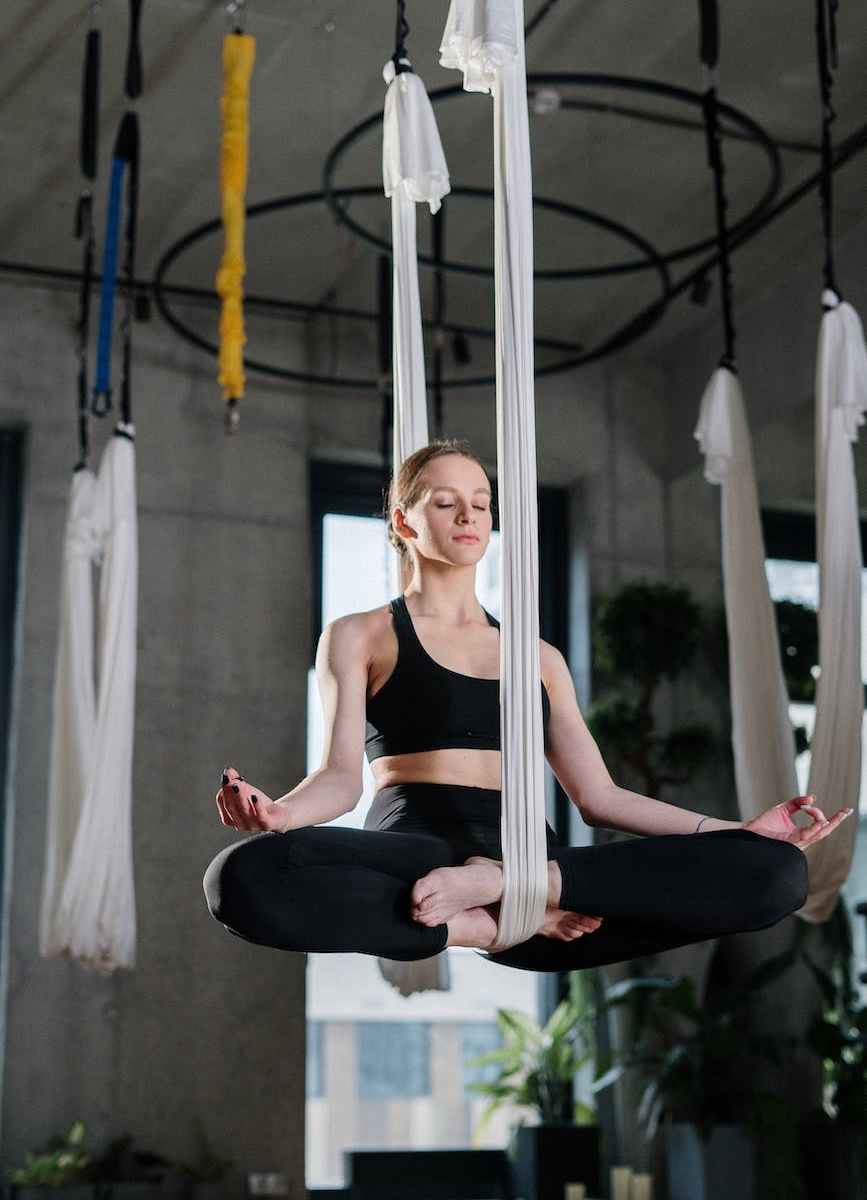
  • 10. Aerial Yoga:
  • Details: Combining traditional Yoga with aerial arts, Aerial Yoga uses a hammock to allow gravity-assisted poses.
  • Impact: By introducing a playful element, Aerial Yoga enhances balance, strength, and flexibility, making exercise enjoyable and engaging.
  • 11. Corporate and Workplace Yoga:
  • Details: This is designed to fit into the workplace, often during lunch breaks or before/after work.
  • Impact: By reducing stress, improving concentration, and fostering teamwork, Workplace Yoga can enhance overall work productivity and satisfaction.
  • 12. Yoga Therapy:
  • Details: This personalized practice adapts Yoga to specific health challenges or goals.
  • Impact: By complementing medical treatments, Yoga Therapy can support healing and offer coping strategies for chronic conditions.
  • 13. Adaptive Yoga:
  • Details: Adaptive Yoga modifies traditional poses for those with disabilities or special needs.
  • Impact: By making Yoga accessible, it supports overall well-being, empowerment, and community for those who might otherwise be excluded from the practice.
  • 14. Jivamukti Yoga:
  • Details: Jivamukti integrates physical practice with ethical and spiritual aspects, often including chanting and philosophical teachings.
  • Impact: By connecting body, mind, and spirit, Jivamukti fosters a sense of holistic well-being and compassionate living.
  • 15. Anusara Yoga:
  • Details: Anusara emphasizes “heart opening” poses and aligns physical practice with a heart-centered philosophy.
  • Impact: Through the cultivation of joy, self-expression, and connection, Anusara can enhance relationships and bring positivity into daily life.
  • 16.  Kripalu Yoga:
  • Details: Kripalu focuses on meditation, breathwork, and self-reflection, often allowing spontaneous movement.
  • Impact: Kripalu can be a transformative practice that affects all areas of life by promoting self-acceptance and emotional healing.
  • 17.  Sivananda Yoga:
  • Details: This holistic practice includes a set sequence, along with teachings on diet, positive thinking, and meditation.
  • Impact: Sivananda’s comprehensive approach encourages a healthy lifestyle, spiritual growth, and a balanced approach to daily living.
  • 18. Power Yoga:
  • Details: This high-intensity form of Yoga emphasizes strength and muscle building, often appealing to athletes.
  • Impact: By boosting strength, stamina, and weight loss, Power Yoga can be a vital part of a fitness regimen and aid in overall physical transformation.
  • 19.  Tantra Yoga:
  • Details: Tantra involves rituals, visualization, and practices that aim to weave together the physical and spiritual.
  • Impact: Tantra’s deep spiritual exploration can enhance consciousness, intimacy, and a connection to the universe, impacting a person’s overall life philosophy.
  • 20. Pranayama (Breath Control):
  • Details: Although not a type of Yoga in itself, Pranayama is the practice of controlling the breath and is often integrated into many Yoga practices.
  • Impact: Pranayama’s focus on the breath can improve lung capacity, reduce stress, enhance focus, and elevate overall health, enriching every moment of daily life.

These 20 types represent the richness and diversity of Yoga, providing options for every person, regardless of age, fitness level, or personal goals. Through the exploration of these practices, individuals can find paths to physical health, emotional balance, spiritual growth, and a holistic understanding of themselves and the world around them.

What are the benefits of Yoga?

Yoga, the ancient practice born in the heart of India, is a remarkable journey of self-discovery and holistic well-being. It weaves together the threads of the mind, body, and soul, offering a profound tapestry of benefits that extend far beyond the physical postures. Rooted in centuries of wisdom, yoga has captured the hearts and minds of millions worldwide, transcending cultural boundaries and generations. At its core, yoga is a profound exploration of the self, inviting us to dive into the depths of our existence and unearth the treasures hidden within.

In this exploration, we delve into the 20 extraordinary benefits of yoga, each contributing to a harmonious synergy of the mind, body, and soul. From the physical strength and flexibility it bestows to the serenity of a calm mind and the illumination of the spirit, yoga is a path that empowers us to live life to its fullest.

20 Benefits of Yoga for the Mind, Body, and Soul:

Physical Benefits:

  • Enhanced Flexibility: Yoga postures (asanas) gently stretch and lengthen muscles, gradually increasing flexibility and range of motion.
  • Muscle Strength: The practice of holding poses builds and tones muscles, creating a strong and resilient body.
  • Balance and Coordination: Yoga poses a challenge to balance and coordination, improving overall physical stability.
  • Endurance: By engaging in sequences and poses, practitioners build endurance, fostering stamina and vitality.
  • Postural Alignment: Yoga enhances body awareness, promoting proper alignment and reducing the risk of posture-related issues.
  • Pain Relief: Yoga can alleviate chronic pain, including backaches and joint discomfort, through improved circulation and relaxation.
  • Weight Management: Dynamic forms of yoga provide a calorie-burning workout, supporting weight maintenance and loss.
  • Detoxification: Twisting and inverted poses stimulate detoxification, aiding in the elimination of toxins from the body.
  • Cardiovascular Health: Controlled breathing and relaxation techniques in yoga can lower blood pressure and enhance heart health.
  • Respiratory Well-being: Pranayama, the practice of breath control, bolsters lung capacity and encourages healthy breathing patterns.

Mental Benefits:

  • Stress Reduction: Yoga fosters relaxation, reducing stress hormones and promoting mental clarity.
  • Focus and Concentration: Mindfulness and concentration exercises in yoga sharpen mental acuity and cognitive function.
  • Emotional Regulation: Practicing yoga encourages emotional awareness, facilitating better management of feelings.
  • Anxiety and Depression Relief: Yoga’s meditative aspects can alleviate symptoms of anxiety and depression.
  • Improved Sleep: Yoga promotes better sleep patterns, aiding in insomnia and enhancing overall sleep quality.
  • Self-Compassion: Yoga nurtures self-acceptance and self-compassion, fostering a positive self-image.
  • Creativity: Many practitioners find that yoga enhances creativity and problem-solving abilities.

Health Benefits:

  • Immune System Support: Regular practice strengthens the immune system, increasing resistance to illness.
  • Digestive Health: Certain yoga poses stimulate digestion, alleviating digestive issues and promoting gut health.
  • Hormonal Balance: Yoga can help regulate hormonal function, contributing to overall hormonal equilibrium and well-being.

Soulful Benefits:

  • Spiritual Awareness: Yoga deepens spiritual connection, fostering inner growth and self-realization.
  • Inner Peace: A sense of serenity and inner peace emerges through yoga, helping individuals navigate life’s challenges gracefully.
  • Connection to Nature: Practitioners often develop a stronger bond with nature and the universe.
  • Compassion: Yoga encourages compassion, not only for oneself but also for others, nurturing a sense of unity.
  • Purpose and Meaning: Many discover their life’s purpose or a profound sense of meaning through yoga’s introspective journey.

In conclusion, yoga is a transformative practice that touches every facet of our being. Its 20 diverse benefits are threads woven together to create a tapestry of holistic well-being, inviting us to embark on a journey of self-discovery, inner peace, and a deeper connection with the world around us. Whether you are seeking physical vitality, emotional balance, or spiritual enlightenment, yoga offers a pathway to a richer, more meaningful life.

The Importance Of Yoga947 Meditation.

Mediation is important for a variety of reasons, as it serves as a valuable method for resolving conflicts and disputes in a peaceful and constructive manner. Here are some key reasons why mediation is considered important:

  • Conflict Resolution: Mediation provides a structured and non-adversarial process for resolving conflicts. It helps parties find mutually acceptable solutions, often leading to more sustainable and lasting resolutions compared to adversarial methods like litigation.
  • Preservation of Relationships: In many situations, the parties involved in a conflict have an ongoing or future relationship, such as in family disputes, workplace conflicts, or business partnerships. Mediation aims to preserve these relationships by fostering open communication and understanding.
  • Cost-Effective: Mediation is generally less expensive than going to court. It can save parties significant legal fees, court costs, and the time associated with lengthy litigation processes.
  • Time-Efficient: Mediation typically takes less time than going through the court system. This can be especially important in cases where a quick resolution is needed, such as in business disputes or family matters.
  • Empowerment and Control: Mediation allows the parties to have a say in the outcome. They actively participate in the decision-making process, which can lead to more satisfying and customized solutions compared to court-imposed judgments.
  • Confidentiality: Mediation is a confidential process, which means that discussions and negotiations that occur during mediation are usually not admissible in court. This can encourage parties to be more open and honest in their discussions.
  • Flexibility: Mediation can be tailored to the specific needs and circumstances of the parties involved. It is adaptable to various types of disputes and can address both legal and non-legal issues.
  • Reduced Stress: Mediation is generally less adversarial and confrontational than litigation, reducing the emotional and psychological stress often associated with legal battles.
  • Compliance: Parties are more likely to comply with the terms of an agreement reached through mediation because they had a direct role in shaping the resolution.
  • High Success Rate: Mediation has a relatively high success rate in resolving disputes, particularly when both parties are committed to the process and are open to finding common ground.
  • Access to Justice: Mediation provides an accessible means of resolving disputes, making justice more attainable for individuals and organizations who may not have the resources for protracted legal battles.
  • Cross-Cultural Applications: Mediation is a versatile tool for resolving disputes in various cultural contexts and can be adapted to accommodate different communication styles and value systems.

Welcome to Yoga947.com

How much of your well-being is of an importance to you?

Yoga is a timeless and transformative practice that has transcended centuries and cultures to become a global phenomenon. Rooted in ancient traditions and philosophy, yoga is far more than a physical exercise. It is a holistic system. Yoga unites the body, mind, and spirit. It has evolved into a diverse and dynamic array of practices. Each practice offers unique paths to self-discovery, well-being, and spiritual growth. Yoga ranges from the serene stillness of meditation to the dynamic and strength-building asanas (poses). It covers a wide spectrum of techniques and philosophies. These cater to individuals of all ages and backgrounds.

Yoga is more than just physical postures and exercises. It is a philosophy and a way of life. It is also a path to inner and outer harmony. It encourages self-awareness, mindfulness, and a deep connection with one’s inner self and the world at large. In today’s fast-paced and often stressful world, yoga offers a sanctuary. It helps those seeking balance, health, and a profound sense of purpose.

We will explore yoga’s rich history. We will look into its various branches and styles. We will also discuss the myriad physical, mental, and spiritual benefits it offers. Whether you are a seasoned practitioner or a newcomer to yoga, this journey into yoga is enlightening. It promises to be inspiring. Discover yoga’s timeless wisdom. See its contemporary relevance. Join us on a voyage of self-discovery, well-being, and spiritual fulfillment.

Our Website contains affiliate links this means if you click and make a purchase we may receive a small commission. “Don’t worry there is no extra cost to you. It’s a simple way you can support our mission to bring you quality content.

Advertise Free