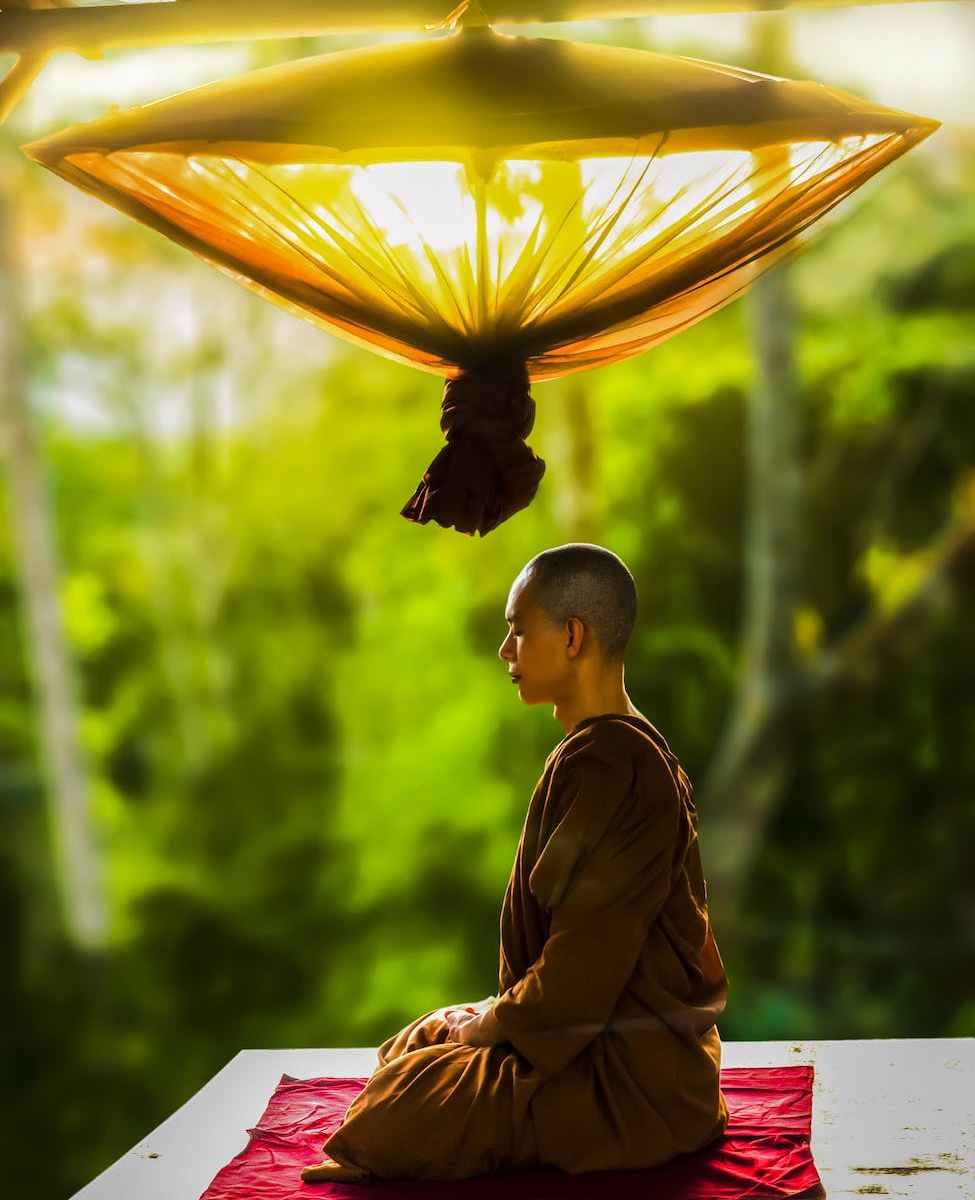
Art Meditation Techniques for Emotional Healing

Introduction

Meditation has long been recognized as a powerful tool for mental clarity, emotional balance, and spiritual growth. Traditional meditation practices often focus on breath control. They also emphasize mindfulness or chanting. Art meditation offers a unique and immersive path to inner peace. By blending creativity with mindfulness, art meditation invites individuals to unlock their imagination while fostering relaxation and self-discovery. This blog delves into the rich history of art meditation. It also explains practical techniques and explores its profound benefits. This provides insights for anyone looking to enrich their well-being through artistic expression.

Part 1: The History of Art Meditation

1. Ancient Roots and Cultural Practices Art meditation has ancient roots. It dates back thousands of years. Various cultures combined artistic expression with spiritual growth.

  • In Buddhist traditions, monks created intricate mandalas—detailed geometric patterns designed to promote focus and mindfulness. These meditative creations were not only spiritual tools but also exercises in patience and presence.
  • Indigenous tribes in North and South America used symbolic paintings, carvings, and body art. They did this to connect with nature, ancestors, and inner wisdom. Their use of colors, patterns, and symbols reflected spiritual beliefs and facilitated meditative states.
  • In Japan, the practice of Zen calligraphy (shodō) merges art with mindfulness. It requires calmness and intentional brushwork to cultivate mental clarity.
  • In various African cultures, particularly in Ghana and Nigeria, artistic meditation flourished through the creation of Adinkra symbols. Artists applied these intricate designs to textiles and pottery. Each design represents deep philosophical meanings. This practice guides mindfulness, emotional grounding, and reflection.
  • In African-American quilting traditions, enslaved individuals combined creativity with storytelling and symbolism to express resilience, identity, and emotional healing. The quilt-making process itself became a meditative act, offering comfort and mental clarity in times of hardship.

2. Renaissance and Artistic Reflection During the Renaissance, artists like Leonardo da Vinci and Michelangelo practiced artistic reflection. It was a means of connecting to deeper consciousness. Drawing and painting not only created masterpieces. They also served as meditative practices to explore inner emotions, perspective, and vision.

3. Modern Revival of Art Meditation In the 20th century, art therapy emerged as a recognized field. It encourages creative expression as a method of improving mental health. Figures like Carl Jung introduced mandala drawings. They aimed to promote self-discovery. Modern wellness trends have integrated mindful art practices. These are used to manage stress and enhance creativity.

Part 2: Understanding Art Meditation as a Practice

1. Defining Art Meditation Art meditation is a mindful practice that blends creative expression with meditation principles. Unlike traditional art forms that focus on producing a final product, art meditation emphasizes the process itself. It embraces imperfections. It allows emotions to flow freely onto the canvas or page.

2. Techniques for Practicing Art Meditation

  • Mandala Drawing and Colouring: Creating intricate, circular patterns encourages focus and helps calm the mind.
  • Free-form Sketching and Doodling: Spontaneous drawing provides a release for emotions, thoughts, and creative energy.
  • Painting with Mindful Intention: Using color, brushwork, and texture as a meditative tool encourages presence in the moment.
  • Collage and Mixed-Media Exploration: Combining cutouts, textures, and colours invites intuition and creative spontaneity.

3. Creating an Ideal Environment

  • Choose a calming space free from distractions.
  • Use materials that feel inspiring yet simple—pencils, markers, paints, or clay.
  • Before starting, take a few deep breaths to clear your mind and set a peaceful intention.

Part 3: The Benefits of Art Meditation

1. Mental and Emotional Well-being

  • Engaging in art meditation helps reduce anxiety by grounding the mind in creative flow.
  • The process encourages emotional expression, offering a safe space to release stress and negative feelings.
  • Creating art mindfully enhances self-awareness and nurtures a sense of inner calm.

2. Cognitive and Creative Growth

  • Practicing art meditation enhances focus by training the mind to stay present during creative exploration.
  • The freedom to experiment with colours, patterns, and shapes sparks innovation and creative thinking.

3. Physical and Physiological Benefits

  • Art meditation helps lower blood pressure and heart rate through its calming effects.
  • Deep breathing and relaxed movement while creating art stimulate the parasympathetic nervous system, promoting relaxation.

4. Social and Community Benefits

  • Group art meditation sessions provide a shared creative experience, strengthening bonds and fostering empathy.
  • Creative collaboration encourages trust, open communication, and meaningful connections.

Part 4: Practical Tips and Guided Exercises

1. Starting Small: Beginner-Friendly Projects

  • Try mindful colouring books filled with intricate patterns designed to enhance focus.
  • Experiment with doodling as a simple yet effective way to relax the mind.

2. Developing a Routine

  • Incorporate short art meditation sessions into your daily routine—10 to 15 minutes can provide a positive mental reset.
  • Create achievable goals, such as sketching each morning or spending a quiet evening painting.

3. Overcoming Creative Blocks

  • Embrace mistakes and imperfections as part of the mindful process.
  • Explore natural surroundings, music, or emotions as sources of inspiration.

Part 5: Inspiring Stories and Case Studies

1. Personal Transformations through Art Meditation

  • A grieving individual turned to painting as a meditative practice. They used colours and brushstrokes to express emotions of loss, reflection, and eventual hope.
  • An individual recovering from illness practiced quilting as a calming and reflective process. They created vibrant works that symbolized their healing journey.
  • Stories of individuals overcoming anxiety, grief, or burnout through creative practices highlight the transformative power of mindful art.

2. The Role of Art Meditation in Therapy

  • Therapists have increasingly integrated mindful art techniques to support trauma recovery, depression management, and emotional healing.
  • Guided creative exercises offer individuals a safe space to process emotions and rebuild resilience.

Part 6: Finding Support and Resources for Art Meditation

1. Local and National Resources

  • American Art Therapy Association (AATA) provides certified therapists, resources, and support for individuals seeking guidance in creative meditation.
  • British Association of Art Therapists (BAAT) offers workshops, events, and professional guidance.

2. International Resources

  • International Expressive Arts Therapy Association (IEATA) promotes creative practices for healing worldwide.
  • Art Therapy Without Borders connects individuals to global programs focused on mindfulness, creativity, and emotional well-being.
  • Creative Wellbeing Workshops provides resources to support mindfulness through art practices internationally.

3. Recommended Books and Guides

  • “The Creative Cure” by Jacob Nordby
  • “Drawing on the Right Side of the Brain” by Betty Edwards
  • “The Artist’s Way” by Julia Cameron
  • “Meditative Mandala Coloring Book” by Adult Coloring World
  • “Mindful Drawing: Discover the Joy of Creative Expression” by Wendy Ann Greenhalgh

4. Online Learning Platforms

  • Websites like Skillshare, Udemy, and Coursera offer specialized courses in art meditation techniques.
  • Meditation apps such as Insight Timer, Calm, and Headspace often feature guided art meditation exercises.

Conclusion

Art meditation offers a powerful blend of mindfulness and creative exploration that benefits mind, body, and soul. Whether through drawing, painting, or collage, the practice encourages individuals to slow down. It helps them focus inward. They find peace in the act of creation. By embracing art meditation, you unlock a world of self-expression, relaxation, and inspiration—one brushstroke at a time.

What’s holding you back from finding your true self?

Remember it is important to focus on what brings you joy. Move forward with a clear mind and attract all things that are good in your life. Listen to your heart’s desires.

Make each moment of your life count and stay tuned  for more content HERE at Yoga947.com

Unlocking Calm: The Benefits of Reiki Meditation

Finding moments of calm and balance can feel like an uphill battle. Reiki meditation, a practice rooted in ancient traditions, offers a pathway to healing, harmony, and self-discovery. Whether you’re a seasoned practitioner or just starting in holistic wellness, Reiki meditation is beneficial for everyone. Let’s dive into the history, principles, and benefits of this timeless practice.

The History of Reiki Meditation: Ancient Wisdom, Modern Healing

Reiki, meaning “universal life energy” in Japanese, traces its origins to the early 20th century. Mikao Usui, a Japanese Buddhist monk, founded it. He sought a method to balance the mind, body, and spirit. Drawing inspiration from ancient healing practices, Usui developed a system that combines energy healing with meditative techniques.

Reiki’s spiritual roots are deeply intertwined with Japanese traditions. Shintoism and Buddhism emphasize the flow of energy within and around us. Over the years, Reiki evolved beyond Japan, gaining global recognition for its ability to complement modern medicine. Today, Reiki is practiced in over 80 countries and is a cornerstone of holistic wellness.

The Core Principles of Reiki: A Philosophy of Peace

Reiki is more than a meditation technique; it’s a way of life. At its heart are five guiding principles, introduced by Mikao Usui, that encourage mindful living:

  1. Just for today, I will not be angry.
  2. Just for today, I will not worry.
  3. Just for today, I will be grateful.
  4. Just for today, I will do my work honestly.
  5. Just for today, I will be kind to every living being.

These principles serve as daily affirmations to align one’s energy, foster inner peace, and cultivate compassion.

How Reiki Meditation Works: Energy Healing in Motion

Life energy flows through us in Reiki meditation. Imbalances in this energy can lead to stress, illness, or emotional blockages. The practice involves gentle hand placements or visualization techniques to channel energy into specific areas of the body.

Reiki aims to remove energy blockages. The process can be conducted by a trained practitioner or through self-guided sessions. The goal is to restore balance and promote healing. Many sessions incorporate a focus on the seven chakras, energy centers within the body that influence physical and emotional well-being.

The Benefits of Reiki Meditation: Healing Beyond the Physical

Reiki meditation has been praised for its ability to transform lives. Here are some of its most celebrated benefits:

1. Physical Healing and Relaxation

Reiki can ease tension, reduce pain, and improve sleep quality. Many people report feeling deeply relaxed after a session, as though their body has been reset.

2. Emotional Clarity and Balance

The meditative nature of Reiki helps quiet the mind, releasing pent-up emotions and fostering a sense of peace. It’s an excellent tool for managing anxiety, grief, or stress.

3. Spiritual Connection

Reiki encourages self-reflection and connection with the universe, helping individuals tap into their inner wisdom and purpose.

4. Holistic Growth

Unlike other practices that focus on a single aspect of wellness, Reiki offers a holistic approach. It integrates physical, mental, and spiritual healing for a complete sense of harmony.

Reiki for Everyone: Starting Your Journey

One of the most beautiful aspects of Reiki is its accessibility. It doesn’t require special equipment or years of practice to start. Here are a few ways to begin:

  • Seek a Practitioner: Find a certified Reiki master or practitioner in your area for guided sessions.
  • Learn Self-Reiki: Many online resources and courses teach basic techniques for self-practice.
  • Combine with Yoga: Pair Reiki meditation with your yoga practice for an enhanced mind-body experience.

Reiki meditation is safe for all ages and fitness levels, making it a universal tool for wellness.

A Beginner’s Guide to Reiki Meditation: Discover Healing Energy Within

Reiki meditation is a beautiful way to calm your mind. It helps balance your energy. You can connect with yourself on a deeper level. If you’re new to Reiki, this guide will walk you through the essentials. It will help you incorporate Reiki into your life with ease.


1. What is Reiki Meditation?

Reiki meditation is a practice rooted in Japanese energy healing. The word “Reiki” translates to “universal life energy.” The meditation focuses on channeling this energy to promote relaxation. It also supports healing and balance.

Reiki involves placing hands on or near specific areas of the body while visualizing energy flowing through and around you. Whether you’re addressing stress or fatigue, Reiki meditation can help you feel more grounded. It also aids in finding harmony with yourself.


2. Preparing for Reiki Meditation

Setting the right environment is key to fully immersing yourself in Reiki meditation. Here’s how to get started:

Find Your Space

Choose a quiet, comfortable spot where you won’t be disturbed. It is a cozy corner of your home or even a yoga studio.

Create a Calming Atmosphere

  • Dim the lights or light candles to create a peaceful setting.
  • Play soft, meditative music or nature sounds to help you relax.
  • Use essential oils like lavender or sandalwood to promote calmness.

Get Comfortable

Sit on a cushion, lie down on a yoga mat, or take a chair. Keep your spine straight but relaxed.

Gather Optional Tools

  • A journal to jot down reflections after your session.
  • Crystals like amethyst or clear quartz to enhance energy flow.
  • A blanket for warmth, as you feel cooler during deep relaxation.

3. Techniques for Beginners

Starting Reiki meditation can feel overwhelming, but these simple techniques make it approachable:

Self-Reiki Positions

Here’s a step-by-step guide to hand placements for a basic self-Reiki session:

  1. Head: Place your hands gently on your forehead and temples.
  2. Throat: Rest your hands over your throat area, symbolizing communication and truth.
  3. Heart: Lay your hands on your chest, focusing on love and compassion.
  4. Stomach: Place your hands over your abdomen, connecting with personal power and balance.
  5. Feet: If lying down, place your hands over your feet to ground yourself.

Hold each position for 2-5 minutes, or longer if it feels right.

Energy Visualization

Imagine a bright, warm light entering through the top of your head. Visualize it moving down your body, clearing away tension and filling you with healing energy.

Breathing Exercises

  • Inhale deeply for 4 counts, hold for 4 counts, and exhale slowly for 6 counts.
  • With each inhale, imagine drawing in positive energy. With each exhale, release stress.

4. Guided Practices

For beginners, following a short, simple meditation script can be helpful. Try this practice:

Beginner’s Reiki Meditation (10 Minutes)

  1. Sit or lie comfortably with your eyes closed.
  2. Take deep breaths, letting go of tension with each exhale.
  3. Place your hands on your heart, imagining a warm, golden light glowing in your chest.
  4. Silently repeat: “I am calm. I am balanced. I am whole.”
  5. Move your hands to your abdomen and picture energy flowing freely.
  6. End the session by placing your hands in prayer position and expressing gratitude for the healing energy you’ve received.

5. Tips for Success

Reiki meditation is a journey, not a race. Here are tips to help you along the way:

  • Start Small: Begin with just 5-10 minutes daily, and gradually increase as you feel more comfortable.
  • Be Patient: It’s normal to feel subtle effects at first. With consistency, the benefits deepen.
  • Let Go of Perfection: There’s no “right” way to feel energy. Trust your instincts and relax.
  • Stay Hydrated: Drink water before and after your session to support energy flow.
  • Practice Mindfulness: Focus on the present moment during your session to enhance its effects.

6. Resources for Further Learning

To deepen your understanding, explore these beginner-friendly resources:

Books

  • The Art of Reiki by Mikao Usui
  • Reiki for Beginners: A Comprehensive Guide by David Vennells

Videos and Apps

  • Look for guided Reiki meditations on YouTube or apps like Insight Timer.

Workshops

  • Attend a local Reiki class or find virtual workshops led by certified practitioners.

7. Beginner’s Weekly Routine

For those just starting out, here’s a simple weekly schedule to integrate Reiki into your life:

  • Day 1-2: Spend 5 minutes practicing self-Reiki hand placements.
  • Day 3-4: Add breathing exercises to your practice.
  • Day 5-6: Try a guided meditation, focusing on clearing one chakra.
  • Day 7: Reflect in a journal about how the week’s sessions made you feel.

Conclusion: Your Reiki Journey Starts Here

Reiki meditation is an empowering practice that grows with you. As you begin, embrace the process with curiosity and an open heart. Over time, you’ll discover how Reiki can bring balance, healing, and clarity to every aspect of your life.

Remember, the journey to self-healing starts with a single step—or in this case, a single breath. Why not start today?

Our Website contains affiliate links this means if you click and make a purchase we may receive a small commission. “Don’t worry there is no extra cost to you. It’s a simple way you can support our mission to bring you quality content.

Unlocking Wellness: The Power of Biofeedback Meditation


Introduction

Meditation has been a cornerstone of wellness practices for thousands of years. It offers a powerful way to balance the mind, body, and soul. But what if you could take this ancient practice and enhance it with cutting-edge technology? You gain deeper insights into your physiological responses. That’s exactly what biofeedback meditation promises.

Biofeedback meditation combines mindfulness techniques with real-time data on bodily functions like heart rate, muscle tension, brainwaves, and breathing patterns. This scientific approach helps practitioners gain a heightened awareness of their body’s internal states. It enables them to optimize meditation for better health, relaxation, and overall well-being.

In this blog post, we’ll delve into the fundamentals of biofeedback meditation. We’ll explain how it works and its benefits. We’ll also discuss why you should consider incorporating it into your daily routine.


What is Biofeedback Meditation?

Biofeedback meditation is the integration of biofeedback technology with mindfulness and meditation practices. The aim is to make the meditator more aware of unconscious physiological processes that occur during meditation and daily life. Through this heightened awareness, individuals can learn to control certain bodily functions consciously. They can lower their heart rate or reduce muscle tension. This leads to deeper relaxation or focus.

Biofeedback devices, such as wearable sensors or specialized equipment, monitor real-time bodily responses like:

  • Heart Rate Variability (HRV)
  • Muscle Tension (EMG)
  • Brainwave Activity (EEG)
  • Skin Temperature
  • Breathing Patterns

These metrics are then displayed via digital interfaces. These include a mobile app or computer screen. This allows practitioners to observe their physical responses as they meditate. By doing so, they can adjust their technique in real-time, allowing for a more effective and personalized meditation experience.


How Biofeedback Meditation Works

Biofeedback meditation hinges on the concept of real-time feedback to train the mind and body. Here’s how it works:

  1. Step 1: Preparation
    The practitioner uses a biofeedback device that monitors their physiological data. These could include heart rate monitors, EEG headsets for tracking brain activity, or sensors that gauge breathing rhythms. Most devices are easy to use and can connect to smartphones or other interfaces that display real-time data.
  2. Step 2: Meditation Session
    While meditating, the biofeedback device tracks the body’s physiological changes. The key here is to maintain a calm and focused state while observing how the body reacts. Any fluctuations in the data—such as increased heart rate or erratic breathing patterns—provide immediate insights. They allow the individual to consciously regulate these responses.
  3. Step 3: Adjusting the Mind-Body State
    Over time, you learn to recognize the signs of stress or tension. You can then adjust your meditation techniques. These techniques can influence your physiological state. For example, if the device shows elevated heart rate during meditation. You can focus on slower, deeper breathing to bring it back to an optimal range.
  4. Step 4: Review and Progress
    Post-session, the data collected can be reviewed to monitor progress over time. Some biofeedback apps provide insights and recommendations for future meditation sessions. They help to build a tailored and more efficient meditation practice.

The Science Behind Biofeedback Meditation

The science of biofeedback meditation is rooted in the ability of the human body to self-regulate. Biofeedback taps into the body’s natural mechanisms for maintaining balance, or homeostasis, by making previously unconscious processes observable. Once made conscious, these processes can be trained and controlled for improved health and well-being.

For example:

  • Heart Rate Variability (HRV): Greater HRV is associated with better overall cardiovascular health and emotional resilience. During biofeedback meditation, you can learn to control your HRV through slow breathing and focus. This process improves your autonomic nervous system’s response to stress.
  • Brainwaves (EEG): Brainwave patterns vary between different states of consciousness. Beta waves indicate alertness. Alpha waves are for relaxation. Theta waves occur in deep meditation. Biofeedback devices monitoring brain waves allow meditators to aim for brain states that align with deeper relaxation and heightened awareness.
  • Muscle Tension (EMG): Tension in muscles, especially in the forehead or shoulders, can be a sign of stress or anxiety. Biofeedback helps identify and relax these muscles, leading to a deeper state of relaxation during meditation.

This approach is scientifically validated. Research shows that biofeedback can improve stress management and enhance focus. It can even alleviate conditions like chronic pain, anxiety, and high blood pressure.


Benefits of Biofeedback Meditation

1. Enhanced Self-Awareness

Biofeedback meditation offers a deeper understanding of your mind-body connection by making unconscious physiological processes conscious. This heightened awareness can significantly improve your meditation practice. It allows you to observe how your body reacts to stress or relaxation in real-time.

2. Reduced Stress and Anxiety

Biofeedback meditation helps you manage stress and anxiety more effectively. It monitors and controls stress-related metrics like heart rate and muscle tension. Over time, you can train your body to enter a state of calm more quickly and easily.

3. Improved Focus and Concentration

Biofeedback meditation helps you cultivate a focused mind by giving you instant feedback on distractions or mental clutter. This allows you to refine your concentration skills and enter a deeper meditative state faster.

4. Better Sleep

By regulating heart rate, breathing, and muscle tension, biofeedback meditation can help improve sleep quality. The calming effects often carry over to nighttime, leading to more restful sleep and reduced insomnia symptoms.

5. Physical Health Benefits

Studies show that biofeedback can be effective in managing chronic pain. It can also lower blood pressure and reduce the risk of heart disease. These physical benefits make biofeedback meditation a holistic wellness tool, addressing both mental and physical health.


Is Biofeedback Meditation Right for You?

Biofeedback meditation can benefit a wide range of individuals. Beginners can improve their meditation practice. Seasoned practitioners can explore the mind-body connection on a deeper level.

You might consider biofeedback meditation if:

  • You struggle with focus or have difficulty entering a meditative state.
  • You want to manage stress, anxiety, or chronic pain more effectively.
  • You’re interested in using technology to enhance your mindfulness practice.
  • You enjoy tracking progress and like the idea of measurable results.
  • You’re curious about the scientific side of meditation and the mind-body connection.

Conclusion

Biofeedback meditation represents the fusion of ancient mindfulness practices with modern science. It offers a powerful tool for anyone looking to deepen their meditation experience. Whether you’re a beginner or an experienced meditator, biofeedback can help you cultivate greater awareness. It can help you manage stress. It can also enhance your overall well-being.

As technology continues to advance, biofeedback devices are becoming more accessible. This makes it easier than ever to tap into the benefits of this practice. So why not take a step into the future of meditation? Unlock the potential of biofeedback for a healthier, more mindful life.


There are several excellent resources available to help deepen your understanding and practice of biofeedback meditation. Here are some categories and examples of tools, apps, and organizations that provide support:

Biofeedback Devices and Wearables

Biofeedback meditation often requires devices that track physiological data. These wearables and sensors can be a game-changer for practicing and refining your biofeedback meditation:

  • Muse Headband: Muse is a popular EEG headband. It provides real-time feedback on brain activity. This helps to guide and optimize meditation sessions. It tracks brainwaves, heart rate, and body movements.
  • HeartMath Inner Balance: Focused on heart rate variability (HRV). HeartMath offers biofeedback tools that guide users toward a state of “coherence”. This is achieved through breathing exercises and emotional regulation.
  • EmWave2: Another device from HeartMath. The EmWave2 tracks HRV and provides instant feedback. This helps guide users toward a state of relaxation and balance.
  • Garmin & Fitbit Wearables: Many fitness trackers, like Garmin and Fitbit, have integrated stress-monitoring features. These features are based on heart rate and respiration. These features provide basic biofeedback insights. They are useful for mindfulness and meditation.

 Biofeedback Meditation Apps

These apps work with biofeedback devices or as standalone platforms to help guide meditation and mindfulness practices:

  • Calm: This popular meditation app includes biofeedback support when paired with devices like Muse or Fitbit. It offers breathing exercises and guided meditations tailored to reduce stress and improve focus.
  • Myndlift: Myndlift works with EEG-based biofeedback devices. It offers personalized neurofeedback training to help manage stress. It also aims to improve focus and enhance meditation practices.
  • Breathe2Relax: A simple yet effective app that focuses on deep breathing exercises. It offers real-time feedback on stress levels. This is a core component of biofeedback meditation.
  • Spire Stone: Spire is a wearable that tracks breathing patterns. Its app offers real-time insights and reminders to help manage stress and promote relaxation through mindful breathing.

 Books on Biofeedback and Meditation

For those who prefer to dive deep into the theory and practice of biofeedback meditation, these books are great resources:

“The Biofeedback Toolkit: A Guide for Practitioners” by M. J. Smith
This book provides practical guidance on how to incorporate biofeedback into therapy and meditation practices.

“Biofeedback: A Practitioner’s Guide” by Ellen Hodgson Brown
This comprehensive guide covers various biofeedback techniques. It includes insights on how they can enhance meditation practices.

“The Healing Power of Neurofeedback: The Revolutionary LENS Technique for Restoring Optimal Brain Function” by Paul G. Swingle and Anne E. Swingle


This book delves into neurofeedback, a form of biofeedback, and how it can be used for meditation and relaxation.

We would like to know your thoughts on the biofeedback meditation.

Namaste.

Our Website contains affiliate links this means if you click and make a purchase we may receive a small commission.“Don’t worry there is no extra cost to you. It’s a simple way you can support our mission to bring you quality content.

“Body Scan Meditation for Beginners: Reduce Stress and Improve Mindfulness Today”

In this blog post, we explore the transformative practice of Body Scan Meditation. It is a simple yet powerful tool to deepen your connection with your body. It helps alleviate stress and cultivate mindfulness. Whether you’re a seasoned yogi or new to meditation, this guide will walk you through the process. It will explain the benefits and techniques of Body Scan Meditation to integrate into your daily routine.


Introduction

In our fast-paced lives, it’s all too easy to become disconnected from our bodies. We rush through the day. We juggle tasks, thoughts, and worries. We often ignore the physical and mental toll it takes on us. That’s where Body Scan Meditation comes in. It is a gentle practice designed to bring you back into harmony with your body and mind.

Imagine taking a few moments each day to lie down. Close your eyes. Simply notice the sensations flowing through your body. By tuning into these sensations—whether it’s tension in your shoulders or the subtle tingling of your feet—you relax your body. You also sharpen your awareness. This practice helps you uncover areas of stress you may not even know you’re holding. It offers profound benefits for both mental and physical well-being.

In this guide, we will explore what Body Scan Meditation is. We will look at its scientific backing. We will also see how it can benefit practitioners of all levels. Plus, you’ll learn how to easily integrate this practice into your yoga routine. This makes it a perfect companion to your spiritual and physical journey.


What is Body Scan Meditation?

At its core, Body Scan Meditation is a mindfulness technique. It involves systematically bringing awareness to different parts of the body. You observe sensations without judgment. Unlike other forms of meditation that focus on the breath or a mantra, body scan meditation directs your attention inward. It helps you become fully aware of your body from head to toe.

The practice has its roots in Vipassana meditation. It is one of the oldest forms of meditation in India. It was later popularized in the West through Vipassana meditation. MBSR was developed by Dr. Jon Kabat-Zinn in the 1970s. It has brought body scan meditation to the forefront of mindfulness practices. It has proven to be a powerful tool for managing stress, chronic pain, and emotional well-being.

During a body scan, the goal isn’t to change or fix anything about your body’s sensations. The goal is to simply observe and accept them as they are. Whether you feel tension, discomfort, or relaxation in a certain area, you’ll practice noticing these sensations without reacting. This cultivates an attitude of mindfulness and non-judgment, which can have lasting benefits in all areas of life.


The Science Behind Body Scan Meditation

There’s a growing body of scientific research supporting the benefits of Body Scan Meditation. Studies have shown that this practice can reduce stress, improve emotional regulation, and even alleviate physical pain.

One of the ways Body Scan Meditation works is by activating the parasympathetic nervous system. This triggers the body’s relaxation response. This helps to lower heart rate. It reduces blood pressure and releases muscle tension. This leads to a feeling of calm and well-being.

In a study published by the Journal of Behavioral Medicine, individuals practiced body scan meditation. They reported lower levels of stress. These individuals had lower stress levels. The study indicated that stress levels were lower for these individuals. They significantly benefited from this practice. They also experienced reduced anxiety. This was compared to those who didn’t. Additionally, it has been shown to improve sleep quality. It promotes relaxation before bedtime. This makes it an excellent practice for those who struggle with insomnia or restless sleep.

For yogis, this deeper mind-body connection can lead to better body awareness during yoga practice. It improves form and reduces the risk of injury. It also enhances the overall experience of asana (poses) and pranayama (breathing exercises).


Benefits of Body Scan Meditation

1. Stress Reduction
The daily stresses of life can accumulate in the body. They manifest as tight shoulders, clenched jaws, or a racing heart. Body Scan Meditation helps you become aware of these areas of tension. You can gradually release them. This leaves you feeling more relaxed and grounded.

2. Increased Body Awareness
This practice sharpens your awareness of how your body feels in the moment. It allows you to notice imbalances, discomforts, or areas that need attention. Over time, this awareness leads to better posture and more mindful movement throughout your day.

3. Improved Focus and Concentration
Train your mind to focus on one part of the body at a time. Body Scan Meditation enhances your ability to concentrate. This increased focus can carry over into other areas of your life, including your yoga practice, work, and relationships.

4. Better Sleep
Many people report better sleep after incorporating body scan meditation into their evening routine. By relaxing the body and calming the mind, this practice helps you drift off more easily and sleep more deeply.

5. Emotional Regulation
Emotions often manifest physically in the body. Body Scan Meditation allows you to become more aware of your emotional state. This awareness can help you recognize emotional triggers and respond to them more calmly and thoughtfully.


How to Practice Body Scan Meditation: A Step-by-Step Guide

Here’s how you can start practicing Body Scan Meditation today:

  1. Find a Quiet Space
    Choose a space where you won’t be disturbed. Lie down on your yoga mat in Savasana (Corpse Pose) or sit comfortably in a chair with your spine aligned.
  2. Set an Intention
    Begin by setting an intention for your practice. It could be to relax, reconnect with your body, or simply be mindful.
  3. Start with the Breath
    Close your eyes and take a few deep breaths. Focus on the sensation of the breath moving in and out of your body.
  4. Begin the Body Scan
    Starting with your toes, bring your attention to each part of your body. Notice any sensations—tension, warmth, coolness, or even numbness. Progress slowly through your feet, legs, hips, abdomen, chest, arms, and up to your head.
  5. Notice Without Judgment
    As you move your attention to each body part, observe without trying to change anything. Simply notice how it feels.
  6. Deal with Distractions Mindfully
    If your mind wanders, gently bring it back to the body part you were focusing on. It’s natural for the mind to drift, so be kind to yourself.
  7. End with Gratitude
    Once you’ve completed the scan, take a moment to feel gratitude for your body and the practice.

Tips for Deepening Your Practice

  • Be Patient: Body Scan Meditation takes time and practice. Don’t rush through it—take time with each body part.
  • Practice Daily: For the best results, incorporate a short body scan into your daily routine. Even if it’s just for 5-10 minutes.
  • Use Guided Sessions: If you’re new to the practice, try using a guided body scan meditation. Continue this until you become comfortable doing it on your own.

Conclusion

Body Scan Meditation offers a simple yet transformative way to reconnect with your body and mind. Whether you want to reduce stress, improve your yoga practice, or find relief from physical discomfort. This mindfulness technique can help. It can provide lasting benefits. Take the time to explore this practice. Discover how it can enhance not only your yoga journey but also your overall well-being.

Remember, mindfulness is a practice, not a destination. With consistent effort, you can unlock the peace and awareness that Body Scan Meditation brings. It enriches your life both on and off the mat.


To deepen your understanding and practice of Body Scan Meditation, there are many excellent resources available, both online and offline. Here are some recommended resources across various formats that can assist you:

Online Courses & Websites

If you prefer more structured learning, online courses provide in-depth training and understanding of the practice.

  • Mindfulness-Based Stress Reduction (MBSR) Online Courses: Websites like Palouse Mindfulness and Sounds True offer MBSR courses. These courses include body scan meditation as a core component.
  • Mindful.org: Provides articles, resources, and guided meditations focused on mindfulness practices, including body scans.
  • Books
  • If you prefer reading, these books offer comprehensive insights into mindfulness and body scan meditation.
  • “Full Catastrophe Living” by Jon Kabat-Zinn: This book introduces Mindfulness-Based Stress Reduction (MBSR). It includes detailed instructions on body scan meditation.
  • “The Body Keeps the Score” by Bessel van der Kolk: This book primarily focuses on trauma. It discusses the body’s role in mental health. It explores how trauma affects the body. Additionally, it explains the relationship between trauma and the body. The author also describes how body-based mindfulness practices, like body scan meditation, can help.
  • “Wherever You Go, There You Are” by Jon Kabat-Zinn: Another excellent book from the pioneer of MBSR. It offers insights into integrating mindfulness and body scan into daily life.

Podcasts

  • Podcasts are great for on-the-go learning and can introduce you to new practices and meditation techniques.
  • 10% Happier with Dan Harris: Features interviews and guided meditations, often including mindfulness practices like body scans.
  • Untangle by Meditation Studio: Shares stories from meditation teachers and offers guided practices, including body scan sessions.
  • Local Yoga and Meditation Centers
  • If you prefer in-person guidance:
  • Local Mindfulness Workshops: Search for local studios that offer MBSR programs or mindfulness workshops.
  • Yoga Studios: Many yoga studios incorporate mindfulness techniques into their classes. They also use body scan techniques. This is especially done during Savasana at the end of practice.
  • Community Meditation Groups: These often include group body scan meditation sessions and can offer support in deepening your practice.

By using these resources, you can build a consistent and meaningful Body Scan Meditation practice. This is true whether you’re starting out or looking to deepen your experience.

Our Website contains affiliate links this means if you click and make a purchase we may receive a small commission. “Don’t worry there is no extra cost to you. It’s a simple way you can support our mission to bring you quality content.

Silva Method

My Day Alpha 3-2-1 Method.

The Jose Silva 3-2-1 Method, also known as the Silva Method, is a self-help and personal development technique created by Jose Silva in the 1960s. This method is designed to tap into the power of the mind and improve various aspects of life by using relaxation, visualization, and intuition development techniques. Emphasizing the alpha level of mind—a relaxed and receptive state of consciousness—the Silva Method aims to enhance focus, reduce stress, and aid in goal setting and achievement. This practice has been utilized by individuals seeking self-improvement, stress reduction, and personal growth by harnessing the innate abilities of the mind to positively influence their lives. Through a combination of relaxation exercises, mental programming, and intuitive development, the Silva Method offers a holistic approach to empower individuals in achieving their goals and fostering personal well-being.

Here are some of the benefits of practicing the Jose Silva 3 -2- 1 method:

  • 1. Stress Reduction:
    • One of the primary benefits of the Silva 3 to 1 method is its ability to help reduce stress. The method involves relaxation exercises, deep breathing, and visualization techniques, all of which can promote a sense of calm and relaxation. By regularly practicing these techniques, individuals can manage stress more effectively and reduce the negative impact it has on their physical and mental health.
    • 2. Improved Focus and Concentration:
  • The Silva Method emphasizes the use of visualization and mental imagery to improve focus and concentration. By regularly practicing these techniques, individuals can enhance their ability to concentrate on tasks, set clear goals, and stay motivated to achieve them. This can lead to increased productivity and better decision-making
  • 3. Enhanced Problem-Solving Skills:
    • The method encourages creative problem-solving by engaging the intuitive mind. Silva practitioners are taught to tap into their intuition and use it to find solutions to various challenges. This can be particularly useful in situations where logical thinking alone may not provide a satisfactory answer.
  • 4. Better Self-Confidence:
    • The Silva 3 to 1 method incorporates exercises that boost self-confidence and self-esteem. By using positive affirmations and visualization techniques, individuals can overcome self-doubt and develop a more positive self-image. Increased self-confidence can have a significant impact on personal and professional success.
  • 5. Improved Health and Well-Being:
    • Regular practice of the Silva Method is believed to promote physical and mental well-being. The relaxation techniques can help reduce the risk of stress-related illnesses, such as hypertension and anxiety disorders. Additionally, improved mental focus and emotional balance can contribute to better overall health.
  • 6. Enhanced Intuition:
    • Jose Silva’s method places a strong emphasis on developing and trusting one’s intuition. Through meditation and guided exercises, individuals can learn to access their intuitive insights more readily. This can be valuable in decision-making, problem-solving, and navigating life’s challenges.
  • 7. Goal Achievement:
    • The Silva Method teaches individuals how to set and achieve their goals effectively. By using visualization techniques and mental rehearsals, practitioners can program their subconscious minds to work towards their desired outcomes. This can lead to greater success in various areas of life, including career, relationships, and personal development.
  • 8. Increased Mind-Body Connection:
    • Silva’s approach encourages individuals to recognize and harness the connection between their thoughts and physical well-being. This can lead to improved health and a greater sense of control over one’s body.
  • The Silva Method emphasizes the use of visualization and mental imagery to improve focus and concentration. By regularly practicing these techniques, individuals can enhance their ability to concentrate on tasks, set clear goals, and stay motivated to achieve them. This can lead to increased productivity and better decision-making.

It’s important to note that while many people have reported positive experiences with the Silva 3 to 1 method, its effectiveness can vary from person to person. The benefits mentioned above are anecdotal and based on personal accounts. As with any self-help or personal development practice, individual results may depend on factors such as commitment to regular practice, belief in the method, and the specific goals of the practitioner.

The Silva Method is a self-help and personal development program that is based on the belief that individuals can harness the power of their mind to achieve their goals and improve various aspects of their lives. The method is rooted in several key principles and techniques, including:

Mindful Yoga

  • Relaxation:
    • Central to the Silva Method is the concept of deep relaxation. Practitioners are taught to enter a deep state of relaxation, often referred to as the “alpha level” of mind, which is associated with a calm and receptive state of consciousness. This relaxation is achieved through techniques such as deep breathing and progressive muscle relaxation.
  • Visualization:
    • Visualization is a fundamental component of the Silva Method. Practitioners are encouraged to use their creative imagination to visualize their desired outcomes. This involves mentally rehearsing the achievement of their goals, whether they are related to personal development, health, career, or relationships.
  • Mental Programming:
    • The method teaches individuals how to use positive affirmations and statements to program their subconscious mind. By repeating affirmations and focusing on positive thoughts, practitioners aim to replace negative beliefs and self-doubt with constructive and empowering beliefs.
  • Intuition Development:
    • Silva Method practitioners are guided in developing their intuition and relying on it for decision-making and problem-solving. Techniques are taught to help individuals access intuitive insights and trust their inner guidance.
  • Goal Setting:
    • The Silva Method emphasizes setting clear, specific, and achievable goals. Practitioners are encouraged to write down their goals, visualize their attainment, and use mental programming to facilitate goal achievement.
  • Mind-Body Connection:
    • This method acknowledges the connection between thoughts and physical well-being. Techniques are designed to promote health and healing by using the power of the mind to influence the body’s healing processes.

The Silva Method typically involves attending seminars, workshops, or using self-guided audio programs to learn and practice these techniques. Participants are guided through exercises that help them reach a state of deep relaxation, access their intuitive mind, and apply these skills to various aspects of their life, such as improving health, achieving goals, reducing stress, and enhancing personal development.

The method’s effectiveness is often attributed to the idea that when the mind is in a relaxed and focused state, it is more receptive to positive suggestions and can better manifest desired outcomes. However, it’s essential to recognize that individual results may vary, and the Silva Method, like many personal development practices, relies on the individual’s commitment to regular practice and belief in its principles.

The Silva Method, as a holistic and self-help practice, has not been widely studied or subjected to extensive scientific research in the same way that medical treatments or therapeutic interventions often are. Therefore, there is limited scientific evidence to support its effectiveness. However, there are some studies and research areas related to the individual components of the method, such as relaxation, visualization, and meditation, which have been examined in scientific literature. Here are some relevant points:

  • Relaxation and Stress Reduction:
    • Various studies have established the benefits of relaxation techniques, including reduced stress and anxiety. For example, a review published in the journal “JAMA Internal Medicine” in 2014 found that mindfulness meditation, which shares some similarities with the Silva Method in terms of relaxation, can lead to reductions in anxiety, depression, and pain.
    • While not specific to the Silva Method, these findings support the idea that relaxation practices can have positive effects on mental well-being.
  • Visualization and Goal Achievement:
    • The concept of visualization and mental imagery is used in sports psychology to enhance athletic performance. Studies in this field suggest that mental rehearsal and visualization can improve athletes’ skills and outcomes.
    • Research published in the “Journal of Applied Sport Psychology” in 2011 found that athletes who used mental imagery, including visualizing successful outcomes, had better performance results compared to those who did not.
  • Meditation and Brain Function:
    • Meditation practices, including elements of the Silva Method such as deep relaxation and focused awareness, have been the subject of extensive scientific investigation. Research in this area has shown that meditation can have positive effects on brain function, stress reduction, and overall well-being.
    • A study published in “Psychological Science” in 2012 indicated that regular meditation practices can lead to improved attention and memory.

While these studies provide some insight into the potential benefits of the individual components of the Silva Method, it’s important to note that the method itself, as developed by Jose Silva, may involve a unique combination of techniques and principles that have not been thoroughly examined in the scientific literature.

The effectiveness of the Silva Method may also depend on individual beliefs and experiences. Many people report positive outcomes from practicing the method, but personal experiences can be highly subjective and influenced by a range of factors. Therefore, while there may be scientific support for certain aspects of the method, it remains a self-help practice that may be more effective for some individuals than others.

While there is limited scientific research on the Silva Method, there are numerous anecdotal reports and case studies from individuals who have found it to have a positive impact on their lives. Here are a few practical examples and case studies to illustrate how the method has positively influenced people:

  • Improved Academic Performance (1980s):
    • In the 1980s, a case study documented the experiences of several students who used the Silva Method to improve their academic performance. They reported increased concentration, reduced exam anxiety, and enhanced memory retention. These students achieved higher grades and were better equipped to handle the academic pressures of their courses.
  • Enhanced Creativity and Problem-Solving (1990s):
    • During the 1990s, a marketing consultant used the Silva Method to boost creativity and problem-solving skills. By practicing visualization and relaxation techniques, he found that he could approach challenges with a more creative mindset. This led to the development of innovative marketing strategies and improved client satisfaction.
  • Stress Reduction and Health Benefits (2000s):
    • A case study from the early 2000s featured a group of individuals who practiced the Silva Method to manage stress. They reported lower stress levels, improved sleep quality, and a decrease in stress-related health issues. Some participants saw a reduction in blood pressure and felt more relaxed and healthier overall.
  • Entrepreneurial Success (2010s):
    • In the 2010s, an aspiring entrepreneur used the Silva Method to build his business from the ground up. By regularly setting and visualizing his business goals, programming his mind for success, and tapping into his intuition, he achieved significant business growth and financial success.
  • Improved Athletic Performance (2020s):
    • In the early 2020s, an amateur triathlete employed the Silva Method to enhance his athletic performance. Through visualization and mental rehearsal, he improved his swimming, biking, and running techniques. He reported that his race times steadily decreased, and he qualified for several major triathlon events, attributing his success to the mental training he learned from the Silva Method.

These case studies illustrate how the Silva Method has been applied over several decades to positively impact various aspects of people’s lives. While they are anecdotal and reflect individual experiences, they showcase how individuals have harnessed the principles and techniques of the Silva Method for personal development, stress reduction, health improvement, creativity, and goal achievement. The method has a longstanding history of being used as a tool for self-improvement and personal growth by people from different walks of life.

Here are some additional resources related to the Silva Method for readers who wish to explore the topic further:

Books:

  1. “The Silva Mind Control Method” by Jose Silva and Philip Miele – This is one of the foundational books on the Silva Method, written by its creator, Jose Silva.
  2. “Silva Ultramind ESP System” by Jose Silva and Laura Silva – This book focuses on using the Silva Method to develop extrasensory perception (ESP) and intuition.

Websites and Online Resources:

  1. Silva Method Official Website – The official website provides information about workshops, courses, and resources related to the Silva Method.
  2. Silva Method on Mindvalley – Mindvalley offers online courses and programs related to personal development, including the Silva Method.

Potential Limitations and Criticisms:

  1. Skeptic’s Dictionary: Silva Mind Control – This resource provides a skeptical perspective on the Silva Method, highlighting some criticisms and limitations.
  2. Scientific American: The Silva Mind Control Method – An article from Scientific American that discusses the lack of scientific support for the Silva Method.

These resources offer a range of perspectives and information to help you explore the Silva Method in greater depth, from both its proponents and skeptics. It’s essential to approach the topic with a well-rounded understanding, considering the potential benefits as well as any limitations or criticisms.

In summary, the Silva 3-2-1 Method, a holistic approach to personal development, offers techniques such as relaxation, visualization, and intuitive development to empower individuals in achieving their goals and improving their well-being. While individual experiences may vary, the method provides valuable tools for stress reduction, goal setting, and enhanced focus. Encouraging an open mind and consistent practice, exploring the Silva 3-2-1 Method may lead to a deeper understanding of one’s inner potential. I encourage readers to explore further resources, workshops, or courses to delve into this method and consider integrating its principles into their lives for personal growth and a more balanced lifestyle.

Get your Yoga Accessories

Namaste my friends!

The cause of Transcendental Meditation

Transcendental Meditation.

Origins of Transcendental Meditation (TM) and Maharishi Mahesh Yogi’s Role:

The 1960s was a decade of profound cultural and social transformation, marked by a surge in interest in spirituality, alternative lifestyles, and Eastern philosophies. One of the most notable phenomena of this era was the rapid rise in popularity of Transcendental Meditation (TM), a meditation technique developed by Maharishi Mahesh Yogi. This surge in interest can be attributed to a variety of factors, including the charismatic appeal of Maharishi, the promise of personal transformation, and the endorsement of TM by several high-profile celebrities. To understand why TM became a cultural phenomenon in the 1960s, it’s essential to delve into its origins and the unique qualities that made it so appealing to a generation seeking new avenues of self-discovery.

The Mentor of Maharishi Mahesh Yogi in the 1950s:

Maharishi Mahesh Yogi’s spiritual journey was greatly influenced by his mentor, Swami Brahmananda Saraswati, also known as Guru Dev. In the 1950s, Guru Dev was a revered spiritual leader in India, known for his deep knowledge of Vedic teachings and meditation practices. Maharishi became Guru Dev’s disciple and spent several years studying under his guidance.

It was Guru Dev who imparted to Maharishi the ancient Vedic knowledge and meditation techniques that would eventually form the foundation of Transcendental Meditation (TM). Maharishi’s mission was to make these teachings accessible to people worldwide, and he set out to achieve this goal after the passing of Guru Dev.

The teachings of Guru Dev emphasized the importance of inner exploration, self-realization, and the attainment of higher states of consciousness through meditation. Maharishi Mahesh Yogi, inspired by his mentor’s wisdom, sought to create a simple and effective meditation technique that could be practiced by anyone, regardless of their background or spiritual beliefs.

The guidance and inspiration Maharishi received from Guru Dev played a crucial role in the development of Transcendental Meditation, and it was with these teachings in mind that he embarked on his journey to bring meditation to the West and the rest of the world. This spiritual lineage and connection to an esteemed mentor lent credibility and authenticity to Maharishi’s teachings, making them all the more attractive to those seeking spiritual and personal growth in the 1960s.

Transcendental Meditation (TM) was developed by Maharishi Mahesh Yogi, an Indian spiritual teacher, in the 1950s. Maharishi was a disciple of Swami Brahmananda Saraswati, also known as Guru Dev, who was a prominent spiritual leader in India. Maharishi’s mission was to bring the ancient Vedic tradition of meditation to the modern world in a simple and accessible way.

Maharishi developed TM as a specific meditation technique that could be easily taught and practiced by people from all walks of life. He believed that by transcending ordinary thought and experiencing a unique state of restful awareness, individuals could tap into their inner potential and experience profound personal growth and transformation.

Transcendental Meditation Technique:

  • 1.Mantra: TM involves the use of a specific mantra, which is a word or sound that is repeated silently in the mind during meditation. This mantra is chosen for you by a trained TM teacher and is kept secret. The mantra is a key element of TM and is used as a focal point for meditation.
  • 2.Sitting Comfortably: TM is typically practiced while sitting comfortably with your eyes closed. It is recommended to sit in a quiet place where you won’t be disturbed.
  • 3.Repetition of Mantra: During the meditation session, you repeat the mantra in your mind. Unlike other meditation techniques where you may focus on your breath or observe your thoughts, in TM, the repetition of the mantra is the primary activity.
  • 4.Effortlessness: One of the core principles of TM is effortlessness. You’re encouraged to allow thoughts to come and go without trying to control or manipulate them. The mantra is used as a means to transcend ordinary thought and reach a state of deep restful awareness.
  • 5.Duration: A typical TM session lasts for about 20 minutes and is usually practiced twice a day, once in the morning and once in the evening.

Benefits of Transcendental Meditation:

  • 1.Stress Reduction: TM is well-known for its ability to reduce stress and promote relaxation. Regular practice can help lower cortisol levels (a stress hormone) and lead to a greater sense of calm and well-being.
  • 2.Improved Focus and Concentration: TM can enhance your ability to concentrate and focus on tasks. This can be particularly beneficial for students and professionals who need to perform well in their studies or jobs.
  • 3.Enhanced Creativity: Some practitioners report increased creativity and problem-solving abilities as a result of TM. This may be due to the relaxed and clear mental state achieved during meditation.
  • 4.Better Sleep: TM can improve the quality of sleep by reducing insomnia and promoting deeper, more restful sleep.
  • 5.Reduced Anxiety: Many people find that TM helps reduce symptoms of anxiety and may even be helpful in managing anxiety disorders.
  • 6.Improved Cardiovascular Health: Research suggests that TM may have a positive impact on cardiovascular health by reducing blood pressure and the risk of heart disease.
  • 7.Increased Self-Awareness: TM can lead to a greater sense of self-awareness and self-realization, helping individuals connect with their inner selves and gain clarity about their life goals and purpose.
  • 8.Enhanced Emotional Well-being: Regular TM practice is associated with improved emotional stability and a greater sense of overall well-being.

For men and women who are interested in practicing Transcendental Meditation (TM) today, there are several options available for learning the technique, whether in-person or online. Here’s a guide on how to get started:

1. Find a Certified TM Teacher:

One of the most recommended ways to learn TM is through a certified TM teacher. These teachers have undergone extensive training and can provide personalized instruction and support. To find a TM teacher near you, you can visit the official website of the Transcendental Meditation program (TM.org) and use their search feature to locate a teacher in your area.

2. TM Centers and Retreats:

The Transcendental Meditation organization operates TM centers and retreats in many countries around the world. These centers offer introductory lectures, courses, and group meditations. Attending an introductory lecture is often the first step in learning TM. You can inquire about upcoming events and classes at your nearest TM center through their website or by contacting them directly.

3. Online TM Courses:

In recent years, the availability of online TM courses has expanded. This option allows you to learn TM from the comfort of your home while still receiving personalized instruction from a certified TM teacher. The official TM organization provides online courses, which include one-on-one video conferencing sessions with a teacher. Check the TM.org website for details on online course offerings.

4. Research and Resources:

To learn more about Transcendental Meditation and its benefits, you can explore various resources:

  • Books: There are several books written by Maharishi Mahesh Yogi and other authors that provide insights into TM and its practice. “The Science of Being and Art of Living” by Maharishi Mahesh Yogi is a classic introduction to TM.
  • Websites: The official TM website (TM.org) offers extensive information on the technique, research, and upcoming events. You can also find articles, videos, and testimonials related to TM.
  • Scientific Research: Numerous scientific studies have explored the effects of TM on various aspects of health and well-being. You can find research articles and summaries on reputable medical and scientific websites.
  • Online Communities: Joining online forums or social media groups dedicated to TM can be a great way to connect with others who practice TM, share experiences, and ask questions.

5. Local TM Community and Events:

Once you have learned TM, consider getting involved in your local TM community. Many TM centers organize group meditations, advanced courses, and events where practitioners can come together to meditate and deepen their understanding of TM.

Remember that TM is a specific meditation technique taught by certified instructors, and it is advisable to learn it through proper channels to ensure that you are practicing it correctly and reaping its full benefits. Whether you choose to learn in-person or online, Transcendental Meditation can be a valuable tool for enhancing your well-being and promoting inner peace and clarity in your life.

It’s important to note that TM is typically taught by certified instructors through a structured program that includes personalized instruction and follow-up sessions. This personalized instruction is one of the key elements that distinguish TM from other meditation techniques. To learn TM, it’s recommended to seek out a trained TM teacher who can provide you with proper guidance and instruction.

Good luck with your journey to Success and Happiness.