Binaural Focus Sprint Meditation — A Modern Meditation Blend for Clarity & Calm

What Is Binaural Meditation?

Binaural meditation uses specially engineered audio tones — called binaural beats — played through headphones to gently influence brainwave patterns. This creates a perceived rhythmic tone in the brain that doesn’t exist in the recordings but is generated by the brain itself, based on the difference between two tones of slightly different frequencies played in each ear.

In a Binaural Focus Sprint Meditation, you guide listeners to use binaural beat audio specifically tuned to enhance focus, reduce stress, and cultivate mindful attention over a short, concentrated session — like a sprint for the mind.


 Where It Began & How Long It’s Been Practised

  • Discovery (1839): German physicist Heinrich Wilhelm Dove first reported the binaural beat phenomenon, observing that when two different tones are delivered individually to each ear, the brain perceives a third “beat” frequency.
  • Modern Expansion (1970s): Biophysicist Dr. Gerald Oster brought binaural beats into scientific and popular contexts when he described and popularised the idea in a 1973 Scientific American article.
  • Today: While the concept is nearly two centuries old, its use as a meditation and focus aid has grown considerably in the last decade with digital audio platforms and meditation apps making binaural beat tracks widely accessible.

 How It Works

Binaural beats aim to entrain brainwaves — meaning the brain may align its electrical activity to match the difference between the two audio frequencies you hear in each ear.

  • Lower frequencies like theta (4–8 Hz) are associated with relaxation and meditation.
  • Alpha waves (8–12 Hz) support calm focus.
  • Beta frequencies (13–30 Hz) align with alert, conscious attention.

The idea is that listening to the right binaural frequency may help your nervous system transition into a desired state — whether deep focus, relaxed awareness, or restful calm.


 Benefits (What People Report & What Research Suggests)

While research is still emerging and not yet definitive, there is growing evidence and many anecdotal reports of benefits:

 Focus & Attention

Some studies suggest binaural beats — especially in beta ranges — may help bias attention towards improved focus and reduced distractions.

 Stress & Anxiety Reduction

Preliminary clinical research indicates binaural beats may reduce anxiety and lower physiological stress markers like blood pressure.

 Relaxation & Mood

Using binaural beats at alpha/theta frequencies is commonly linked with a more relaxed mood and reduced stress.

 Cognition & Memory

A few studies show potential improvements in memory, attention, and neural processing after repeated binaural beat sessions — though results are mixed and not universal.

Science Tip: Research on binaural beat entrainment finds some evidence of measurable brainwave effects, but scientists also note that outcomes vary widely between individuals, and larger controlled trials are needed for definitive claims.


 What Research Guides Recommend

For those interested in exploring this scientifically:

 Guidance

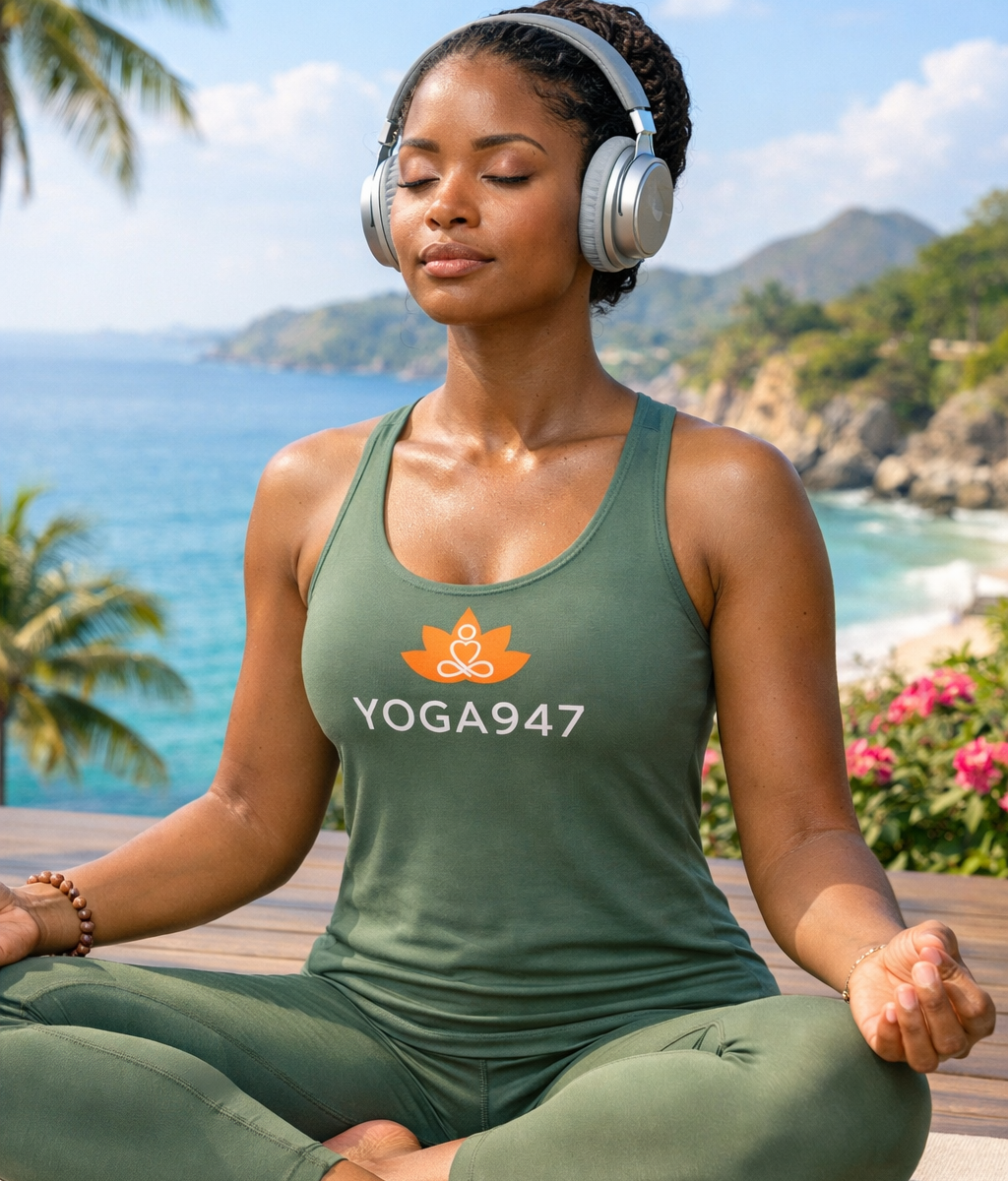
  • Listen for 10–20 minutes using good-quality stereo headphones (critical for true binaural beat perception).
  • Use tracks tuned to target specific brainwave bands depending on your intention (e.g., focus vs relaxation).
  • Combine this with traditional meditation cues (breath awareness, body scanning) for deeper practice.

Focus, One Moment at a Time

Binaural Focus Sprint Meditation offers a gentle yet structured way to reconnect with clarity in a world full of constant stimulation. By combining intentional awareness with carefully designed sound frequencies, this practice supports the mind in shifting toward a calmer, more focused state—without forcing concentration or effort.

While research into binaural beats continues to evolve, many people find this meditation especially helpful during periods of mental overload, decision fatigue, or creative stagnation. Practised consistently and mindfully, even short focus sprints can become powerful anchors throughout the day—helping you pause, reset, and return to tasks with renewed presence.

As with all meditation practices, the greatest benefit comes from personal experience rather than expectation. Approach binaural focus sessions with curiosity, patience, and self-compassion. Some days may feel deeply immersive; others may feel subtle—and both are valid.

At Yoga947, this practice is offered as a supportive tool—not a shortcut—to help you cultivate awareness, steadiness, and intentional focus. Let each session remind you that clarity is not something you chase, but something you gently return to—one breath, one sound, one moment at a time.

Frequently Asked Questions

Q: Do binaural beats really work?
A: Some research suggests they may influence attention, stress, and mood, but scientific evidence is still emerging and effects vary by person.

Q: How long should I listen?
A: Beginners often start with 10–20 minutes to feel noticeable effects without fatigue. Longer sessions are fine if comfortable.

Q: Do I need special equipment?
A: Yes — binaural beat effects only occur if each ear hears a distinct frequency, so quality stereo headphones are essential.

Q: Can it replace meditation?
A: Binaural beats can support meditation by helping shift brainwaves toward a relaxed or focused state, but they’re best experienced alongside mindful breathing or intentional awareness.


 Products to Support Binaural Focus Sprint Meditation

High-Quality Headphones

• Good stereo separation is essential.
• Wireless over-ear models often provide immersive comfort for meditation sessions.

Meditation & Focus Apps

 Comfort Enhancers

Eye masks, meditation cushions, and Leewadee Meditation Cushion Set – 1 Round Zafu Meditation Pillow and 1 Square Roll-Up Zabuton Meditation Mat, Pillows Bundle Filled with Kapok improve posture and relaxation during your sessions.

Meditation cushion set, adjustable Eye mask, and Sound-comfort accessories.

“For optimal binaural beat meditation, we recommend using high-fidelity stereo — explore top rated options here: [Headphones].

Also consider a comfortable meditation cushion to support a relaxed posture.”*You can also link to your trusted site space https://yogatrustedsite-space.trustedsite.space/ — as a resource hub where readers can find curated products and playlists that support their binaural focus sessions.


“Peace begins within — one breath, one vibration at a time.”
— Yoga947

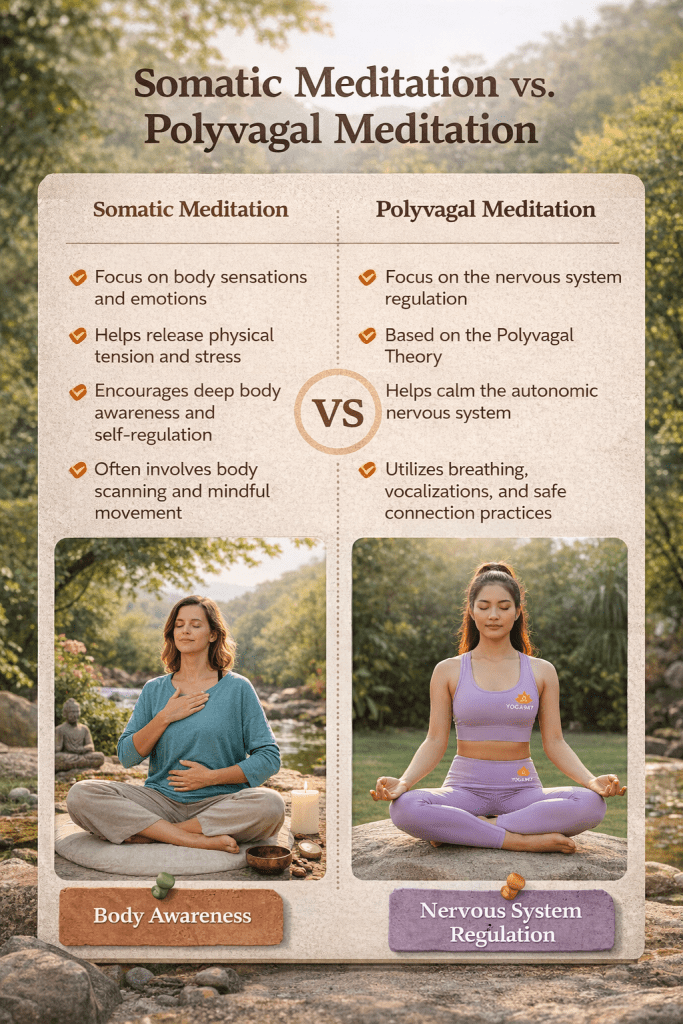
Polyvagal Somatic Meditation

A Gentle Practice to Regulate the Nervous System

Introduction: When the Body Needs Calm Before the Mind

In today’s fast-paced society, many people struggle to relax, even when they attempt to meditate. Traditional guided meditations, breath control, or long periods of silence can sometimes feel overwhelming rather than soothing.

Polyvagal Somatic Meditation offers a gentler alternative.

Instead of forcing calm or clearing the mind, this practice focuses on listening to the body, noticing sensations, and allowing the nervous system to naturally settle. There is no pressure to “do it right,” no need for perfect posture, and no requirement for guided audio.

This is a meditation of safety, softness, and self-trust — ideal for beginners and experienced practitioners alike.


What Is Polyvagal Somatic Meditation?

Polyvagal Somatic Meditation is inspired by modern understandings of the nervous system and the body’s innate ability to regulate itself when it feels safe.

Rather than working only with thoughts or breath, this practice gently brings awareness to:

  • Physical sensations
  • Subtle feelings of comfort or neutrality
  • The body’s natural rhythms

Somatic meditation teaches us that calm is not something we create — it is something we allow when the body no longer feels threatened.

This approach is especially helpful for those who:

  • Feel restless or anxious during meditation
  • Experience burnout or chronic stress
  • Prefer silence or minimal instruction
  • Want a body-based, grounding practice

Why Polyvagal Meditation Is Growing in Popularity (2025–2026)

As awareness grows around stress, trauma, and nervous system health, many people are seeking low-stimulation, body-led wellness practices.

Polyvagal somatic meditation is becoming popular because it:

  • Respects individual sensitivity
  • Avoids overwhelming guidance
  • Encourages self-paced healing
  • Works without complex techniques or tools

Rather than pushing through discomfort, this practice invites gentle presence, helping the nervous system recognise moments of safety and rest.


How to Practice Polyvagal Somatic Meditation

(No Guided Audio Required)

Read the instructions once, then allow yourself to practice in silence.

Step-by-Step Practice (7–10 Minutes)

1. Find a comfortable position
Sit or lie down in a way that feels supportive. You may close your eyes or keep them softly open.

2. Let the body arrive
Notice where your body makes contact with the chair, floor, or bed. Feel the support beneath you.

3. Allow the breath to be natural
There is no need to change or control your breathing. Simply notice it as it is.

4. Bring attention to sensation
Gently scan the body and notice any areas that feel:

  • Neutral
  • Warm
  • Heavy
  • Supported

There is no need to focus on discomfort.

5. Stay with what feels safe
When you find a sensation that feels steady or comforting, allow your awareness to rest there.

6. Remain for several minutes
If the mind wanders, gently return to the sensation or point of contact.

Optional timing guide

  • Minutes 0–3: Grounding & settling
  • Minutes 3–6: Sensory awareness
  • Minutes 6–10: Rest & integration

7. Closing the practice
When ready, gently open your eyes and notice how your body feels. 

4

Some people find it helpful to practice this meditation with soft ambient sounds rather than spoken guidance.

Gentle soundscapes can support nervous system regulation without distraction.

Recommended options

  • Rain or ocean sounds
  • Brown noise or low steady tones
  • Nature ambience (forest, wind, distant water)

These sounds can help create a sense of continuity and safety while keeping the practice silent and self-guided.

You may explore calming tools and sound resources through YogaTrustedSite, where supportive meditation accessories and sound options are curated for gentle practices.


Benefits of Polyvagal Somatic Meditation

With regular practice, many people experience:

  • Reduced stress and anxiety
  • Greater emotional regulation
  • Improved sleep readiness
  • Increased body awareness
  • A deeper sense of safety and grounding

Because this practice works with the nervous system rather than against it, benefits often feel subtle but deeply stabilising.

Who This Practice Is Especially Helpful For

Polyvagal Somatic Meditation may be ideal if you:

  • Feel overwhelmed by guided meditations
  • Are you recovering from burnout or chronic stress
  • Prefer silence or minimal instruction
  • Are new to meditation
  • Want a body-based approach to calm

There is no expectation to feel peaceful immediately. Even noticing moments of neutrality is progress.


Reflection Prompts (Optional Journaling)

After your meditation, you may wish to reflect on one or two of the following:

  • Where in my body did I feel the most support today?
  • What sensations helped me feel grounded?
  • What did my nervous system need during this practice?
  • How do I feel compared to before the meditation?

These reflections help integrate the practice gently into daily life.


A Gentle Invitation

Polyvagal Somatic Meditation reminds us that healing does not need to be intense or forced. Sometimes, the most powerful change begins with simply feeling safe enough to rest.

If you would like deeper support:

  • Explore the Polyvagal Somatic Reflection Mini Journal (coming soon)
  • Discover calming tools and ambient supports via YogaTrustedSite
  • Join the Yoga947 newsletter for weekly meditation guidance and gentle practices

Peace begins within the body — one safe moment at a time.
— Yoga947

Unlock the Benefits of Mindful Eating Meditation

Introduction

In this rapid altering environment, we often consume meals in a hurry. We barely taste our food as we rush to our next task. Mindful eating meditation offers a refreshing option. This practice invites us to slow down. It helps us savour each bite and tune into our bodies and minds. Mindful eating deepens our appreciation of food. It has roots in ancient traditions. It carries profound mental, emotional, and physical benefits. Whether you’re new to mindfulness, or you want to deepen your meditation practice, try mindful eating. It can be a powerful and transformative experience.

What is Mindful Eating Meditation?

Mindful eating meditation involves paying close attention to the act of eating. It uses all five senses to fully experience each bite. Unlike conventional eating, mindful eating encourages you to be fully present, observing the textures, flavours, and aromas of food. This practice is derived from mindfulness—a centuries-old meditation technique rooted in Buddhist teachings. Meditation traditionally focused on sitting in silence. Mindful eating extends mindfulness into our daily lives. It transforms a basic act into an opportunity for reflection and connection.

The Origins of Mindful Eating Meditation

The origins of mindful eating meditation come from the teachings of Siddhartha Gautama. He is also known as the Buddha. He lived over 2,500 years ago in India. The Buddha taught that mindfulness—being fully present in each moment—was essential for spiritual growth. In Buddhism, monks and followers would practice mindfulness in all aspects of their lives, including eating. Buddhist monks practice “Oryoki,” which translates to “just the right amount.” It is a form of mindful eating meditation. Each bite is considered and appreciated. This ancient practice emphasizes balance, gratitude, and awareness, encouraging practitioners to honor food as an essential part of life.

In recent years, mindful eating meditation has gained global popularity. Influential teachers like Thich Nhat Hanh contributed to this trend. He taught mindfulness in everyday activities, including eating. Today, it’s widely practiced outside religious contexts. Many people adopt mindful eating for its health benefits. It also has the ability to cultivate peace and self-awareness.

The Benefits of Mindful Eating Meditation

Mindful eating meditation offers a wide range of benefits for mental, emotional, and physical health. Here are some of the key ways it can enhance well-being:

  1. Enhances Digestion and Absorption
    When we eat mindfully, we’re less likely to eat in a rush, which supports better digestion. Slowing down allows the body to process food more effectively, promoting better nutrient absorption and reducing digestive discomfort.
  2. Reduces Overeating and Aids Weight Management
    Mindful eating encourages us to listen to our body’s signals. It helps us distinguish between hunger and emotional eating. By focusing on each bite, we’re more likely to recognize when we’re full. This reduces the urge to overeat. It supports a healthy weight.
  3. Improves Relationship with Food
    For many, food can be a source of stress or guilt. Mindful eating transforms eating into a positive experience, encouraging appreciation without judgment. This shift can foster a healthier, more balanced relationship with food.
  4. Increases Gratitude and Appreciation
    Practicing mindful eating invites us to appreciate the journey our food has taken to reach us. This includes everything from the farmers who grew it to the hands that prepared it. This awareness fosters gratitude and helps us build a deeper connection to the world around us.
  5. Reduces Stress and Anxiety
    Eating mindfully allows us to slow down, shift focus, and embrace the present moment. This break from multitasking can relieve stress and anxiety, creating a sense of calm and balance.
  6. Enhances Sensory Awareness
    Tuning into the flavors, textures, and aromas of food stimulates our senses and sharpens our awareness. Over time, this heightened sensory awareness can affect other areas of life. It makes us more present and attuned to our environment.
  7. Promotes Mind-Body Connection
    Mindful eating is an opportunity to tune into the body’s needs and rhythms. By listening closely to hunger and fullness cues, we strengthen our mind-body connection. This leads to greater self-care. It also enhances awareness in other areas of life.

How to Practice Mindful Eating Meditation

Here are some simple steps to begin practicing mindful eating meditation:

  • Prepare Your Space
    Start by sitting down in a calm, comfortable space. Remove any distractions, such as screens or phones, so you can fully immerse yourself in the experience.
  • Take a Moment of Gratitude
    Before you begin eating, pause for a moment. Express gratitude for the food in front of you. This helps set a positive intention for the practice.
  • Engage All Your Senses
    Notice the colors, textures, and aromas of the food on your plate. With your first bite, feel the textures, taste the flavors, and appreciate the sensations. Breathe between bites and try to focus only on the experience of eating.
  • Chew Slowly and Mindfully
    Chew each bite slowly, paying attention to how the flavors change and develop. This slow pace allows you to fully experience the taste. It lets your body signal when it’s time to stop eating.
  • Listen to Your Body’s Cues
    Throughout the meal, check in with your body. Notice when you feel satisfied rather than full, and give yourself permission to stop when you feel complete.

Conclusion

Mindful eating meditation is an enriching practice that brings together mindfulness and the joy of eating. It has roots in ancient traditions yet is highly relevant to our modern lives. By practicing mindful eating, we can improve our relationship with food. It helps enhance our health. We can also find moments of peace amidst our daily routines.

If you’re ready to explore a new way of connecting with yourself, consider incorporating mindful eating into your daily life. It’s more than just a meal—it’s a journey of awareness, gratitude, and transformation.

To explore mindful eating meditation further, here are some excellent resources that delve into its history, practices, and benefits:

  1. Books on Mindful Eating Meditation:
    • “Savor: Mindful Eating, Mindful Life” by Thich Nhat Hanh and Dr. Lilian Cheung – This book offers practical guidance. It also provides insights into the philosophy of mindful eating from a Zen Buddhist perspective.
    • “Mindful Eating: A Guide to Rediscovering a Healthy and Joyful Relationship with Food” by Jan Chozen Bays, MD – Dr. Bays is a pediatrician and Zen teacher. She offers exercises and guidance on how to practice mindful eating. Her advice can help improve your relationship with food.
  2. Online Resources and Organizations:
    • Center for Mindful Eating – This organization provides articles, free webinars, and professional training on mindful eating. Their website has a wealth of resources for anyone interested in learning more.
    • Mindful.org – This site has a wide variety of articles on mindfulness practices, including mindful eating, stress reduction, and meditation.
  3. Courses and Workshops:
    • Mindful Eating Programs – Many wellness centers offer specific courses on mindful eating. Online platforms like Insight Timer, Headspace, and Calm also provide these courses. These can be great for guided meditation sessions and daily practice.
  4. Academic Research and Journals:
    • Google Scholar has articles and studies focused on the benefits of mindful eating. These benefits include improvements in digestion, stress reduction, and weight management. You can find peer-reviewed research for a deeper understanding of its impact on health.
  5. Yoga and Meditation Centers:
    • Many yoga studios and meditation centers offer workshops or classes on mindful eating. Check out local centers or online events through platforms like Eventbrite.

These resources can provide a deeper understanding of mindful eating meditation and help you incorporate it effectively into your life.

Ready to transform your relationship with food and discover the peace of mindful eating? Start today by trying a few mindful bites at your next meal. For more tips on mindfulness practices, meditation techniques, and holistic wellness, explore more on Yoga947 and subscribe to our blog. Join our community on this journey toward greater awareness, health, and happiness—one mindful bite at a time.

Let’s make every meal a moment of mindfulness!

Transform Your Mind: Types of Sounds for Meditation


Introduction: The Healing Symphony of Sound

For centuries, humans have turned to sound as a way of connecting with their inner selves and the universe. Ancient cultures understood that sound has the power to transcend ordinary experience. It leads individuals into states of spiritual awakening, mental clarity, and physical rejuvenation. Across traditions, sound was a sacred tool in the hands of spiritual guides and healers. African sound traditions have played a significant role in ancient and traditional meditation practices. Drums, vocal chants, and rhythmic music were used to connect with the spiritual world, community, and self.

Spiritual leaders used vibrational chants in Vedic India. They employed the soothing resonance of gongs in ancient China. They also utilized the thunderous drums in Native American ceremonies.

In the modern era, sound has been rediscovered as a transformative force. It helps people reduce stress, find inner peace, and experience emotional freedom. This ancient practice has evolved into what we now call sound meditation. In this practice, soundscapes—whether from nature, instruments, chants, or digital frequencies—play a central role in centering the mind and body.

At Yoga947, we are passionate about exploring these powerful practices, with a focus on sound and crystal meditation. This article dives into the world of sound meditation, from its scientific foundations to practical techniques you can try. Whether you’re seeking calm, clarity, or a deeper spiritual journey, sound meditation offers a powerful pathway to self-discovery.


1. The Science of Sound in Meditation: Why Sound Resonates with the Mind and Body

Sound meditation isn’t just about hearing pleasant sounds. It taps into how sound waves affect our brain and body on a fundamental level.

  • Sound and Brainwaves
    Different sounds and rhythms can alter brainwave states, guiding the mind into relaxation or focus. When we hear certain frequencies, like the gentle hum of a Tibetan bowl, our brainwaves can slow down. They shift from the active Beta state into the calm Alpha. They can also enter meditative Theta or even sleep-inducing Delta states. This change allows the mind to quiet down and enter a state of deep peace and presence.
  • The Role of Vibration
    Sound travels through our bodies, causing cells and tissues to vibrate subtly. This resonance can alleviate tension and stimulate physical relaxation. Studies have shown that specific frequencies can lead to cellular rejuvenation, giving sound meditation a powerful healing quality.
  • Sound’s Connection to Emotion
    Sound triggers our limbic system, the emotional center of our brain. Think about how music can bring tears, make us laugh, or energize us. Sound meditation uses this connection to calm the mind, uplift the spirit, and bring emotional release.
  • Resonance and Chakra Alignment
    In many traditions, sound is used to balance energy centers, or chakras. Each chakra resonates with a particular frequency. Certain sounds or instruments can trigger or harmonize these energy points. This brings an experience of wholeness and alignment.

2. The Different Types of Sound Used in Meditation

a. Natural Sounds: Earth’s Music

Natural sounds hold a timeless appeal, helping to ground us and connect us to the world around us. Research even suggests that natural sounds can reduce stress and increase feelings of well-being.

  • Ocean Waves and Water
    The rhythmic, soothing quality of waves mimics our breathing pattern and heart rate. When meditating with ocean sounds, you find it easier to relax, letting go of anxiety.
  • Forest Ambience and Rain
    Forest sounds evoke a primal sense of security. Rain has a lulling, consistent rhythm. It quiets mental noise and helps the mind sink into a calm state.
  • Wind and Whispering Leaves
    These sounds encourage a soft, attentive awareness. They make it easier to focus on the breath and clear away intrusive thoughts.

b. Instrumental Sounds: Tools of Ancient Cultures

Instrumental sounds, especially those from ancient traditions, bring a profound depth to meditation.

  • Tibetan and Crystal Bowls
    Tibetan and crystal singing bowls have been used for centuries by monks and healers. Their resonant frequencies match human energy fields, helping clear blockages and balance chakras.
  • Gongs and Chimes
    Gongs create a deep, immersive soundscape that encourages inner exploration. Chimes, on the other hand, create bright, high-pitched tones that can lift your energy and create mental clarity.
  • Drums and Rhythmic Instruments
    Drumming creates a grounding effect. It helps to center your attention. It synchronizes your heartbeat with a steady, calming rhythm. It’s often used in shamanic traditions for connecting to the Earth.
  • Practical Tips for Beginners
    Beginners should start with one instrument at a time. They can focus on the sound’s rise and fall. Alternatively, they can breathe with each tone. This practice allows a deep connection with the sound and promotes a peaceful mind.

c. Vocal Sounds and Chants: The Power of the Human Voice

Chants and vocal sounds, like OM and AH, bring their unique vibration to meditation.

  • Primal Tones and Their Effects
    OM, for instance, is often called the universal sound. It is said to represent the vibration of the universe. When chanted, it resonates through the body, creating a feeling of unity.
  • Cultural and Spiritual Chants
    Many cultures have sacred chants. Examples include the HU in Sufism and various mantras in Hindu and Buddhist traditions. These chants amplify vibrational energy, leading to emotional and spiritual clarity.
  • Using Chants in Personal Practice
    To start chanting, begin with simple sounds, letting each syllable resonate deeply. Experimenting with different tones can reveal which sounds help you reach the most centered and calm state.

d. Binaural Beats and Isochronic Tones: Sound Technology for Meditation

Modern sound technology, such as binaural beats and isochronic tones, uses specific sound patterns to induce meditation.

  • Brainwave Entrainment
    Binaural beats are created by playing two slightly different frequencies in each ear. These beats guide brainwaves into specific states. Isochronic tones, by contrast, use pulsing sounds to achieve the same effect.
  • Choosing Frequencies for Different Needs
    Frequencies around 7-8 Hz (Theta) are ideal for deep relaxation. On the other hand, 10 Hz (Alpha) is suitable for alert relaxation. Lower frequencies can be used for deeper meditative and sleep states.
  • Using Binaural Beats Safely
    Start with short sessions if you are new to binaural beats. Choose a quiet environment. Consider using headphones, as this helps create the full effect.

e. Personalized Sounds and Creating Your Sound Meditation Journey

Personalized sounds—whether a favorite song, voice, or environment—can enhance the meditation experience.

  • The Role of Familiar Sounds
    Certain sounds or songs evoke a sense of peace unique to you. Integrating these familiar sounds into meditation can make the experience feel more profound.
  • Building a Personalized Sound Routine
    Experiment with different sounds and observe your response. Over time, you can create a unique sound routine. This routine should align with your specific goals, whether it’s relaxation, energy, or insight.

3. Sound Meditation Techniques and Tips: Practicing with Intention

  • Setting Intentions
    Before beginning a sound meditation, set an intention that aligns with your goal. Are you seeking clarity, relaxation, or emotional release? Focusing on a purpose gives direction to your practice.
  • Creating Your Sound Space
    Arrange your meditation space to reduce external noise. Ensure you have comfortable seating. Consider using quality headphones or speakers for clarity.
  • Beginner-Friendly Techniques
    Start by focusing on a single sound and noticing its layers, rhythm, and resonance. Allow your breath to sync with the sound’s rhythm for a deeper effect.
  • Advanced Techniques for Sound Enthusiasts
    Once comfortable, try adding periods of silence to contrast the sound. You can also use multiple sounds to enhance spatial awareness. This helps deepen focus.

4. Conclusion and Benefits Recap: Sound as a Path to Inner Peace

Sound meditation is a versatile tool that promotes mental clarity, emotional release, and spiritual connection. Sound can transport us, calming the mind, soothing the body, and elevating our spirit. At Yoga947, we believe in the power of sound as a path to self-discovery and inner peace. For those looking to deepen their journey, Mind Lake Academy offers guided meditation programs. These programs help you explore sound meditation in an enriching, supportive environment.

To deepen your journey with sound meditation, here are several valuable resources and communities where you can explore more about sound, frequencies, and meditation practices:

 Support and Resources for Sound Meditation

1. Meditation Apps with Sound Libraries
  • Insight Timer: This app offers a vast collection of free and premium sound meditation tracks. It includes guided sessions with Tibetan bowls, gongs, nature sounds, and binaural beats. You can explore sessions for sleep, relaxation, and focused breathing, and it’s easy to connect with like-minded practitioners.
  • Calm and Headspace: They offer a variety of soundscapes. The guided meditations incorporate calming soundtracks and binaural beats. These enhance your meditation experience.
2. Online Courses and Workshops
  • Mind Lake Academy: Mind Lake Academy offers personalized guidance. Their structured approach to sound meditation includes courses with experts. These courses focus on sound, frequencies, and the art of meditation. It’s a great place to start if you’re interested in exploring sound healing or building a deeper, consistent practice.
  • Udemy and Coursera: These platforms often feature sound healing and meditation courses. Practitioners who specialize in using sound tools like singing bowls, chimes, and gongs lead these courses. Look for highly-rated courses that align with your interests.
3. Books on Sound and Meditation
  • “Healing Sounds: The Power of Harmonics” by Jonathan Goldman: This book is a guide to the science of sound. It also delves into the spirituality of sound. It explains how sound vibrations influence the body and mind.
  • “The Power of Sound: How to Be Healthy and Productive Using Music and Sound” by Joshua Leeds. This book examines sound as a therapeutic tool. It explores these uses thoroughly. It offers insights into the healing potential of sound. It also explores practical ways to integrate sound into your wellness routine.
4. YouTube Channels and Online Communities
  • Yoga947: Our own channel is dedicated to providing crystal meditation. It also focuses on sound healing and mindfulness practices. These practices align with your spiritual journey. We aim to help you discover new sounds and techniques to deepen your meditation.
  • Sound Healing Networks and Facebook Groups: Many online communities focus on sound healing. These networks allow you to connect with others. You can share resources and discuss the effects of different sounds and meditation practices.
5. Local Meditation Centers and Sound Baths
  • Sound Baths: Many yoga and wellness studios offer sound bath sessions that incorporate instruments like Tibetan bowls, gongs, and chimes. Attending a sound bath can be an immersive experience that complements your at-home meditation.
  • Meditation Centers: Many meditation centers offer sound-focused classes or workshops. These can be a great way to learn about sound meditation in a community setting.
By exploring these resources, you can continue your journey with sound meditation. Discover tools, techniques, and communities that resonate with your goals. Remember, each experience with sound meditation is unique, and there are endless ways to explore its transformative effects.

Ready to deepen your meditation journey through the power of sound? You may be new to sound meditation. Or you’re looking to expand your practice. Exploring different sounds can open up transformative possibilities for peace. It can also foster focus and emotional healing. At Yoga947, we’re here to support your journey with insightful resources, crystal meditation practices, and expert guidance.

Elevate your practice with the resources available through Mind Lake Academy. You can access structured courses and find a supportive community of like-minded practitioners. Discover how sound meditation can help you find balance. It can enhance your spiritual growth. It also creates a life of calm and clarity.

Let’s embrace the transformative power of sound together! Follow us at Yoga947 for more insights and start your sound meditation journey today. 🌟