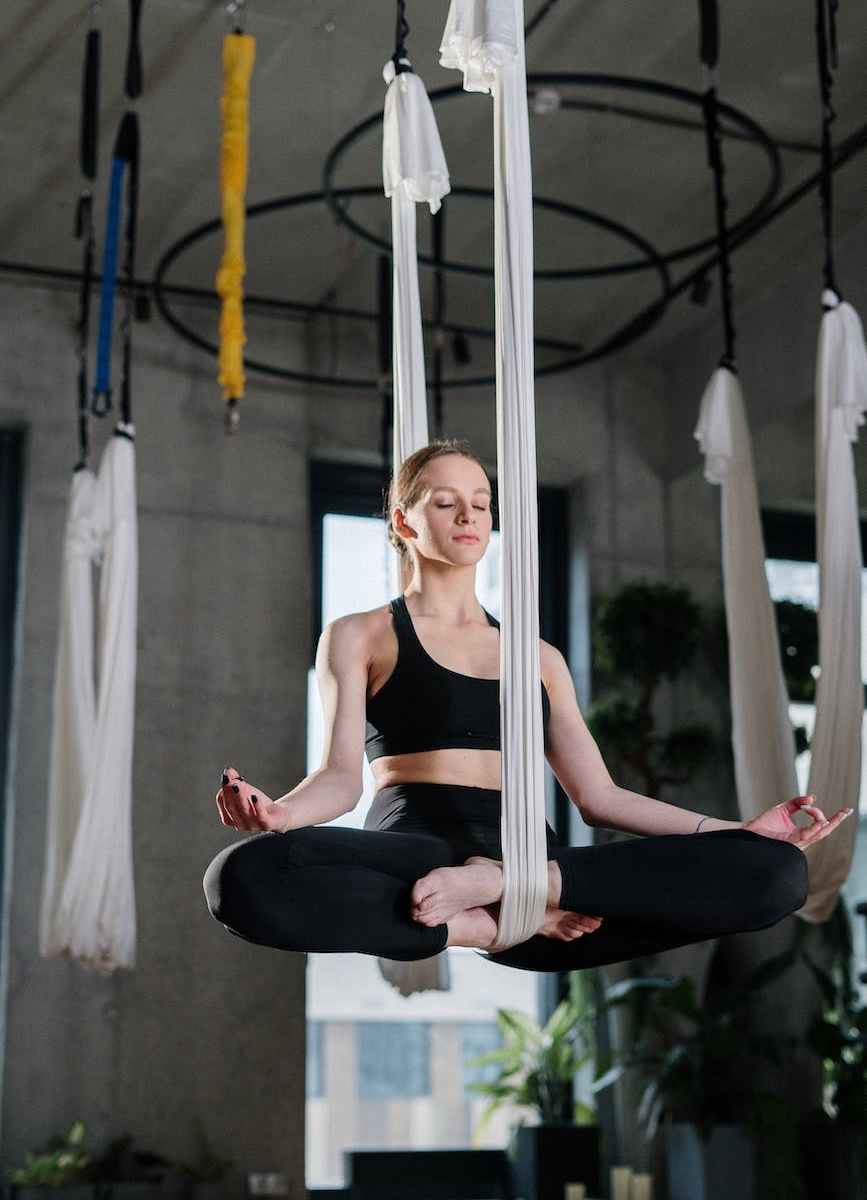
Yoga Benefits For Women.

What Are The Yoga Benefits For Women?

Yoga offers a multitude of significant benefits for women, both physically and mentally. It is a holistic practice that encompasses postures, breathing techniques, and meditation, which collectively promote overall well-being. Here are some of the significant benefits of yoga for women:

1. Stress Reduction: Yoga provides an excellent means of stress relief. It encourages mindfulness, relaxation, and deep breathing, which can help women manage the stressors of daily life. The practice of yoga reduces the production of stress hormones like cortisol and activates the relaxation response, leading to a calmer state of mind.

2. Improved Flexibility: Yoga involves a series of asanas (postures) that gently stretch and elongate muscles and connective tissues. Over time, regular practice can significantly improve flexibility, making daily activities easier and reducing the risk of injury.

3. Enhanced Strength: Many yoga poses require you to support your body weight or hold positions for extended periods. This results in increased muscle strength, particularly in the core, arms, legs, and back. This added strength can help women with day-to-day tasks and improve posture.

4. Pain Management: Yoga can be beneficial for managing various types of pain, including menstrual cramps, lower back pain, and joint pain. Gentle stretching and strengthening exercises in yoga can alleviate discomfort and improve overall physical comfort.

5. Hormonal Balance: Some yoga poses stimulate and massage the endocrine glands, helping to balance hormonal levels. This can be particularly beneficial for women dealing with hormonal fluctuations during menstruation, pregnancy, or menopause.

6. Better Posture: Yoga encourages awareness of body alignment and balance. Over time, this awareness can lead to improved posture, reducing the risk of developing musculoskeletal problems and enhancing self-confidence.

7. Weight Management: While yoga alone may not result in significant weight loss, it can contribute to a healthy lifestyle. It promotes mindfulness and conscious eating, making it easier for women to make healthier food choices and maintain a healthy weight.

8. Mental Health: Yoga is known for its positive impact on mental health. It can reduce symptoms of anxiety, depression, and insomnia. Regular practice fosters a sense of calm, emotional stability, and improved self-esteem, making it an excellent complement to therapy or medication when necessary.

9. Menstrual Health: Yoga can alleviate menstrual discomfort and irregularities by increasing blood flow to the pelvic region, reducing cramps, and calming the nervous system. Specific poses like Supta Baddha Konasana and Balasana are particularly helpful during menstruation.

10. Pelvic Floor Health: Many yoga poses focus on strengthening the pelvic floor muscles, which can help with bladder control, support reproductive organs, and improve sexual function.

11. Pre- and Post-Natal Benefits: Prenatal yoga can help women maintain fitness, reduce stress, and prepare their bodies for childbirth. Postnatal yoga aids in regaining strength and flexibility after pregnancy and can provide a supportive community for new mothers.

12. Enhanced Digestion: Certain yoga poses, like twists and forward bends, stimulate the digestive organs, aiding in better digestion and regular bowel movements.

13. Community and Support: Joining a yoga class can provide women with a sense of community and support, fostering connections and friendships that contribute to overall well-being.

14. Anti-Aging Benefits: Regular yoga practice can improve skin health by increasing blood circulation, reducing stress-related wrinkles, and promoting a youthful glow.

15. Self-Care: Yoga promotes self-care and self-awareness, encouraging women to take time for themselves and prioritize their mental and physical health.

It’s important to note that the benefits of yoga for women may vary depending on individual needs, fitness levels, and specific health concerns. Women should consult with a qualified yoga instructor or healthcare provider to tailor their practice to their unique requirements and ensure that they practice safely.
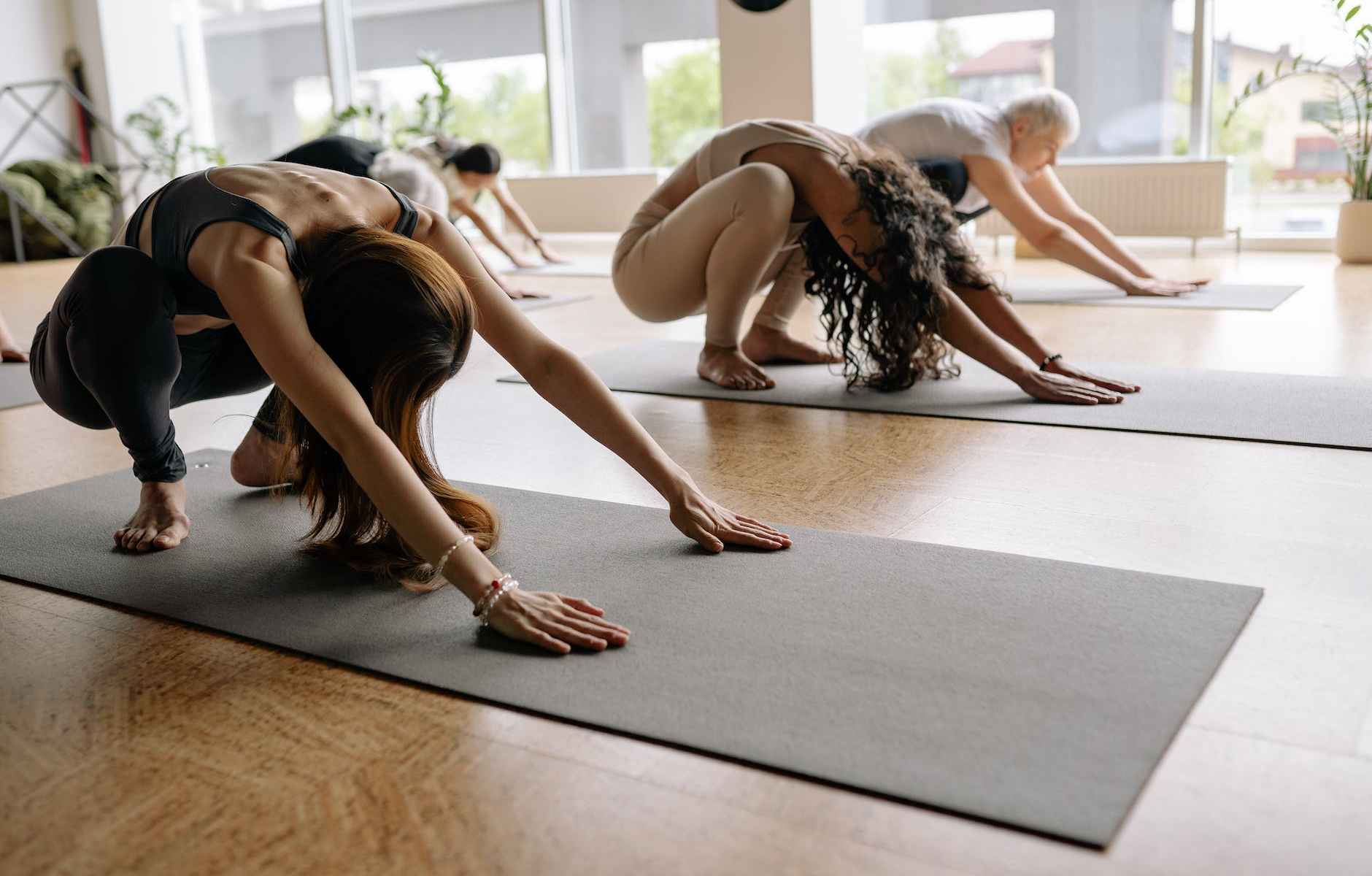
Top 20 Yoga Styles.

The diversity in these Yoga styles allows individuals to find a practice that resonates with them, whether seeking physical fitness, mental clarity, emotional healing, spiritual growth, or a combination of these elements. Together, these practices provide a comprehensive view of Yoga’s ability to positively influence all aspects of human life.

Top 20 Yoga Practices

  • 1.    Hatha Yoga:
    • Details: Hatha is often considered the foundational practice of Yoga. It includes gentle postures (asanas) and breathing techniques (pranayama) that are perfect for beginners.
    • Impact: By enhancing physical strength, flexibility, and mental calmness, Hatha Yoga can improve overall well-being, reduce stress, and serve as an excellent introduction to other types of Yoga.
  • 2.     Vinyasa Yoga:
    • Details: Vinyasa is characterized by seamless transitions between postures, coordinated with breath. It’s fluid, graceful, and often vigorous.
    • Impact: Vinyasa’s continuous flow can boost cardiovascular health, improve coordination, and enhance mental focus, making it suitable for those looking to integrate mindfulness into a robust physical practice.
  • 3.    Ashtanga Yoga:
    • Details: Ashtanga is a challenging and systematic series of poses performed in a specific order. It’s physically demanding and requires discipline.
    • Impact: Practitioners often experience increased stamina, strength, and flexibility, making it suitable for those seeking an intense physical workout that also fosters self-discipline and perseverance.
  • 4. Kundalini Yoga:
    • Details: Kundalini combines postures, meditation, chanting, and breathwork to awaken the spiritual energy within.
    • Impact: It offers profound spiritual growth, enhances self-awareness, and often leads to personal transformation and a deeper understanding of one’s purpose in life.
  • 5. Iyengar Yoga:
    • Details: Iyengar focuses on alignment and precision, often using props like belts and blocks to assist in perfecting poses.
    • Impact: Ideal for therapeutic purposes, Iyengar’s meticulous attention to alignment can aid rehabilitation, improve posture, and increase flexibility and balance.
  • 6. Bikram/Hot Yoga:
    • Details: Performed in a heated room, Bikram follows a sequence of 26 poses. The heat facilitates deeper stretching and promotes sweating.
    • Impact: Bikram’s intensity can improve flexibility, stamina, and detoxification, making it suitable for those looking to challenge themselves physically and mentally.
  • 7. Yin Yoga:
    • Details: Yin involves holding passive poses for extended periods to stretch connective tissues.
    • Impact: By allowing time for deep reflection and relaxation, Yin enhances flexibility, calms the mind, and fosters an introspective awareness that permeates daily life.
  • 8. Restorative Yoga:
    • Details: This gentle practice uses props to support complete relaxation in each pose, often held for several minutes.
    • Impact: Restorative Yoga’s focus on relaxation can significantly reduce stress and anxiety, aiding in sleep and emotional balance, and providing a restful break in a busy lifestyle.
  • 9. Prenatal Yoga:
    • Details: Tailored for pregnant women, this practice supports the body’s changes during pregnancy and prepares for childbirth.
    • Impact: By strengthening the body, enhancing flexibility, and providing emotional support, Prenatal Yoga can be a nurturing practice for expectant mothers.
  • 10. Aerial Yoga:
  • Details: Combining traditional Yoga with aerial arts, Aerial Yoga uses a hammock to allow gravity-assisted poses.
  • Impact: By introducing a playful element, Aerial Yoga enhances balance, strength, and flexibility, making exercise enjoyable and engaging.
  • 11. Corporate and Workplace Yoga:
  • Details: This is designed to fit into the workplace, often during lunch breaks or before/after work.
  • Impact: By reducing stress, improving concentration, and fostering teamwork, Workplace Yoga can enhance overall work productivity and satisfaction.
  • 12. Yoga Therapy:
  • Details: This personalized practice adapts Yoga to specific health challenges or goals.
  • Impact: By complementing medical treatments, Yoga Therapy can support healing and offer coping strategies for chronic conditions.
  • 13. Adaptive Yoga:
  • Details: Adaptive Yoga modifies traditional poses for those with disabilities or special needs.
  • Impact: By making Yoga accessible, it supports overall well-being, empowerment, and community for those who might otherwise be excluded from the practice.
  • 14. Jivamukti Yoga:
  • Details: Jivamukti integrates physical practice with ethical and spiritual aspects, often including chanting and philosophical teachings.
  • Impact: By connecting body, mind, and spirit, Jivamukti fosters a sense of holistic well-being and compassionate living.
  • 15. Anusara Yoga:
  • Details: Anusara emphasizes “heart opening” poses and aligns physical practice with a heart-centered philosophy.
  • Impact: Through the cultivation of joy, self-expression, and connection, Anusara can enhance relationships and bring positivity into daily life.
  • 16.  Kripalu Yoga:
  • Details: Kripalu focuses on meditation, breathwork, and self-reflection, often allowing spontaneous movement.
  • Impact: Kripalu can be a transformative practice that affects all areas of life by promoting self-acceptance and emotional healing.
  • 17.  Sivananda Yoga:
  • Details: This holistic practice includes a set sequence, along with teachings on diet, positive thinking, and meditation.
  • Impact: Sivananda’s comprehensive approach encourages a healthy lifestyle, spiritual growth, and a balanced approach to daily living.
  • 18. Power Yoga:
  • Details: This high-intensity form of Yoga emphasizes strength and muscle building, often appealing to athletes.
  • Impact: By boosting strength, stamina, and weight loss, Power Yoga can be a vital part of a fitness regimen and aid in overall physical transformation.
  • 19.  Tantra Yoga:
  • Details: Tantra involves rituals, visualization, and practices that aim to weave together the physical and spiritual.
  • Impact: Tantra’s deep spiritual exploration can enhance consciousness, intimacy, and a connection to the universe, impacting a person’s overall life philosophy.
  • 20. Pranayama (Breath Control):
  • Details: Although not a type of Yoga in itself, Pranayama is the practice of controlling the breath and is often integrated into many Yoga practices.
  • Impact: Pranayama’s focus on the breath can improve lung capacity, reduce stress, enhance focus, and elevate overall health, enriching every moment of daily life.

These 20 types represent the richness and diversity of Yoga, providing options for every person, regardless of age, fitness level, or personal goals. Through the exploration of these practices, individuals can find paths to physical health, emotional balance, spiritual growth, and a holistic understanding of themselves and the world around them.