
Fascia Release Meditation: Restore Mobility, Ease Tension & Reconnect with Your Body

Introduction: Why Fascia Release Matters in a Tense World

Modern life places constant strain on the body — prolonged sitting, repetitive movements, emotional stress, and shallow breathing all contribute to deep-seated tension. Often, this tension isn’t just in the muscles, but within the fascia, the connective tissue that links everything together.

Fascia Release Meditation is a gentle, mindful practice that combines breath, awareness, and subtle movement to soften restrictions in the fascia while calming the nervous system. Unlike forceful stretching, this approach works with the body — not against it — allowing release to happen naturally.

At Yoga947, fascia release meditation is taught as a body-mind reset, supporting mobility, emotional regulation, and long-term wellbeing.


What Is Fascia? (And Why It’s So Important)

Fascia is a continuous web of connective tissue that surrounds muscles, bones, organs, nerves, and blood vessels. It gives structure to the body while allowing fluid movement.

Key roles of fascia include:

  • Supporting posture and alignment
  • Transmitting force between muscles
  • Providing sensory feedback to the brain
  • Responding to stress, trauma, and emotional states

When fascia becomes dehydrated, overstimulated, or restricted, it can contribute to:

  • Chronic pain or stiffness
  • Reduced mobility
  • Fatigue and poor posture
  • Heightened stress responses

Meditation that focuses on breath and awareness helps restore hydration, elasticity, and communication within fascial tissue.


The History of Fascia-Focused Healing

Although fascia research is relatively modern, fascia-based practices have ancient roots.

Traditional Foundations

  • Yogic stretching, Qigong, and Tai Chi all emphasise slow, elastic movement that stimulates connective tissue.
  • Eastern body-mind systems recognised that tension and emotion live in the body, long before fascia was anatomically defined.

Modern Developments

  • Osteopathic medicine and physical therapy in the 20th century began studying fascia’s role in pain and mobility.
  • Myofascial release techniques emerged, focusing on sustained, gentle pressure rather than force.
  • Today, mindfulness and somatic practices integrate meditation with fascia awareness, bridging neuroscience, anatomy, and self-healing.

What Does Science Say? (Research-Based Evidence)

While “fascia release meditation” as a term is still emerging, research strongly supports its core components:

✔ Fascia & Sensory Awareness

Fascia contains a high concentration of sensory receptors, making it deeply responsive to slow movement and attention.

✔ Meditation & Pain Reduction

Studies show meditation can reduce chronic pain, anxiety, and sleep disturbances —all factors that influence fascial tension.

✔ Nervous System Regulation

Mindfulness practices reduce sympathetic (stress) activation, allowing fascia to soften rather than guard.

✔ Fascia-Focused Movement Studies

Clinical research demonstrates that regular fascial exercises improve:

  • Mobility and flexibility
  • Sleep quality
  • Anxiety and mood regulation
  • Headache and tension symptoms

Together, this supports fascia release meditation as a safe, evidence-aligned complementary practice.


Daily Benefits of Fascia Release Meditation

Practised consistently, this meditation supports:

1. Reduced Physical Tension

Gentle awareness helps release long-held restrictions without strain.

2. Improved Mobility & Flexibility

Fascia responds best to slow, mindful movement rather than forceful stretching.

3. Stress & Emotional Balance

Fascia tightens under stress — calming the nervous system allows it to unwind.

4. Enhanced Body Awareness

Develops proprioception and early awareness of tension patterns.

5. Better Sleep & Recovery

Relaxed fascia supports parasympathetic (rest-and-repair) states.

6. Injury Prevention

Improved tissue awareness encourages healthier movement habits.


How to Practice Fascia Release Meditation (Simple Daily Method)

Duration: 10–20 minutes
Position: Seated or lying down

  1. Begin with slow nasal breathing
  2. Bring awareness to areas of tightness or heaviness
  3. Visualise the tissue softening and expanding with each exhale
  4. Introduce subtle movements (micro-rolls, gentle stretches)
  5. Pause and observe sensations without judgment
  6. End with stillness and grounding breath

Tools & Products to Support Your Practice

Recommended Physical Tools

(Available via: https://yogatrustedsite-space.trustedsite.space/)

  • Foam rollers (gentle preparation before meditation)
  • Massage or fascia balls
  • Yoga blocks and straps
  • Meditation cushions and mats
  • Soft blankets for nervous system comfort

Frequently Asked Questions (FAQ)

Is fascia release meditation safe for beginners?

Yes — it is gentle, slow, and adaptable for all levels.

Is this the same as foam rolling?

No. Foam rolling is mechanical; fascia release meditation focuses on internal awareness and nervous system relaxation.

How often should I practice?

Daily short sessions (10–15 minutes) are more effective than occasional long sessions.

Can this help emotional tension?

Yes. Fascia responds to emotional stress, and mindful release can support emotional regulation.

Do I need equipment?

No — tools are optional but can enhance comfort and awareness.

Returning to Ease Through Fascia Awareness

Fascia Release Meditation invites us to slow down and listen to the body in a deeper way. Rather than forcing flexibility or pushing through discomfort, this practice encourages gentle awareness, allowing the connective tissue to soften naturally as the nervous system settles.

Through consistent practice, fascia release meditation can support greater ease of movement, reduced tension, emotional balance, and a stronger sense of body trust. It reminds us that healing does not always require effort — sometimes it begins with stillness, breath, and attention.

“Peace begins within — one breath, one vibration at a time.”
— Yoga947
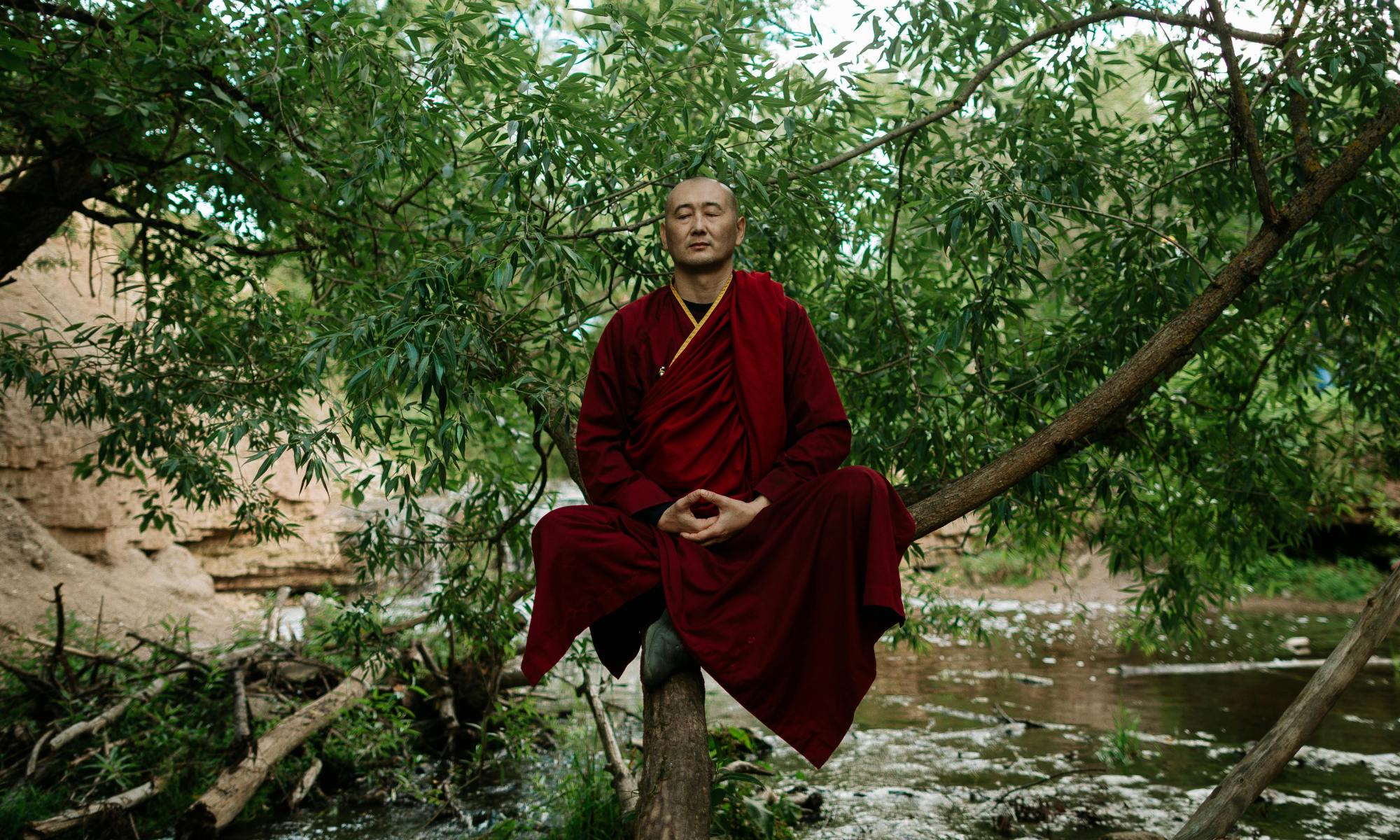
Japa Meditation: The Power of Sacred Repetition

Introduction

Life at times may feel like a struggle and finding inner peace can feel like a challenge. “Don’t give up”. Many people seek ways to calm their minds, reduce stress, and develop a deeper connection to their spiritual selves. One ancient technique that has stood the test of time is Japa Meditation. This practice involves chanting or repeating a sacred mantra. It brings focus, clarity, and a sense of profound peace.

Japa Meditation is often linked with spiritual disciplines and mindfulness practices that help cultivate inner stability and balance. The process involves continuous repetition of a mantra. This mantra can be a single syllable, a phrase, or the sacred name of a deity. This technique is widely used in Hinduism, Buddhism, and other spiritual traditions worldwide. Unlike silent meditation, Japa engages both the voice and the mind. This dual engagement makes it easier to maintain concentration and block out distractions.

Japa Meditation offers a simple yet powerful method. It helps cultivate mindfulness, spiritual awakening, and inner harmony. This is true whether you are new to meditation or looking to deepen your spiritual practice. This guide explores its historical roots, purposes, benefits, and practical ways to integrate it into your life.


The History of Japa Meditation

Japa Meditation has its roots in ancient Hindu, Buddhist, and Jain traditions, dating back thousands of years. The Sanskrit word “Japa” means “muttering” or “repetition,” reflecting the meditative act of continuously reciting a mantra. Mantras are sacred sounds or phrases believed to possess spiritual energy and transformative power.

This practice is closely linked to Vedic traditions. It was used as a means of focusing the mind. It also invoked divine energies and deepened one’s connection to higher realms of consciousness. The Upanishads, Bhagavad Gita, and various Hindu scriptures highlight the significance of Japa as a path to spiritual liberation.

In Hinduism, Japa Meditation is often linked with Bhakti Yoga (the path of devotion). It is also related to Raja Yoga (the path of meditation) and Jnana Yoga (the path of knowledge). Many spiritual leaders, monks, and sages have emphasized the power of Japa in attaining self-realization and enlightenment. It is also widely practiced in Tibetan Buddhism, where specific mantras are recited to cultivate wisdom and compassion.

One of the most well-known mantras in Japa Meditation is the “Om Mani Padme Hum” mantra in Tibetan Buddhism. It is believed to invoke the blessings of Avalokiteshvara, the Buddha of Compassion. Similarly, in Hinduism, the “Hare Krishna” mantra is widely used for spiritual awakening. The “Om Namah Shivaya” mantra is also frequently used for divine connection.

Over time, Japa Meditation has transcended religious boundaries. It is now embraced by people of various backgrounds for its calming and transformative effects.


Purpose and Benefits of Japa Meditation

The primary purpose of Japa Meditation is to quiet the mind, awaken spiritual awareness, and center the spirit. Practitioners repeat a mantra continuously. This helps them attune their consciousness to higher vibrations. They align themselves with peace, wisdom, and positivity.

Purpose of Japa Meditation

  • Spiritual Connection: Helps individuals connect with divine consciousness and inner truth.
  • Mind Control: Trains the mind to remain focused, reducing distractions and negative thoughts.
  • Emotional Balance: Encourages a peaceful and stable state of mind, reducing reactivity to stress.
  • Manifestation and Intention Setting: Enhances the power of affirmations and intentions.
  • Energy Cleansing: Clears mental, emotional, and spiritual blockages.

Key Benefits of Japa Meditation

  • Reduces Stress and Anxiety: The rhythmic chanting of a mantra helps calm the nervous system. It lowers cortisol levels and alleviates stress and anxiety.
  • Enhances Concentration and Focus: Repetition of a mantra trains the mind to stay present, improving mental clarity and decision-making.
  • Promotes Emotional Healing: Mantras are powerful vibrational tools that help replace negative thought patterns with uplifting and affirming energy.
  • Supports Spiritual Growth: This practice fosters a deeper sense of connection to higher consciousness and inner wisdom.
  • Encourages Mindfulness and Inner Peace: The repetition of a mantra anchors awareness in the present moment. It helps to cultivate serenity and gratitude.
  • Improves Sleep Quality: Many practitioners report that Japa Meditation before bed helps them fall asleep faster and sleep more deeply.
  • Boosts Self-Confidence: Strengthening one’s inner connection through Japa often leads to a more positive self-image. It also results in a greater sense of empowerment.

Personal Experiences and Reviews

Many practitioners of Japa Meditation have reported profound changes in their lives. Here are some testimonials from individuals who have found transformation through this practice:

“Japa Meditation has been a game-changer for me. It has helped me manage my anxiety and find a sense of inner calm. My mornings now begin with a mantra, and I feel more centered throughout the day.” – Maria K.

“I was struggling with negative thoughts and restlessness. Practicing Japa Meditation daily has brought a sense of clarity and purpose to my life. It’s incredible how something so simple can create such a powerful impact.” – David L.

“Since incorporating Japa into my routine, my spiritual awareness has deepened. I feel more in tune with my intuition and experience a greater sense of gratitude.” – Priya S.


Additional Resources for Japa Meditation

If you’re interested in exploring Japa Meditation further, here are some resources to help you deepen your practice:

Books:

  • “Japa Yoga: The Ancient Science of Mantra Chanting” by Swami Sivananda
  • “The Heartfulness Way: Heart-Based Meditations for Spiritual Transformation” by Kamlesh D. Patel
  • “The Power of Mantra & The Mystery of Initiation” by Pandit Rajmani Tigunait

Online Support and Communities:

  • YouTube Channels: Offering guided Japa meditations and mantra chanting sessions.
  • Yoga947 Community: Engage with like-minded individuals who practice Japa and other forms of meditation.
  • Meditation Apps: Such as Insight Timer, Headspace, and Sattva for guided Japa sessions.

Conclusion

Japa Meditation is a timeless practice that offers profound benefits for the mind, body, and spirit. Whether you seek peace, clarity, or spiritual growth, integrating mantra repetition into your daily routine can be a transformative experience.

Are you ready to start your journey with Japa Meditation? Try a simple mantra today and experience the serenity it brings. Share your experiences in the comments below, or explore more meditation practices on our Yoga947 blog!

Additionally, we are working on a comprehensive eBook on Japa Meditation! Stay tuned for its release on Yoga947.com, where we will explore step-by-step techniques, advanced practices, and personalized guidance for deepening your meditation journey!