Best Chair Yoga for Men

Introduction: How to do chair yoga

Chair yoga offers numerous benefits for men, particularly those who may have mobility issues, are recovering from injuries, or are looking for a low-impact way to improve their physical and mental health. Here are the key benefits based on the provided sources:

Physical Benefits

1. Improved Flexibility and Mobility

Chair yoga helps to enhance flexibility and range of motion, which is crucial for performing daily activities and preventing injuries. The gentle stretches involved in chair yoga can gradually increase flexibility without putting undue stress on the body.

2. Increased Strength

Despite being a low-impact exercise, chair yoga can help build muscle strength, particularly in the core, legs, and upper body. Poses like seated twists and arm balances engage various muscle groups, promoting overall strength and endurance.

3. Better Balance and Coordination

Chair yoga improves balance and proprioception (the sense of body position), which are essential for preventing falls and maintaining stability. This is particularly beneficial for older men or those with balance issues.

4. Pain Management

Chair yoga can help reduce pain, particularly in individuals with chronic conditions like arthritis. The gentle movements and stretches can alleviate joint stiffness and improve circulation, leading to reduced pain and discomfort.

5. Enhanced Joint Health

The gentle mobilization movements in chair yoga help lubricate joints and alleviate stiffness, which is beneficial for maintaining joint health and preventing degenerative conditions.

Mental and Emotional Benefits

1. Stress Reduction

Chair yoga incorporates relaxation techniques and mindfulness, which can significantly reduce stress and anxiety. The practice of focusing on breath and body sensations helps activate the relaxation response, counteracting the effects of stress hormones like cortisol.

2. Improved Mental Clarity and Focus

The mindfulness aspect of chair yoga enhances mental clarity and focus. By directing attention to the present moment, practitioners can improve their concentration and cognitive function.

3. Enhanced Self-Efficacy and Empowerment

Successfully completing chair yoga poses can boost self-efficacy and a sense of accomplishment. This empowerment can lead to increased confidence and a more positive outlook, which are beneficial for mental health.

4. Better Sleep Quality

Regular practice of chair yoga can improve sleep quality by promoting relaxation and reducing stress. Better sleep contributes to overall well-being and can enhance daily functioning.

Accessibility and Inclusivity

1. Accessibility for All Fitness Levels

Chair yoga is highly accessible and can be practiced by individuals of all fitness levels, including those with limited mobility, balance issues, or chronic conditions. This inclusivity makes it an excellent option for men who might find traditional yoga challenging.

2. Convenience

Chair yoga can be practiced almost anywhere, including at home or in the office, making it a convenient option for incorporating physical activity into a busy schedule.

Conclusion

Chair yoga offers a comprehensive range of physical, mental, and emotional benefits for men. It improves flexibility, strength, balance, and joint health while reducing stress, enhancing mental clarity, and promoting better sleep. Its accessibility makes it suitable for men of all ages and fitness levels, providing a practical and effective way to enhance overall well-being.

How does chair yoga compare to traditional yoga for stress relief?

Chair yoga and traditional yoga both offer significant benefits for stress relief, but they cater to different needs and capabilities. Here’s a detailed comparison based on the provided sources:

Similarities in Stress Relief Benefits

1. Activation of the Relaxation Response

Both chair yoga and traditional yoga activate the parasympathetic nervous system, which helps shift the body from a state of stress (sympathetic nervous system activation) to a state of relaxation. This shift reduces heart rate, lowers blood pressure, and decreases cortisol levels, thereby alleviating stress and anxiety.

2. Mindfulness and Breathing Techniques

Both forms of yoga incorporate mindfulness and controlled breathing techniques (pranayama), which are essential for reducing stress. These practices help calm the mind, improve focus, and promote a sense of well-being.

3. Physical Postures and Movement

Engaging in physical postures, whether seated or on the floor, helps release tension stored in the body, particularly in areas like the shoulders, neck, and back. This physical release contributes to overall stress reduction.

Differences in Stress Relief Benefits

1. Accessibility and Inclusivity

  • Chair Yoga: Chair yoga is more accessible to individuals with limited mobility, balance issues, or those recovering from injuries. It allows these individuals to experience the stress-relieving benefits of yoga without the need for getting up and down from the floor, making it an excellent option for seniors, office workers, and those with physical limitations.
  • Traditional Yoga: Traditional yoga involves a wider range of poses, including standing, sitting, and floor-based postures, which may not be accessible to everyone. However, it offers a more comprehensive physical workout, which can also contribute to stress relief through more intense physical exertion.

2. Intensity and Physical Demand

  • Chair Yoga: The intensity of chair yoga is generally lower compared to traditional yoga. It focuses on gentle, supported movements that are less strenuous, making it suitable for beginners and those looking for a low-impact exercise option.
  • Traditional Yoga: Traditional yoga can vary in intensity, from gentle Hatha yoga to more vigorous styles like Vinyasa or Ashtanga. The physical demand of traditional yoga can lead to a more significant release of endorphins, which are natural stress relievers.

3. Environment and Convenience

  • routines, which can help maintain consistent practice and ongoing chair yoga

Chair yoga can be practiced almost anywhere, including at home, in the office, or in community centers, without the need for special equipment or attire. This convenience makes it easier to incorporate into daily ongoing stress relief.

  • Traditional Yoga: Traditional yoga often requires a dedicated space, a yoga mat, and sometimes additional props like blocks and straps. While this setup can create a more immersive experience, it may also present barriers to regular practice for some individuals.

Conclusion

Both chair yoga and traditional yoga are effective for stress relief, offering similar benefits through mindfulness, controlled breathing, and physical movement. Chair yoga stands out for its accessibility and convenience, making it an excellent option for those with physical limitations or busy schedules. Traditional yoga, with its varying intensity levels and comprehensive physical engagement, may provide a more robust physical workout and a different kind of stress relief experience. The choice between the two depends on individual needs, physical capabilities, and personal preferences.

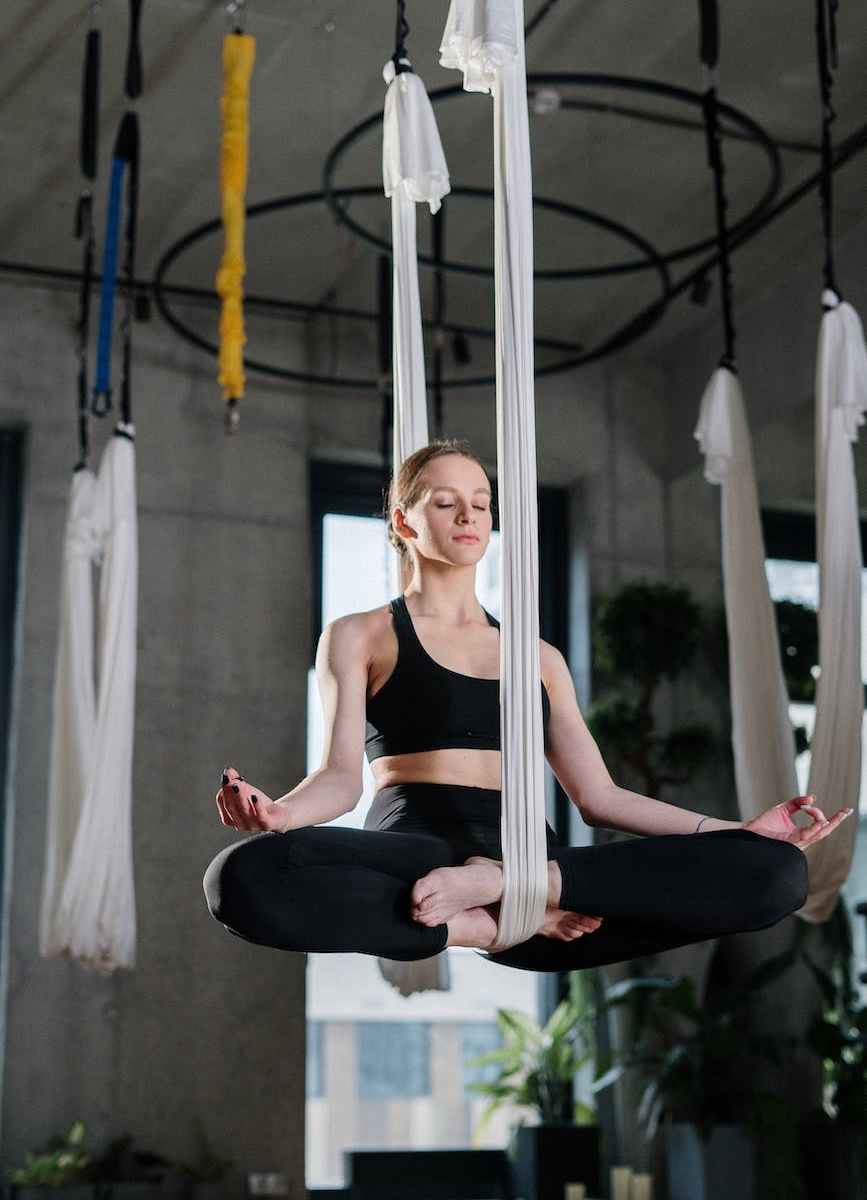
A Path To Deep Relaxation and Self-Discovery.

Yoga Nidra, often referred to as “yogic sleep,” is a profound and ancient practice that has its roots in the rich tapestry of Indian yogic traditions. This deeply meditative technique offers a journey into a state of conscious relaxation that transcends the boundaries of ordinary relaxation. Yoga Nidra has gained widespread recognition and popularity in recent years for both men and women, as it provides a powerful tool for managing stress, enhancing overall well-being, and delving into the inner realms of self-awareness.

Originating in ancient India:

Yoga Nidra can trace its origins back to the ancient yogic scriptures and texts. It is believed to have been first mentioned in the Upanishads, a collection of sacred Hindu texts that explore the profound aspects of consciousness and spirituality. The practice of Yoga Nidra was further developed and refined by yogis and sages over centuries, particularly in the tantric traditions. Its evolution was marked by a deep understanding of the human psyche and a recognition of the potential for profound transformation through guided relaxation and meditation.

The essence of Yoga Nidra:

At its core, Yoga Nidra is a systematic and guided form of meditation that takes participants on an inner journey. Unlike conventional meditation practices that require intense concentration, Yoga Nidra invites practitioners to lie down comfortably and relax while a skilled guide leads them through a series of body scans, breath awareness, and visualizations. The aim is to induce a state of deep relaxation, a borderland between wakefulness and sleep, where profound healing and self-discovery can occur.

Why Yoga Nidra is used today for both men and women:

In today’s fast-paced and often stressful world, Yoga Nidra has emerged as a valuable tool for individuals of all genders seeking inner calm, stress relief, and personal growth. Here are some of the reasons why it is used widely today:

  • Stress Reduction: Yoga Nidra is renowned for its ability to alleviate stress and anxiety. By guiding practitioners into a state of deep relaxation, it helps reduce the physical and mental tension that accumulates in daily life.
  • Enhanced Sleep: In an era where sleep disorders are increasingly common, Yoga Nidra offers a natural way to improve the quality of sleep. Regular practice can help individuals overcome insomnia and enjoy more restful nights.
  • Emotional Healing: Yoga Nidra encourages emotional healing by allowing practitioners to explore and release buried emotions, traumas, and blockages. It offers a safe space for processing and healing past wounds.
  • Increased Awareness: This practice fosters heightened self-awareness and introspection. As individuals journey through the layers of consciousness, they gain insights into their true nature and life’s purpose.
  • Improved Concentration and Creativity: Yoga Nidra enhances cognitive function, promoting better concentration, creativity, and problem-solving abilities.
  • Holistic Health: By reducing stress and promoting relaxation, Yoga Nidra can have positive effects on physical health. It is used as a complementary therapy for various conditions, such as chronic pain, hypertension, and digestive issues.
  • Gender-Inclusive: Yoga Nidra is a practice that is accessible to people of all genders, making it a valuable resource for both men and women seeking to improve their mental, emotional, and physical well-being.

In summary, Yoga Nedra’s journey from ancient roots to modern-day prominence demonstrates its timeless efficacy as a tool for deep relaxation, self-discovery, and overall wellness. As more people recognize its benefits, Yoga Nidra continues to empower individuals to explore the depths of their consciousness and find peace in an increasingly hectic world.

To find reliable resources for Yoga Nidra for both men and women from around the world, you can explore a variety of sources. Here are some suggestions:

  • 1. YouTube: There are many reputable YouTube channels and instructors who offer guided Yoga Nidra sessions. Some popular channels include Yoga with Adriene, Boho Beautiful, and Yoga Nidra Network. Look for videos with a high number of views and positive comments.
  • 2. Yoga Apps: There are several yoga apps available, such as YogaGlo, Daily Yoga, and Insight Timer. These apps often have guided Yoga Nidra sessions for users to follow.
  • 3. Online Yoga Communities: Websites and forums like Yoga Forums and Yoga Journal often have discussions and recommendations for Yoga Nidra resources. You can ask for recommendations from experienced practitioners.
  • 4. Books: Many authors have written books on Yoga Nidra, including Swami Satyananda Saraswati’s “Yoga Nidra,” and Richard Miller’s “Yoga Nidra: A Meditative Practice for Deep Relaxation and Healing.” These books provide valuable insights into the practice.
  • 5. Local Yoga Studios: Many yoga studios offer classes and workshops in Yoga Nidra. You can check with studios in your area or look for virtual classes if you prefer online resources.
  • 6. Podcasts: There are podcasts dedicated to yoga and meditation. Some episodes may focus on Yoga Nidra. Search for these podcasts in your favorite podcast app and explore their content.
  • 7. Online Yoga Courses: Websites like Udemy and Coursera often offer online courses in Yoga Nidra. These courses are usually led by experienced instructors and are structured to provide in-depth knowledge and guided sessions.
  • 8. Social Media: Platforms like Instagram and Facebook have yoga and meditation communities. You can follow instructors and organizations dedicated to Yoga Nidra and receive regular updates on their content and recommendations.
  • 9. Meditation Apps: Apps like Calm and Headspace also offer guided meditation sessions, which may include Yoga Nidra practices.
  • 10. Yoga Retreats and Workshops: Consider attending a yoga retreat or workshop dedicated to Yoga Nidra. These events are often conducted by experienced teachers and offer immersive experiences.
  • 11. Online Forums and Reddit: Platforms like Reddit have dedicated yoga and meditation communities where you can seek recommendations and advice from fellow practitioners.

Remember to evaluate the credibility of the resources you find. Look for reviews, credentials of instructors, and the quality of the content. Different instructors and resources may have slightly different approaches to Yoga Nidra, so explore different options to find the one that resonates with you the most.

In conclusion, Yoga Nidra is a profound and versatile practice that offers powerful tools for relaxation and self-discovery. It can be found through various online and offline resources, including YouTube, apps, books, local studios, podcasts, and online courses. The practice of Yoga Nidra is significant as it enables individuals to experience deep relaxation, reduce stress, and promote mental and physical well-being. It also serves as a gateway to self-discovery, allowing practitioners to explore the depths of their consciousness and gain insights into their true selves. By integrating Yoga Nidra into their lives, individuals can unlock a path to inner peace and personal growth, making it a valuable addition to their well-being and mindfulness practices.

Yoga Benefits For Women.

What Are The Yoga Benefits For Women?

Yoga offers a multitude of significant benefits for women, both physically and mentally. It is a holistic practice that encompasses postures, breathing techniques, and meditation, which collectively promote overall well-being. Here are some of the significant benefits of yoga for women:

1. Stress Reduction: Yoga provides an excellent means of stress relief. It encourages mindfulness, relaxation, and deep breathing, which can help women manage the stressors of daily life. The practice of yoga reduces the production of stress hormones like cortisol and activates the relaxation response, leading to a calmer state of mind.

2. Improved Flexibility: Yoga involves a series of asanas (postures) that gently stretch and elongate muscles and connective tissues. Over time, regular practice can significantly improve flexibility, making daily activities easier and reducing the risk of injury.

3. Enhanced Strength: Many yoga poses require you to support your body weight or hold positions for extended periods. This results in increased muscle strength, particularly in the core, arms, legs, and back. This added strength can help women with day-to-day tasks and improve posture.

4. Pain Management: Yoga can be beneficial for managing various types of pain, including menstrual cramps, lower back pain, and joint pain. Gentle stretching and strengthening exercises in yoga can alleviate discomfort and improve overall physical comfort.

5. Hormonal Balance: Some yoga poses stimulate and massage the endocrine glands, helping to balance hormonal levels. This can be particularly beneficial for women dealing with hormonal fluctuations during menstruation, pregnancy, or menopause.

6. Better Posture: Yoga encourages awareness of body alignment and balance. Over time, this awareness can lead to improved posture, reducing the risk of developing musculoskeletal problems and enhancing self-confidence.

7. Weight Management: While yoga alone may not result in significant weight loss, it can contribute to a healthy lifestyle. It promotes mindfulness and conscious eating, making it easier for women to make healthier food choices and maintain a healthy weight.

8. Mental Health: Yoga is known for its positive impact on mental health. It can reduce symptoms of anxiety, depression, and insomnia. Regular practice fosters a sense of calm, emotional stability, and improved self-esteem, making it an excellent complement to therapy or medication when necessary.

9. Menstrual Health: Yoga can alleviate menstrual discomfort and irregularities by increasing blood flow to the pelvic region, reducing cramps, and calming the nervous system. Specific poses like Supta Baddha Konasana and Balasana are particularly helpful during menstruation.

10. Pelvic Floor Health: Many yoga poses focus on strengthening the pelvic floor muscles, which can help with bladder control, support reproductive organs, and improve sexual function.

11. Pre- and Post-Natal Benefits: Prenatal yoga can help women maintain fitness, reduce stress, and prepare their bodies for childbirth. Postnatal yoga aids in regaining strength and flexibility after pregnancy and can provide a supportive community for new mothers.

12. Enhanced Digestion: Certain yoga poses, like twists and forward bends, stimulate the digestive organs, aiding in better digestion and regular bowel movements.

13. Community and Support: Joining a yoga class can provide women with a sense of community and support, fostering connections and friendships that contribute to overall well-being.

14. Anti-Aging Benefits: Regular yoga practice can improve skin health by increasing blood circulation, reducing stress-related wrinkles, and promoting a youthful glow.

15. Self-Care: Yoga promotes self-care and self-awareness, encouraging women to take time for themselves and prioritize their mental and physical health.

It’s important to note that the benefits of yoga for women may vary depending on individual needs, fitness levels, and specific health concerns. Women should consult with a qualified yoga instructor or healthcare provider to tailor their practice to their unique requirements and ensure that they practice safely.