Exploring the Power of Mudras in Meditation

In the world of yoga and meditation, Mudras are powerful tools—often overlooked but deeply transformative. These symbolic hand gestures are visually beautiful. They serve as energy gateways that can enhance your meditation. They balance your body and deepen your spiritual practice.

In this post, we’ll explore the meaning and origins of Mudras. We will discuss how they work within meditation and their yogic connection. We will also look at the benefits they offer. Lastly, you’ll learn how you can begin using them today for a calmer, more connected life.


What Are Mudras?

The word Mudra (Sanskrit: मुद्रा) means “seal,” “gesture,” or “symbol.” In yoga and meditation traditions, Mudras are deliberate hand or body positions. They are believed to channel energy flow within the body. They are commonly used during pranayama (breathwork), dhyana (meditation), and asana (physical postures). These practices help to deepen focus and cultivate specific states of mind. They also stimulate physical or energetic healing.

Mudras work on the premise that each finger represents one of the five elements:

  • Thumb – Fire (Agni)
  • Index Finger – Air (Vayu)
  • Middle Finger – Ether/Space (Akasha)
  • Ring Finger – Earth (Prithvi)
  • Little Finger – Water (Jala)

By positioning the fingers in specific ways, practitioners can influence the flow of prana (life force energy). This practice helps restore balance and heal imbalances in the mind and body.


The Origins and History of Mudras

Mudras have ancient roots, appearing in Indian texts and art dating back over 3,000 years. They were used in Hinduism, Buddhism, and Jainism for both religious rituals and personal spiritual practice. Statues of the Buddha and depictions of Hindu deities often show symbolic Mudras. These Mudras represent peace, fearlessness, teaching, and divine connection.

Historically, yogis used Mudras during long meditation retreats to help retain focus and channel subtle energies more effectively. Over time, Mudras became integrated into Hatha Yoga, Kundalini Yoga, and even traditional healing systems like Ayurveda.


Mudras in Meditation: A Pathway to Stillness

In meditation, Mudras serve as energetic anchors. They help:

  • Calm the nervous system
  • Ground the mind in the present moment
  • Awaken subtle energetic pathways
  • Strengthen intention and awareness

You can incorporate Mudras while seated in meditation, lying in relaxation (such as Savasana), or during walking meditations. The simple act of forming a Mudra can signal your brain to enter a specific mental or emotional state.


Five Powerful Mudras to Start With

  1. Gyan Mudra (Mudra of Knowledge)
    • Touch the tip of the index finger to the thumb.
    • Benefits: Boosts concentration, sharpens memory, and inspires calm thinking.
  2. Chin Mudra (Gesture of Consciousness)
    • Similar to Gyan, but palms face down.
    • Benefits: Grounds the mind, enhances self-awareness.
  3. Prana Mudra (Life Force Gesture)
    • Touch the tip of the ring and little fingers to the thumb.
    • Benefits: Increases vitality, reduces fatigue, and supports immune function.
  4. Apana Mudra (Energy of Elimination)
    • Touch the tip of the middle and ring fingers to the thumb.
    • Benefits: Aids digestion, detoxification, and emotional release.
  5. Dhyana Mudra (Meditation Gesture)
    • Rest one hand over the other in your lap, thumbs touching to form an oval.
    • Benefits: Enhances deep meditation, inner peace, and spiritual insight.

How Mudras Support Meditation and Well-Being

Mudra Meditation offers more than symbolic hand movements—it brings tangible benefits:

  • Reduces stress and anxiety
  • Balances the elements within the body
  • Enhances mental clarity and focus
  • Awakens energy centers (chakras)
  • Improves emotional regulation and mindfulness
  • Supports spiritual growth and intuitive awareness

Many practitioners report that adding Mudras to their routine strengthens the effects of breathwork. It also enhances seated meditation. This practice allows them to enter deeper states of relaxation and gain more insight.


The Connection Between Mudras and Yoga

Your main focus may be meditation. It’s helpful to know that Mudras are woven into many yoga styles. These include Kundalini Yoga, Hatha Yoga, and Restorative Yoga. When paired with breath control and movement, Mudras can help circulate energy through the body’s nadis (energy channels). They can also circulate energy through chakras, supporting healing and balance.

In this way, Mudras become bridges between the outer practice of movement and the inner practice of stillness.


Case Study: Transforming a Meditation Practice with Mudras

Grace, a beginner meditator, struggled with staying focused during her morning practice. After incorporating Gyan Mudra with slow breathing, she found her thoughts quieted faster and her body felt more relaxed. Within weeks, she began exploring other Mudras like Apana and Prana to support digestion and emotional balance. “I never realized how something so small—just a hand gesture—could shift my whole energy,” she said.


Support Groups and Learning Resources

For those interested in deepening their Mudra Meditation journey, there are several helpful options:

  • 🧘 Local Workshops & Yoga Studios: Many host Mudra-based meditation classes or workshops.
  • Online Communities: Facebook groups, forums like Reddit’s r/Meditation, and YouTube channels offer guidance and shared experiences.
  • Books & PDFs: Consider titles like The Healing Power of Mudras. You can also join the Yoga947 guided meditation library to access printable guides. Additionally, find audio meditations there.
  • Yoga947 Community: Join our beginner-friendly meditation challenges, including weekly blogs, Mudra meditations and Chakra healing awareness.

Call to Action: Begin Your Mudra Meditation Journey Today

Are you ready to experience the power of Mudras?

Start by selecting just one Mudra—like Gyan or Prana—and incorporate it into your next meditation. Even five minutes a day can awaken new layers of stillness, balance, and insight.

🖐️ Join the Yoga947 Meditation Library for guided Mudra meditations. Access printable cheat sheets and calming audio practices. These resources are designed to support your wellness journey—wherever you are.

>> Discover your inner calm—one Mudra at a time.
Top 20 Yoga Styles.

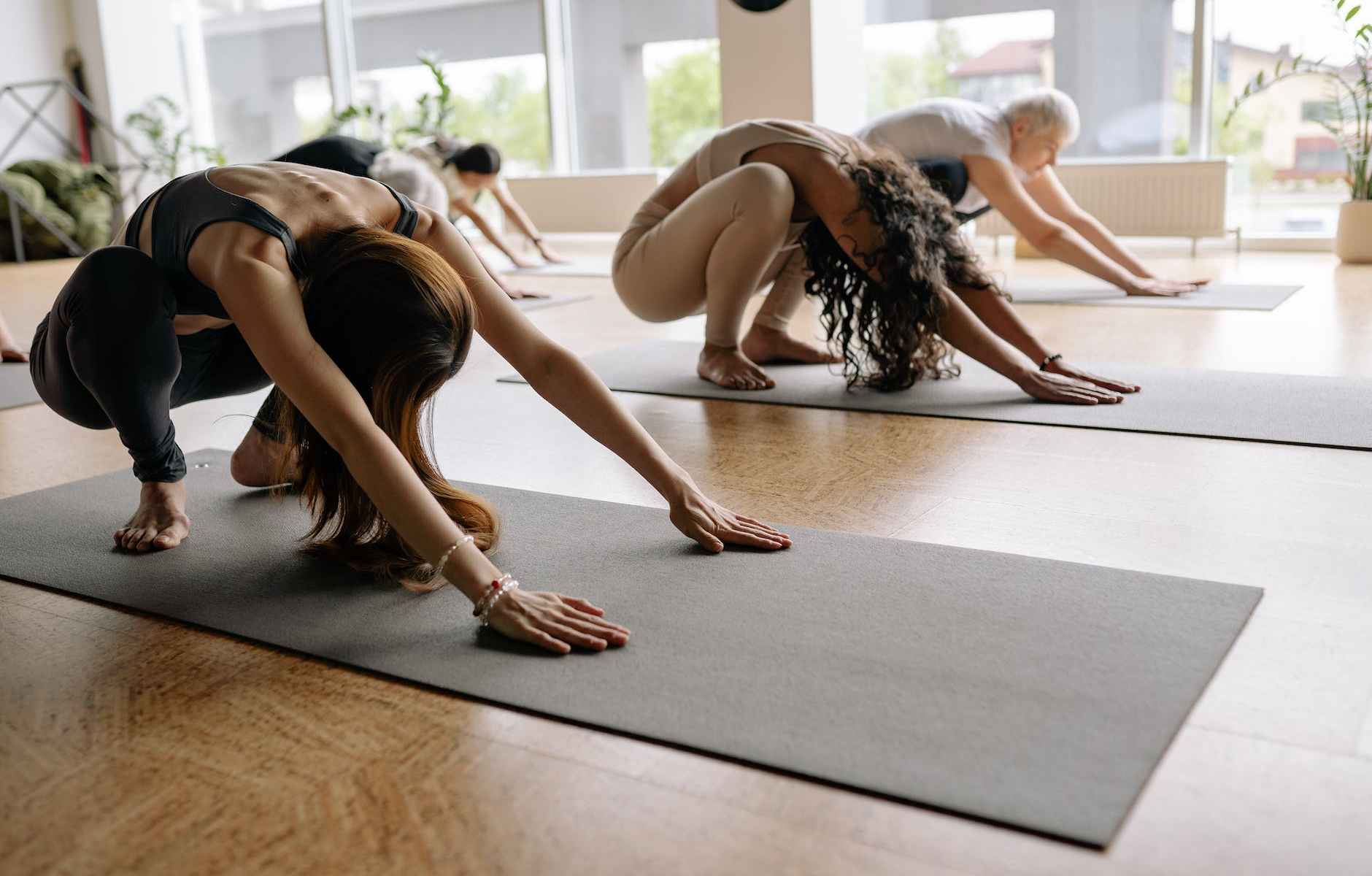
The diversity in these Yoga styles allows individuals to find a practice that resonates with them, whether seeking physical fitness, mental clarity, emotional healing, spiritual growth, or a combination of these elements. Together, these practices provide a comprehensive view of Yoga’s ability to positively influence all aspects of human life.

Top 20 Yoga Practices

  • 1.    Hatha Yoga:
    • Details: Hatha is often considered the foundational practice of Yoga. It includes gentle postures (asanas) and breathing techniques (pranayama) that are perfect for beginners.
    • Impact: By enhancing physical strength, flexibility, and mental calmness, Hatha Yoga can improve overall well-being, reduce stress, and serve as an excellent introduction to other types of Yoga.
  • 2.     Vinyasa Yoga:
    • Details: Vinyasa is characterized by seamless transitions between postures, coordinated with breath. It’s fluid, graceful, and often vigorous.
    • Impact: Vinyasa’s continuous flow can boost cardiovascular health, improve coordination, and enhance mental focus, making it suitable for those looking to integrate mindfulness into a robust physical practice.
  • 3.    Ashtanga Yoga:
    • Details: Ashtanga is a challenging and systematic series of poses performed in a specific order. It’s physically demanding and requires discipline.
    • Impact: Practitioners often experience increased stamina, strength, and flexibility, making it suitable for those seeking an intense physical workout that also fosters self-discipline and perseverance.
  • 4. Kundalini Yoga:
    • Details: Kundalini combines postures, meditation, chanting, and breathwork to awaken the spiritual energy within.
    • Impact: It offers profound spiritual growth, enhances self-awareness, and often leads to personal transformation and a deeper understanding of one’s purpose in life.
  • 5. Iyengar Yoga:
    • Details: Iyengar focuses on alignment and precision, often using props like belts and blocks to assist in perfecting poses.
    • Impact: Ideal for therapeutic purposes, Iyengar’s meticulous attention to alignment can aid rehabilitation, improve posture, and increase flexibility and balance.
  • 6. Bikram/Hot Yoga:
    • Details: Performed in a heated room, Bikram follows a sequence of 26 poses. The heat facilitates deeper stretching and promotes sweating.
    • Impact: Bikram’s intensity can improve flexibility, stamina, and detoxification, making it suitable for those looking to challenge themselves physically and mentally.
  • 7. Yin Yoga:
    • Details: Yin involves holding passive poses for extended periods to stretch connective tissues.
    • Impact: By allowing time for deep reflection and relaxation, Yin enhances flexibility, calms the mind, and fosters an introspective awareness that permeates daily life.
  • 8. Restorative Yoga:
    • Details: This gentle practice uses props to support complete relaxation in each pose, often held for several minutes.
    • Impact: Restorative Yoga’s focus on relaxation can significantly reduce stress and anxiety, aiding in sleep and emotional balance, and providing a restful break in a busy lifestyle.
  • 9. Prenatal Yoga:
    • Details: Tailored for pregnant women, this practice supports the body’s changes during pregnancy and prepares for childbirth.
    • Impact: By strengthening the body, enhancing flexibility, and providing emotional support, Prenatal Yoga can be a nurturing practice for expectant mothers.
  • 10. Aerial Yoga:
  • Details: Combining traditional Yoga with aerial arts, Aerial Yoga uses a hammock to allow gravity-assisted poses.
  • Impact: By introducing a playful element, Aerial Yoga enhances balance, strength, and flexibility, making exercise enjoyable and engaging.
  • 11. Corporate and Workplace Yoga:
  • Details: This is designed to fit into the workplace, often during lunch breaks or before/after work.
  • Impact: By reducing stress, improving concentration, and fostering teamwork, Workplace Yoga can enhance overall work productivity and satisfaction.
  • 12. Yoga Therapy:
  • Details: This personalized practice adapts Yoga to specific health challenges or goals.
  • Impact: By complementing medical treatments, Yoga Therapy can support healing and offer coping strategies for chronic conditions.
  • 13. Adaptive Yoga:
  • Details: Adaptive Yoga modifies traditional poses for those with disabilities or special needs.
  • Impact: By making Yoga accessible, it supports overall well-being, empowerment, and community for those who might otherwise be excluded from the practice.
  • 14. Jivamukti Yoga:
  • Details: Jivamukti integrates physical practice with ethical and spiritual aspects, often including chanting and philosophical teachings.
  • Impact: By connecting body, mind, and spirit, Jivamukti fosters a sense of holistic well-being and compassionate living.
  • 15. Anusara Yoga:
  • Details: Anusara emphasizes “heart opening” poses and aligns physical practice with a heart-centered philosophy.
  • Impact: Through the cultivation of joy, self-expression, and connection, Anusara can enhance relationships and bring positivity into daily life.
  • 16.  Kripalu Yoga:
  • Details: Kripalu focuses on meditation, breathwork, and self-reflection, often allowing spontaneous movement.
  • Impact: Kripalu can be a transformative practice that affects all areas of life by promoting self-acceptance and emotional healing.
  • 17.  Sivananda Yoga:
  • Details: This holistic practice includes a set sequence, along with teachings on diet, positive thinking, and meditation.
  • Impact: Sivananda’s comprehensive approach encourages a healthy lifestyle, spiritual growth, and a balanced approach to daily living.
  • 18. Power Yoga:
  • Details: This high-intensity form of Yoga emphasizes strength and muscle building, often appealing to athletes.
  • Impact: By boosting strength, stamina, and weight loss, Power Yoga can be a vital part of a fitness regimen and aid in overall physical transformation.
  • 19.  Tantra Yoga:
  • Details: Tantra involves rituals, visualization, and practices that aim to weave together the physical and spiritual.
  • Impact: Tantra’s deep spiritual exploration can enhance consciousness, intimacy, and a connection to the universe, impacting a person’s overall life philosophy.
  • 20. Pranayama (Breath Control):
  • Details: Although not a type of Yoga in itself, Pranayama is the practice of controlling the breath and is often integrated into many Yoga practices.
  • Impact: Pranayama’s focus on the breath can improve lung capacity, reduce stress, enhance focus, and elevate overall health, enriching every moment of daily life.

These 20 types represent the richness and diversity of Yoga, providing options for every person, regardless of age, fitness level, or personal goals. Through the exploration of these practices, individuals can find paths to physical health, emotional balance, spiritual growth, and a holistic understanding of themselves and the world around them.