Beginner’s Guide to Qigong Meditation

Awaken Your Inner Energy Flow Through Stillness and Breath

Introduction: The Art of Gentle Energy Cultivation

Qigong Meditation (氣功冥想)

Meaning:

  • “Qi” (氣) = life energy or vital breath
  • “Gong” (功) = skill, cultivation, or mastery
    So Qigong means “the skill of working with life energy.”

Purpose:
Qigong meditation focuses on balancing, gathering, and circulating Qi within the body to promote healing, longevity, and spiritual awareness.
It combines slow, flowing movements, breathing techniques, and visualizations to open the body’s meridians (energy pathways).

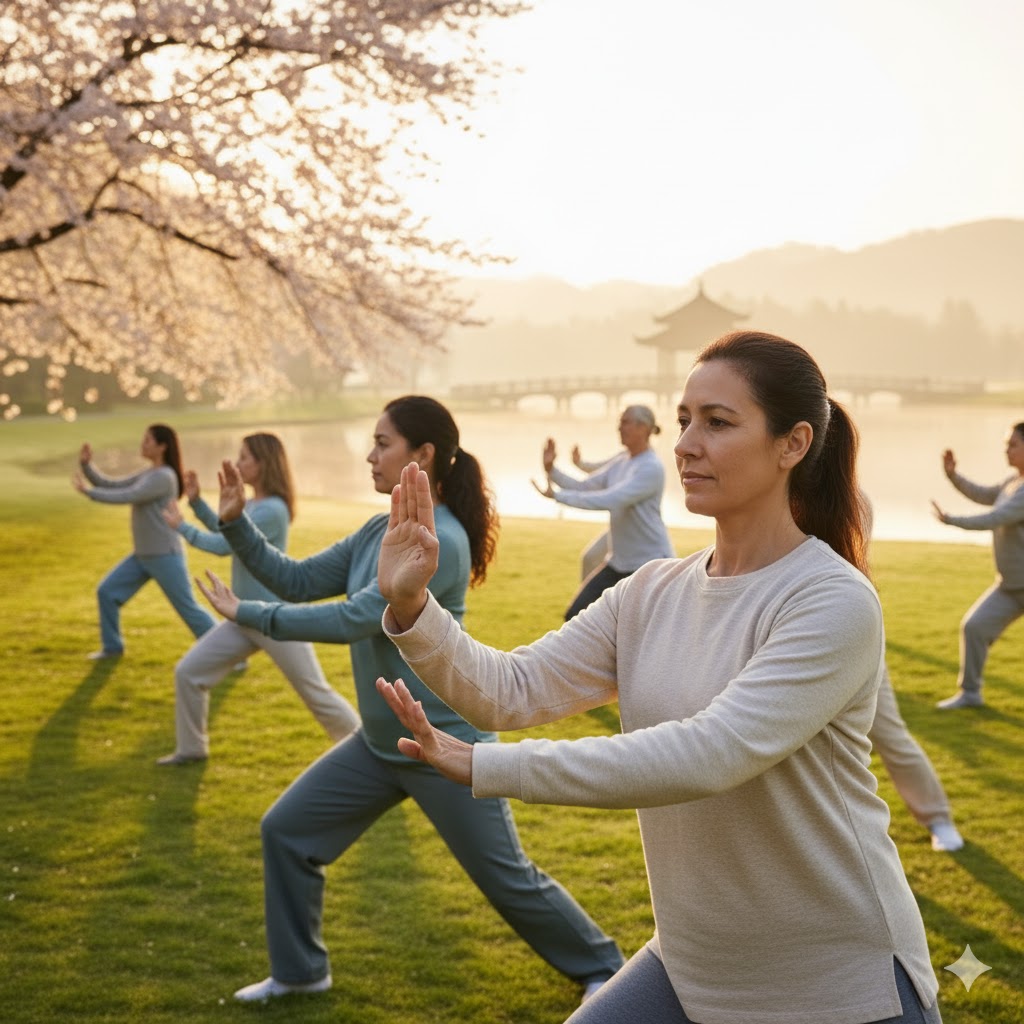
Qigong meditation (pronounced chee-gong) is an ancient Chinese practice that harmonizes mind, body, and energy. Often described as “moving meditation,” Qigong blends slow rhythmic movement, conscious breathing, and mindful awareness to restore balance and vitality from within.

While yoga focuses on prana — the life force that flows through every living being — Qigong focuses on qi (or chi), the same vital energy that animates the body and the universe. Both systems share a common goal: to awaken a deeper connection between the physical and spiritual self.


 The Roots of Qigong

The origins of Qigong reach back over 4,000 years to ancient China, where healers, monks, and martial artists developed it as a form of energy medicine and spiritual cultivation.

Early Daoist practitioners used Qigong to balance yin and yang — the natural opposites within the body. Over centuries, it evolved into multiple styles: medical Qigong for healing, martial Qigong for strength, and spiritual Qigong for enlightenment.

Today, Qigong is practiced worldwide and has been recognized by wellness experts and medical research institutions for its calming, restorative effects on the nervous system, mood, and overall vitality.
(Sources: Cleveland Clinic, Healthline, Taoist Sanctuary, YMAA Institute)


 The Purpose of Qigong Meditation

At its heart, Qigong meditation teaches us to return to the natural flow of energy within.

It encourages:

  • Relaxation of the body – releasing physical tension and blockages
  • Calmness of the mind – softening mental noise through gentle focus
  • Awareness of breath – connecting inner and outer rhythm
  • Cultivation of qi – restoring life force to all organs and cells

Practicing Qigong is like recharging your internal battery — you learn to gather energy, circulate it, and store it for healing and resilience.


 Benefits for Mind, Body & Spirit

Scientific and traditional teachings both highlight a wide range of benefits from Qigong meditation:

MindBodySpirit
Reduces anxiety and stressImproves balance and postureDeepens inner awareness
Enhances focus and clarityLowers blood pressureAwakens energetic sensitivity
Supports emotional stabilityBoosts immune functionCultivates peace and gratitude
Improves sleep qualityIncreases flexibilityConnects you with nature’s rhythm

Modern research (National Library of Medicine, Brown University 2023) confirms that regular Qigong practice improves emotional regulation, fatigue, and quality of life.


 Simple Beginner Practice: 5-Minute Qigong Meditation

Step 1: Ground Yourself
Stand with feet shoulder-width apart.
Keep your spine tall and knees slightly bent.
Relax your shoulders and jaw.

Step 2: Breathe Naturally
Close your eyes gently.
Take slow breaths — in through your nose, out through your mouth.
Feel your belly rise and fall with each breath.

Step 3: Gather Energy
Imagine a soft golden light above your head.
With each inhale, let it flow down through your body — head, shoulders, heart, belly, and legs — into the earth.

Step 4: Circulate and Calm
Now imagine this light returning upward with your exhale, completing a gentle loop through your body.
Smile softly and feel the warmth of inner balance.

Step 5: Close the Practice
Bring your hands together over your lower abdomen (the Dantian).
Take three slow breaths, silently thanking your body for its energy.
End with a gentle bow or smile.

 Practice daily for 5–10 minutes to feel a noticeable calm in your body and clarity in your mind.


 How Qigong Complements Yoga Practice

For the Yoga947 community, Qigong meditation beautifully complements yoga by:

  • Offering gentle movement on days when physical asanas feel intense
  • Enhancing energy awareness during breathwork and meditation
  • Supporting emotional grounding through still standing or seated postures
  • Providing a holistic balance between action (yang) and rest (yin)

Together, Yoga and Qigong create a complete cycle — one that nurtures vitality, peace, and presence.

Qigong Meditation – Frequently Asked Questions (FAQ)

By Yoga947

1. What is Qigong?

Qigong (pronounced “chee-gong”) is an ancient Chinese healing and movement practice that combines gentle physical postures, breathing techniques, and focused intention to cultivate Qi (life force energy). It’s designed to harmonize the body, mind, and spirit through mindful movement.


2. How does Qigong differ from Tai Chi?

Both Qigong and Tai Chi share similar roots in Chinese philosophy and energy medicine. Qigong focuses more on internal energy cultivation and can include standing, sitting, or moving meditations. Tai Chi, on the other hand, is a structured martial art form involving a set sequence of slow, graceful movements. Think of Qigong as the foundation from which Tai Chi evolved.


3. What are the main benefits of practicing Qigong?

Regular Qigong practice can help:

  • Reduce stress and anxiety
  • Boost immune function and circulation
  • Improve flexibility, balance, and coordination
  • Enhance focus and emotional stability
  • Support spiritual awareness and inner peace

Many practitioners describe it as a gentle yet powerful self-healing art.


4. Is Qigong suitable for beginners?

Absolutely! Qigong is accessible to all ages and fitness levels. Movements can be modified or performed seated, making it ideal for beginners or those recovering from illness or fatigue. You don’t need any special equipment — just a calm space and comfortable clothing.


5. How often should I practice Qigong?

Even 5–10 minutes daily can bring noticeable calm and balance. Over time, consistent practice helps you tune into your body’s natural rhythms and improve your overall energy flow.


6. Can Qigong help with emotional healing?

Yes. Qigong encourages a mind-body connection that allows stored emotions to gently release through breath and movement. Many practitioners use Qigong to cultivate emotional resilience, forgiveness, and self-compassion.


7. Is Qigong a spiritual practice?

Qigong can be purely physical, meditative, or deeply spiritual — depending on your intention. Traditionally, it integrates Taoist and Buddhist philosophies, focusing on unity with nature, mindfulness, and the cultivation of inner stillness.


8. Do I need a teacher to learn Qigong?

While self-practice videos and online guides are helpful, learning from a qualified Qigong instructor — even for a few sessions — can ensure correct posture, breathing, and energy awareness. Yoga947 also offers guided meditation resources to help you begin safely at home.


9. How soon will I feel results from Qigong?

Some people notice an immediate sense of calm and clarity after one session. With regular practice, deeper benefits such as increased vitality, better sleep, and improved focus develop gradually over weeks or months.


10. How can I start a Qigong meditation routine with Yoga947?

Visit Yoga947.com to explore our guided Qigong Meditation steps, complete with beginner-friendly scripts, soothing audios, and printable wellness tools to support your energy journey. 

Coming Soon!


 Final Reflection: Flow Where Energy Meets Awareness

Qigong meditation reminds us that healing begins within.
Each mindful breath restores harmony between the body and the natural world — a reminder that stillness is strength, and movement is meditation.

Whether you stand beneath the sky or sit in silent breath, your qi flows through all that you are.
Start today — just five minutes of Qigong can awaken a lifetime of inner calm.


References & Suggested Reading

  • Cleveland Clinic. What Are the Health Benefits of Qigong? (2023)
  • Peter Deadman. A Brief History of Qigong (2021)
  • Brown University Research. Qigong and Fatigue Reduction in Cancer Survivors (2023)
  • YMAA Publications. The Root of Chinese Qigong by Dr. Yang, Jwing-Ming
  • Taoist Sanctuary of San Diego. History of Qigong

National Center for Complementary and Integrative Health (NCCIH): Qigong Overview

Unlock Focus: The Power of Candle Gazing Meditation

Candle Gazing

Meditation comes in many forms, but few are as simple, striking, and effective as candle gazing meditation, known in Sanskrit as Trataka. This ancient technique has roots in traditional Hatha Yoga and has been practiced for centuries—long before smartphones and stress were part of everyday life. It’s one of the six Shatkarmas (purification techniques) detailed in classic yogic texts like the Hatha Yoga Pradipika.

While the exact origin date is hard to pin down, candle gazing has been used for over a thousand years, primarily by yogis in India seeking mental discipline, inner stillness, and spiritual awakening. Today, it remains just as relevant—offering modern minds a much-needed reset from screens, scattered attention, and mental fatigue.

So who benefits from this practice? Honestly, almost anyone. Whether you’re a seasoned yogi, a beginner looking to build concentration, or someone simply trying to quiet the mental noise, Trataka is a powerful tool. It sharpens focus, reduces eye strain, and can even improve sleep when done regularly. And it requires no fancy gear—just a candle and a few minutes of quiet.

What Is Candle Gazing Meditation?

Trataka involves fixing your gaze on a single point, usually the flame of a candle, without blinking, until the eyes naturally want to close. When they do, you shift your focus inward and visualize the flame in the mind’s eye. It’s a blend of physical discipline and mental training.

This dual action—external gazing and internal visualization—works on both the eyes and the mind. It helps clear visual and mental clutter, making it easier to focus during daily life and in deeper meditation sessions.

Who Can Benefit from Trataka?

Trataka is a versatile practice suitable for individuals across various walks of life:

  • Students and Professionals: Enhances concentration and memory, aiding in academic and work-related tasks.
  • Individuals with Sleep Disorders: Promotes relaxation and improves sleep quality.
  • Those Experiencing Anxiety or Stress: Induces a state of calmness, reducing mental turmoil.
  • Spiritual Seekers: Deepens meditation practices and fosters inner awareness.
  • People with Eye Strain: Strengthens eye muscles and alleviates fatigue, especially beneficial for those spending long hours on screens.

How to Practice Trataka: A Step-by-Step Guide

  1. Preparation:
    • Choose a quiet, dimly lit room free from disturbances.
    • Place a candle at eye level, about 2-3 feet away.
    • Sit comfortably with a straight spine, either on a chair or cross-legged on the floor.
  2. Gazing:
    • Light the candle and focus your gaze on the flame’s tip.
    • Keep your eyes steady and try not to blink.
    • Maintain this gaze until your eyes naturally begin to water.
  3. Internal Visualization:
    • Gently close your eyes and visualize the flame at the center of your forehead.
    • Hold this image as long as possible, bringing your focus back if it wavers.
  4. Conclusion:
    • Once the internal image fades, slowly open your eyes.
    • Repeat the process for 10-15 minutes, gradually increasing the duration with practice.

Note: It’s advisable to practice Trataka on an empty stomach, preferably in the early morning or before bedtime.


The Multifaceted Benefits of Trataka

1. Enhances Concentration and Cognitive Function

Regular practice of Trataka has been linked to improved concentration and cognitive abilities. A study published in the International Journal of Yoga found that participants who practiced candle gazing for a month exhibited better working memory and focused attention.

2. Reduces Stress and Anxiety

By directing focus to a single point, Trataka helps in calming the mind, reducing stress and anxiety levels. Practitioners often report a sense of inner peace and emotional stability after sessions.

3. Improves Sleep Quality

Engaging in Trataka before bedtime can lead to better sleep patterns. The practice promotes relaxation and helps in alleviating insomnia and other sleep-related issues.

4. Strengthens Eye Muscles and Vision

The act of focused gazing exercises the eye muscles, potentially improving vision and reducing eye strain. This is particularly beneficial for individuals who spend extended periods in front of screens.

5. Stimulates the Pineal Gland

Trataka is believed to activate the pineal gland, located in the brain’s center. This gland regulates melatonin production, influencing sleep cycles and mood. Activation of the pineal gland is also associated with heightened intuition and spiritual awareness.


Real-Life Case Studies: The Impact of Trataka

Case Study 1: Academic Performance Boost

A group of students incorporated Trataka into their daily routine for 20 minutes. After a month, they reported a significant improvement in concentration levels, leading to a notable increase in academic performance.

Case Study 2: Stress Reduction in Working Professionals

Employees at a corporate firm practiced Trataka during lunch breaks. Over six weeks, participants experienced a 35% reduction in self-reported stress levels, leading to enhanced productivity and job satisfaction.

Case Study 3: Enhanced Creativity Among Artists

Artists and writers who engaged in regular candle gazing sessions found a surge in creative ideas and innovative thinking. A survey revealed that 67% of creative professionals credited Trataka for boosting their creativity.


Integrating Trataka into Your Daily Life

  • Consistency is Key: Aim to practice Trataka daily, even if only for a few minutes.
  • Combine with Other Practices: Pair Trataka with breathing exercises or mindfulness meditation for enhanced benefits.
  • Monitor Your Progress: Keep a journal to note changes in concentration, mood, and overall well-being.

Conclusion: Embracing the Light Within

Trataka, or candle gazing meditation, is more than just a technique; it’s a journey inward, illuminating the path to self-awareness and inner tranquility. In a world filled with distractions, this ancient practice offers a sanctuary of stillness and clarity.

Trataka offers something rare—stillness, focus, and clarity. It’s a deceptively simple practice with deep impact. You don’t need fancy equipment, hours of free time, or a perfect setting. Just you, a candle, and a willingness to be present.

By integrating candle gazing into your daily life, you’re not just sharpening your focus—you’re building a mental space that’s calmer, clearer, and more resilient. Whether your goal is spiritual depth, better sleep, or a clearer mind, this ancient practice is surprisingly modern in its relevance.

At Yoga947, we invite you to embrace Trataka, allowing the gentle flicker of the candle flame to guide you towards a more focused, peaceful, and enlightened state of being.

🧠 Quick Quiz: Are You Ready for Trataka?

1. Can you sit still and undisturbed for 10 minutes?

  • Yes
  • Not yet, but I’m working on it

2. Are your eyes generally healthy, with no serious medical conditions?

  • Yes
  • No / Unsure (consult a specialist before starting)

3. Are you willing to reduce distractions (like phone use) during the practice?

  • Yes
  • I might struggle

4. Do you understand the basic steps of Trataka (gazing, visualization, stillness)?

  • Yes
  • Not yet, I’d like a refresher

5. Are you open to daily or regular practice to feel the benefits over time?

  • Yes
  • I’m not sure I can stay consistent

If you answered “Yes” to at least 3 questions, you’re more than ready to start. Just begin, and let the flame guide you.

Exploring candle gazing meditation (Trataka) can be both enriching and transformative. Here are some valuable resources and avenues for assistance to deepen your practice:​

Guided Audio and Video Sessions

  • Fragrant Heart’s Candle Gazing Meditation: An audio-guided session that helps you focus and relax through candle gazing. fragrantheart.com
  • White Plains Hospital’s Mindfulness Moment: A video guide led by Senior Staff Chaplain Mary Beth Schmidt, offering a simple mindfulness exercise using a candle. YouTube
  • Trataka Guided Meditation on YouTube: A visual guide to practicing Trataka, helping you maintain focus on the candle flame. YouTube

📚 Books and Manuals

  • “Dharana Darshan” by Swami Niranjanananda Saraswati: A comprehensive text from the Bihar School of Yoga that delves into concentration techniques, including Trataka.​
  • “Manual of a Mystic” (Yogāvacara’s Manual): A Theravada Buddhist meditation manual that includes candle meditation practices. Wikipedia

Japa Meditation: The Power of Sacred Repetition

Introduction

Life at times may feel like a struggle and finding inner peace can feel like a challenge. “Don’t give up”. Many people seek ways to calm their minds, reduce stress, and develop a deeper connection to their spiritual selves. One ancient technique that has stood the test of time is Japa Meditation. This practice involves chanting or repeating a sacred mantra. It brings focus, clarity, and a sense of profound peace.

Japa Meditation is often linked with spiritual disciplines and mindfulness practices that help cultivate inner stability and balance. The process involves continuous repetition of a mantra. This mantra can be a single syllable, a phrase, or the sacred name of a deity. This technique is widely used in Hinduism, Buddhism, and other spiritual traditions worldwide. Unlike silent meditation, Japa engages both the voice and the mind. This dual engagement makes it easier to maintain concentration and block out distractions.

Japa Meditation offers a simple yet powerful method. It helps cultivate mindfulness, spiritual awakening, and inner harmony. This is true whether you are new to meditation or looking to deepen your spiritual practice. This guide explores its historical roots, purposes, benefits, and practical ways to integrate it into your life.


The History of Japa Meditation

Japa Meditation has its roots in ancient Hindu, Buddhist, and Jain traditions, dating back thousands of years. The Sanskrit word “Japa” means “muttering” or “repetition,” reflecting the meditative act of continuously reciting a mantra. Mantras are sacred sounds or phrases believed to possess spiritual energy and transformative power.

This practice is closely linked to Vedic traditions. It was used as a means of focusing the mind. It also invoked divine energies and deepened one’s connection to higher realms of consciousness. The Upanishads, Bhagavad Gita, and various Hindu scriptures highlight the significance of Japa as a path to spiritual liberation.

In Hinduism, Japa Meditation is often linked with Bhakti Yoga (the path of devotion). It is also related to Raja Yoga (the path of meditation) and Jnana Yoga (the path of knowledge). Many spiritual leaders, monks, and sages have emphasized the power of Japa in attaining self-realization and enlightenment. It is also widely practiced in Tibetan Buddhism, where specific mantras are recited to cultivate wisdom and compassion.

One of the most well-known mantras in Japa Meditation is the “Om Mani Padme Hum” mantra in Tibetan Buddhism. It is believed to invoke the blessings of Avalokiteshvara, the Buddha of Compassion. Similarly, in Hinduism, the “Hare Krishna” mantra is widely used for spiritual awakening. The “Om Namah Shivaya” mantra is also frequently used for divine connection.

Over time, Japa Meditation has transcended religious boundaries. It is now embraced by people of various backgrounds for its calming and transformative effects.


Purpose and Benefits of Japa Meditation

The primary purpose of Japa Meditation is to quiet the mind, awaken spiritual awareness, and center the spirit. Practitioners repeat a mantra continuously. This helps them attune their consciousness to higher vibrations. They align themselves with peace, wisdom, and positivity.

Purpose of Japa Meditation

  • Spiritual Connection: Helps individuals connect with divine consciousness and inner truth.
  • Mind Control: Trains the mind to remain focused, reducing distractions and negative thoughts.
  • Emotional Balance: Encourages a peaceful and stable state of mind, reducing reactivity to stress.
  • Manifestation and Intention Setting: Enhances the power of affirmations and intentions.
  • Energy Cleansing: Clears mental, emotional, and spiritual blockages.

Key Benefits of Japa Meditation

  • Reduces Stress and Anxiety: The rhythmic chanting of a mantra helps calm the nervous system. It lowers cortisol levels and alleviates stress and anxiety.
  • Enhances Concentration and Focus: Repetition of a mantra trains the mind to stay present, improving mental clarity and decision-making.
  • Promotes Emotional Healing: Mantras are powerful vibrational tools that help replace negative thought patterns with uplifting and affirming energy.
  • Supports Spiritual Growth: This practice fosters a deeper sense of connection to higher consciousness and inner wisdom.
  • Encourages Mindfulness and Inner Peace: The repetition of a mantra anchors awareness in the present moment. It helps to cultivate serenity and gratitude.
  • Improves Sleep Quality: Many practitioners report that Japa Meditation before bed helps them fall asleep faster and sleep more deeply.
  • Boosts Self-Confidence: Strengthening one’s inner connection through Japa often leads to a more positive self-image. It also results in a greater sense of empowerment.

Personal Experiences and Reviews

Many practitioners of Japa Meditation have reported profound changes in their lives. Here are some testimonials from individuals who have found transformation through this practice:

“Japa Meditation has been a game-changer for me. It has helped me manage my anxiety and find a sense of inner calm. My mornings now begin with a mantra, and I feel more centered throughout the day.” – Maria K.

“I was struggling with negative thoughts and restlessness. Practicing Japa Meditation daily has brought a sense of clarity and purpose to my life. It’s incredible how something so simple can create such a powerful impact.” – David L.

“Since incorporating Japa into my routine, my spiritual awareness has deepened. I feel more in tune with my intuition and experience a greater sense of gratitude.” – Priya S.


Additional Resources for Japa Meditation

If you’re interested in exploring Japa Meditation further, here are some resources to help you deepen your practice:

Books:

  • “Japa Yoga: The Ancient Science of Mantra Chanting” by Swami Sivananda
  • “The Heartfulness Way: Heart-Based Meditations for Spiritual Transformation” by Kamlesh D. Patel
  • “The Power of Mantra & The Mystery of Initiation” by Pandit Rajmani Tigunait

Online Support and Communities:

  • YouTube Channels: Offering guided Japa meditations and mantra chanting sessions.
  • Yoga947 Community: Engage with like-minded individuals who practice Japa and other forms of meditation.
  • Meditation Apps: Such as Insight Timer, Headspace, and Sattva for guided Japa sessions.

Conclusion

Japa Meditation is a timeless practice that offers profound benefits for the mind, body, and spirit. Whether you seek peace, clarity, or spiritual growth, integrating mantra repetition into your daily routine can be a transformative experience.

Are you ready to start your journey with Japa Meditation? Try a simple mantra today and experience the serenity it brings. Share your experiences in the comments below, or explore more meditation practices on our Yoga947 blog!

Additionally, we are working on a comprehensive eBook on Japa Meditation! Stay tuned for its release on Yoga947.com, where we will explore step-by-step techniques, advanced practices, and personalized guidance for deepening your meditation journey!