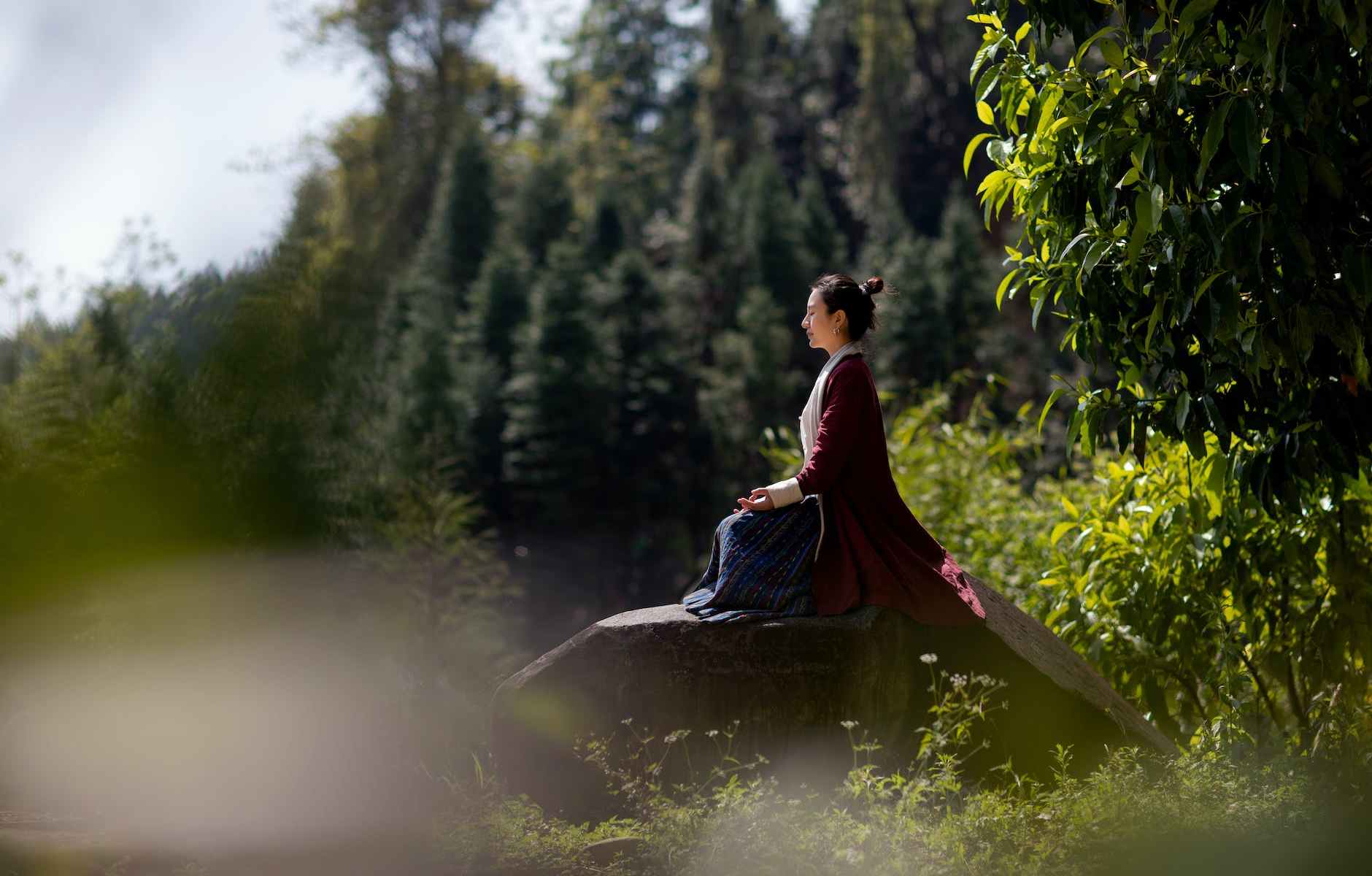
Unlock Focus: The Power of Candle Gazing Meditation

Candle Gazing

Meditation comes in many forms, but few are as simple, striking, and effective as candle gazing meditation, known in Sanskrit as Trataka. This ancient technique has roots in traditional Hatha Yoga and has been practiced for centuries—long before smartphones and stress were part of everyday life. It’s one of the six Shatkarmas (purification techniques) detailed in classic yogic texts like the Hatha Yoga Pradipika.

While the exact origin date is hard to pin down, candle gazing has been used for over a thousand years, primarily by yogis in India seeking mental discipline, inner stillness, and spiritual awakening. Today, it remains just as relevant—offering modern minds a much-needed reset from screens, scattered attention, and mental fatigue.

So who benefits from this practice? Honestly, almost anyone. Whether you’re a seasoned yogi, a beginner looking to build concentration, or someone simply trying to quiet the mental noise, Trataka is a powerful tool. It sharpens focus, reduces eye strain, and can even improve sleep when done regularly. And it requires no fancy gear—just a candle and a few minutes of quiet.

What Is Candle Gazing Meditation?

Trataka involves fixing your gaze on a single point, usually the flame of a candle, without blinking, until the eyes naturally want to close. When they do, you shift your focus inward and visualize the flame in the mind’s eye. It’s a blend of physical discipline and mental training.

This dual action—external gazing and internal visualization—works on both the eyes and the mind. It helps clear visual and mental clutter, making it easier to focus during daily life and in deeper meditation sessions.

Who Can Benefit from Trataka?

Trataka is a versatile practice suitable for individuals across various walks of life:

  • Students and Professionals: Enhances concentration and memory, aiding in academic and work-related tasks.
  • Individuals with Sleep Disorders: Promotes relaxation and improves sleep quality.
  • Those Experiencing Anxiety or Stress: Induces a state of calmness, reducing mental turmoil.
  • Spiritual Seekers: Deepens meditation practices and fosters inner awareness.
  • People with Eye Strain: Strengthens eye muscles and alleviates fatigue, especially beneficial for those spending long hours on screens.

How to Practice Trataka: A Step-by-Step Guide

  1. Preparation:
    • Choose a quiet, dimly lit room free from disturbances.
    • Place a candle at eye level, about 2-3 feet away.
    • Sit comfortably with a straight spine, either on a chair or cross-legged on the floor.
  2. Gazing:
    • Light the candle and focus your gaze on the flame’s tip.
    • Keep your eyes steady and try not to blink.
    • Maintain this gaze until your eyes naturally begin to water.
  3. Internal Visualization:
    • Gently close your eyes and visualize the flame at the center of your forehead.
    • Hold this image as long as possible, bringing your focus back if it wavers.
  4. Conclusion:
    • Once the internal image fades, slowly open your eyes.
    • Repeat the process for 10-15 minutes, gradually increasing the duration with practice.

Note: It’s advisable to practice Trataka on an empty stomach, preferably in the early morning or before bedtime.


The Multifaceted Benefits of Trataka

1. Enhances Concentration and Cognitive Function

Regular practice of Trataka has been linked to improved concentration and cognitive abilities. A study published in the International Journal of Yoga found that participants who practiced candle gazing for a month exhibited better working memory and focused attention.

2. Reduces Stress and Anxiety

By directing focus to a single point, Trataka helps in calming the mind, reducing stress and anxiety levels. Practitioners often report a sense of inner peace and emotional stability after sessions.

3. Improves Sleep Quality

Engaging in Trataka before bedtime can lead to better sleep patterns. The practice promotes relaxation and helps in alleviating insomnia and other sleep-related issues.

4. Strengthens Eye Muscles and Vision

The act of focused gazing exercises the eye muscles, potentially improving vision and reducing eye strain. This is particularly beneficial for individuals who spend extended periods in front of screens.

5. Stimulates the Pineal Gland

Trataka is believed to activate the pineal gland, located in the brain’s center. This gland regulates melatonin production, influencing sleep cycles and mood. Activation of the pineal gland is also associated with heightened intuition and spiritual awareness.


Real-Life Case Studies: The Impact of Trataka

Case Study 1: Academic Performance Boost

A group of students incorporated Trataka into their daily routine for 20 minutes. After a month, they reported a significant improvement in concentration levels, leading to a notable increase in academic performance.

Case Study 2: Stress Reduction in Working Professionals

Employees at a corporate firm practiced Trataka during lunch breaks. Over six weeks, participants experienced a 35% reduction in self-reported stress levels, leading to enhanced productivity and job satisfaction.

Case Study 3: Enhanced Creativity Among Artists

Artists and writers who engaged in regular candle gazing sessions found a surge in creative ideas and innovative thinking. A survey revealed that 67% of creative professionals credited Trataka for boosting their creativity.


Integrating Trataka into Your Daily Life

  • Consistency is Key: Aim to practice Trataka daily, even if only for a few minutes.
  • Combine with Other Practices: Pair Trataka with breathing exercises or mindfulness meditation for enhanced benefits.
  • Monitor Your Progress: Keep a journal to note changes in concentration, mood, and overall well-being.

Conclusion: Embracing the Light Within

Trataka, or candle gazing meditation, is more than just a technique; it’s a journey inward, illuminating the path to self-awareness and inner tranquility. In a world filled with distractions, this ancient practice offers a sanctuary of stillness and clarity.

Trataka offers something rare—stillness, focus, and clarity. It’s a deceptively simple practice with deep impact. You don’t need fancy equipment, hours of free time, or a perfect setting. Just you, a candle, and a willingness to be present.

By integrating candle gazing into your daily life, you’re not just sharpening your focus—you’re building a mental space that’s calmer, clearer, and more resilient. Whether your goal is spiritual depth, better sleep, or a clearer mind, this ancient practice is surprisingly modern in its relevance.

At Yoga947, we invite you to embrace Trataka, allowing the gentle flicker of the candle flame to guide you towards a more focused, peaceful, and enlightened state of being.

🧠 Quick Quiz: Are You Ready for Trataka?

1. Can you sit still and undisturbed for 10 minutes?

  • Yes
  • Not yet, but I’m working on it

2. Are your eyes generally healthy, with no serious medical conditions?

  • Yes
  • No / Unsure (consult a specialist before starting)

3. Are you willing to reduce distractions (like phone use) during the practice?

  • Yes
  • I might struggle

4. Do you understand the basic steps of Trataka (gazing, visualization, stillness)?

  • Yes
  • Not yet, I’d like a refresher

5. Are you open to daily or regular practice to feel the benefits over time?

  • Yes
  • I’m not sure I can stay consistent

If you answered “Yes” to at least 3 questions, you’re more than ready to start. Just begin, and let the flame guide you.

Exploring candle gazing meditation (Trataka) can be both enriching and transformative. Here are some valuable resources and avenues for assistance to deepen your practice:​

Guided Audio and Video Sessions

  • Fragrant Heart’s Candle Gazing Meditation: An audio-guided session that helps you focus and relax through candle gazing. fragrantheart.com
  • White Plains Hospital’s Mindfulness Moment: A video guide led by Senior Staff Chaplain Mary Beth Schmidt, offering a simple mindfulness exercise using a candle. YouTube
  • Trataka Guided Meditation on YouTube: A visual guide to practicing Trataka, helping you maintain focus on the candle flame. YouTube

📚 Books and Manuals

  • “Dharana Darshan” by Swami Niranjanananda Saraswati: A comprehensive text from the Bihar School of Yoga that delves into concentration techniques, including Trataka.​
  • “Manual of a Mystic” (Yogāvacara’s Manual): A Theravada Buddhist meditation manual that includes candle meditation practices. Wikipedia
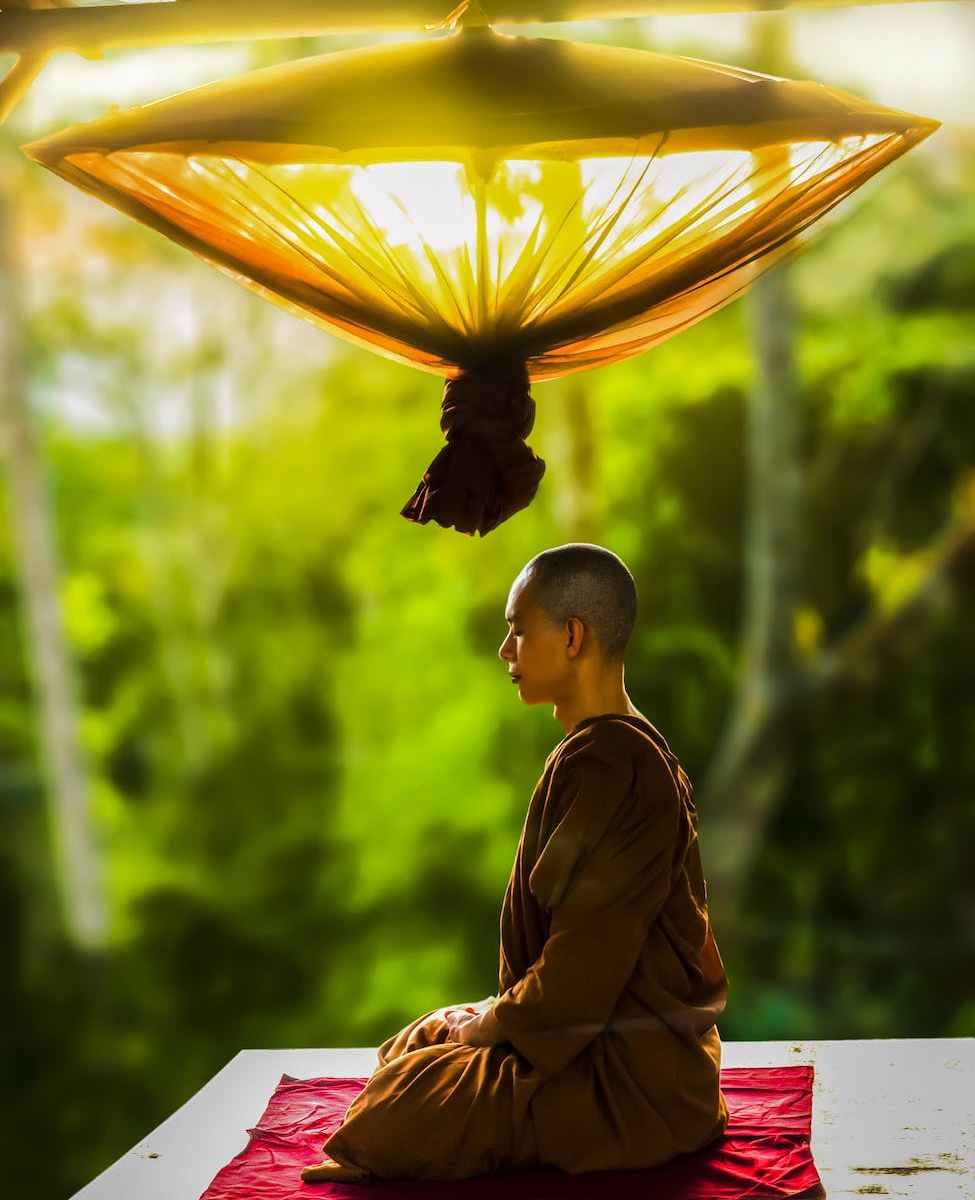
Silva Method

My Day Alpha 3-2-1 Method.

The Jose Silva 3-2-1 Method, also known as the Silva Method, is a self-help and personal development technique created by Jose Silva in the 1960s. This method is designed to tap into the power of the mind and improve various aspects of life by using relaxation, visualization, and intuition development techniques. Emphasizing the alpha level of mind—a relaxed and receptive state of consciousness—the Silva Method aims to enhance focus, reduce stress, and aid in goal setting and achievement. This practice has been utilized by individuals seeking self-improvement, stress reduction, and personal growth by harnessing the innate abilities of the mind to positively influence their lives. Through a combination of relaxation exercises, mental programming, and intuitive development, the Silva Method offers a holistic approach to empower individuals in achieving their goals and fostering personal well-being.

Here are some of the benefits of practicing the Jose Silva 3 -2- 1 method:

  • 1. Stress Reduction:
    • One of the primary benefits of the Silva 3 to 1 method is its ability to help reduce stress. The method involves relaxation exercises, deep breathing, and visualization techniques, all of which can promote a sense of calm and relaxation. By regularly practicing these techniques, individuals can manage stress more effectively and reduce the negative impact it has on their physical and mental health.
    • 2. Improved Focus and Concentration:
  • The Silva Method emphasizes the use of visualization and mental imagery to improve focus and concentration. By regularly practicing these techniques, individuals can enhance their ability to concentrate on tasks, set clear goals, and stay motivated to achieve them. This can lead to increased productivity and better decision-making
  • 3. Enhanced Problem-Solving Skills:
    • The method encourages creative problem-solving by engaging the intuitive mind. Silva practitioners are taught to tap into their intuition and use it to find solutions to various challenges. This can be particularly useful in situations where logical thinking alone may not provide a satisfactory answer.
  • 4. Better Self-Confidence:
    • The Silva 3 to 1 method incorporates exercises that boost self-confidence and self-esteem. By using positive affirmations and visualization techniques, individuals can overcome self-doubt and develop a more positive self-image. Increased self-confidence can have a significant impact on personal and professional success.
  • 5. Improved Health and Well-Being:
    • Regular practice of the Silva Method is believed to promote physical and mental well-being. The relaxation techniques can help reduce the risk of stress-related illnesses, such as hypertension and anxiety disorders. Additionally, improved mental focus and emotional balance can contribute to better overall health.
  • 6. Enhanced Intuition:
    • Jose Silva’s method places a strong emphasis on developing and trusting one’s intuition. Through meditation and guided exercises, individuals can learn to access their intuitive insights more readily. This can be valuable in decision-making, problem-solving, and navigating life’s challenges.
  • 7. Goal Achievement:
    • The Silva Method teaches individuals how to set and achieve their goals effectively. By using visualization techniques and mental rehearsals, practitioners can program their subconscious minds to work towards their desired outcomes. This can lead to greater success in various areas of life, including career, relationships, and personal development.
  • 8. Increased Mind-Body Connection:
    • Silva’s approach encourages individuals to recognize and harness the connection between their thoughts and physical well-being. This can lead to improved health and a greater sense of control over one’s body.
  • The Silva Method emphasizes the use of visualization and mental imagery to improve focus and concentration. By regularly practicing these techniques, individuals can enhance their ability to concentrate on tasks, set clear goals, and stay motivated to achieve them. This can lead to increased productivity and better decision-making.

It’s important to note that while many people have reported positive experiences with the Silva 3 to 1 method, its effectiveness can vary from person to person. The benefits mentioned above are anecdotal and based on personal accounts. As with any self-help or personal development practice, individual results may depend on factors such as commitment to regular practice, belief in the method, and the specific goals of the practitioner.

The Silva Method is a self-help and personal development program that is based on the belief that individuals can harness the power of their mind to achieve their goals and improve various aspects of their lives. The method is rooted in several key principles and techniques, including:

Mindful Yoga

  • Relaxation:
    • Central to the Silva Method is the concept of deep relaxation. Practitioners are taught to enter a deep state of relaxation, often referred to as the “alpha level” of mind, which is associated with a calm and receptive state of consciousness. This relaxation is achieved through techniques such as deep breathing and progressive muscle relaxation.
  • Visualization:
    • Visualization is a fundamental component of the Silva Method. Practitioners are encouraged to use their creative imagination to visualize their desired outcomes. This involves mentally rehearsing the achievement of their goals, whether they are related to personal development, health, career, or relationships.
  • Mental Programming:
    • The method teaches individuals how to use positive affirmations and statements to program their subconscious mind. By repeating affirmations and focusing on positive thoughts, practitioners aim to replace negative beliefs and self-doubt with constructive and empowering beliefs.
  • Intuition Development:
    • Silva Method practitioners are guided in developing their intuition and relying on it for decision-making and problem-solving. Techniques are taught to help individuals access intuitive insights and trust their inner guidance.
  • Goal Setting:
    • The Silva Method emphasizes setting clear, specific, and achievable goals. Practitioners are encouraged to write down their goals, visualize their attainment, and use mental programming to facilitate goal achievement.
  • Mind-Body Connection:
    • This method acknowledges the connection between thoughts and physical well-being. Techniques are designed to promote health and healing by using the power of the mind to influence the body’s healing processes.

The Silva Method typically involves attending seminars, workshops, or using self-guided audio programs to learn and practice these techniques. Participants are guided through exercises that help them reach a state of deep relaxation, access their intuitive mind, and apply these skills to various aspects of their life, such as improving health, achieving goals, reducing stress, and enhancing personal development.

The method’s effectiveness is often attributed to the idea that when the mind is in a relaxed and focused state, it is more receptive to positive suggestions and can better manifest desired outcomes. However, it’s essential to recognize that individual results may vary, and the Silva Method, like many personal development practices, relies on the individual’s commitment to regular practice and belief in its principles.

The Silva Method, as a holistic and self-help practice, has not been widely studied or subjected to extensive scientific research in the same way that medical treatments or therapeutic interventions often are. Therefore, there is limited scientific evidence to support its effectiveness. However, there are some studies and research areas related to the individual components of the method, such as relaxation, visualization, and meditation, which have been examined in scientific literature. Here are some relevant points:

  • Relaxation and Stress Reduction:
    • Various studies have established the benefits of relaxation techniques, including reduced stress and anxiety. For example, a review published in the journal “JAMA Internal Medicine” in 2014 found that mindfulness meditation, which shares some similarities with the Silva Method in terms of relaxation, can lead to reductions in anxiety, depression, and pain.
    • While not specific to the Silva Method, these findings support the idea that relaxation practices can have positive effects on mental well-being.
  • Visualization and Goal Achievement:
    • The concept of visualization and mental imagery is used in sports psychology to enhance athletic performance. Studies in this field suggest that mental rehearsal and visualization can improve athletes’ skills and outcomes.
    • Research published in the “Journal of Applied Sport Psychology” in 2011 found that athletes who used mental imagery, including visualizing successful outcomes, had better performance results compared to those who did not.
  • Meditation and Brain Function:
    • Meditation practices, including elements of the Silva Method such as deep relaxation and focused awareness, have been the subject of extensive scientific investigation. Research in this area has shown that meditation can have positive effects on brain function, stress reduction, and overall well-being.
    • A study published in “Psychological Science” in 2012 indicated that regular meditation practices can lead to improved attention and memory.

While these studies provide some insight into the potential benefits of the individual components of the Silva Method, it’s important to note that the method itself, as developed by Jose Silva, may involve a unique combination of techniques and principles that have not been thoroughly examined in the scientific literature.

The effectiveness of the Silva Method may also depend on individual beliefs and experiences. Many people report positive outcomes from practicing the method, but personal experiences can be highly subjective and influenced by a range of factors. Therefore, while there may be scientific support for certain aspects of the method, it remains a self-help practice that may be more effective for some individuals than others.

While there is limited scientific research on the Silva Method, there are numerous anecdotal reports and case studies from individuals who have found it to have a positive impact on their lives. Here are a few practical examples and case studies to illustrate how the method has positively influenced people:

  • Improved Academic Performance (1980s):
    • In the 1980s, a case study documented the experiences of several students who used the Silva Method to improve their academic performance. They reported increased concentration, reduced exam anxiety, and enhanced memory retention. These students achieved higher grades and were better equipped to handle the academic pressures of their courses.
  • Enhanced Creativity and Problem-Solving (1990s):
    • During the 1990s, a marketing consultant used the Silva Method to boost creativity and problem-solving skills. By practicing visualization and relaxation techniques, he found that he could approach challenges with a more creative mindset. This led to the development of innovative marketing strategies and improved client satisfaction.
  • Stress Reduction and Health Benefits (2000s):
    • A case study from the early 2000s featured a group of individuals who practiced the Silva Method to manage stress. They reported lower stress levels, improved sleep quality, and a decrease in stress-related health issues. Some participants saw a reduction in blood pressure and felt more relaxed and healthier overall.
  • Entrepreneurial Success (2010s):
    • In the 2010s, an aspiring entrepreneur used the Silva Method to build his business from the ground up. By regularly setting and visualizing his business goals, programming his mind for success, and tapping into his intuition, he achieved significant business growth and financial success.
  • Improved Athletic Performance (2020s):
    • In the early 2020s, an amateur triathlete employed the Silva Method to enhance his athletic performance. Through visualization and mental rehearsal, he improved his swimming, biking, and running techniques. He reported that his race times steadily decreased, and he qualified for several major triathlon events, attributing his success to the mental training he learned from the Silva Method.

These case studies illustrate how the Silva Method has been applied over several decades to positively impact various aspects of people’s lives. While they are anecdotal and reflect individual experiences, they showcase how individuals have harnessed the principles and techniques of the Silva Method for personal development, stress reduction, health improvement, creativity, and goal achievement. The method has a longstanding history of being used as a tool for self-improvement and personal growth by people from different walks of life.

Here are some additional resources related to the Silva Method for readers who wish to explore the topic further:

Books:

  1. “The Silva Mind Control Method” by Jose Silva and Philip Miele – This is one of the foundational books on the Silva Method, written by its creator, Jose Silva.
  2. “Silva Ultramind ESP System” by Jose Silva and Laura Silva – This book focuses on using the Silva Method to develop extrasensory perception (ESP) and intuition.

Websites and Online Resources:

  1. Silva Method Official Website – The official website provides information about workshops, courses, and resources related to the Silva Method.
  2. Silva Method on Mindvalley – Mindvalley offers online courses and programs related to personal development, including the Silva Method.

Potential Limitations and Criticisms:

  1. Skeptic’s Dictionary: Silva Mind Control – This resource provides a skeptical perspective on the Silva Method, highlighting some criticisms and limitations.
  2. Scientific American: The Silva Mind Control Method – An article from Scientific American that discusses the lack of scientific support for the Silva Method.

These resources offer a range of perspectives and information to help you explore the Silva Method in greater depth, from both its proponents and skeptics. It’s essential to approach the topic with a well-rounded understanding, considering the potential benefits as well as any limitations or criticisms.

In summary, the Silva 3-2-1 Method, a holistic approach to personal development, offers techniques such as relaxation, visualization, and intuitive development to empower individuals in achieving their goals and improving their well-being. While individual experiences may vary, the method provides valuable tools for stress reduction, goal setting, and enhanced focus. Encouraging an open mind and consistent practice, exploring the Silva 3-2-1 Method may lead to a deeper understanding of one’s inner potential. I encourage readers to explore further resources, workshops, or courses to delve into this method and consider integrating its principles into their lives for personal growth and a more balanced lifestyle.

Get your Yoga Accessories

Namaste my friends!

“Ancient Echoes: Meditative Wisdom Across Africa”

Introduction

Africa, a continent renowned for its kaleidoscope of cultures, landscapes, and histories, stands as a testament to human diversity and resilience. Home to over 50 countries and a multitude of ethnic groups, Africa’s rich tapestry weaves together ancient traditions, customs, and spiritual practices, many of which include the art of meditation. Today, we embark on a journey to explore the roots, evolution, and contemporary significance of meditation in the diverse mosaic of African cultures.

Origins and Spread of Meditation in Africa

Meditation in Africa dates back to ancient times, deeply entwined within the cultural fabric of numerous indigenous communities. These practices, manifested through rhythmic movements, chants, communal rituals, and contemplative techniques, have been integral to the spiritual and cultural heritage of various African tribes. Their origins, although often passed down through oral traditions, hold a significant place in the historical narrative of the continent.

Tribes, Locations, and Their Meditation Practices

A myriad of African tribes and communities have historically engaged in meditation or similar contemplative practices:

  • The San People (Bushmen): Indigenous to Southern Africa, the San people have a long-standing tradition of spiritual practices involving trance states induced by rhythmic drumming, dances, and healing rituals. This practice is believed to promote healing and connect participants with their spiritual world (Reference: Studies by cultural anthropologists like Bradford Keeney and others who have observed the San People’s healing rituals).
  • Case Study Illustration: Dr. Rachel Parker, an anthropologist, lived with the San People for a year to study their healing practices. She observed a ritual where a community member, experiencing illness, participated in a healing dance. The rhythmic drumming and chants created a trance-like state, believed to connect the individual with ancestral spirits for healing. The person emerged from the ritual expressing a sense of relief and reported improved well-being over time.
  • The Maasai: Found primarily in East Africa, the Maasai integrate meditation into their daily lives through ritualistic dances, chanting, and a deep connection to their spiritual beliefs and the natural world, offering a form of meditation. (Reference: Ethnographic accounts from researchers like Joseph Thompson or Maasai elders’ narratives)
  • Case Study Illustration: Dr. James Anderson, a researcher, lived among the Maasai to study their traditional practices. He documented the experience of young Maasai warriors engaging in a ritual dance, performed as part of a community celebration. The repetitive, rhythmic movements and chants created a meditative atmosphere, strengthening the warriors’ bond with their heritage. The participants reported feeling a deep connection with their ancestors and a renewed sense of cultural identity.
  • The Yoruba: Hailing from West Africa, the Yoruba have a rich cultural and spiritual heritage that encompasses diverse contemplative practices, often involving communal ceremonies, music, and rhythmic rituals, often involving repetitive movements, chants, and rhythmic beats. This practice is aimed at spiritual connection and communal healing. (Reference: Works by scholars like Robert Farris Thompson who have studied African dance and music traditions)
  • Case Study Illustration: Dr. Fatima Olatunji conducted fieldwork among the Yoruba people, focusing on their traditional ceremonies. She documented a community event where a dance ritual was performed to honor ancestral spirits. The rhythmic drumming and synchronized movements induced a sense of unity and collective consciousness among participants. Individuals reported feeling spiritually uplifted and emotionally connected to their community after the ritual.

These tribes represent a fraction of the many communities across Africa with unique meditation practices, each reflecting the diversity and cultural richness of the continent.

Benefits of Meditation in Africa in 2023

In the contemporary landscape of Africa, meditation holds profound significance and offers a range of benefits:

  • Mental Health and Well-being: Meditation serves as a tool for stress reduction, providing mental health support and emotional balance in the face of the modern-day challenges.
  • Cultural Connection and Identity: For many Africans, meditation acts as a means to connect with their cultural roots, fostering a sense of identity and preserving heritage in a rapidly changing world.
  • Community Resilience and Healing: It continues to play a pivotal role in communal healing, offering solace and resilience amidst social and personal challenges.
  • benefits of meditation in Africa are extensive and extend to men, women, and children across various aspects of their lives.
  • Benefits For Men:
  • Mental Health and Stress Reduction:
  • Meditation offers men a tool for managing stress, promoting mental clarity, and enhancing emotional well-being. In African societies, where men often face multiple pressures related to work, family, and societal expectations, meditation can provide a space for inner calm and resilience.
  • Emotional Balance:
  • Engaging in meditative practices allows men to develop emotional balance and self-awareness. This is particularly valuable in cultures where traditional masculinity norms might discourage open expressions of emotions, providing a private space for self-reflection and emotional regulation.
  • Community Leadership and Resilience:
  • In many African communities, men often play leadership roles within their families and communities. Meditation can empower them with a clearer mindset, enhanced decision-making abilities, and a deeper sense of empathy, contributing to more effective leadership and community resilience.
  • Benefits For Women:
  • Emotional Well-being and Empowerment:
  • Meditation provides a space for women to navigate the stresses of daily life, offering a tool for managing emotional well-being. In many African cultures, where women might face various societal and familial pressures, meditation offers a sense of empowerment and inner strength.
  • Coping with Societal Expectations:
  • Women in African societies often juggle various roles within their families and communities. Meditation can serve as a sanctuary, allowing them to find a moment of peace, self-reflection, and strength amidst societal expectations.
  • Self-care and Mental Health:
  • Engaging in meditative practices allows women to prioritize their mental health and well-being, fostering a sense of balance and resilience. It can also offer a space for self-care, helping them navigate the challenges of daily life.
  • Benefits For Children:
  • Emotional Regulation and Well-being:
  • Meditation provides children with tools for emotional regulation, helping them cope with stress and anxiety. It cultivates a sense of calm, focus, and emotional resilience, which is particularly beneficial for children facing academic or social pressures.
  • Improved Concentration and Academic Performance:
  • Practicing meditation at a young age can improve a child’s ability to concentrate, leading to potential benefits in academic performance. It can enhance cognitive skills and facilitate better learning abilities.
  • Cultivation of Empathy and Compassion:
  • Through meditation, children can develop a sense of empathy and compassion, promoting a positive attitude towards others and nurturing a more harmonious social environment within their families and communities.
  • In African contexts, the benefits of meditation for men, women, and children are multifaceted, offering tools for mental well-being, emotional regulation, and resilience, while also contributing to healthier family dynamics and communities.

In 2023, the practice of meditation in Africa transcends mere historical and cultural boundaries, providing both practical benefits and a link between tradition and the modern world.

This comprehensive overview sets the stage for a deeper exploration into the historical legacy and contemporary relevance of meditation across diverse African cultures, shedding light on its cultural, spiritual, and practical significance in the lives of individuals and communities.

For future research on African meditation, there are various resources and avenues you can explore to delve deeper into this topic. Here are some suggestions:

  1. Books and Academic Journals:
    • Look for books written by scholars, anthropologists, and historians specializing in African culture, spirituality, and anthropology. Titles like “African Spirituality” by Jacob K. Olupona or “African Religions & Philosophy” by John S. Mbiti might offer insights into meditation practices.
    • Academic journals focusing on African studies, anthropology, or cultural history often contain research articles exploring indigenous practices, including meditation, in different African regions.
  2. Museums and Cultural Institutions:
    • Visit museums or cultural institutions with collections or exhibitions on African culture. Many of these places offer valuable insights into traditional practices, including meditation, through artifacts, historical displays, and expert commentary.
  3. Online Databases and Academic Platforms:
    • Access academic databases like JSTOR, Google Scholar, or Project MUSE. These platforms contain scholarly articles, research papers, and publications discussing African history, spirituality, and indigenous practices, including meditation.
  4. Consult Local Experts or Organizations:
    • Reach out to experts in African studies, anthropology, or cultural heritage preservation. Professors, researchers, or non-profit organizations working in African cultural preservation might offer guidance or access to resources.
  5. Documentaries and Films:
    • Documentaries that explore African cultures, traditions, and spiritual practices often provide visual insights and interviews with practitioners. Titles such as “The Story of Africa” or “African Renaissance: When Art Meets Power” might touch on these topics.
  6. Online Courses and Webinars:
    • Enroll in online courses or attend webinars related to African studies, anthropology, or cultural history. Platforms like Coursera, edX, or even specialized institutions sometimes offer courses on African culture and spirituality.
  7. Fieldwork and Interviews:
    • Consider conducting fieldwork or interviews with experts, practitioners, or communities who have firsthand knowledge of African meditation practices. This method might offer unique insights and perspectives.
  8. Publications by African Authors:
    • Look for publications, essays, or writings by African authors or practitioners who discuss their cultural heritage, traditional practices, and the significance of meditation in their communities.

When researching African meditation, a multidisciplinary approach involving history, anthropology, cultural studies, and spirituality will provide a comprehensive understanding. Be sure to critically evaluate sources, consider multiple perspectives, and verify information from reliable and credible sources for a well-rounded exploration of this fascinating topic.

The Enduring Legacy of Meditation Across Africa

The tapestry of meditation throughout Africa is woven with threads of cultural richness, spiritual depth, and historical significance. Across the diverse landscapes and traditions of this vast continent, meditation has played a pivotal role in shaping communities, providing solace, and fostering spiritual connections.

From the ancient practices of the San People’s healing rituals, where rhythmic movements and trance states connect individuals with their spiritual world, to the Maasai warrior dance, facilitating a deep bond with their cultural heritage, and the Yoruba’s ceremonial drumming and dance rituals aimed at communal healing—each instance illuminates the diverse manifestations of meditative practices deeply rooted in the African soil.

In 2023, the benefits of meditation continue to resonate, offering men, women, and children tools for stress reduction, emotional balance, and resilience. Meditation serves as a sanctuary, enabling individuals to find peace amid the daily pressures, fostering cultural connection, and nurturing mental well-being.

The silent yet profound impact of meditation in African societies transcends mere stress reduction—it is a cultural bridge connecting the past with the present, offering a beacon of resilience and a path to inner peace. From the rhythms of the San People to the ceremonial traditions of the Yoruba and Maasai, these practices speak to the enduring legacy of meditation within the hearts and minds of diverse African communities.

As Africa moves forward, embracing the contemporary world while honoring its cultural heritage, the echoes of meditation persist, guiding, healing, and resonating across the continent, ensuring that this ancient practice remains an integral part of the vibrant tapestry of African history and life.

Advertise Free

“Beyond the Pose: The Transformative Power of Yin Yoga Practice”


In the chaotic rhythm of modern existence, where the world seems to spin faster each passing day, there exists a serene sanctuary waiting to be explored.

Imagine a space where movement is deliberate, where time slows to a gentle crawl, and where the essence of profound tranquility is unveiled. This sacred realm is none other than Yin Yoga—a practice that beckons you to a world of stillness and reflection amidst life’s ceaseless whirlwind.

Yin Yoga isn’t merely a series of poses; it’s an odyssey into the heart of tranquility. It’s where the soft, lingering whispers of breath meet the quiet surrender of the body in extended postures.

This artful practice unfolds as a tapestry woven from the threads of patience and introspection, inviting you to delve into the subtleties of the self and the universe. It’s a canvas for self-discovery, offering a roadmap to inner peace in a bustling world.

Amidst the kaleidoscope of contemporary yoga practices, Yin Yoga stands as a beacon of stillness—a profound departure from the frenetic, muscle-flexing styles that dominate the scene. It dares you to slow down, to linger longer, and to explore the profound depths of your own being through the gentle stretches and quiet murmurs of the mind.

In the embrace of each posture, time morphs into a companion rather than a captor. The extended holds offer an opportunity for both body and mind to unfurl, unraveling the knots of tension accumulated in the hustle of everyday life.

It’s an invitation to witness the dance between discomfort and release, a nuanced symphony of physical sensation and mental surrender.

Yin Yoga beckons not just seasoned practitioners but also novices, inviting all into its tranquil sanctuary. It speaks a universal language, embracing men, women, and children, offering a haven where the weary find solace, the agitated discover calm, and the seekers unravel the mysteries within.

Its origin also includes all the benefits from the daily practice for men women and children.

In the fast-paced and ever-evolving world we inhabit, the ancient practice of Yin Yoga stands as a serene oasis of tranquility, offering respite to people of all ages and backgrounds. Originating in ancient China over a thousand years ago, Yin Yoga has emerged as a profound and holistic approach to physical and mental well-being.

In the heart of its gentle, contemplative postures and long-held stretches, practitioners discover a treasure trove of benefits that extend their embrace to men, women, and even children.

The roots of Yin Yoga can be traced back to the Taoist traditions, where it was primarily designed to help individuals achieve harmony between the body and the mind. Unlike its more dynamic counterpart, Yang Yoga, Yin Yoga adopts a patient and introspective approach.

By emphasizing passive postures held for extended periods, it gently stimulates deep connective tissues, enhances flexibility, and promotes a profound sense of inner calm.

But Yin Yoga isn’t just reserved for seasoned yogis or adults seeking solace in their busy lives. Its versatility knows no bounds.

benefits for men, it can be a remedy to alleviate the stressors of modern masculinity, offering a sanctuary for mental and physical rejuvenation.

Women often find it to be a powerful ally in managing the multifaceted demands of their lives, promoting emotional balance and holistic health. And even children, though naturally sprightly, can benefit from the grounding and soothing embrace of Yin Yoga, fostering mindfulness from an early age.

The practice of Yin Yoga, with its rich historical tapestry and myriad of advantages, has transcended time and culture, offering a haven of serenity and self-discovery for all who are willing to venture into its world of stillness and reflection.

So, come, join us on a journey through the tranquil realms of Yin Yoga, and unlock the timeless wisdom and vitality it has to offer.

What are all the benefits of daily practice for men women and children when practicing

Yin yoga?

Yin Yoga, with its distinctive approach to long-held, passive postures, offers a wide range of benefits for Men, Women, and Children.

Here are some of the key advantages of a daily Yin Yoga practice for each group:

Benefits for Men:

  • Stress Reduction:
  • In our fast-paced world, men often experience high levels of stress. Yin Yoga’s calming and meditative nature can help reduce stress, anxiety, and tension.
  • Improved Flexibility:
  • Yin Yoga gently stretches and releases connective tissues, promoting flexibility, which can be particularly helpful for men with tight muscles.
  • Joint Health:
  • The long, deep stretches in Yin Yoga can improve joint mobility and reduce the risk of injuries, especially for those involved in physical activities or sports.
  • Emotional Balance:
  • The practice encourages self-reflection, aiding in emotional balance and mental clarity, which can be beneficial for men navigating complex emotional landscapes.

Benefits for Women:

  • Hormonal Balance:
  • Yin Yoga is known to help regulate hormones, making it valuable for women dealing with menstrual irregularities, menopause, or hormonal fluctuations.
  • Stress Relief:
  • It can be a sanctuary for women to de-stress and manage the demands of both personal and professional life.
  • Pain Management:
  • Women often find relief from chronic pain conditions like back pain and arthritis through regular Yin Yoga practice.
  • Enhanced Circulation:
  • The postures promote blood flow and lymphatic drainage, which can be particularly beneficial for women’s health.

Benefits for Children:

  • Emotional Regulation:
  • Yin Yoga can teach children mindfulness and help them manage their emotions, fostering emotional intelligence from an early age.
  • Improved Concentration:
  • The practice encourages focus and concentration, which can be valuable for academic and daily life.
  • Body Awareness:
  • Children can develop a better understanding of their bodies, posture, and balance through Yin Yoga, aiding in physical development.
  • Better Sleep:
  • Yin Yoga can help children relax, unwind, and get a good night’s sleep, which is crucial for their growth and overall well-being.

In all cases, Yin Yoga promotes a sense of tranquility and inner peace. It can also be adapted to suit individual needs and fitness levels, making it accessible to a wide range of practitioners. Whether you’re a man, a woman, or a child, incorporating Yin Yoga into your daily routine can lead to improved physical health, emotional well-being, and a deeper connection to the self.

To find further information about Yin Yoga, its benefits, and resources for people around the world, you can explore various avenues:

  • Yoga Studios and Teachers:
  • Local yoga studios and instructors often offer Yin Yoga classes. They can provide you with in-person guidance, resources, and recommendations for further learning.
  • Online Yoga Platforms:
  • Many online yoga platforms, such as YogaGlo, Gaia, and Yoga International, offer Yin Yoga classes and instructional videos. These platforms often have extensive libraries of classes and articles related to Yin Yoga.
  • Books:
  • Consider reading books on Yin Yoga written by experienced practitioners and instructors. A well-known book on the subject is “The Complete Guide to Yin Yoga” by Bernie Clark. It provides in-depth information about the practice.
  • Websites and Blogs:
  • Explore reputable websites and blogs dedicated to yoga. They often contain articles, videos, and resources on Yin Yoga. Yoga Journal and DoYogaWithMe are great places to start.
  • YouTube:
  • YouTube hosts many Yin Yoga channels that offer free video tutorials and guided practices. Look for instructors with positive reviews and a strong background in Yin Yoga.
  • Social Media:
  • Follow Yin Yoga instructors and enthusiasts on social media platforms like Instagram and Facebook. They often share tips, inspiration, and insights into their practice.
  • Online Forums and Communities:
  • Join yoga forums and communities like Yoga Reddit or specific Yin Yoga groups on Facebook. You can ask questions, share experiences, and learn from others.
  • Yin Yoga Workshops and Retreats:
  • Keep an eye out for workshops and retreats dedicated to Yin Yoga in your area or in locations you’d like to visit. These events offer immersive learning experiences.
  • Yin Yoga Teacher Training:
  • If you’re interested in becoming a certified Yin Yoga instructor or deepening your practice, you can enroll in a Yin Yoga teacher training program. These programs are offered by experienced teachers and are available worldwide.
  • Mobile Apps:
  • Explore mobile apps dedicated to yoga and meditation. Some, like “Yoga for Beginners” or “Daily Yoga,” provide Yin Yoga sessions and guided practices.

Remember to verify the credibility of the sources you use and cross-reference information when possible. Additionally, you can check for reviews and recommendations from others in the yoga community to ensure that the resources you find are reputable and beneficial for your Yin Yoga journey.

At its core, Yin Yoga embodies the art of deliberate surrender—where the bustling world fades into the background, allowing for a deeper communion with oneself. It’s a practice that speaks volumes in the silence between breaths, inviting you to explore the nuances of your body, mind, and spirit.

Each lingering posture in Yin Yoga is an opportunity for self-exploration—a chance to untangle the knots of tension, both physical and emotional, and discover the pearls of wisdom hidden in moments of tranquility. It’s an invitation to befriend time as a companion, not as a captor, where patience and introspection open doors to profound revelations.

For the seeker of solace, the tired souls, the curious minds, and the wellness enthusiasts, Yin Yoga extends an open invitation. It’s a practice that transcends boundaries, welcoming everyone to uncover the marvels hidden in the gentle whispers of stillness.

So, if you yearn to rediscover the forgotten art of tranquility, if you seek a haven where movement finds its counterpart in stillness, if the depths of self-discovery call out to you—Yin Yoga is your compass.

Embrace the transformative journey through the realms of stillness and reflection that Yin Yoga presents. Step onto the mat, breathe, linger, and uncover the profound mysteries that await within the gentle yet potent practice of Yin Yoga. The art of tranquility and self-discovery eagerly awaits your presence.

Advertise Free

A Path To Deep Relaxation and Self-Discovery.

Yoga Nidra, often referred to as “yogic sleep,” is a profound and ancient practice that has its roots in the rich tapestry of Indian yogic traditions. This deeply meditative technique offers a journey into a state of conscious relaxation that transcends the boundaries of ordinary relaxation. Yoga Nidra has gained widespread recognition and popularity in recent years for both men and women, as it provides a powerful tool for managing stress, enhancing overall well-being, and delving into the inner realms of self-awareness.

Originating in ancient India:

Yoga Nidra can trace its origins back to the ancient yogic scriptures and texts. It is believed to have been first mentioned in the Upanishads, a collection of sacred Hindu texts that explore the profound aspects of consciousness and spirituality. The practice of Yoga Nidra was further developed and refined by yogis and sages over centuries, particularly in the tantric traditions. Its evolution was marked by a deep understanding of the human psyche and a recognition of the potential for profound transformation through guided relaxation and meditation.

The essence of Yoga Nidra:

At its core, Yoga Nidra is a systematic and guided form of meditation that takes participants on an inner journey. Unlike conventional meditation practices that require intense concentration, Yoga Nidra invites practitioners to lie down comfortably and relax while a skilled guide leads them through a series of body scans, breath awareness, and visualizations. The aim is to induce a state of deep relaxation, a borderland between wakefulness and sleep, where profound healing and self-discovery can occur.

Why Yoga Nidra is used today for both men and women:

In today’s fast-paced and often stressful world, Yoga Nidra has emerged as a valuable tool for individuals of all genders seeking inner calm, stress relief, and personal growth. Here are some of the reasons why it is used widely today:

  • Stress Reduction: Yoga Nidra is renowned for its ability to alleviate stress and anxiety. By guiding practitioners into a state of deep relaxation, it helps reduce the physical and mental tension that accumulates in daily life.
  • Enhanced Sleep: In an era where sleep disorders are increasingly common, Yoga Nidra offers a natural way to improve the quality of sleep. Regular practice can help individuals overcome insomnia and enjoy more restful nights.
  • Emotional Healing: Yoga Nidra encourages emotional healing by allowing practitioners to explore and release buried emotions, traumas, and blockages. It offers a safe space for processing and healing past wounds.
  • Increased Awareness: This practice fosters heightened self-awareness and introspection. As individuals journey through the layers of consciousness, they gain insights into their true nature and life’s purpose.
  • Improved Concentration and Creativity: Yoga Nidra enhances cognitive function, promoting better concentration, creativity, and problem-solving abilities.
  • Holistic Health: By reducing stress and promoting relaxation, Yoga Nidra can have positive effects on physical health. It is used as a complementary therapy for various conditions, such as chronic pain, hypertension, and digestive issues.
  • Gender-Inclusive: Yoga Nidra is a practice that is accessible to people of all genders, making it a valuable resource for both men and women seeking to improve their mental, emotional, and physical well-being.

In summary, Yoga Nedra’s journey from ancient roots to modern-day prominence demonstrates its timeless efficacy as a tool for deep relaxation, self-discovery, and overall wellness. As more people recognize its benefits, Yoga Nidra continues to empower individuals to explore the depths of their consciousness and find peace in an increasingly hectic world.

To find reliable resources for Yoga Nidra for both men and women from around the world, you can explore a variety of sources. Here are some suggestions:

  • 1. YouTube: There are many reputable YouTube channels and instructors who offer guided Yoga Nidra sessions. Some popular channels include Yoga with Adriene, Boho Beautiful, and Yoga Nidra Network. Look for videos with a high number of views and positive comments.
  • 2. Yoga Apps: There are several yoga apps available, such as YogaGlo, Daily Yoga, and Insight Timer. These apps often have guided Yoga Nidra sessions for users to follow.
  • 3. Online Yoga Communities: Websites and forums like Yoga Forums and Yoga Journal often have discussions and recommendations for Yoga Nidra resources. You can ask for recommendations from experienced practitioners.
  • 4. Books: Many authors have written books on Yoga Nidra, including Swami Satyananda Saraswati’s “Yoga Nidra,” and Richard Miller’s “Yoga Nidra: A Meditative Practice for Deep Relaxation and Healing.” These books provide valuable insights into the practice.
  • 5. Local Yoga Studios: Many yoga studios offer classes and workshops in Yoga Nidra. You can check with studios in your area or look for virtual classes if you prefer online resources.
  • 6. Podcasts: There are podcasts dedicated to yoga and meditation. Some episodes may focus on Yoga Nidra. Search for these podcasts in your favorite podcast app and explore their content.
  • 7. Online Yoga Courses: Websites like Udemy and Coursera often offer online courses in Yoga Nidra. These courses are usually led by experienced instructors and are structured to provide in-depth knowledge and guided sessions.
  • 8. Social Media: Platforms like Instagram and Facebook have yoga and meditation communities. You can follow instructors and organizations dedicated to Yoga Nidra and receive regular updates on their content and recommendations.
  • 9. Meditation Apps: Apps like Calm and Headspace also offer guided meditation sessions, which may include Yoga Nidra practices.
  • 10. Yoga Retreats and Workshops: Consider attending a yoga retreat or workshop dedicated to Yoga Nidra. These events are often conducted by experienced teachers and offer immersive experiences.
  • 11. Online Forums and Reddit: Platforms like Reddit have dedicated yoga and meditation communities where you can seek recommendations and advice from fellow practitioners.

Remember to evaluate the credibility of the resources you find. Look for reviews, credentials of instructors, and the quality of the content. Different instructors and resources may have slightly different approaches to Yoga Nidra, so explore different options to find the one that resonates with you the most.

In conclusion, Yoga Nidra is a profound and versatile practice that offers powerful tools for relaxation and self-discovery. It can be found through various online and offline resources, including YouTube, apps, books, local studios, podcasts, and online courses. The practice of Yoga Nidra is significant as it enables individuals to experience deep relaxation, reduce stress, and promote mental and physical well-being. It also serves as a gateway to self-discovery, allowing practitioners to explore the depths of their consciousness and gain insights into their true selves. By integrating Yoga Nidra into their lives, individuals can unlock a path to inner peace and personal growth, making it a valuable addition to their well-being and mindfulness practices.