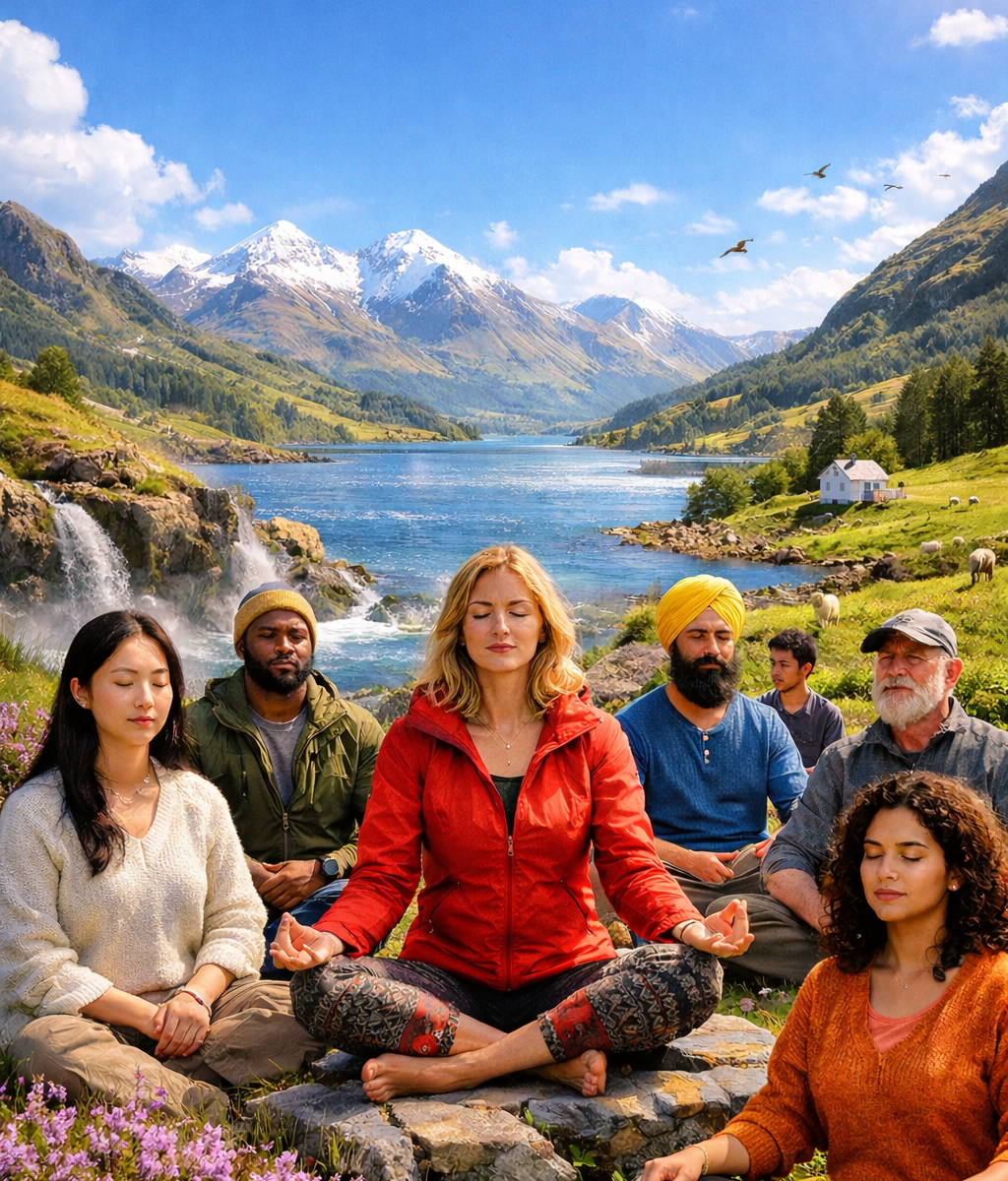
Why Scotland Is a Natural Sanctuary for Sensory-Rich Meditation

 (Especially for ADHD Minds)

When people imagine meditation, they often picture stillness, silence, and long periods of inward focus. While this traditional approach works well for some, it can feel inaccessible—or even uncomfortable—for those with ADHD. Fortunately, meditation does not have to mean sitting perfectly still with a quiet mind. In fact, one of the most effective forms of meditation for ADHD is grounding, sensory-rich practice. Few places in the world support this style of meditation as effortlessly and beautifully as Scotland.

The Power of Sensory-Grounded Meditation

ADHD brains are often wired for stimulation, novelty, and movement. Rather than fighting this natural tendency, grounding meditation works with it. Sensory-rich meditation anchors awareness in the body and environment—engaging the senses of sight, sound, touch, and even smell. This approach reduces cognitive overload by giving the mind something tangible to focus on, creating calm through presence rather than forced stillness.

Scotland’s landscapes are inherently grounding. The environment invites awareness without demanding it, offering a natural rhythm that makes meditation feel intuitive rather than effortful.

A Landscape That Supports Presence

From mist-covered Highlands to rugged coastlines and ancient forests, Scotland provides an abundance of sensory input that is soothing rather than overwhelming. The rolling terrain naturally slows movement and breath. Wide-open spaces encourage expansive thinking while simultaneously grounding the body through scale and perspective.

For those with ADHD, this balance is crucial. Scotland’s landscapes are rich, but not chaotic. The muted greens, greys, and blues typical of the Scottish environment are calming, offering visual interest without excessive stimulation.

Soundscapes That Calm Rather Than Distract

Sound is one of the most powerful tools in sensory grounding, and Scotland excels here. The rhythmic crash of waves along the coastline, wind moving through tall grass, rainfall on stone paths, distant calls of seabirds, or the steady flow of a river all create natural soundscapes that support meditative awareness.

Unlike silence—which can sometimes amplify internal noise—the layered sounds of nature provide gentle, external focus. This makes it easier for ADHD minds to remain present without drifting into overthinking.

Connection Through Movement

Meditation in Scotland often happens through movement rather than stillness. Walking meditations along lochs, mindful hikes through glens, or slow exploration of forest paths allow the body to participate fully in the meditative process.

This embodied approach is particularly beneficial for ADHD individuals who may struggle with traditional seated meditation. Walking across uneven terrain, feeling the ground beneath each step, noticing shifts in temperature and light—all naturally draw attention into the here and now.

Weather as a Teacher of Awareness

Scotland’s weather is famously dynamic, and this variability is a gift for mindfulness practice. Shifting clouds, changing light, sudden rain, and fresh wind invite constant sensory check-ins. Rather than resisting discomfort, practitioners learn to notice sensations without judgment—feeling cool air on the skin, damp earth underfoot, or warmth when the sun briefly appears.

This ongoing sensory engagement helps ADHD minds stay anchored in present-moment awareness while building emotional regulation and resilience.

Ancient Energy and Psychological Safety

Many people report a unique sense of grounding in Scotland that goes beyond sensory input. The land carries a deep sense of history—ancient stone circles, ruins, castles, and sacred sites are woven into the landscape. For grounding meditation, this can foster a feeling of psychological safety and continuity, helping individuals feel supported and held by something larger than themselves.

For ADHD minds, which can be prone to racing thoughts or emotional intensity, this sense of rootedness can be profoundly calming.

 A Place Where Meditation Feels Natural

Perhaps the greatest gift Scotland offers is permission. Permission to meditate without rigid rules. Permission to move, to observe, to feel, and to engage fully with the environment. Meditation here does not feel like an obligation or performance; it feels like a natural response to the land.

Whether standing quietly beside a loch, breathing in salt air on a coastal path, or walking mindfully through rain-soaked hills, Scotland invites a form of meditation that is alive, sensory, and accessible.

Frequently Asked Questions: Sensory-Rich Meditation & ADHD

1. Why is sensory-rich meditation often easier for people with ADHD?

ADHD minds tend to seek stimulation and novelty. Sensory-rich meditation works with this natural wiring by anchoring attention in sound, movement, texture, and environment rather than forcing sustained internal focus or silence.

2. Is this still considered “real” meditation?

Yes. Meditation is defined by present-moment awareness, not by posture or stillness. Walking, observing nature, and engaging the senses mindfully are all recognised forms of meditative practice.

3. Do I need to be in Scotland for this type of meditation to work?

Scotland offers an ideal environment, but the principles of sensory-rich meditation can be practised anywhere. The key elements are movement, sensory awareness, and environmental engagement—not a specific location.

4. How long should sensory-based meditation sessions last?

Short sessions are often most effective. Even 5–15 minutes of mindful walking or sensory awareness can provide regulation and calm, especially for ADHD minds.

5. What if I struggle with traditional seated or silent meditation?

That’s very common. Sensory-rich meditation is a supportive alternative that removes pressure to sit still or quiet the mind, making meditation feel accessible rather than frustrating.

6. Can sensory-rich meditation help with emotional regulation?

Yes. By grounding attention in physical sensation and environment, this approach supports nervous system regulation and can reduce overwhelm, restlessness, and emotional intensity over time.

7. Is movement-based meditation suitable for beginners?

Absolutely. Many beginners find this style more intuitive because it mirrors how attention naturally moves and responds to sensory input.

8. Can this type of meditation be practised indoors?

Yes. While nature is especially supportive, sensory-rich meditation can be adapted indoors using gentle sound, mindful movement, breath awareness, and tactile grounding.

9. Is sensory-rich meditation suitable for neurodivergent adults and children?

This approach is often particularly supportive for neurodivergent individuals because it respects individual sensory needs and attention patterns rather than enforcing rigid techniques.

10. How often should I practise sensory-rich meditation?

Consistency matters more than duration. Regular short practices—several times a week or even daily—can be more beneficial than occasional long sessions.

11. Do I need special equipment or tools?

No. Sensory-rich meditation begins with awareness, not equipment. Some people later choose simple supports for comfort or focus, but these are optional rather than required.

12. What mindset is most helpful when practising this type of meditation?

Gentleness and curiosity. The goal is not to control attention but to notice sensations as they arise, allowing the practice to feel supportive rather than effortful.

 Final Thoughts

For those with ADHD, meditation works best when it meets the mind where it is rather than asking it to change. Scotland, with its rich sensory landscapes and grounding presence, offers an ideal environment for this approach. It transforms meditation from something to “do” into something to experience—fully, openly, and without strain.

In Scotland, mindfulness is not confined to a cushion. It lives in the land itself.

This page exists to support comfort and regulation for those who find practical structure helpful.Yoga947 Resources
Free tools and gentle companions to support mindful living

🟢 

At Yoga947, meditation is not about perfection or pressure.
It is about meeting yourself where you are — with awareness, gentleness, and practical support.

This page gathers free Yoga947 resources designed to support grounding, calm, and nervous system regulation. Each tool is optional and can be used in your own way, at your own pace.


🟢 Sensory & ADHD-Friendly Meditation

Sensory-Rich Meditation Checklist

A gentle companion for grounding, movement, and calm — especially supportive for ADHD minds.

This free checklist supports sensory-based meditation through movement, sound awareness, and environmental grounding. Designed to reduce overwhelm and encourage presence without rigid rules.

👉 View the Sensory-Rich Meditation Checklist


🟢  Nature-Based & Movement Practices

More Yoga947 grounding tools and meditation companions will be added here.


🟢  How to Use These Resources

  • You do not need to use every resource
  • Short practices are enough
  • Tools are optional, not required
  • Consistency matters more than intensity

Choose what feels supportive today.

Yoga947.com
Grounded meditation • Gentle awareness • Practical calm

Unlock Mindfulness: The Power of Walking Meditation

Description:
In this post, we’ll explore the practice of walking meditation. We’ll guide you through the fundamentals, benefits, and techniques that make walking meditation a unique way to experience mindfulness. This post is ideal for readers who want to add a meditative practice to their daily routine. They prefer something more active than sitting meditation. Whether you are a seasoned meditator or you are beginning your journey, this article will assist you. It will help you discover a path to inner peace through mindful walking.

Introduction 

In our fast-paced world, it’s easy to feel overwhelmed, disconnected, and stressed. Many people turn to meditation to find calm and restore balance. Still, the idea of sitting still for long periods is not appealing to everyone. Fortunately, there’s a form of meditation that combines movement with mindfulness: walking meditation.

Walking meditation offers a refreshing alternative to traditional seated meditation. It allows you to anchor your awareness in the body and the present moment as you walk. This practice is not only an excellent way to calm your mind. It also helps you connect with your environment, your breath, and your physical sensations.

In this blog post, we’ll explore the basics of walking meditation. We will discuss its benefits. Additionally, we will explain how to incorporate it into your daily life. By the end, you’ll understand how this moving meditation can enhance your mental, physical, and spiritual well-being.

 What is Walking Meditation? 

Walking meditation is an ancient practice rooted in various spiritual traditions, including Buddhism and Taoism. Unlike seated meditation, where you focus on the breath or a mantra while sitting still, walking meditation involves moving mindfully. You pay attention to the rhythm of your footsteps. You notice the sensations in your body and the environment around you.

In walking meditation, every step becomes an opportunity to practice mindfulness. You don’t rush or strive to get anywhere. Instead, you walk slowly and deliberately, focusing on the process of walking itself. This meditative movement helps you cultivate awareness in the current moment. It assists you in becoming more attuned to your body and mind.

There are different forms of walking meditation, but they all share the same core principle: mindful awareness in movement. Some practices encourage extremely slow walking, where each step is taken with intention and full awareness. Others may involve a more natural pace but still emphasize mindfulness and a non-judgmental focus on the present moment.


The Benefits of Walking Meditation 

Walking meditation offers a wide range of benefits for your mind, body, and spirit. Here are some key advantages of incorporating this practice into your routine:

  1. Reduces Stress and Anxiety:
    Walking meditation is a powerful stress-relieving tool. By focusing on the present moment and detaching from worries, you give your mind a break from overthinking. The combination of mindful movement and breath awareness helps reduce anxiety and promote a sense of calm.
  2. Enhances Physical Health:
    Walking is a gentle form of exercise that improves circulation, strengthens muscles, and boosts cardiovascular health. When combined with mindfulness, walking meditation encourages better posture. It promotes more intentional movements and overall physical awareness. This leads to long-term physical well-being.
  3. Boosts Mental Clarity and Focus:
    Regular practice of walking meditation improves concentration and cognitive function. The practice trains your mind to stay focused on the task at hand. This focus can enhance productivity. It also sharpens your mind in other areas of life.
  4. Improves Mood and Emotional Well-Being:
    The rhythmic movement of walking, paired with mindfulness, releases endorphins, improving your mood. Walking meditation can also help you process emotions in a non-judgmental way, fostering emotional resilience and balance.
  5. Connects You to Nature and Your Surroundings:
    Walking meditation is often done outdoors, providing a chance to connect with nature. Be aware of the sounds of birds. Feel the breeze. Notice the warmth of the sun. These actions can foster a deeper connection to the natural world. They enhance your sense of peace and grounding.

Section 3: How to Practice Walking Meditation 

Here’s a simple guide to start your walking meditation practice:

  1. Choose a Location:
    Find a quiet, comfortable place where you can walk undisturbed. This can be a park, a garden, a beach, or even your backyard. While many people prefer to practice outdoors, indoor spaces can also be suitable for walking meditation.
  2. Set Your Intention:
    Before you begin, set an intention for your practice. This could be to calm your mind, focus on the present moment, or simply enjoy the act of walking mindfully. Setting an intention helps guide your focus during the meditation.
  3. Start with Posture and Breath:
    Stand still for a moment and take a few deep breaths. Notice your body, your posture, and your connection to the ground. Let your body relax, but remain upright. Pay attention to how your feet make contact with the earth.
  4. Begin Walking Slowly:
    Start walking at a slow, deliberate pace. Focus on each step, feeling your feet lifting off the ground and making contact again. Sync your breath with your steps, if possible. For example, inhale for two steps, and exhale for two steps.
  5. Stay Present and Mindful:
    As you walk, keep your attention focused on the present moment. If your mind begins to wander, gently bring it back to the sensation of walking. Notice your surroundings, the sounds, the smells, and how your body feels as you move.
  6. End the Session Mindfully:
    After 10 to 20 minutes of walking, slow down and come to a complete stop. Take a few moments to stand still and reflect on how you feel. Finish the meditation with a few deep breaths and a sense of gratitude for the experience.

Section 4: Tips for Deepening Your Practice 

Here are some helpful tips to make the most out of your walking meditation practice:

  • Practice Consistently:
    Like any meditation practice, consistency is key. Try to incorporate walking meditation into your daily routine, even if it’s just for a few minutes each day.
  • Vary Your Environment:
    Experiment with different locations. Walking in nature can be particularly soothing. Urban environments can also offer unique opportunities to observe your surroundings in a mindful way.
  • Alternate Speeds:
    Try varying your walking pace. Sometimes slow, deliberate steps help deepen mindfulness, while at other times, a brisk, mindful walk can feel invigorating.
  • Combine with Other Practices:
    Walking meditation can greatly complement other mindfulness practices. These include seated meditation, yoga, or breathing exercises.
  • Be Kind to Yourself:
    Don’t worry if your mind wonders during the practice. Walking meditation is about bringing your awareness back to the present whenever you notice distractions. Treat yourself with compassion and enjoy the process.

Conclusion 

Walking meditation is a beautiful practice that combines the benefits of movement with mindfulness. Walking meditation is refreshing. It is dynamic and a wonderful way to cultivate inner peace. Whether you’re new to meditation or looking to expand your practice, it offers something valuable. It invites you to slow down, breathe, and savour the simple act of walking.

By integrating walking meditation into your routine, you can experience reduced stress. It also leads to improved mental clarity. You will feel a stronger connection to your surroundings. Take your first mindful step today and discover the profound effects of this ancient practice.

Your welcome to share your thoughts!

“Have you tried walking meditation before? Share your thoughts or experiences in the comments below—I’d love to hear how this practice works for you!”

For additional resources to help you with meditative walking, here are several options:

1. Books on Walking Meditation

  • “The Miracle of Mindfulness” by Thich Nhat Hanh: This book is written by a Vietnamese Buddhist monk. It offers a beautiful introduction to mindfulness practices. One practice it includes is walking meditation.
  • “Walking Meditation” by Nguyen Anh-Huong & Thich Nhat Hanh: This guide focuses specifically on walking meditation. It provides step-by-step instructions and offers insights from a Buddhist perspective.
  • “How to Walk” by Thich Nhat Hanh: This book is short and easy to read. It focuses entirely on mindful walking. The book is suitable for both beginners and seasoned practitioners.

2. Online Guided Meditations

  • Insight Timer: This app offers free guided meditations, including ones focused on walking meditation.
  • Headspace: A meditation app that features walking meditations designed to bring mindfulness into daily movement.
  • Calm: Another app with a variety of meditations, including guided sessions for walking meditation.

3. YouTube Channels

  • Thich Nhat Hanh Foundation: Offers free videos and lectures. These include guided walking meditations led by Thich Nhat Hanh and his followers.
  • Mindful Movement: A YouTube channel with various guided mindfulness practices, including walking meditation.
  • Tara Brach: A well-known meditation teacher who occasionally includes walking meditation practices in her mindfulness teachings.

4. Retreat Centers and Courses

  • Retreats with a strong emphasis on walking meditation.Spirit Rock Meditation Center (California): Offers retreats and online courses that include walking meditation as part of their mindfulness teachings.
  • Gaia House (UK): A Buddhist retreat center offering courses where walking meditation is practiced.

5. Podcasts

  • “On Being with Krista Tippett”: Features interviews with mindfulness and meditation experts, often touching on walking as a mindful practice.
  • “The Mindful Kind” by Rachael Kable: A podcast focused on mindfulness with episodes covering walking meditation.

These resources provide a mix of practical guidance, philosophical teachings, and tools to help deepen your walking meditation practice.