Fascia Release Meditation: Restore Mobility, Ease Tension & Reconnect with Your Body

Introduction: Why Fascia Release Matters in a Tense World

Modern life places constant strain on the body — prolonged sitting, repetitive movements, emotional stress, and shallow breathing all contribute to deep-seated tension. Often, this tension isn’t just in the muscles, but within the fascia, the connective tissue that links everything together.

Fascia Release Meditation is a gentle, mindful practice that combines breath, awareness, and subtle movement to soften restrictions in the fascia while calming the nervous system. Unlike forceful stretching, this approach works with the body — not against it — allowing release to happen naturally.

At Yoga947, fascia release meditation is taught as a body-mind reset, supporting mobility, emotional regulation, and long-term wellbeing.


What Is Fascia? (And Why It’s So Important)

Fascia is a continuous web of connective tissue that surrounds muscles, bones, organs, nerves, and blood vessels. It gives structure to the body while allowing fluid movement.

Key roles of fascia include:

  • Supporting posture and alignment
  • Transmitting force between muscles
  • Providing sensory feedback to the brain
  • Responding to stress, trauma, and emotional states

When fascia becomes dehydrated, overstimulated, or restricted, it can contribute to:

  • Chronic pain or stiffness
  • Reduced mobility
  • Fatigue and poor posture
  • Heightened stress responses

Meditation that focuses on breath and awareness helps restore hydration, elasticity, and communication within fascial tissue.


The History of Fascia-Focused Healing

Although fascia research is relatively modern, fascia-based practices have ancient roots.

Traditional Foundations

  • Yogic stretching, Qigong, and Tai Chi all emphasise slow, elastic movement that stimulates connective tissue.
  • Eastern body-mind systems recognised that tension and emotion live in the body, long before fascia was anatomically defined.

Modern Developments

  • Osteopathic medicine and physical therapy in the 20th century began studying fascia’s role in pain and mobility.
  • Myofascial release techniques emerged, focusing on sustained, gentle pressure rather than force.
  • Today, mindfulness and somatic practices integrate meditation with fascia awareness, bridging neuroscience, anatomy, and self-healing.

What Does Science Say? (Research-Based Evidence)

While “fascia release meditation” as a term is still emerging, research strongly supports its core components:

✔ Fascia & Sensory Awareness

Fascia contains a high concentration of sensory receptors, making it deeply responsive to slow movement and attention.

✔ Meditation & Pain Reduction

Studies show meditation can reduce chronic pain, anxiety, and sleep disturbances —all factors that influence fascial tension.

✔ Nervous System Regulation

Mindfulness practices reduce sympathetic (stress) activation, allowing fascia to soften rather than guard.

✔ Fascia-Focused Movement Studies

Clinical research demonstrates that regular fascial exercises improve:

  • Mobility and flexibility
  • Sleep quality
  • Anxiety and mood regulation
  • Headache and tension symptoms

Together, this supports fascia release meditation as a safe, evidence-aligned complementary practice.


Daily Benefits of Fascia Release Meditation

Practised consistently, this meditation supports:

1. Reduced Physical Tension

Gentle awareness helps release long-held restrictions without strain.

2. Improved Mobility & Flexibility

Fascia responds best to slow, mindful movement rather than forceful stretching.

3. Stress & Emotional Balance

Fascia tightens under stress — calming the nervous system allows it to unwind.

4. Enhanced Body Awareness

Develops proprioception and early awareness of tension patterns.

5. Better Sleep & Recovery

Relaxed fascia supports parasympathetic (rest-and-repair) states.

6. Injury Prevention

Improved tissue awareness encourages healthier movement habits.


How to Practice Fascia Release Meditation (Simple Daily Method)

Duration: 10–20 minutes
Position: Seated or lying down

  1. Begin with slow nasal breathing
  2. Bring awareness to areas of tightness or heaviness
  3. Visualise the tissue softening and expanding with each exhale
  4. Introduce subtle movements (micro-rolls, gentle stretches)
  5. Pause and observe sensations without judgment
  6. End with stillness and grounding breath

Tools & Products to Support Your Practice

Recommended Physical Tools

(Available via: https://yogatrustedsite-space.trustedsite.space/)

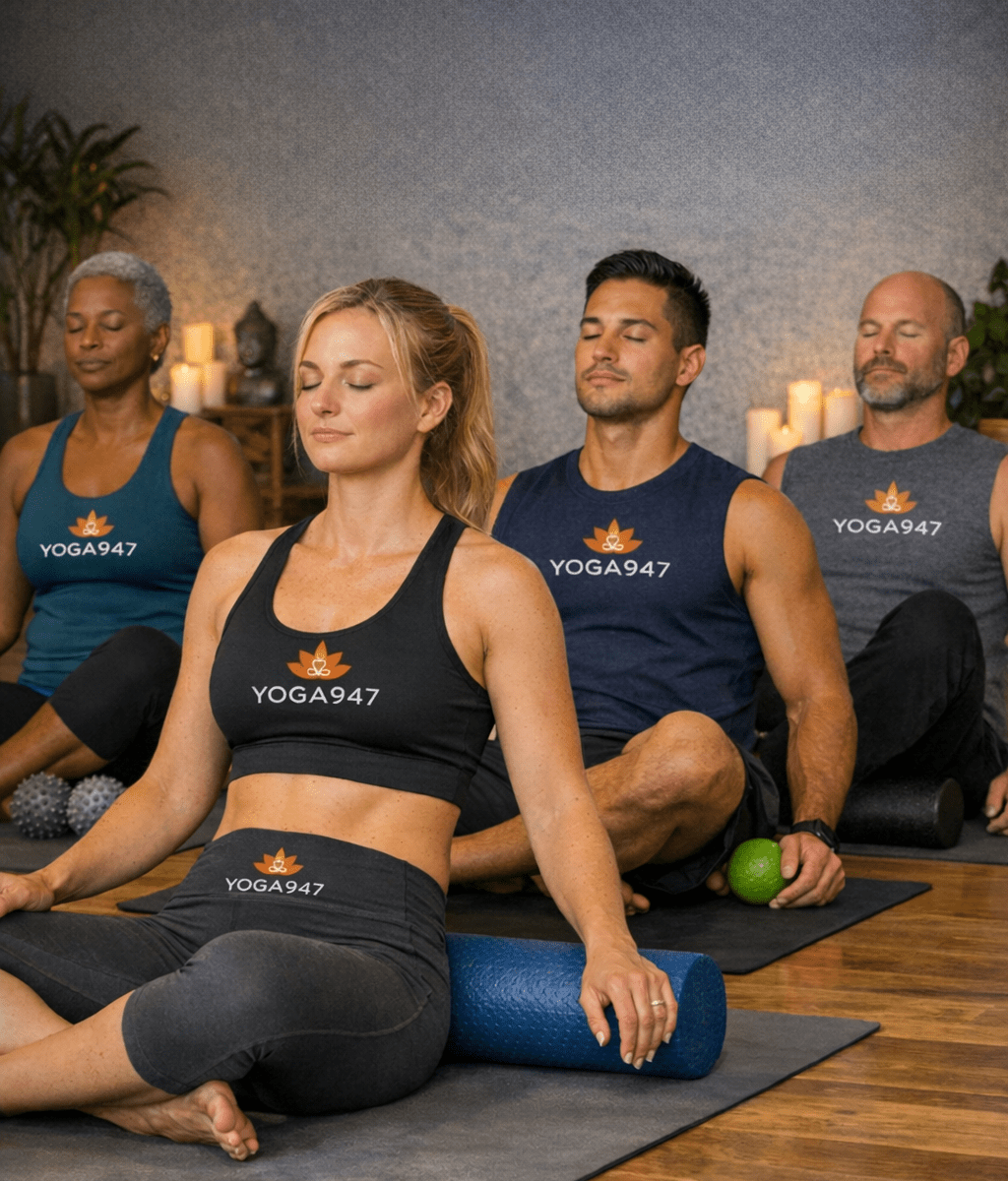
  • Foam rollers (gentle preparation before meditation)
  • Massage or fascia balls
  • Yoga blocks and straps
  • Meditation cushions and mats
  • Soft blankets for nervous system comfort

Frequently Asked Questions (FAQ)

Is fascia release meditation safe for beginners?

Yes — it is gentle, slow, and adaptable for all levels.

Is this the same as foam rolling?

No. Foam rolling is mechanical; fascia release meditation focuses on internal awareness and nervous system relaxation.

How often should I practice?

Daily short sessions (10–15 minutes) are more effective than occasional long sessions.

Can this help emotional tension?

Yes. Fascia responds to emotional stress, and mindful release can support emotional regulation.

Do I need equipment?

No — tools are optional but can enhance comfort and awareness.

Returning to Ease Through Fascia Awareness

Fascia Release Meditation invites us to slow down and listen to the body in a deeper way. Rather than forcing flexibility or pushing through discomfort, this practice encourages gentle awareness, allowing the connective tissue to soften naturally as the nervous system settles.

Through consistent practice, fascia release meditation can support greater ease of movement, reduced tension, emotional balance, and a stronger sense of body trust. It reminds us that healing does not always require effort — sometimes it begins with stillness, breath, and attention.

“Peace begins within — one breath, one vibration at a time.”
— Yoga947

Journaling through Writing Meditation: A Path to Clarity

Introduction: The Pen as a Portal

Imagine sitting in stillness. Pen in hand, heart open. Each word flows onto the page not as a task, but as a meditation. Writing meditation is more than journaling. It is a mindful practice that merges stillness with expression, allowing the subconscious to speak freely. As ancient as storytelling itself, writing meditation reconnects us to inner truth, clarity, and emotional release.


 Origins: Where Writing Meditation Began

Writing as a meditative act has deep roots across cultures:

  • Ancient Egypt & Mesopotamia: Scribes wrote sacred texts and prayers as part of ritual devotion. Writing was a divine channel—a way to commune with gods.
  • Taoist and Zen Traditions: In ancient China and Japan, calligraphy was a spiritual art. Practitioners believed that writing characters with intention train could the mind, balance chi, and embody presence.
  • Medieval Christian Mystics: Monks engaged in lectio divina, reading and scribing sacred texts to enter contemplative states.
  • Indigenous Storytelling: Oral traditions dominated. The act of creating story, whether later written or preserved through generations, served as a communal meditation. It reflected on values, dreams, and healing.

Writing as meditation began not as a trend. It served as a sacred bridge between the self and the divine. It connected the conscious and the unconscious.


 Why Writing Meditation Still Matters Today

In an age of distraction and over stimulation, writing meditation offers:

  • Mental clarity: It quiets the mental noise, bringing attention back to the present.
  • Emotional regulation: It helps process grief, anger, joy, and confusion in a safe, nonjudgmental space.
  • Self-inquiry: Writing enables deeper introspection and spiritual insight.
  • Creative unlocking: Many artists use meditative writing to connect with their muse.
  • Trauma release: Evidence suggests expressive writing lowers stress and even strengthens immune function.

 Resources to Support Your Writing Meditation Practice

Here are accessible tools to begin or deepen your journey:

Books

  • Writing Down the Bones by Natalie Goldberg — A blend of Zen and creative writing.
  • The Artist’s Way by Julia Cameron — Introduces the “Morning Pages” ritual.
  • Opening Up by Writing It Down by James Pennebaker — A scientific look at the healing power of writing.
  • The Sacred Path of the Warrior by Chögyam Trungpa — Offers meditative perspectives for writers and creatives.

Tools & Rituals

  • Morning Pages: A daily practice of writing 3 free-form pages first thing in the morning.
  • Writing Altar: Set up a candle, a crystal, or sacred object where you write.
  • Timed writing: Use 10-15 minute timers to stay focused.
  • Prompt jars: Create a collection of personal or spiritual prompts for introspection.

Online Platforms & Communities

  • Insight Timer (guided writing meditations)
  • Yoga947.com’s own upcoming Writing Meditation Journal & Toolkit


️ Case Studies: Real Voices, Real Healing

Case 1: “Healing Through Grief” – Layla, 42
Layla lost her father unexpectedly. She began writing each morning, addressing letters to him. Over time, this practice shifted her from heartbreak to peace, as she found forgiveness and meaning through her words.

Case 2: “Writer’s Block & The Inner Child” – Miko, 29
Miko, a poet, faced burnout and creative paralysis. A guided writing meditation focused on inner child healing helped her rediscover the joy of play. It revived her imagination and reignited her voice.

Case 3: “Manifestation Writing” – Aaron, 35
Aaron used a daily meditation. He wrote out his ideal life with gratitude, clarity, and presence. Within months, he found new direction in career and relationships, crediting writing as the visualization anchor.


How to Begin: A Simple Writing Meditation Practice

  1. Create Sacred Space: Light a candle, burn incense, or sit by a window.
  2. Breathe: Take 3 deep breaths. Close your eyes for 30 seconds.
  3. Set Intention: Silently ask, “What does my soul need to say today?”
  4. Write Freely for 10 Minutes: No filters, no editing. Let it flow.
  5. Close with Gratitude: Reread what you wrote and say “thank you” to yourself.

Prompt Ideas:

  • What emotion needs my attention right now?
  • What is my inner child trying to tell me?
  • If I write a letter to my future self, what would it say?

 Begin Your Writing Meditation Journey Today

Ready to explore the healing power of writing?


Final Thought: Your Words Are Sacred

You don’t need to be a poet to practice writing meditation. All you need is a willingness to listen and the courage to put pen to page. Let this ancient practice carry you home—to yourself.

“Ancient Echoes: Meditative Wisdom Across Africa”

Introduction

Africa, a continent renowned for its kaleidoscope of cultures, landscapes, and histories, stands as a testament to human diversity and resilience. Home to over 50 countries and a multitude of ethnic groups, Africa’s rich tapestry weaves together ancient traditions, customs, and spiritual practices, many of which include the art of meditation. Today, we embark on a journey to explore the roots, evolution, and contemporary significance of meditation in the diverse mosaic of African cultures.

Origins and Spread of Meditation in Africa

Meditation in Africa dates back to ancient times, deeply entwined within the cultural fabric of numerous indigenous communities. These practices, manifested through rhythmic movements, chants, communal rituals, and contemplative techniques, have been integral to the spiritual and cultural heritage of various African tribes. Their origins, although often passed down through oral traditions, hold a significant place in the historical narrative of the continent.

Tribes, Locations, and Their Meditation Practices

A myriad of African tribes and communities have historically engaged in meditation or similar contemplative practices:

  • The San People (Bushmen): Indigenous to Southern Africa, the San people have a long-standing tradition of spiritual practices involving trance states induced by rhythmic drumming, dances, and healing rituals. This practice is believed to promote healing and connect participants with their spiritual world (Reference: Studies by cultural anthropologists like Bradford Keeney and others who have observed the San People’s healing rituals).
  • Case Study Illustration: Dr. Rachel Parker, an anthropologist, lived with the San People for a year to study their healing practices. She observed a ritual where a community member, experiencing illness, participated in a healing dance. The rhythmic drumming and chants created a trance-like state, believed to connect the individual with ancestral spirits for healing. The person emerged from the ritual expressing a sense of relief and reported improved well-being over time.
  • The Maasai: Found primarily in East Africa, the Maasai integrate meditation into their daily lives through ritualistic dances, chanting, and a deep connection to their spiritual beliefs and the natural world, offering a form of meditation. (Reference: Ethnographic accounts from researchers like Joseph Thompson or Maasai elders’ narratives)
  • Case Study Illustration: Dr. James Anderson, a researcher, lived among the Maasai to study their traditional practices. He documented the experience of young Maasai warriors engaging in a ritual dance, performed as part of a community celebration. The repetitive, rhythmic movements and chants created a meditative atmosphere, strengthening the warriors’ bond with their heritage. The participants reported feeling a deep connection with their ancestors and a renewed sense of cultural identity.
  • The Yoruba: Hailing from West Africa, the Yoruba have a rich cultural and spiritual heritage that encompasses diverse contemplative practices, often involving communal ceremonies, music, and rhythmic rituals, often involving repetitive movements, chants, and rhythmic beats. This practice is aimed at spiritual connection and communal healing. (Reference: Works by scholars like Robert Farris Thompson who have studied African dance and music traditions)
  • Case Study Illustration: Dr. Fatima Olatunji conducted fieldwork among the Yoruba people, focusing on their traditional ceremonies. She documented a community event where a dance ritual was performed to honor ancestral spirits. The rhythmic drumming and synchronized movements induced a sense of unity and collective consciousness among participants. Individuals reported feeling spiritually uplifted and emotionally connected to their community after the ritual.

These tribes represent a fraction of the many communities across Africa with unique meditation practices, each reflecting the diversity and cultural richness of the continent.

Benefits of Meditation in Africa in 2023

In the contemporary landscape of Africa, meditation holds profound significance and offers a range of benefits:

  • Mental Health and Well-being: Meditation serves as a tool for stress reduction, providing mental health support and emotional balance in the face of the modern-day challenges.
  • Cultural Connection and Identity: For many Africans, meditation acts as a means to connect with their cultural roots, fostering a sense of identity and preserving heritage in a rapidly changing world.
  • Community Resilience and Healing: It continues to play a pivotal role in communal healing, offering solace and resilience amidst social and personal challenges.
  • benefits of meditation in Africa are extensive and extend to men, women, and children across various aspects of their lives.
  • Benefits For Men:
  • Mental Health and Stress Reduction:
  • Meditation offers men a tool for managing stress, promoting mental clarity, and enhancing emotional well-being. In African societies, where men often face multiple pressures related to work, family, and societal expectations, meditation can provide a space for inner calm and resilience.
  • Emotional Balance:
  • Engaging in meditative practices allows men to develop emotional balance and self-awareness. This is particularly valuable in cultures where traditional masculinity norms might discourage open expressions of emotions, providing a private space for self-reflection and emotional regulation.
  • Community Leadership and Resilience:
  • In many African communities, men often play leadership roles within their families and communities. Meditation can empower them with a clearer mindset, enhanced decision-making abilities, and a deeper sense of empathy, contributing to more effective leadership and community resilience.
  • Benefits For Women:
  • Emotional Well-being and Empowerment:
  • Meditation provides a space for women to navigate the stresses of daily life, offering a tool for managing emotional well-being. In many African cultures, where women might face various societal and familial pressures, meditation offers a sense of empowerment and inner strength.
  • Coping with Societal Expectations:
  • Women in African societies often juggle various roles within their families and communities. Meditation can serve as a sanctuary, allowing them to find a moment of peace, self-reflection, and strength amidst societal expectations.
  • Self-care and Mental Health:
  • Engaging in meditative practices allows women to prioritize their mental health and well-being, fostering a sense of balance and resilience. It can also offer a space for self-care, helping them navigate the challenges of daily life.
  • Benefits For Children:
  • Emotional Regulation and Well-being:
  • Meditation provides children with tools for emotional regulation, helping them cope with stress and anxiety. It cultivates a sense of calm, focus, and emotional resilience, which is particularly beneficial for children facing academic or social pressures.
  • Improved Concentration and Academic Performance:
  • Practicing meditation at a young age can improve a child’s ability to concentrate, leading to potential benefits in academic performance. It can enhance cognitive skills and facilitate better learning abilities.
  • Cultivation of Empathy and Compassion:
  • Through meditation, children can develop a sense of empathy and compassion, promoting a positive attitude towards others and nurturing a more harmonious social environment within their families and communities.
  • In African contexts, the benefits of meditation for men, women, and children are multifaceted, offering tools for mental well-being, emotional regulation, and resilience, while also contributing to healthier family dynamics and communities.

In 2023, the practice of meditation in Africa transcends mere historical and cultural boundaries, providing both practical benefits and a link between tradition and the modern world.

This comprehensive overview sets the stage for a deeper exploration into the historical legacy and contemporary relevance of meditation across diverse African cultures, shedding light on its cultural, spiritual, and practical significance in the lives of individuals and communities.

For future research on African meditation, there are various resources and avenues you can explore to delve deeper into this topic. Here are some suggestions:

  1. Books and Academic Journals:
    • Look for books written by scholars, anthropologists, and historians specializing in African culture, spirituality, and anthropology. Titles like “African Spirituality” by Jacob K. Olupona or “African Religions & Philosophy” by John S. Mbiti might offer insights into meditation practices.
    • Academic journals focusing on African studies, anthropology, or cultural history often contain research articles exploring indigenous practices, including meditation, in different African regions.
  2. Museums and Cultural Institutions:
    • Visit museums or cultural institutions with collections or exhibitions on African culture. Many of these places offer valuable insights into traditional practices, including meditation, through artifacts, historical displays, and expert commentary.
  3. Online Databases and Academic Platforms:
    • Access academic databases like JSTOR, Google Scholar, or Project MUSE. These platforms contain scholarly articles, research papers, and publications discussing African history, spirituality, and indigenous practices, including meditation.
  4. Consult Local Experts or Organizations:
    • Reach out to experts in African studies, anthropology, or cultural heritage preservation. Professors, researchers, or non-profit organizations working in African cultural preservation might offer guidance or access to resources.
  5. Documentaries and Films:
    • Documentaries that explore African cultures, traditions, and spiritual practices often provide visual insights and interviews with practitioners. Titles such as “The Story of Africa” or “African Renaissance: When Art Meets Power” might touch on these topics.
  6. Online Courses and Webinars:
    • Enroll in online courses or attend webinars related to African studies, anthropology, or cultural history. Platforms like Coursera, edX, or even specialized institutions sometimes offer courses on African culture and spirituality.
  7. Fieldwork and Interviews:
    • Consider conducting fieldwork or interviews with experts, practitioners, or communities who have firsthand knowledge of African meditation practices. This method might offer unique insights and perspectives.
  8. Publications by African Authors:
    • Look for publications, essays, or writings by African authors or practitioners who discuss their cultural heritage, traditional practices, and the significance of meditation in their communities.

When researching African meditation, a multidisciplinary approach involving history, anthropology, cultural studies, and spirituality will provide a comprehensive understanding. Be sure to critically evaluate sources, consider multiple perspectives, and verify information from reliable and credible sources for a well-rounded exploration of this fascinating topic.

The Enduring Legacy of Meditation Across Africa

The tapestry of meditation throughout Africa is woven with threads of cultural richness, spiritual depth, and historical significance. Across the diverse landscapes and traditions of this vast continent, meditation has played a pivotal role in shaping communities, providing solace, and fostering spiritual connections.

From the ancient practices of the San People’s healing rituals, where rhythmic movements and trance states connect individuals with their spiritual world, to the Maasai warrior dance, facilitating a deep bond with their cultural heritage, and the Yoruba’s ceremonial drumming and dance rituals aimed at communal healing—each instance illuminates the diverse manifestations of meditative practices deeply rooted in the African soil.

In 2023, the benefits of meditation continue to resonate, offering men, women, and children tools for stress reduction, emotional balance, and resilience. Meditation serves as a sanctuary, enabling individuals to find peace amid the daily pressures, fostering cultural connection, and nurturing mental well-being.

The silent yet profound impact of meditation in African societies transcends mere stress reduction—it is a cultural bridge connecting the past with the present, offering a beacon of resilience and a path to inner peace. From the rhythms of the San People to the ceremonial traditions of the Yoruba and Maasai, these practices speak to the enduring legacy of meditation within the hearts and minds of diverse African communities.

As Africa moves forward, embracing the contemporary world while honoring its cultural heritage, the echoes of meditation persist, guiding, healing, and resonating across the continent, ensuring that this ancient practice remains an integral part of the vibrant tapestry of African history and life.

Advertise Free

“Beyond the Pose: The Transformative Power of Yin Yoga Practice”


In the chaotic rhythm of modern existence, where the world seems to spin faster each passing day, there exists a serene sanctuary waiting to be explored.

Imagine a space where movement is deliberate, where time slows to a gentle crawl, and where the essence of profound tranquility is unveiled. This sacred realm is none other than Yin Yoga—a practice that beckons you to a world of stillness and reflection amidst life’s ceaseless whirlwind.

Yin Yoga isn’t merely a series of poses; it’s an odyssey into the heart of tranquility. It’s where the soft, lingering whispers of breath meet the quiet surrender of the body in extended postures.

This artful practice unfolds as a tapestry woven from the threads of patience and introspection, inviting you to delve into the subtleties of the self and the universe. It’s a canvas for self-discovery, offering a roadmap to inner peace in a bustling world.

Amidst the kaleidoscope of contemporary yoga practices, Yin Yoga stands as a beacon of stillness—a profound departure from the frenetic, muscle-flexing styles that dominate the scene. It dares you to slow down, to linger longer, and to explore the profound depths of your own being through the gentle stretches and quiet murmurs of the mind.

In the embrace of each posture, time morphs into a companion rather than a captor. The extended holds offer an opportunity for both body and mind to unfurl, unraveling the knots of tension accumulated in the hustle of everyday life.

It’s an invitation to witness the dance between discomfort and release, a nuanced symphony of physical sensation and mental surrender.

Yin Yoga beckons not just seasoned practitioners but also novices, inviting all into its tranquil sanctuary. It speaks a universal language, embracing men, women, and children, offering a haven where the weary find solace, the agitated discover calm, and the seekers unravel the mysteries within.

Its origin also includes all the benefits from the daily practice for men women and children.

In the fast-paced and ever-evolving world we inhabit, the ancient practice of Yin Yoga stands as a serene oasis of tranquility, offering respite to people of all ages and backgrounds. Originating in ancient China over a thousand years ago, Yin Yoga has emerged as a profound and holistic approach to physical and mental well-being.

In the heart of its gentle, contemplative postures and long-held stretches, practitioners discover a treasure trove of benefits that extend their embrace to men, women, and even children.

The roots of Yin Yoga can be traced back to the Taoist traditions, where it was primarily designed to help individuals achieve harmony between the body and the mind. Unlike its more dynamic counterpart, Yang Yoga, Yin Yoga adopts a patient and introspective approach.

By emphasizing passive postures held for extended periods, it gently stimulates deep connective tissues, enhances flexibility, and promotes a profound sense of inner calm.

But Yin Yoga isn’t just reserved for seasoned yogis or adults seeking solace in their busy lives. Its versatility knows no bounds.

benefits for men, it can be a remedy to alleviate the stressors of modern masculinity, offering a sanctuary for mental and physical rejuvenation.

Women often find it to be a powerful ally in managing the multifaceted demands of their lives, promoting emotional balance and holistic health. And even children, though naturally sprightly, can benefit from the grounding and soothing embrace of Yin Yoga, fostering mindfulness from an early age.

The practice of Yin Yoga, with its rich historical tapestry and myriad of advantages, has transcended time and culture, offering a haven of serenity and self-discovery for all who are willing to venture into its world of stillness and reflection.

So, come, join us on a journey through the tranquil realms of Yin Yoga, and unlock the timeless wisdom and vitality it has to offer.

What are all the benefits of daily practice for men women and children when practicing

Yin yoga?

Yin Yoga, with its distinctive approach to long-held, passive postures, offers a wide range of benefits for Men, Women, and Children.

Here are some of the key advantages of a daily Yin Yoga practice for each group:

Benefits for Men:

  • Stress Reduction:
  • In our fast-paced world, men often experience high levels of stress. Yin Yoga’s calming and meditative nature can help reduce stress, anxiety, and tension.
  • Improved Flexibility:
  • Yin Yoga gently stretches and releases connective tissues, promoting flexibility, which can be particularly helpful for men with tight muscles.
  • Joint Health:
  • The long, deep stretches in Yin Yoga can improve joint mobility and reduce the risk of injuries, especially for those involved in physical activities or sports.
  • Emotional Balance:
  • The practice encourages self-reflection, aiding in emotional balance and mental clarity, which can be beneficial for men navigating complex emotional landscapes.

Benefits for Women:

  • Hormonal Balance:
  • Yin Yoga is known to help regulate hormones, making it valuable for women dealing with menstrual irregularities, menopause, or hormonal fluctuations.
  • Stress Relief:
  • It can be a sanctuary for women to de-stress and manage the demands of both personal and professional life.
  • Pain Management:
  • Women often find relief from chronic pain conditions like back pain and arthritis through regular Yin Yoga practice.
  • Enhanced Circulation:
  • The postures promote blood flow and lymphatic drainage, which can be particularly beneficial for women’s health.

Benefits for Children:

  • Emotional Regulation:
  • Yin Yoga can teach children mindfulness and help them manage their emotions, fostering emotional intelligence from an early age.
  • Improved Concentration:
  • The practice encourages focus and concentration, which can be valuable for academic and daily life.
  • Body Awareness:
  • Children can develop a better understanding of their bodies, posture, and balance through Yin Yoga, aiding in physical development.
  • Better Sleep:
  • Yin Yoga can help children relax, unwind, and get a good night’s sleep, which is crucial for their growth and overall well-being.

In all cases, Yin Yoga promotes a sense of tranquility and inner peace. It can also be adapted to suit individual needs and fitness levels, making it accessible to a wide range of practitioners. Whether you’re a man, a woman, or a child, incorporating Yin Yoga into your daily routine can lead to improved physical health, emotional well-being, and a deeper connection to the self.

To find further information about Yin Yoga, its benefits, and resources for people around the world, you can explore various avenues:

  • Yoga Studios and Teachers:
  • Local yoga studios and instructors often offer Yin Yoga classes. They can provide you with in-person guidance, resources, and recommendations for further learning.
  • Online Yoga Platforms:
  • Many online yoga platforms, such as YogaGlo, Gaia, and Yoga International, offer Yin Yoga classes and instructional videos. These platforms often have extensive libraries of classes and articles related to Yin Yoga.
  • Books:
  • Consider reading books on Yin Yoga written by experienced practitioners and instructors. A well-known book on the subject is “The Complete Guide to Yin Yoga” by Bernie Clark. It provides in-depth information about the practice.
  • Websites and Blogs:
  • Explore reputable websites and blogs dedicated to yoga. They often contain articles, videos, and resources on Yin Yoga. Yoga Journal and DoYogaWithMe are great places to start.
  • YouTube:
  • YouTube hosts many Yin Yoga channels that offer free video tutorials and guided practices. Look for instructors with positive reviews and a strong background in Yin Yoga.
  • Social Media:
  • Follow Yin Yoga instructors and enthusiasts on social media platforms like Instagram and Facebook. They often share tips, inspiration, and insights into their practice.
  • Online Forums and Communities:
  • Join yoga forums and communities like Yoga Reddit or specific Yin Yoga groups on Facebook. You can ask questions, share experiences, and learn from others.
  • Yin Yoga Workshops and Retreats:
  • Keep an eye out for workshops and retreats dedicated to Yin Yoga in your area or in locations you’d like to visit. These events offer immersive learning experiences.
  • Yin Yoga Teacher Training:
  • If you’re interested in becoming a certified Yin Yoga instructor or deepening your practice, you can enroll in a Yin Yoga teacher training program. These programs are offered by experienced teachers and are available worldwide.
  • Mobile Apps:
  • Explore mobile apps dedicated to yoga and meditation. Some, like “Yoga for Beginners” or “Daily Yoga,” provide Yin Yoga sessions and guided practices.

Remember to verify the credibility of the sources you use and cross-reference information when possible. Additionally, you can check for reviews and recommendations from others in the yoga community to ensure that the resources you find are reputable and beneficial for your Yin Yoga journey.

At its core, Yin Yoga embodies the art of deliberate surrender—where the bustling world fades into the background, allowing for a deeper communion with oneself. It’s a practice that speaks volumes in the silence between breaths, inviting you to explore the nuances of your body, mind, and spirit.

Each lingering posture in Yin Yoga is an opportunity for self-exploration—a chance to untangle the knots of tension, both physical and emotional, and discover the pearls of wisdom hidden in moments of tranquility. It’s an invitation to befriend time as a companion, not as a captor, where patience and introspection open doors to profound revelations.

For the seeker of solace, the tired souls, the curious minds, and the wellness enthusiasts, Yin Yoga extends an open invitation. It’s a practice that transcends boundaries, welcoming everyone to uncover the marvels hidden in the gentle whispers of stillness.

So, if you yearn to rediscover the forgotten art of tranquility, if you seek a haven where movement finds its counterpart in stillness, if the depths of self-discovery call out to you—Yin Yoga is your compass.

Embrace the transformative journey through the realms of stillness and reflection that Yin Yoga presents. Step onto the mat, breathe, linger, and uncover the profound mysteries that await within the gentle yet potent practice of Yin Yoga. The art of tranquility and self-discovery eagerly awaits your presence.

Advertise Free