Explore the Benefits of Inner Child Meditation

Introduction to Inner Child Meditation

Inner Child Meditation is a profound and transformative mindfulness practice. It helps individuals reconnect with the childlike part of themselves. This part still holds joy, pain, vulnerability, curiosity, and unmet needs. This practice is based on the principles of psychotherapy and spiritual self-inquiry. It invites a gentle exploration of early emotional wounds. The goal is to cultivate healing, compassion, and self-love.

The term “inner child” gained popularity in the 20th century. This was notably due to the work of psychologist Carl Jung. He referred to it as the “Divine Child” archetype. The structured practice of Inner Child Meditation began to take shape in the 1980s and 1990s. This development was due to the work of therapists and spiritual teachers like John Bradshaw and Charles Whitfield. Since then, the practice has evolved, merging with mindfulness techniques, breathwork, guided imagery, and even somatic therapies.

A Brief History and Evolution

The psychological concept of the inner child has been around for nearly a century. However, the meditative approach to connecting with this inner part is relatively modern. In the 1980s, interest in childhood trauma and emotional neglect surged. This led to therapeutic models that emphasized the importance of re-parenting oneself. Inner Child Meditation was soon embraced by both psychological and spiritual communities as a method of self-healing.

Today, it is practiced worldwide by therapists, yoga practitioners, life coaches, and spiritual seekers. It often forms part of a broader journey of shadow work, trauma recovery, or personal growth.

Benefits of Inner Child Meditation

Engaging with the inner child can have profound emotional, psychological, and even physical benefits. Some of the most commonly reported benefits include:

  • Emotional Healing: Helps resolve feelings of abandonment, shame, or neglect from childhood.
  • Self-Compassion: Cultivates a gentler, more loving relationship with oneself.
  • Improved Relationships: By healing early attachment wounds, individuals often experience more fulfilling adult relationships.
  • Empowerment: Encourages the reclaiming of lost creativity, playfulness, and confidence.
  • Stress Reduction: Like many meditative practices, it promotes nervous system regulation and emotional grounding.

Case Studies

Case Study 1: Lucy’s Story – Reclaiming Joy

Lucy, a 34-year-old yoga teacher, began practicing Inner Child Meditation during a yoga teacher training retreat. She realized she had long suppressed her creativity after being ridiculed as a child for “being too much.” Through weekly guided meditations, she began visualizing and comforting her younger self. Over several months, she found herself more expressive, began painting again, and reported feeling more “whole” and emotionally free.

Case Study 2: Daniel’s Journey – Healing the Father Wound

Daniel, a 40-year-old engineer, struggled with feelings of unworthiness and emotional distance in relationships. His therapist introduced him to Inner Child Meditation as a way to explore his strained relationship with his father. Over six months, he practiced daily visualizations, journaling dialogues with his inner child, and breathwork. He eventually found forgiveness and a sense of inner safety, which led to improved communication with his own children.

Case Study 3: Jenny’s Practice – From Anxiety to Calm

Jenny, a trauma survivor, experienced chronic anxiety and insomnia. Traditional talk therapy helped. However, she noticed significant shifts only after adding Inner Child Meditation to her nightly routine. Through consistent practice, including soft music, affirmations, and self-holding techniques, her sleep improved, and her panic attacks lessened. She credits the practice with restoring a “lost sense of innocence and peace.”

Final Thoughts

Inner Child Meditation is not just a healing tool; it’s a journey of remembering. It’s a pathway back to the core of who we are before the world told us who to be. Whether practiced in silence or through visualization, journaling, or guided sessions, connecting with your inner child can awaken buried joy. It can also transform wounds into wisdom.

At Yoga947, we honor this sacred practice as part of the holistic journey toward emotional, spiritual, and physical wellness. If you haven’t explored Inner Child Meditation yet, this is your invitation to begin.

Try This: A Short Guided Inner Child Meditation

You may wish to find a quiet, safe space for this practice. Sit or lie down comfortably. Gently close your eyes and take a few deep breaths in through the nose… and out through the mouth.

Step 1: Grounding

“Feel the weight of your body supported by the earth. Let go of tension in your jaw, shoulders, and belly. Breathe deeply and gently.”

Step 2: Meet Your Inner Child

“Now, bring to mind an image of yourself as a child. You picture a specific age, or a time when you needed love and reassurance. What do they look like? How do they feel?”

Step 3: Connect with Compassion

“Approach this younger version of yourself with kindness. Let them know you are here now. Say something loving: ‘I see you. I hear you. I am here for you. You are safe with me.’

Step 4: Embrace

“Imagine giving your inner child a warm hug. Let them know they are never alone. Stay here for a few more breaths, letting this feeling of love and safety fill your heart.”

Step 5: Return

“Now gently bring your attention back to your breath… back to the present moment. Wiggle your fingers and toes, and when you’re ready, open your eyes.”

Take a few moments to journal or simply notice how you feel.


 Ready to Begin Your Inner Child Journey?

At Yoga947, we believe deep healing begins within. That’s why we offer meditations, resources, and support to help you explore practices like Inner Child Healing in a safe, nurturing space.


Additional Resources for Practicing Inner Child Meditation

To deepen your journey, explore the following:

Books:

  • “Homecoming: Reclaiming and Championing Your Inner Child” by John Bradshaw
  • “Healing the Child Within” by Charles L. Whitfield
  • “Recovery of Your Inner Child” by Lucia Capacchione

Apps & Audio:

  • Insight Timer – Offers free inner child meditations by various teachers
  • Calm and Headspace – Search for inner child or self-compassion meditations
  • YouTube Channels – Look for guided sessions by therapists like Lisa A. Romano or meditation teachers like Sarah Blondin

Key Takeaways: Inner Child Meditation at a Glance

  • Inner Child Meditation reconnects you with your past to heal your present.
  • Origins: Based on psychological theories, popularized in the 1980s.
  • Benefits: Emotional healing, stress relief, better relationships, greater self-love.
  • Practice: Guided meditations, journaling, and visualization techniques.
  • Real Impact: Case studies show transformative effects in just weeks or months.
  • Resources: Books, apps, and courses are widely available to support your journey.

Your inner child is always waiting for you to return. Will you listen? Begin your journey today with Yoga947.

Art Meditation Techniques for Emotional Healing

Introduction

Meditation has long been recognized as a powerful tool for mental clarity, emotional balance, and spiritual growth. Traditional meditation practices often focus on breath control. They also emphasize mindfulness or chanting. Art meditation offers a unique and immersive path to inner peace. By blending creativity with mindfulness, art meditation invites individuals to unlock their imagination while fostering relaxation and self-discovery. This blog delves into the rich history of art meditation. It also explains practical techniques and explores its profound benefits. This provides insights for anyone looking to enrich their well-being through artistic expression.

Part 1: The History of Art Meditation

1. Ancient Roots and Cultural Practices Art meditation has ancient roots. It dates back thousands of years. Various cultures combined artistic expression with spiritual growth.

  • In Buddhist traditions, monks created intricate mandalas—detailed geometric patterns designed to promote focus and mindfulness. These meditative creations were not only spiritual tools but also exercises in patience and presence.
  • Indigenous tribes in North and South America used symbolic paintings, carvings, and body art. They did this to connect with nature, ancestors, and inner wisdom. Their use of colors, patterns, and symbols reflected spiritual beliefs and facilitated meditative states.
  • In Japan, the practice of Zen calligraphy (shodō) merges art with mindfulness. It requires calmness and intentional brushwork to cultivate mental clarity.
  • In various African cultures, particularly in Ghana and Nigeria, artistic meditation flourished through the creation of Adinkra symbols. Artists applied these intricate designs to textiles and pottery. Each design represents deep philosophical meanings. This practice guides mindfulness, emotional grounding, and reflection.
  • In African-American quilting traditions, enslaved individuals combined creativity with storytelling and symbolism to express resilience, identity, and emotional healing. The quilt-making process itself became a meditative act, offering comfort and mental clarity in times of hardship.

2. Renaissance and Artistic Reflection During the Renaissance, artists like Leonardo da Vinci and Michelangelo practiced artistic reflection. It was a means of connecting to deeper consciousness. Drawing and painting not only created masterpieces. They also served as meditative practices to explore inner emotions, perspective, and vision.

3. Modern Revival of Art Meditation In the 20th century, art therapy emerged as a recognized field. It encourages creative expression as a method of improving mental health. Figures like Carl Jung introduced mandala drawings. They aimed to promote self-discovery. Modern wellness trends have integrated mindful art practices. These are used to manage stress and enhance creativity.

Part 2: Understanding Art Meditation as a Practice

1. Defining Art Meditation Art meditation is a mindful practice that blends creative expression with meditation principles. Unlike traditional art forms that focus on producing a final product, art meditation emphasizes the process itself. It embraces imperfections. It allows emotions to flow freely onto the canvas or page.

2. Techniques for Practicing Art Meditation

  • Mandala Drawing and Colouring: Creating intricate, circular patterns encourages focus and helps calm the mind.
  • Free-form Sketching and Doodling: Spontaneous drawing provides a release for emotions, thoughts, and creative energy.
  • Painting with Mindful Intention: Using color, brushwork, and texture as a meditative tool encourages presence in the moment.
  • Collage and Mixed-Media Exploration: Combining cutouts, textures, and colours invites intuition and creative spontaneity.

3. Creating an Ideal Environment

  • Choose a calming space free from distractions.
  • Use materials that feel inspiring yet simple—pencils, markers, paints, or clay.
  • Before starting, take a few deep breaths to clear your mind and set a peaceful intention.

Part 3: The Benefits of Art Meditation

1. Mental and Emotional Well-being

  • Engaging in art meditation helps reduce anxiety by grounding the mind in creative flow.
  • The process encourages emotional expression, offering a safe space to release stress and negative feelings.
  • Creating art mindfully enhances self-awareness and nurtures a sense of inner calm.

2. Cognitive and Creative Growth

  • Practicing art meditation enhances focus by training the mind to stay present during creative exploration.
  • The freedom to experiment with colours, patterns, and shapes sparks innovation and creative thinking.

3. Physical and Physiological Benefits

  • Art meditation helps lower blood pressure and heart rate through its calming effects.
  • Deep breathing and relaxed movement while creating art stimulate the parasympathetic nervous system, promoting relaxation.

4. Social and Community Benefits

  • Group art meditation sessions provide a shared creative experience, strengthening bonds and fostering empathy.
  • Creative collaboration encourages trust, open communication, and meaningful connections.

Part 4: Practical Tips and Guided Exercises

1. Starting Small: Beginner-Friendly Projects

  • Try mindful colouring books filled with intricate patterns designed to enhance focus.
  • Experiment with doodling as a simple yet effective way to relax the mind.

2. Developing a Routine

  • Incorporate short art meditation sessions into your daily routine—10 to 15 minutes can provide a positive mental reset.
  • Create achievable goals, such as sketching each morning or spending a quiet evening painting.

3. Overcoming Creative Blocks

  • Embrace mistakes and imperfections as part of the mindful process.
  • Explore natural surroundings, music, or emotions as sources of inspiration.

Part 5: Inspiring Stories and Case Studies

1. Personal Transformations through Art Meditation

  • A grieving individual turned to painting as a meditative practice. They used colours and brushstrokes to express emotions of loss, reflection, and eventual hope.
  • An individual recovering from illness practiced quilting as a calming and reflective process. They created vibrant works that symbolized their healing journey.
  • Stories of individuals overcoming anxiety, grief, or burnout through creative practices highlight the transformative power of mindful art.

2. The Role of Art Meditation in Therapy

  • Therapists have increasingly integrated mindful art techniques to support trauma recovery, depression management, and emotional healing.
  • Guided creative exercises offer individuals a safe space to process emotions and rebuild resilience.

Part 6: Finding Support and Resources for Art Meditation

1. Local and National Resources

  • American Art Therapy Association (AATA) provides certified therapists, resources, and support for individuals seeking guidance in creative meditation.
  • British Association of Art Therapists (BAAT) offers workshops, events, and professional guidance.

2. International Resources

  • International Expressive Arts Therapy Association (IEATA) promotes creative practices for healing worldwide.
  • Art Therapy Without Borders connects individuals to global programs focused on mindfulness, creativity, and emotional well-being.
  • Creative Wellbeing Workshops provides resources to support mindfulness through art practices internationally.

3. Recommended Books and Guides

  • “The Creative Cure” by Jacob Nordby
  • “Drawing on the Right Side of the Brain” by Betty Edwards
  • “The Artist’s Way” by Julia Cameron
  • “Meditative Mandala Coloring Book” by Adult Coloring World
  • “Mindful Drawing: Discover the Joy of Creative Expression” by Wendy Ann Greenhalgh

4. Online Learning Platforms

  • Websites like Skillshare, Udemy, and Coursera offer specialized courses in art meditation techniques.
  • Meditation apps such as Insight Timer, Calm, and Headspace often feature guided art meditation exercises.

Conclusion

Art meditation offers a powerful blend of mindfulness and creative exploration that benefits mind, body, and soul. Whether through drawing, painting, or collage, the practice encourages individuals to slow down. It helps them focus inward. They find peace in the act of creation. By embracing art meditation, you unlock a world of self-expression, relaxation, and inspiration—one brushstroke at a time.

What’s holding you back from finding your true self?

Remember it is important to focus on what brings you joy. Move forward with a clear mind and attract all things that are good in your life. Listen to your heart’s desires.

Make each moment of your life count and stay tuned  for more content HERE at Yoga947.com

Exploring the Mystical Power of Crystals

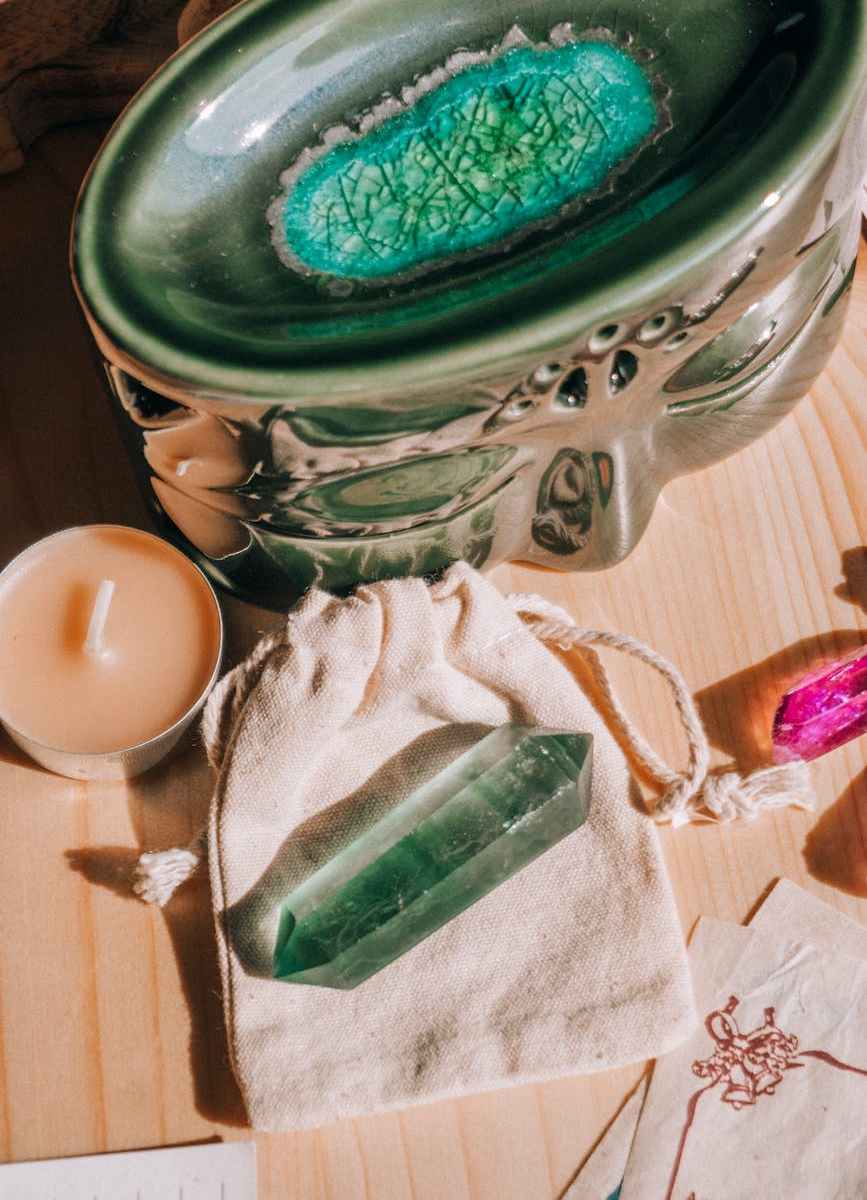
Crystals have been revered for centuries across different cultures and civilizations for their mystical, spiritual, and healing properties. These natural gemstones were used by the ancient Egyptians, Chinese, Greeks, and Romans for protection. They also served for energy balancing and overall well-being. Today, crystals continue to be an essential part of meditation, alternative healing, and personal growth.

Introduction: The Enduring Legacy of Crystals

Crystals are more than just beautiful stones. People believe they hold unique vibrations and energy. These can influence our well-being. Their significance spans across history, from ancient civilizations to modern spiritual practices. Throughout time, cultures worldwide have harnessed the power of crystals for healing, protection, and spiritual enlightenment. People have believed in their transformative abilities for ages. This belief makes them a fascinating and essential part of holistic living today.

Gain immediate access to your FREE Crystals for Beginners content: Download Here

The History of Crystals

Crystals date back thousands of years and have played significant roles in various traditions:

  • Ancient Egypt: Crystals like lapis lazuli and carnelian were used in amulets and burial rituals. People believed these crystals provided protection and guidance in the afterlife. The Egyptians adorned themselves with these stones and placed them in tombs to ensure a safe journey to the afterlife. They also used malachite for its healing properties and turquoise for protection against negative energies.
  • Ancient China: Jade was considered a stone of purity and was often used in medicine and ceremonial objects. The Chinese believed that jade promotes longevity and good health. It was carved into intricate sculptures, worn as jewelry, and even ground into powder for medicinal purposes.
  • Greek and Roman Cultures: Crystals were worn as talismans for protection in battle and healing purposes. The word ‘crystal’ comes from the Greek word ‘krystallos,’ meaning frozen light. The Romans used crystals like hematite to boost courage and garnet for strength and vitality. Greek scholars also believed amethyst prevents intoxication and enhance mental clarity.
  • Indian and Ayurvedic Traditions: Crystals were incorporated into healing practices to balance chakras and energy flow. Ayurvedic healers used crystals to align the body’s energies. They used clear quartz to enhance spiritual connection. Rose quartz was for emotional healing.
  • Indigenous Cultures: Many indigenous tribes, including Native Americans and Australian Aboriginals, used crystals for ceremonial and healing purposes. They believed that stones like obsidian and turquoise carried the power of the Earth and could provide guidance and protection.

The Purpose of Crystals

Crystals are believed to store, amplify, and transmit energy. Their purpose varies from person to person, but common uses include:

  • Healing and Balance: Many use crystals to balance their emotional, physical, and spiritual well-being. Each crystal is thought to have unique vibrations that can interact with a person’s energy field to promote healing.
  • Meditation and Mindfulness: Crystals enhance focus, deepen meditation, and encourage self-awareness. Meditating with a crystal can help one tap into higher consciousness and achieve inner peace.
  • Energy Protection: Some crystals act as shields against negative energy, creating a safe and harmonious environment. Black tourmaline, for example, is known for its protective properties and is often used to ward off negativity.
  • Manifestation and Attraction: Crystals help attract positivity, love, abundance, and success into one’s life. Many people carry citrine to attract wealth or amethyst to enhance their intuition and spiritual growth.
  • Chakra Balancing: Different crystals are associated with different chakras in the body, helping to restore balance and harmony. For example, turquoise is linked to the throat chakra. It aids in communication. Garnet is connected to the root chakra. It provides stability and grounding.

The Benefits of Crystals

Crystals offer a wide range of benefits, including:

  • Emotional Healing: They help release negative emotions, promote self-love, and encourage forgiveness. Rose quartz is particularly known for fostering love and emotional healing.
  • Spiritual Growth: Many people use crystals to enhance their spiritual connection, intuition, and awareness. Labradorite is often used for strengthening intuition and psychic abilities.
  • Physical Well-being: Some crystals are believed to aid in physical healing by promoting circulation, reducing inflammation, and supporting overall health. For example, hematite is used to improve blood circulation, while amethyst is known for reducing stress and tension.
  • Stress Reduction: Holding or meditating with crystals like amethyst and selenite can help alleviate stress and promote relaxation.
  • Enhanced Creativity and Focus: Crystals like carnelian and fluorite help clear mental fog. They inspire creative thinking. This makes them popular among artists and writers.
  • Protection and Grounding: Certain stones, such as obsidian and black tourmaline, help create a protective barrier against negative energies. They also provide a sense of security.

Conclusion

Crystals hold a deep historical significance and continue to impact many people’s lives today. You can seek emotional healing by incorporating crystals into your daily routine. They also support spiritual growth and offer energy protection. This practice can bring balance and harmony. Explore the world of crystals and harness their powerful energy for a more mindful and positive life!

Gain immediate access to your FREE Crystals for Beginners content: Download Here

Here are some specific meditation techniques using crystals, tailored for different needs:


1. Guided Crystal Meditation for Relaxation & Stress Relief

  • Crystal to Use: Amethyst (calming), Lepidolite (stress relief), Selenite (cleansing)
  • How to Meditate:
    1. Hold an amethyst in your left hand (receiving energy) and place a selenite on your chest.
    2. Take deep breaths, visualizing a soft violet light surrounding you.
    3. Repeat the affirmation: I am calm, centered, and at peace.
    4. Listen to “Crystal Healing Meditation” on Insight Timer or YouTube (The Honest Guys).

2. Chakra Balancing Crystal Meditation

  • Crystals to Use: Clear Quartz (crown), Amethyst (third eye), Lapis Lazuli (throat), Rose Quartz (heart), Citrine (solar plexus), Carnelian (sacral), Red Jasper (root)
  • How to Meditate:
    1. Lay down and place each crystal on its corresponding chakra.
    2. Inhale deeply, visualizing energy flowing up and down your body.
    3. Chant “OM” or play “7 Chakra Healing Frequencies” on Meditative Mind (YouTube).
    4. After 10-15 minutes, remove the stones and ground yourself with black tourmaline.

3. Manifestation Meditation with Crystals

  • Crystal to Use: Citrine (wealth & success), Green Aventurine (luck), Pyrite (abundance)
  • How to Meditate:
    1. Hold a citrine in your dominant hand and visualize golden light surrounding you.
    2. Set an intention (e.g., “I am open to receiving abundance in all forms”).
    3. Play “Solfeggio Frequency 528 Hz” for manifestation (YouTube).
    4. Keep the citrine in your workspace or wallet after meditating.

4. Protection & Grounding Meditation

  • Crystals to Use: Black Tourmaline, Obsidian, Smoky Quartz
  • How to Meditate:
    1. Sit in a quiet space and place black tourmaline at your feet.
    2. Breathe deeply and visualize roots growing from your body into the Earth.
    3. Say the affirmation: I am safe, grounded, and protected.
    4. Play “Earth Grounding Frequency 432 Hz” (Insight Timer/YouTube).

5. Third Eye & Intuition Meditation

  • Crystals to Use: Labradorite, Amethyst, Lapis Lazuli
  • How to Meditate:
    1. Hold a labradorite over your third eye (forehead).
    2. Close your eyes and visualize a bright indigo light.
    3. Listen to “Third Eye Awakening Meditation” on Gaia or Insight Timer.
    4. Journal any intuitive messages after your session.

Transform Your Mind: Types of Sounds for Meditation


Introduction: The Healing Symphony of Sound

For centuries, humans have turned to sound as a way of connecting with their inner selves and the universe. Ancient cultures understood that sound has the power to transcend ordinary experience. It leads individuals into states of spiritual awakening, mental clarity, and physical rejuvenation. Across traditions, sound was a sacred tool in the hands of spiritual guides and healers. African sound traditions have played a significant role in ancient and traditional meditation practices. Drums, vocal chants, and rhythmic music were used to connect with the spiritual world, community, and self.

Spiritual leaders used vibrational chants in Vedic India. They employed the soothing resonance of gongs in ancient China. They also utilized the thunderous drums in Native American ceremonies.

In the modern era, sound has been rediscovered as a transformative force. It helps people reduce stress, find inner peace, and experience emotional freedom. This ancient practice has evolved into what we now call sound meditation. In this practice, soundscapes—whether from nature, instruments, chants, or digital frequencies—play a central role in centering the mind and body.

At Yoga947, we are passionate about exploring these powerful practices, with a focus on sound and crystal meditation. This article dives into the world of sound meditation, from its scientific foundations to practical techniques you can try. Whether you’re seeking calm, clarity, or a deeper spiritual journey, sound meditation offers a powerful pathway to self-discovery.


1. The Science of Sound in Meditation: Why Sound Resonates with the Mind and Body

Sound meditation isn’t just about hearing pleasant sounds. It taps into how sound waves affect our brain and body on a fundamental level.

  • Sound and Brainwaves
    Different sounds and rhythms can alter brainwave states, guiding the mind into relaxation or focus. When we hear certain frequencies, like the gentle hum of a Tibetan bowl, our brainwaves can slow down. They shift from the active Beta state into the calm Alpha. They can also enter meditative Theta or even sleep-inducing Delta states. This change allows the mind to quiet down and enter a state of deep peace and presence.
  • The Role of Vibration
    Sound travels through our bodies, causing cells and tissues to vibrate subtly. This resonance can alleviate tension and stimulate physical relaxation. Studies have shown that specific frequencies can lead to cellular rejuvenation, giving sound meditation a powerful healing quality.
  • Sound’s Connection to Emotion
    Sound triggers our limbic system, the emotional center of our brain. Think about how music can bring tears, make us laugh, or energize us. Sound meditation uses this connection to calm the mind, uplift the spirit, and bring emotional release.
  • Resonance and Chakra Alignment
    In many traditions, sound is used to balance energy centers, or chakras. Each chakra resonates with a particular frequency. Certain sounds or instruments can trigger or harmonize these energy points. This brings an experience of wholeness and alignment.

2. The Different Types of Sound Used in Meditation

a. Natural Sounds: Earth’s Music

Natural sounds hold a timeless appeal, helping to ground us and connect us to the world around us. Research even suggests that natural sounds can reduce stress and increase feelings of well-being.

  • Ocean Waves and Water
    The rhythmic, soothing quality of waves mimics our breathing pattern and heart rate. When meditating with ocean sounds, you find it easier to relax, letting go of anxiety.
  • Forest Ambience and Rain
    Forest sounds evoke a primal sense of security. Rain has a lulling, consistent rhythm. It quiets mental noise and helps the mind sink into a calm state.
  • Wind and Whispering Leaves
    These sounds encourage a soft, attentive awareness. They make it easier to focus on the breath and clear away intrusive thoughts.

b. Instrumental Sounds: Tools of Ancient Cultures

Instrumental sounds, especially those from ancient traditions, bring a profound depth to meditation.

  • Tibetan and Crystal Bowls
    Tibetan and crystal singing bowls have been used for centuries by monks and healers. Their resonant frequencies match human energy fields, helping clear blockages and balance chakras.
  • Gongs and Chimes
    Gongs create a deep, immersive soundscape that encourages inner exploration. Chimes, on the other hand, create bright, high-pitched tones that can lift your energy and create mental clarity.
  • Drums and Rhythmic Instruments
    Drumming creates a grounding effect. It helps to center your attention. It synchronizes your heartbeat with a steady, calming rhythm. It’s often used in shamanic traditions for connecting to the Earth.
  • Practical Tips for Beginners
    Beginners should start with one instrument at a time. They can focus on the sound’s rise and fall. Alternatively, they can breathe with each tone. This practice allows a deep connection with the sound and promotes a peaceful mind.

c. Vocal Sounds and Chants: The Power of the Human Voice

Chants and vocal sounds, like OM and AH, bring their unique vibration to meditation.

  • Primal Tones and Their Effects
    OM, for instance, is often called the universal sound. It is said to represent the vibration of the universe. When chanted, it resonates through the body, creating a feeling of unity.
  • Cultural and Spiritual Chants
    Many cultures have sacred chants. Examples include the HU in Sufism and various mantras in Hindu and Buddhist traditions. These chants amplify vibrational energy, leading to emotional and spiritual clarity.
  • Using Chants in Personal Practice
    To start chanting, begin with simple sounds, letting each syllable resonate deeply. Experimenting with different tones can reveal which sounds help you reach the most centered and calm state.

d. Binaural Beats and Isochronic Tones: Sound Technology for Meditation

Modern sound technology, such as binaural beats and isochronic tones, uses specific sound patterns to induce meditation.

  • Brainwave Entrainment
    Binaural beats are created by playing two slightly different frequencies in each ear. These beats guide brainwaves into specific states. Isochronic tones, by contrast, use pulsing sounds to achieve the same effect.
  • Choosing Frequencies for Different Needs
    Frequencies around 7-8 Hz (Theta) are ideal for deep relaxation. On the other hand, 10 Hz (Alpha) is suitable for alert relaxation. Lower frequencies can be used for deeper meditative and sleep states.
  • Using Binaural Beats Safely
    Start with short sessions if you are new to binaural beats. Choose a quiet environment. Consider using headphones, as this helps create the full effect.

e. Personalized Sounds and Creating Your Sound Meditation Journey

Personalized sounds—whether a favorite song, voice, or environment—can enhance the meditation experience.

  • The Role of Familiar Sounds
    Certain sounds or songs evoke a sense of peace unique to you. Integrating these familiar sounds into meditation can make the experience feel more profound.
  • Building a Personalized Sound Routine
    Experiment with different sounds and observe your response. Over time, you can create a unique sound routine. This routine should align with your specific goals, whether it’s relaxation, energy, or insight.

3. Sound Meditation Techniques and Tips: Practicing with Intention

  • Setting Intentions
    Before beginning a sound meditation, set an intention that aligns with your goal. Are you seeking clarity, relaxation, or emotional release? Focusing on a purpose gives direction to your practice.
  • Creating Your Sound Space
    Arrange your meditation space to reduce external noise. Ensure you have comfortable seating. Consider using quality headphones or speakers for clarity.
  • Beginner-Friendly Techniques
    Start by focusing on a single sound and noticing its layers, rhythm, and resonance. Allow your breath to sync with the sound’s rhythm for a deeper effect.
  • Advanced Techniques for Sound Enthusiasts
    Once comfortable, try adding periods of silence to contrast the sound. You can also use multiple sounds to enhance spatial awareness. This helps deepen focus.

4. Conclusion and Benefits Recap: Sound as a Path to Inner Peace

Sound meditation is a versatile tool that promotes mental clarity, emotional release, and spiritual connection. Sound can transport us, calming the mind, soothing the body, and elevating our spirit. At Yoga947, we believe in the power of sound as a path to self-discovery and inner peace. For those looking to deepen their journey, Mind Lake Academy offers guided meditation programs. These programs help you explore sound meditation in an enriching, supportive environment.

To deepen your journey with sound meditation, here are several valuable resources and communities where you can explore more about sound, frequencies, and meditation practices:

 Support and Resources for Sound Meditation

1. Meditation Apps with Sound Libraries
  • Insight Timer: This app offers a vast collection of free and premium sound meditation tracks. It includes guided sessions with Tibetan bowls, gongs, nature sounds, and binaural beats. You can explore sessions for sleep, relaxation, and focused breathing, and it’s easy to connect with like-minded practitioners.
  • Calm and Headspace: They offer a variety of soundscapes. The guided meditations incorporate calming soundtracks and binaural beats. These enhance your meditation experience.
2. Online Courses and Workshops
  • Mind Lake Academy: Mind Lake Academy offers personalized guidance. Their structured approach to sound meditation includes courses with experts. These courses focus on sound, frequencies, and the art of meditation. It’s a great place to start if you’re interested in exploring sound healing or building a deeper, consistent practice.
  • Udemy and Coursera: These platforms often feature sound healing and meditation courses. Practitioners who specialize in using sound tools like singing bowls, chimes, and gongs lead these courses. Look for highly-rated courses that align with your interests.
3. Books on Sound and Meditation
  • “Healing Sounds: The Power of Harmonics” by Jonathan Goldman: This book is a guide to the science of sound. It also delves into the spirituality of sound. It explains how sound vibrations influence the body and mind.
  • “The Power of Sound: How to Be Healthy and Productive Using Music and Sound” by Joshua Leeds. This book examines sound as a therapeutic tool. It explores these uses thoroughly. It offers insights into the healing potential of sound. It also explores practical ways to integrate sound into your wellness routine.
4. YouTube Channels and Online Communities
  • Yoga947: Our own channel is dedicated to providing crystal meditation. It also focuses on sound healing and mindfulness practices. These practices align with your spiritual journey. We aim to help you discover new sounds and techniques to deepen your meditation.
  • Sound Healing Networks and Facebook Groups: Many online communities focus on sound healing. These networks allow you to connect with others. You can share resources and discuss the effects of different sounds and meditation practices.
5. Local Meditation Centers and Sound Baths
  • Sound Baths: Many yoga and wellness studios offer sound bath sessions that incorporate instruments like Tibetan bowls, gongs, and chimes. Attending a sound bath can be an immersive experience that complements your at-home meditation.
  • Meditation Centers: Many meditation centers offer sound-focused classes or workshops. These can be a great way to learn about sound meditation in a community setting.
By exploring these resources, you can continue your journey with sound meditation. Discover tools, techniques, and communities that resonate with your goals. Remember, each experience with sound meditation is unique, and there are endless ways to explore its transformative effects.

Ready to deepen your meditation journey through the power of sound? You may be new to sound meditation. Or you’re looking to expand your practice. Exploring different sounds can open up transformative possibilities for peace. It can also foster focus and emotional healing. At Yoga947, we’re here to support your journey with insightful resources, crystal meditation practices, and expert guidance.

Elevate your practice with the resources available through Mind Lake Academy. You can access structured courses and find a supportive community of like-minded practitioners. Discover how sound meditation can help you find balance. It can enhance your spiritual growth. It also creates a life of calm and clarity.

Let’s embrace the transformative power of sound together! Follow us at Yoga947 for more insights and start your sound meditation journey today. 🌟

Yoga Nidra and Its Benefits for Men and Women

Ladies and gentlemen, have you ever dreamed of achieving a state of profound relaxation that requires as much effort as snuggling up in your coziest pajamas? Well, welcome to the world of Yoga Nidra, where we’ll show you how to relax your way to blissful enlightenment – all while staying horizontally challenged.

Yoga Nidra, often hailed as the “yogic sleep,” is a transformative practice that has its roots deeply embedded in the ancient wisdom of Indian yogic traditions. Its journey from the pages of ancient texts to the bustling yoga studios of today reflects a rich tapestry of spiritual exploration and a profound understanding of the human mind.

The term “Yoga Nidra” is derived from two Sanskrit words: “yoga,” meaning union or integration, and “nidra,” translating to sleep. However, the practice is anything but a conventional nap. It is a systematic method of guided meditation that takes practitioners into a state of conscious relaxation, balancing on the thin edge between wakefulness and the various stages of sleep.

The origins of Yoga Nidra can be traced back to the ancient sacred texts of India, particularly the Upanishads. These texts, dating back thousands of years, form the philosophical foundation of Hinduism and explore the profound nature of consciousness and the self. It is within these scriptures that the seeds of Yoga Nidra were planted, as sages and yogis sought to unravel the mysteries of the mind and consciousness.

As the yogic tradition evolved, the practice of Yoga Nidra found its way into various ancient texts, including the Tantras and the Hatha Yoga Pradipika. The Tantras, a set of esoteric and ritualistic texts, played a crucial role in shaping the practice, emphasizing the union of individual consciousness with the universal consciousness. Meanwhile, the Hatha Yoga Pradipika, a medieval text on Hatha Yoga, outlined specific techniques for achieving deep states of relaxation and contemplation, paving the way for the systematic approach of Yoga Nidra.

The modern development of Yoga Nidra owes much to the teachings of Swami Satyananda Saraswati, a renowned yogi and spiritual teacher of the 20th century. In the mid-20th century, Swami Satyananda adapted and systematized the practice, incorporating elements from traditional yogic practices, tantric rituals, and modern psychology. His comprehensive approach transformed Yoga Nidra into a structured and accessible technique that could be practiced by individuals from all walks of life.

Yoga Nidra has transcended its ancient roots and has become a widely recognized and practiced form of meditation in the contemporary world. Its appeal lies in its simplicity, accessibility, and the profound benefits it offers for managing stress, enhancing mental well-being, and fostering a deeper connection with one’s inner self.

The benefits of Yoga Nidra for both men and women are extensive:

  • Stress Reduction: Yoga Nidra is a potent antidote to stress, helping individuals unwind and release tension. It calms the nervous system and lowers cortisol levels, promoting a sense of tranquility and balance.
  • Improved Sleep: Those struggling with sleep disorders, such as insomnia, often find relief through regular Yoga Nidra practice. It enhances sleep quality and helps individuals fall asleep more easily.
  • Emotional Healing: Yoga Nidra provides a safe space for emotional exploration and healing. It assists in processing buried emotions, trauma, and unresolved issues, leading to greater emotional resilience and well-being.
  • Enhanced Self-Awareness: The practice cultivates self-awareness by encouraging introspection and self-reflection. It helps individuals gain insights into their thoughts, emotions, and behaviors, fostering personal growth and self-acceptance.
  • Enhanced Concentration and Creativity: Yoga Nidra sharpens cognitive abilities, improving concentration, problem-solving skills, and creativity. It’s a valuable tool for professionals and students alike.
  • Pain Management: This practice can be effective in managing chronic pain, reducing the perception of pain and promoting relaxation in the affected areas.
  • Holistic Health: Yoga Nidra has been used as a complementary therapy for various physical conditions, including hypertension, digestive disorders, and autoimmune diseases, as it supports overall well-being.
  • Gender-Inclusive: Yoga Nidra is inclusive and beneficial for individuals of all genders, making it accessible to everyone seeking a path to relaxation and self-discovery.
  • To delve deeper into the world of Yoga Nidra, you can explore various resources, including websites, books, and classes. Here are some recommendations:
  • Websites: Yoga Accessories
  • Yoga International: Yoga International offers a variety of resources on Yoga Nidra, including articles, videos, and online courses.
  • Yoga Journal: Yoga Journal provides articles, guides, and information on Yoga Nidra, as well as insights from experienced practitioners.
  • Swami Satyananda Saraswati Official Website: Explore the teachings and writings of Swami Satyananda Saraswati, the modern pioneer of Yoga Nidra, on the official website of the Bihar School of Yoga. Yoga Accessories
  • Books:
  • “Yoga Nidra” by Swami Satyananda Saraswati: This classic book by the founder of the Bihar School of Yoga provides an in-depth exploration of Yoga Nidra, its philosophy, and practical applications.
  • “Yoga Nidra: The Art of Transformational Sleep” by Kamini Desai: Dr. Kamini Desai, a disciple of Swami Kripalu, offers a comprehensive guide to the practice of Yoga Nidra in this book.
  • “The Science of Yoga Nidra” by Pierre Bonnasse: This book delves into the scientific and spiritual aspects of Yoga Nidra, providing a well-rounded understanding of its benefits.
  • Classes and Workshops:
  • Local Yoga Studios: Many yoga studios offer regular classes in Yoga Nidra. Check with your local studios or wellness centers to find workshops or classes in your area.
  • Online Platforms: Explore online platforms like Udemy, Skillshare, or YogaGlo for virtual classes and workshops on Yoga Nidra.
  • Yoga Retreats: Consider attending a yoga retreat that includes Yoga Nidra sessions. Retreats often provide immersive experiences and the opportunity to learn from experienced instructors.
  • Yoga Teacher Training Programs: If you’re interested in deepening your practice and perhaps even teaching Yoga Nidra, consider enrolling in a yoga teacher training program that includes a focus on this practice.
  •  Remember to approach these resources with an open mind and a willingness to explore the various facets of Yoga Nidra. Whether you prefer online learning, books, or in-person classes, there are plenty of avenues to deepen your understanding and experience of this transformative practice.
  • In summary, Yoga Nidra’s journey from ancient roots to modern-day prominence demonstrates its timeless efficacy as a tool for deep relaxation, self-discovery, and overall wellness. As more people recognize its benefits, Yoga Nidra continues to empower individuals to explore the depths of their consciousness and find peace in an increasingly hectic world.
Advertise Free

“Ancient Echoes: Meditative Wisdom Across Africa”

Introduction

Africa, a continent renowned for its kaleidoscope of cultures, landscapes, and histories, stands as a testament to human diversity and resilience. Home to over 50 countries and a multitude of ethnic groups, Africa’s rich tapestry weaves together ancient traditions, customs, and spiritual practices, many of which include the art of meditation. Today, we embark on a journey to explore the roots, evolution, and contemporary significance of meditation in the diverse mosaic of African cultures.

Origins and Spread of Meditation in Africa

Meditation in Africa dates back to ancient times, deeply entwined within the cultural fabric of numerous indigenous communities. These practices, manifested through rhythmic movements, chants, communal rituals, and contemplative techniques, have been integral to the spiritual and cultural heritage of various African tribes. Their origins, although often passed down through oral traditions, hold a significant place in the historical narrative of the continent.

Tribes, Locations, and Their Meditation Practices

A myriad of African tribes and communities have historically engaged in meditation or similar contemplative practices:

  • The San People (Bushmen): Indigenous to Southern Africa, the San people have a long-standing tradition of spiritual practices involving trance states induced by rhythmic drumming, dances, and healing rituals. This practice is believed to promote healing and connect participants with their spiritual world (Reference: Studies by cultural anthropologists like Bradford Keeney and others who have observed the San People’s healing rituals).
  • Case Study Illustration: Dr. Rachel Parker, an anthropologist, lived with the San People for a year to study their healing practices. She observed a ritual where a community member, experiencing illness, participated in a healing dance. The rhythmic drumming and chants created a trance-like state, believed to connect the individual with ancestral spirits for healing. The person emerged from the ritual expressing a sense of relief and reported improved well-being over time.
  • The Maasai: Found primarily in East Africa, the Maasai integrate meditation into their daily lives through ritualistic dances, chanting, and a deep connection to their spiritual beliefs and the natural world, offering a form of meditation. (Reference: Ethnographic accounts from researchers like Joseph Thompson or Maasai elders’ narratives)
  • Case Study Illustration: Dr. James Anderson, a researcher, lived among the Maasai to study their traditional practices. He documented the experience of young Maasai warriors engaging in a ritual dance, performed as part of a community celebration. The repetitive, rhythmic movements and chants created a meditative atmosphere, strengthening the warriors’ bond with their heritage. The participants reported feeling a deep connection with their ancestors and a renewed sense of cultural identity.
  • The Yoruba: Hailing from West Africa, the Yoruba have a rich cultural and spiritual heritage that encompasses diverse contemplative practices, often involving communal ceremonies, music, and rhythmic rituals, often involving repetitive movements, chants, and rhythmic beats. This practice is aimed at spiritual connection and communal healing. (Reference: Works by scholars like Robert Farris Thompson who have studied African dance and music traditions)
  • Case Study Illustration: Dr. Fatima Olatunji conducted fieldwork among the Yoruba people, focusing on their traditional ceremonies. She documented a community event where a dance ritual was performed to honor ancestral spirits. The rhythmic drumming and synchronized movements induced a sense of unity and collective consciousness among participants. Individuals reported feeling spiritually uplifted and emotionally connected to their community after the ritual.

These tribes represent a fraction of the many communities across Africa with unique meditation practices, each reflecting the diversity and cultural richness of the continent.

Benefits of Meditation in Africa in 2023

In the contemporary landscape of Africa, meditation holds profound significance and offers a range of benefits:

  • Mental Health and Well-being: Meditation serves as a tool for stress reduction, providing mental health support and emotional balance in the face of the modern-day challenges.
  • Cultural Connection and Identity: For many Africans, meditation acts as a means to connect with their cultural roots, fostering a sense of identity and preserving heritage in a rapidly changing world.
  • Community Resilience and Healing: It continues to play a pivotal role in communal healing, offering solace and resilience amidst social and personal challenges.
  • benefits of meditation in Africa are extensive and extend to men, women, and children across various aspects of their lives.
  • Benefits For Men:
  • Mental Health and Stress Reduction:
  • Meditation offers men a tool for managing stress, promoting mental clarity, and enhancing emotional well-being. In African societies, where men often face multiple pressures related to work, family, and societal expectations, meditation can provide a space for inner calm and resilience.
  • Emotional Balance:
  • Engaging in meditative practices allows men to develop emotional balance and self-awareness. This is particularly valuable in cultures where traditional masculinity norms might discourage open expressions of emotions, providing a private space for self-reflection and emotional regulation.
  • Community Leadership and Resilience:
  • In many African communities, men often play leadership roles within their families and communities. Meditation can empower them with a clearer mindset, enhanced decision-making abilities, and a deeper sense of empathy, contributing to more effective leadership and community resilience.
  • Benefits For Women:
  • Emotional Well-being and Empowerment:
  • Meditation provides a space for women to navigate the stresses of daily life, offering a tool for managing emotional well-being. In many African cultures, where women might face various societal and familial pressures, meditation offers a sense of empowerment and inner strength.
  • Coping with Societal Expectations:
  • Women in African societies often juggle various roles within their families and communities. Meditation can serve as a sanctuary, allowing them to find a moment of peace, self-reflection, and strength amidst societal expectations.
  • Self-care and Mental Health:
  • Engaging in meditative practices allows women to prioritize their mental health and well-being, fostering a sense of balance and resilience. It can also offer a space for self-care, helping them navigate the challenges of daily life.
  • Benefits For Children:
  • Emotional Regulation and Well-being:
  • Meditation provides children with tools for emotional regulation, helping them cope with stress and anxiety. It cultivates a sense of calm, focus, and emotional resilience, which is particularly beneficial for children facing academic or social pressures.
  • Improved Concentration and Academic Performance:
  • Practicing meditation at a young age can improve a child’s ability to concentrate, leading to potential benefits in academic performance. It can enhance cognitive skills and facilitate better learning abilities.
  • Cultivation of Empathy and Compassion:
  • Through meditation, children can develop a sense of empathy and compassion, promoting a positive attitude towards others and nurturing a more harmonious social environment within their families and communities.
  • In African contexts, the benefits of meditation for men, women, and children are multifaceted, offering tools for mental well-being, emotional regulation, and resilience, while also contributing to healthier family dynamics and communities.

In 2023, the practice of meditation in Africa transcends mere historical and cultural boundaries, providing both practical benefits and a link between tradition and the modern world.

This comprehensive overview sets the stage for a deeper exploration into the historical legacy and contemporary relevance of meditation across diverse African cultures, shedding light on its cultural, spiritual, and practical significance in the lives of individuals and communities.

For future research on African meditation, there are various resources and avenues you can explore to delve deeper into this topic. Here are some suggestions:

  1. Books and Academic Journals:
    • Look for books written by scholars, anthropologists, and historians specializing in African culture, spirituality, and anthropology. Titles like “African Spirituality” by Jacob K. Olupona or “African Religions & Philosophy” by John S. Mbiti might offer insights into meditation practices.
    • Academic journals focusing on African studies, anthropology, or cultural history often contain research articles exploring indigenous practices, including meditation, in different African regions.
  2. Museums and Cultural Institutions:
    • Visit museums or cultural institutions with collections or exhibitions on African culture. Many of these places offer valuable insights into traditional practices, including meditation, through artifacts, historical displays, and expert commentary.
  3. Online Databases and Academic Platforms:
    • Access academic databases like JSTOR, Google Scholar, or Project MUSE. These platforms contain scholarly articles, research papers, and publications discussing African history, spirituality, and indigenous practices, including meditation.
  4. Consult Local Experts or Organizations:
    • Reach out to experts in African studies, anthropology, or cultural heritage preservation. Professors, researchers, or non-profit organizations working in African cultural preservation might offer guidance or access to resources.
  5. Documentaries and Films:
    • Documentaries that explore African cultures, traditions, and spiritual practices often provide visual insights and interviews with practitioners. Titles such as “The Story of Africa” or “African Renaissance: When Art Meets Power” might touch on these topics.
  6. Online Courses and Webinars:
    • Enroll in online courses or attend webinars related to African studies, anthropology, or cultural history. Platforms like Coursera, edX, or even specialized institutions sometimes offer courses on African culture and spirituality.
  7. Fieldwork and Interviews:
    • Consider conducting fieldwork or interviews with experts, practitioners, or communities who have firsthand knowledge of African meditation practices. This method might offer unique insights and perspectives.
  8. Publications by African Authors:
    • Look for publications, essays, or writings by African authors or practitioners who discuss their cultural heritage, traditional practices, and the significance of meditation in their communities.

When researching African meditation, a multidisciplinary approach involving history, anthropology, cultural studies, and spirituality will provide a comprehensive understanding. Be sure to critically evaluate sources, consider multiple perspectives, and verify information from reliable and credible sources for a well-rounded exploration of this fascinating topic.

The Enduring Legacy of Meditation Across Africa

The tapestry of meditation throughout Africa is woven with threads of cultural richness, spiritual depth, and historical significance. Across the diverse landscapes and traditions of this vast continent, meditation has played a pivotal role in shaping communities, providing solace, and fostering spiritual connections.

From the ancient practices of the San People’s healing rituals, where rhythmic movements and trance states connect individuals with their spiritual world, to the Maasai warrior dance, facilitating a deep bond with their cultural heritage, and the Yoruba’s ceremonial drumming and dance rituals aimed at communal healing—each instance illuminates the diverse manifestations of meditative practices deeply rooted in the African soil.

In 2023, the benefits of meditation continue to resonate, offering men, women, and children tools for stress reduction, emotional balance, and resilience. Meditation serves as a sanctuary, enabling individuals to find peace amid the daily pressures, fostering cultural connection, and nurturing mental well-being.

The silent yet profound impact of meditation in African societies transcends mere stress reduction—it is a cultural bridge connecting the past with the present, offering a beacon of resilience and a path to inner peace. From the rhythms of the San People to the ceremonial traditions of the Yoruba and Maasai, these practices speak to the enduring legacy of meditation within the hearts and minds of diverse African communities.

As Africa moves forward, embracing the contemporary world while honoring its cultural heritage, the echoes of meditation persist, guiding, healing, and resonating across the continent, ensuring that this ancient practice remains an integral part of the vibrant tapestry of African history and life.

Advertise Free

A Path To Deep Relaxation and Self-Discovery.

Yoga Nidra, often referred to as “yogic sleep,” is a profound and ancient practice that has its roots in the rich tapestry of Indian yogic traditions. This deeply meditative technique offers a journey into a state of conscious relaxation that transcends the boundaries of ordinary relaxation. Yoga Nidra has gained widespread recognition and popularity in recent years for both men and women, as it provides a powerful tool for managing stress, enhancing overall well-being, and delving into the inner realms of self-awareness.

Originating in ancient India:

Yoga Nidra can trace its origins back to the ancient yogic scriptures and texts. It is believed to have been first mentioned in the Upanishads, a collection of sacred Hindu texts that explore the profound aspects of consciousness and spirituality. The practice of Yoga Nidra was further developed and refined by yogis and sages over centuries, particularly in the tantric traditions. Its evolution was marked by a deep understanding of the human psyche and a recognition of the potential for profound transformation through guided relaxation and meditation.

The essence of Yoga Nidra:

At its core, Yoga Nidra is a systematic and guided form of meditation that takes participants on an inner journey. Unlike conventional meditation practices that require intense concentration, Yoga Nidra invites practitioners to lie down comfortably and relax while a skilled guide leads them through a series of body scans, breath awareness, and visualizations. The aim is to induce a state of deep relaxation, a borderland between wakefulness and sleep, where profound healing and self-discovery can occur.

Why Yoga Nidra is used today for both men and women:

In today’s fast-paced and often stressful world, Yoga Nidra has emerged as a valuable tool for individuals of all genders seeking inner calm, stress relief, and personal growth. Here are some of the reasons why it is used widely today:

  • Stress Reduction: Yoga Nidra is renowned for its ability to alleviate stress and anxiety. By guiding practitioners into a state of deep relaxation, it helps reduce the physical and mental tension that accumulates in daily life.
  • Enhanced Sleep: In an era where sleep disorders are increasingly common, Yoga Nidra offers a natural way to improve the quality of sleep. Regular practice can help individuals overcome insomnia and enjoy more restful nights.
  • Emotional Healing: Yoga Nidra encourages emotional healing by allowing practitioners to explore and release buried emotions, traumas, and blockages. It offers a safe space for processing and healing past wounds.
  • Increased Awareness: This practice fosters heightened self-awareness and introspection. As individuals journey through the layers of consciousness, they gain insights into their true nature and life’s purpose.
  • Improved Concentration and Creativity: Yoga Nidra enhances cognitive function, promoting better concentration, creativity, and problem-solving abilities.
  • Holistic Health: By reducing stress and promoting relaxation, Yoga Nidra can have positive effects on physical health. It is used as a complementary therapy for various conditions, such as chronic pain, hypertension, and digestive issues.
  • Gender-Inclusive: Yoga Nidra is a practice that is accessible to people of all genders, making it a valuable resource for both men and women seeking to improve their mental, emotional, and physical well-being.

In summary, Yoga Nedra’s journey from ancient roots to modern-day prominence demonstrates its timeless efficacy as a tool for deep relaxation, self-discovery, and overall wellness. As more people recognize its benefits, Yoga Nidra continues to empower individuals to explore the depths of their consciousness and find peace in an increasingly hectic world.

To find reliable resources for Yoga Nidra for both men and women from around the world, you can explore a variety of sources. Here are some suggestions:

  • 1. YouTube: There are many reputable YouTube channels and instructors who offer guided Yoga Nidra sessions. Some popular channels include Yoga with Adriene, Boho Beautiful, and Yoga Nidra Network. Look for videos with a high number of views and positive comments.
  • 2. Yoga Apps: There are several yoga apps available, such as YogaGlo, Daily Yoga, and Insight Timer. These apps often have guided Yoga Nidra sessions for users to follow.
  • 3. Online Yoga Communities: Websites and forums like Yoga Forums and Yoga Journal often have discussions and recommendations for Yoga Nidra resources. You can ask for recommendations from experienced practitioners.
  • 4. Books: Many authors have written books on Yoga Nidra, including Swami Satyananda Saraswati’s “Yoga Nidra,” and Richard Miller’s “Yoga Nidra: A Meditative Practice for Deep Relaxation and Healing.” These books provide valuable insights into the practice.
  • 5. Local Yoga Studios: Many yoga studios offer classes and workshops in Yoga Nidra. You can check with studios in your area or look for virtual classes if you prefer online resources.
  • 6. Podcasts: There are podcasts dedicated to yoga and meditation. Some episodes may focus on Yoga Nidra. Search for these podcasts in your favorite podcast app and explore their content.
  • 7. Online Yoga Courses: Websites like Udemy and Coursera often offer online courses in Yoga Nidra. These courses are usually led by experienced instructors and are structured to provide in-depth knowledge and guided sessions.
  • 8. Social Media: Platforms like Instagram and Facebook have yoga and meditation communities. You can follow instructors and organizations dedicated to Yoga Nidra and receive regular updates on their content and recommendations.
  • 9. Meditation Apps: Apps like Calm and Headspace also offer guided meditation sessions, which may include Yoga Nidra practices.
  • 10. Yoga Retreats and Workshops: Consider attending a yoga retreat or workshop dedicated to Yoga Nidra. These events are often conducted by experienced teachers and offer immersive experiences.
  • 11. Online Forums and Reddit: Platforms like Reddit have dedicated yoga and meditation communities where you can seek recommendations and advice from fellow practitioners.

Remember to evaluate the credibility of the resources you find. Look for reviews, credentials of instructors, and the quality of the content. Different instructors and resources may have slightly different approaches to Yoga Nidra, so explore different options to find the one that resonates with you the most.

In conclusion, Yoga Nidra is a profound and versatile practice that offers powerful tools for relaxation and self-discovery. It can be found through various online and offline resources, including YouTube, apps, books, local studios, podcasts, and online courses. The practice of Yoga Nidra is significant as it enables individuals to experience deep relaxation, reduce stress, and promote mental and physical well-being. It also serves as a gateway to self-discovery, allowing practitioners to explore the depths of their consciousness and gain insights into their true selves. By integrating Yoga Nidra into their lives, individuals can unlock a path to inner peace and personal growth, making it a valuable addition to their well-being and mindfulness practices.
