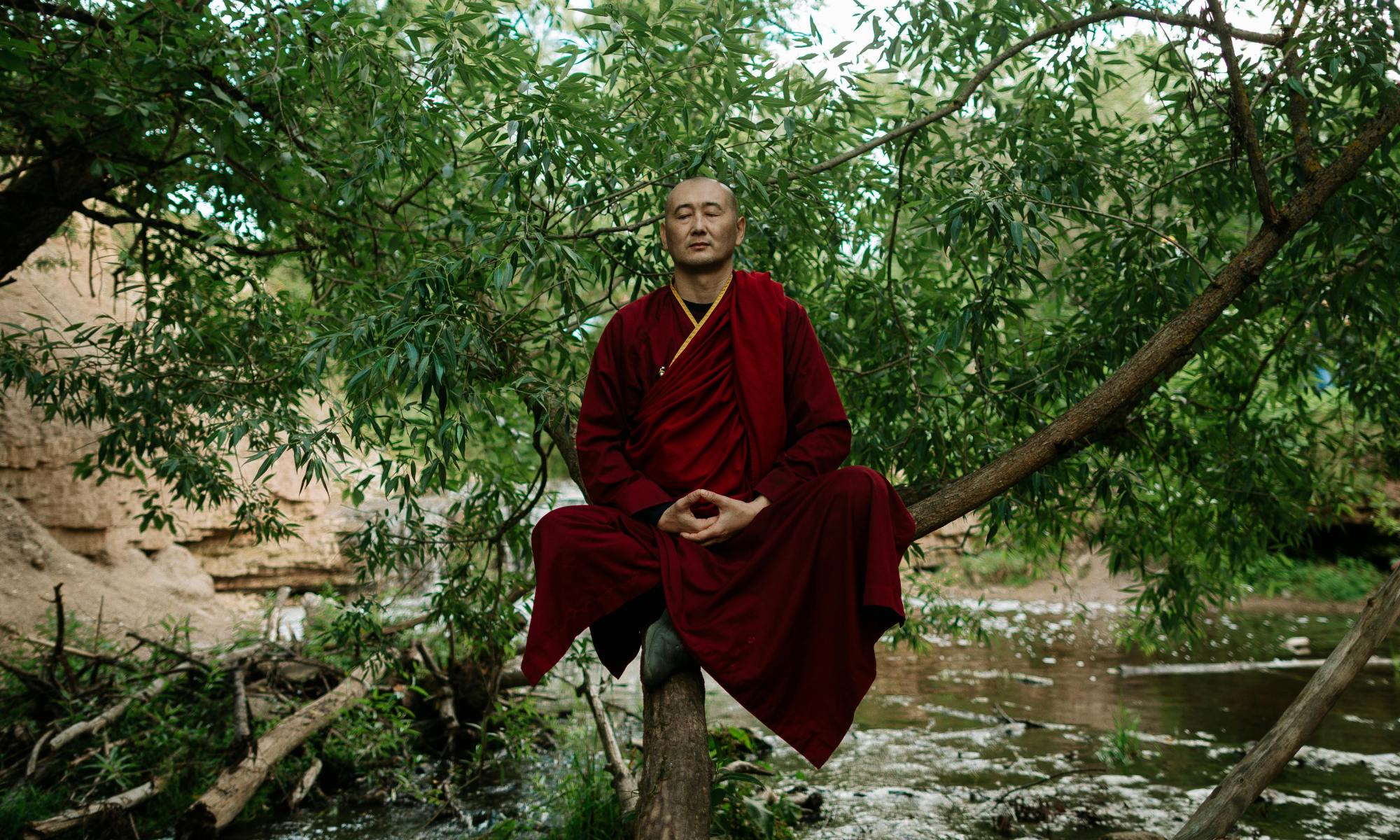
Japa Meditation: The Power of Sacred Repetition

Introduction

Life at times may feel like a struggle and finding inner peace can feel like a challenge. “Don’t give up”. Many people seek ways to calm their minds, reduce stress, and develop a deeper connection to their spiritual selves. One ancient technique that has stood the test of time is Japa Meditation. This practice involves chanting or repeating a sacred mantra. It brings focus, clarity, and a sense of profound peace.

Japa Meditation is often linked with spiritual disciplines and mindfulness practices that help cultivate inner stability and balance. The process involves continuous repetition of a mantra. This mantra can be a single syllable, a phrase, or the sacred name of a deity. This technique is widely used in Hinduism, Buddhism, and other spiritual traditions worldwide. Unlike silent meditation, Japa engages both the voice and the mind. This dual engagement makes it easier to maintain concentration and block out distractions.

Japa Meditation offers a simple yet powerful method. It helps cultivate mindfulness, spiritual awakening, and inner harmony. This is true whether you are new to meditation or looking to deepen your spiritual practice. This guide explores its historical roots, purposes, benefits, and practical ways to integrate it into your life.


The History of Japa Meditation

Japa Meditation has its roots in ancient Hindu, Buddhist, and Jain traditions, dating back thousands of years. The Sanskrit word “Japa” means “muttering” or “repetition,” reflecting the meditative act of continuously reciting a mantra. Mantras are sacred sounds or phrases believed to possess spiritual energy and transformative power.

This practice is closely linked to Vedic traditions. It was used as a means of focusing the mind. It also invoked divine energies and deepened one’s connection to higher realms of consciousness. The Upanishads, Bhagavad Gita, and various Hindu scriptures highlight the significance of Japa as a path to spiritual liberation.

In Hinduism, Japa Meditation is often linked with Bhakti Yoga (the path of devotion). It is also related to Raja Yoga (the path of meditation) and Jnana Yoga (the path of knowledge). Many spiritual leaders, monks, and sages have emphasized the power of Japa in attaining self-realization and enlightenment. It is also widely practiced in Tibetan Buddhism, where specific mantras are recited to cultivate wisdom and compassion.

One of the most well-known mantras in Japa Meditation is the “Om Mani Padme Hum” mantra in Tibetan Buddhism. It is believed to invoke the blessings of Avalokiteshvara, the Buddha of Compassion. Similarly, in Hinduism, the “Hare Krishna” mantra is widely used for spiritual awakening. The “Om Namah Shivaya” mantra is also frequently used for divine connection.

Over time, Japa Meditation has transcended religious boundaries. It is now embraced by people of various backgrounds for its calming and transformative effects.


Purpose and Benefits of Japa Meditation

The primary purpose of Japa Meditation is to quiet the mind, awaken spiritual awareness, and center the spirit. Practitioners repeat a mantra continuously. This helps them attune their consciousness to higher vibrations. They align themselves with peace, wisdom, and positivity.

Purpose of Japa Meditation

  • Spiritual Connection: Helps individuals connect with divine consciousness and inner truth.
  • Mind Control: Trains the mind to remain focused, reducing distractions and negative thoughts.
  • Emotional Balance: Encourages a peaceful and stable state of mind, reducing reactivity to stress.
  • Manifestation and Intention Setting: Enhances the power of affirmations and intentions.
  • Energy Cleansing: Clears mental, emotional, and spiritual blockages.

Key Benefits of Japa Meditation

  • Reduces Stress and Anxiety: The rhythmic chanting of a mantra helps calm the nervous system. It lowers cortisol levels and alleviates stress and anxiety.
  • Enhances Concentration and Focus: Repetition of a mantra trains the mind to stay present, improving mental clarity and decision-making.
  • Promotes Emotional Healing: Mantras are powerful vibrational tools that help replace negative thought patterns with uplifting and affirming energy.
  • Supports Spiritual Growth: This practice fosters a deeper sense of connection to higher consciousness and inner wisdom.
  • Encourages Mindfulness and Inner Peace: The repetition of a mantra anchors awareness in the present moment. It helps to cultivate serenity and gratitude.
  • Improves Sleep Quality: Many practitioners report that Japa Meditation before bed helps them fall asleep faster and sleep more deeply.
  • Boosts Self-Confidence: Strengthening one’s inner connection through Japa often leads to a more positive self-image. It also results in a greater sense of empowerment.

Personal Experiences and Reviews

Many practitioners of Japa Meditation have reported profound changes in their lives. Here are some testimonials from individuals who have found transformation through this practice:

“Japa Meditation has been a game-changer for me. It has helped me manage my anxiety and find a sense of inner calm. My mornings now begin with a mantra, and I feel more centered throughout the day.” – Maria K.

“I was struggling with negative thoughts and restlessness. Practicing Japa Meditation daily has brought a sense of clarity and purpose to my life. It’s incredible how something so simple can create such a powerful impact.” – David L.

“Since incorporating Japa into my routine, my spiritual awareness has deepened. I feel more in tune with my intuition and experience a greater sense of gratitude.” – Priya S.


Additional Resources for Japa Meditation

If you’re interested in exploring Japa Meditation further, here are some resources to help you deepen your practice:

Books:

  • “Japa Yoga: The Ancient Science of Mantra Chanting” by Swami Sivananda
  • “The Heartfulness Way: Heart-Based Meditations for Spiritual Transformation” by Kamlesh D. Patel
  • “The Power of Mantra & The Mystery of Initiation” by Pandit Rajmani Tigunait

Online Support and Communities:

  • YouTube Channels: Offering guided Japa meditations and mantra chanting sessions.
  • Yoga947 Community: Engage with like-minded individuals who practice Japa and other forms of meditation.
  • Meditation Apps: Such as Insight Timer, Headspace, and Sattva for guided Japa sessions.

Conclusion

Japa Meditation is a timeless practice that offers profound benefits for the mind, body, and spirit. Whether you seek peace, clarity, or spiritual growth, integrating mantra repetition into your daily routine can be a transformative experience.

Are you ready to start your journey with Japa Meditation? Try a simple mantra today and experience the serenity it brings. Share your experiences in the comments below, or explore more meditation practices on our Yoga947 blog!

Additionally, we are working on a comprehensive eBook on Japa Meditation! Stay tuned for its release on Yoga947.com, where we will explore step-by-step techniques, advanced practices, and personalized guidance for deepening your meditation journey!

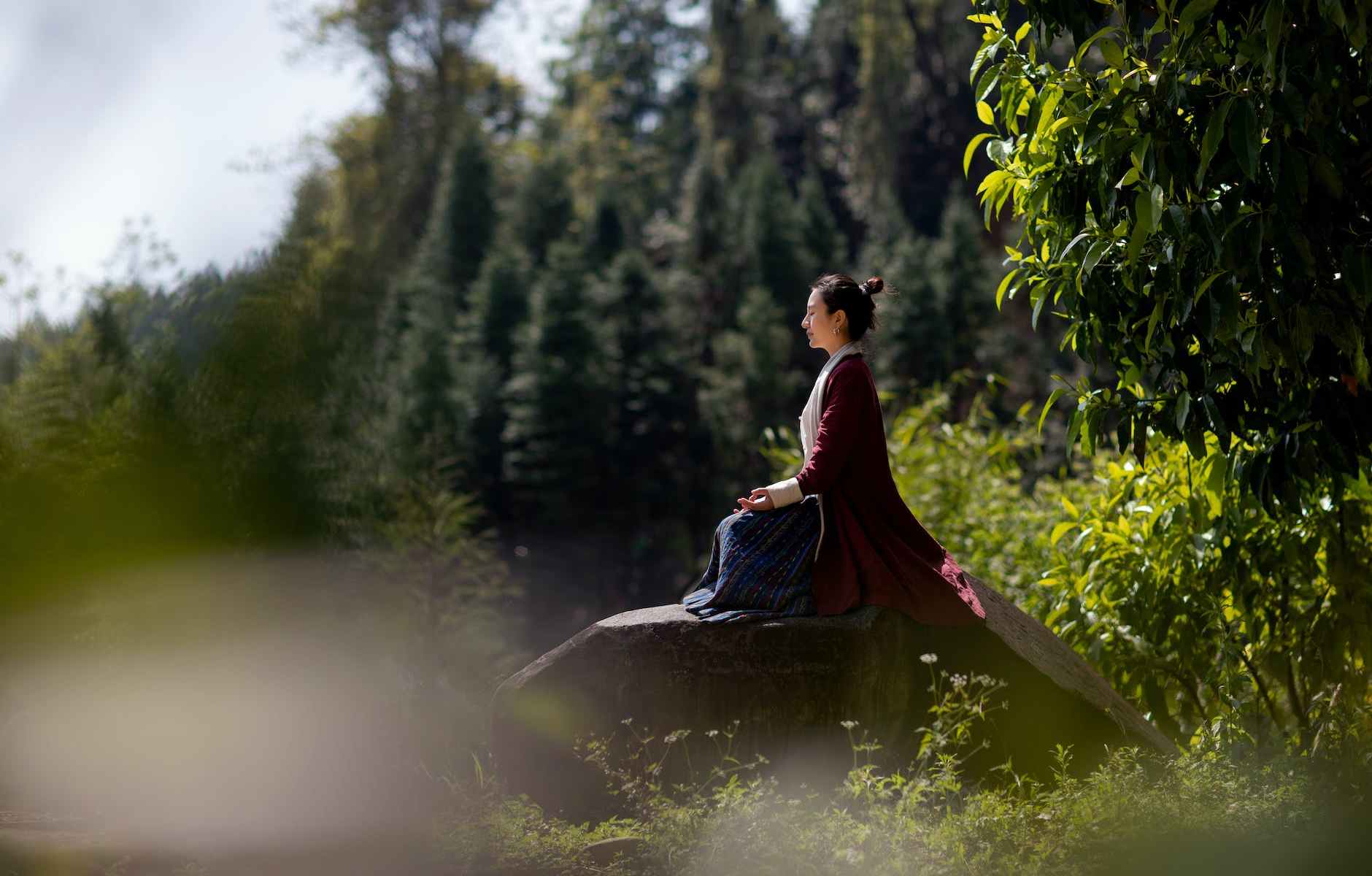
Benefits of Vipassana: Transform Your Mindset

Introduction

In the fast-paced world we live in, finding moments of stillness and self-awareness can seem like a distant dream. Yet, Vipassana Meditation offers a pathway to reconnect with ourselves and experience profound inner peace. Known as one of the oldest meditation techniques, Vipassana is a transformative practice. It allows practitioners to cultivate mindfulness and clarity. In this blog, we will explore the origins of Vipassana. We will discuss its historical significance. Moreover, we will outline the many benefits it offers to those seeking spiritual and mental well-being.

The History of Vipassana Meditation

Vipassana is a meditation practice that translates to “insight” or “clear seeing.” It dates back over 2,500 years to ancient India. Siddhārtha Gautama, the Buddha, rediscovered and taught it. This practice serves to liberate individuals from suffering. It helps them achieve enlightenment. This practice is deeply rooted in the Buddhist tradition. However, it transcends religious boundaries. It offers universal truths applicable to anyone, regardless of their background.

For centuries, Vipassana was passed down through oral teachings and preserved within monastic traditions. In the mid-20th century, Burmese teacher S.N. Goenka played a pivotal role in bringing Vipassana to the global stage. Goenka’s teachings emphasized the non-sectarian nature of the practice, making it accessible to people from all walks of life. Today, Vipassana courses are held worldwide, providing individuals with the opportunity to learn and immerse themselves in this ancient technique.

Vipassana’s evolution in the modern era is closely tied to Goenka’s structured approach. He developed 10-day residential courses that provide an immersive and systematic introduction to the practice. These courses blend ancient techniques with a clear, practical framework, making Vipassana highly relevant to modern lifestyles. Goenka also established a network of centers worldwide. This allows people across diverse cultures to access this transformative practice. The use of recorded discourses and guided meditations during courses ensures consistency in teachings. It preserves the authenticity of the technique while adapting it to contemporary needs.

Additionally, Vipassana has gained recognition in scientific and therapeutic communities. Studies have highlighted its efficacy in reducing stress. It enhances mental health and improves overall well-being. This further solidifies its place in modern wellness practices.

Benefits of Vipassana Meditation

Vipassana is more than just a meditation technique; it’s a way of life that encourages self-awareness and inner transformation. Here are some key benefits:

  1. Mental Clarity and Focus Vipassana trains the mind to observe without judgment, fostering greater clarity and focus. By practicing mindfulness, individuals can overcome mental distractions and cultivate a more present and attentive state of being.
  2. Emotional Balance By observing sensations and emotions with equanimity, practitioners learn to respond rather than react impulsively. This leads to improved emotional regulation and resilience in the face of life’s challenges.
  3. Stress Reduction The practice of Vipassana helps calm the mind, reducing stress and anxiety. It enables individuals to detach from negative thought patterns and experience a sense of inner tranquility.
  4. Enhanced Self-Awareness Vipassana encourages deep introspection, allowing practitioners to uncover the root causes of their thoughts and behaviors. This heightened self-awareness paves the way for personal growth and transformation.
  5. Improved Relationships With increased mindfulness and emotional stability, individuals often experience healthier and more meaningful relationships. The practice fosters compassion and empathy, improving interactions with others.
  6. Spiritual Growth Vipassana is a profound journey inward, offering insights into the impermanent nature of existence. For many, it serves as a tool for spiritual awakening and a deeper understanding of life’s interconnectedness.

How Beginners Can Practice Vipassana Meditation

If you’re new to Vipassana Meditation, here’s a step-by-step guide to help you get started:

Find a Quiet Space

Choose a serene and comfortable location where you won’t be disturbed. This is a quiet room, a garden, or any place that allows you to focus without distractions.

Sit Comfortably

Sit in a position that is stable and comfortable, with your back straight but not rigid. You can sit cross-legged on the floor or use a chair if needed.

Focus on Your Breath

Begin by paying attention to your natural breathing. Observe the sensations of your breath as it enters and exits your nostrils. Avoid controlling your breath; simply observe it as it is.

Observe Sensations

Gradually shift your focus to observing bodily sensations. Move your attention systematically from head to toe, noting any sensations such as warmth, tingling, or pressure. Avoid reacting to these sensations; just observe them with equanimity.

Be Patient

It’s normal for your mind to wander, especially as a beginner. When this happens, gently bring your focus back to your breath or the sensations you’re observing. Be kind to yourself and practice without judgment.

Start with Short Sessions

Start with 5 to 10 minutes per session. Gradually increase the duration as you become more comfortable with the practice.

Consistency is Key

Make Vipassana a part of your daily routine. Consistency will help you develop a deeper understanding and experience the full benefits of the practice over time.

Consider a Guided Course

Attending a 10-day Vipassana course, such as those offered at http://www.dhamma.org, provides structured guidance and an immersive environment for learning the technique.

Where to Get Additional Support for Vipassana Meditation

If you’re looking to deepen your Vipassana practice or explore it for the first time, there are numerous resources available:

  1. Official Vipassana Centers Visit www.dhamma.org, the official website for Vipassana Meditation courses. Here, you can find information about 10-day residential courses, locations, and registration details worldwide.
  2. Local Meditation Groups Many cities have local Vipassana support groups where practitioners meet regularly to meditate and share experiences. Check community boards or online forums for groups in your area.
  3. Books and Audio Resources Books like “The Art of Living” by S.N. Goenka provide comprehensive insights into Vipassana practice. Additionally, audio recordings of discourses and guided meditations are available online.
  4. Online Communities Platforms like Reddit, Facebook, and dedicated meditation forums often have active communities discussing Vipassana. Engaging with these groups can offer support and answers to questions about your practice.
  5. Follow-Up Courses and Retreats After completing an initial 10-day course, you can attend shorter retreats. You can also attend longer retreats. Additionally, there are specialized courses focusing on deeper aspects of Vipassana.
  6. Mobile Apps Traditional Vipassana emphasizes an undistracted environment. However, some apps provide helpful information and reminders. They are useful for those integrating the practice into daily life.

Conclusion

Vipassana Meditation is a timeless practice that continues to transform lives around the globe. By embracing this ancient technique, you can cultivate mindfulness, release emotional burdens, and embark on a path of self-discovery. Whether you’re new to meditation or you want to deepen your practice, Vipassana offers a powerful way. It helps you reconnect with your true self. It also helps you live with greater peace and purpose.

Are you ready to explore the transformative power of Vipassana? Let us know your thoughts and experiences in the comments below. If you’re curious about more meditation techniques, explore our other blog posts on Yoga947. Be sure to look into wellness practices as well.

Our Website contains affiliate links this means if you click and make a purchase we may receive a small commission. “Don’t worry there is no extra cost to you. It’s a simple way you can support our mission to bring you quality content.

“Beyond the Pose: The Transformative Power of Yin Yoga Practice”


In the chaotic rhythm of modern existence, where the world seems to spin faster each passing day, there exists a serene sanctuary waiting to be explored.

Imagine a space where movement is deliberate, where time slows to a gentle crawl, and where the essence of profound tranquility is unveiled. This sacred realm is none other than Yin Yoga—a practice that beckons you to a world of stillness and reflection amidst life’s ceaseless whirlwind.

Yin Yoga isn’t merely a series of poses; it’s an odyssey into the heart of tranquility. It’s where the soft, lingering whispers of breath meet the quiet surrender of the body in extended postures.

This artful practice unfolds as a tapestry woven from the threads of patience and introspection, inviting you to delve into the subtleties of the self and the universe. It’s a canvas for self-discovery, offering a roadmap to inner peace in a bustling world.

Amidst the kaleidoscope of contemporary yoga practices, Yin Yoga stands as a beacon of stillness—a profound departure from the frenetic, muscle-flexing styles that dominate the scene. It dares you to slow down, to linger longer, and to explore the profound depths of your own being through the gentle stretches and quiet murmurs of the mind.

In the embrace of each posture, time morphs into a companion rather than a captor. The extended holds offer an opportunity for both body and mind to unfurl, unraveling the knots of tension accumulated in the hustle of everyday life.

It’s an invitation to witness the dance between discomfort and release, a nuanced symphony of physical sensation and mental surrender.

Yin Yoga beckons not just seasoned practitioners but also novices, inviting all into its tranquil sanctuary. It speaks a universal language, embracing men, women, and children, offering a haven where the weary find solace, the agitated discover calm, and the seekers unravel the mysteries within.

Its origin also includes all the benefits from the daily practice for men women and children.

In the fast-paced and ever-evolving world we inhabit, the ancient practice of Yin Yoga stands as a serene oasis of tranquility, offering respite to people of all ages and backgrounds. Originating in ancient China over a thousand years ago, Yin Yoga has emerged as a profound and holistic approach to physical and mental well-being.

In the heart of its gentle, contemplative postures and long-held stretches, practitioners discover a treasure trove of benefits that extend their embrace to men, women, and even children.

The roots of Yin Yoga can be traced back to the Taoist traditions, where it was primarily designed to help individuals achieve harmony between the body and the mind. Unlike its more dynamic counterpart, Yang Yoga, Yin Yoga adopts a patient and introspective approach.

By emphasizing passive postures held for extended periods, it gently stimulates deep connective tissues, enhances flexibility, and promotes a profound sense of inner calm.

But Yin Yoga isn’t just reserved for seasoned yogis or adults seeking solace in their busy lives. Its versatility knows no bounds.

benefits for men, it can be a remedy to alleviate the stressors of modern masculinity, offering a sanctuary for mental and physical rejuvenation.

Women often find it to be a powerful ally in managing the multifaceted demands of their lives, promoting emotional balance and holistic health. And even children, though naturally sprightly, can benefit from the grounding and soothing embrace of Yin Yoga, fostering mindfulness from an early age.

The practice of Yin Yoga, with its rich historical tapestry and myriad of advantages, has transcended time and culture, offering a haven of serenity and self-discovery for all who are willing to venture into its world of stillness and reflection.

So, come, join us on a journey through the tranquil realms of Yin Yoga, and unlock the timeless wisdom and vitality it has to offer.

What are all the benefits of daily practice for men women and children when practicing

Yin yoga?

Yin Yoga, with its distinctive approach to long-held, passive postures, offers a wide range of benefits for Men, Women, and Children.

Here are some of the key advantages of a daily Yin Yoga practice for each group:

Benefits for Men:

  • Stress Reduction:
  • In our fast-paced world, men often experience high levels of stress. Yin Yoga’s calming and meditative nature can help reduce stress, anxiety, and tension.
  • Improved Flexibility:
  • Yin Yoga gently stretches and releases connective tissues, promoting flexibility, which can be particularly helpful for men with tight muscles.
  • Joint Health:
  • The long, deep stretches in Yin Yoga can improve joint mobility and reduce the risk of injuries, especially for those involved in physical activities or sports.
  • Emotional Balance:
  • The practice encourages self-reflection, aiding in emotional balance and mental clarity, which can be beneficial for men navigating complex emotional landscapes.

Benefits for Women:

  • Hormonal Balance:
  • Yin Yoga is known to help regulate hormones, making it valuable for women dealing with menstrual irregularities, menopause, or hormonal fluctuations.
  • Stress Relief:
  • It can be a sanctuary for women to de-stress and manage the demands of both personal and professional life.
  • Pain Management:
  • Women often find relief from chronic pain conditions like back pain and arthritis through regular Yin Yoga practice.
  • Enhanced Circulation:
  • The postures promote blood flow and lymphatic drainage, which can be particularly beneficial for women’s health.

Benefits for Children:

  • Emotional Regulation:
  • Yin Yoga can teach children mindfulness and help them manage their emotions, fostering emotional intelligence from an early age.
  • Improved Concentration:
  • The practice encourages focus and concentration, which can be valuable for academic and daily life.
  • Body Awareness:
  • Children can develop a better understanding of their bodies, posture, and balance through Yin Yoga, aiding in physical development.
  • Better Sleep:
  • Yin Yoga can help children relax, unwind, and get a good night’s sleep, which is crucial for their growth and overall well-being.

In all cases, Yin Yoga promotes a sense of tranquility and inner peace. It can also be adapted to suit individual needs and fitness levels, making it accessible to a wide range of practitioners. Whether you’re a man, a woman, or a child, incorporating Yin Yoga into your daily routine can lead to improved physical health, emotional well-being, and a deeper connection to the self.

To find further information about Yin Yoga, its benefits, and resources for people around the world, you can explore various avenues:

  • Yoga Studios and Teachers:
  • Local yoga studios and instructors often offer Yin Yoga classes. They can provide you with in-person guidance, resources, and recommendations for further learning.
  • Online Yoga Platforms:
  • Many online yoga platforms, such as YogaGlo, Gaia, and Yoga International, offer Yin Yoga classes and instructional videos. These platforms often have extensive libraries of classes and articles related to Yin Yoga.
  • Books:
  • Consider reading books on Yin Yoga written by experienced practitioners and instructors. A well-known book on the subject is “The Complete Guide to Yin Yoga” by Bernie Clark. It provides in-depth information about the practice.
  • Websites and Blogs:
  • Explore reputable websites and blogs dedicated to yoga. They often contain articles, videos, and resources on Yin Yoga. Yoga Journal and DoYogaWithMe are great places to start.
  • YouTube:
  • YouTube hosts many Yin Yoga channels that offer free video tutorials and guided practices. Look for instructors with positive reviews and a strong background in Yin Yoga.
  • Social Media:
  • Follow Yin Yoga instructors and enthusiasts on social media platforms like Instagram and Facebook. They often share tips, inspiration, and insights into their practice.
  • Online Forums and Communities:
  • Join yoga forums and communities like Yoga Reddit or specific Yin Yoga groups on Facebook. You can ask questions, share experiences, and learn from others.
  • Yin Yoga Workshops and Retreats:
  • Keep an eye out for workshops and retreats dedicated to Yin Yoga in your area or in locations you’d like to visit. These events offer immersive learning experiences.
  • Yin Yoga Teacher Training:
  • If you’re interested in becoming a certified Yin Yoga instructor or deepening your practice, you can enroll in a Yin Yoga teacher training program. These programs are offered by experienced teachers and are available worldwide.
  • Mobile Apps:
  • Explore mobile apps dedicated to yoga and meditation. Some, like “Yoga for Beginners” or “Daily Yoga,” provide Yin Yoga sessions and guided practices.

Remember to verify the credibility of the sources you use and cross-reference information when possible. Additionally, you can check for reviews and recommendations from others in the yoga community to ensure that the resources you find are reputable and beneficial for your Yin Yoga journey.

At its core, Yin Yoga embodies the art of deliberate surrender—where the bustling world fades into the background, allowing for a deeper communion with oneself. It’s a practice that speaks volumes in the silence between breaths, inviting you to explore the nuances of your body, mind, and spirit.

Each lingering posture in Yin Yoga is an opportunity for self-exploration—a chance to untangle the knots of tension, both physical and emotional, and discover the pearls of wisdom hidden in moments of tranquility. It’s an invitation to befriend time as a companion, not as a captor, where patience and introspection open doors to profound revelations.

For the seeker of solace, the tired souls, the curious minds, and the wellness enthusiasts, Yin Yoga extends an open invitation. It’s a practice that transcends boundaries, welcoming everyone to uncover the marvels hidden in the gentle whispers of stillness.

So, if you yearn to rediscover the forgotten art of tranquility, if you seek a haven where movement finds its counterpart in stillness, if the depths of self-discovery call out to you—Yin Yoga is your compass.

Embrace the transformative journey through the realms of stillness and reflection that Yin Yoga presents. Step onto the mat, breathe, linger, and uncover the profound mysteries that await within the gentle yet potent practice of Yin Yoga. The art of tranquility and self-discovery eagerly awaits your presence.

Advertise Free
