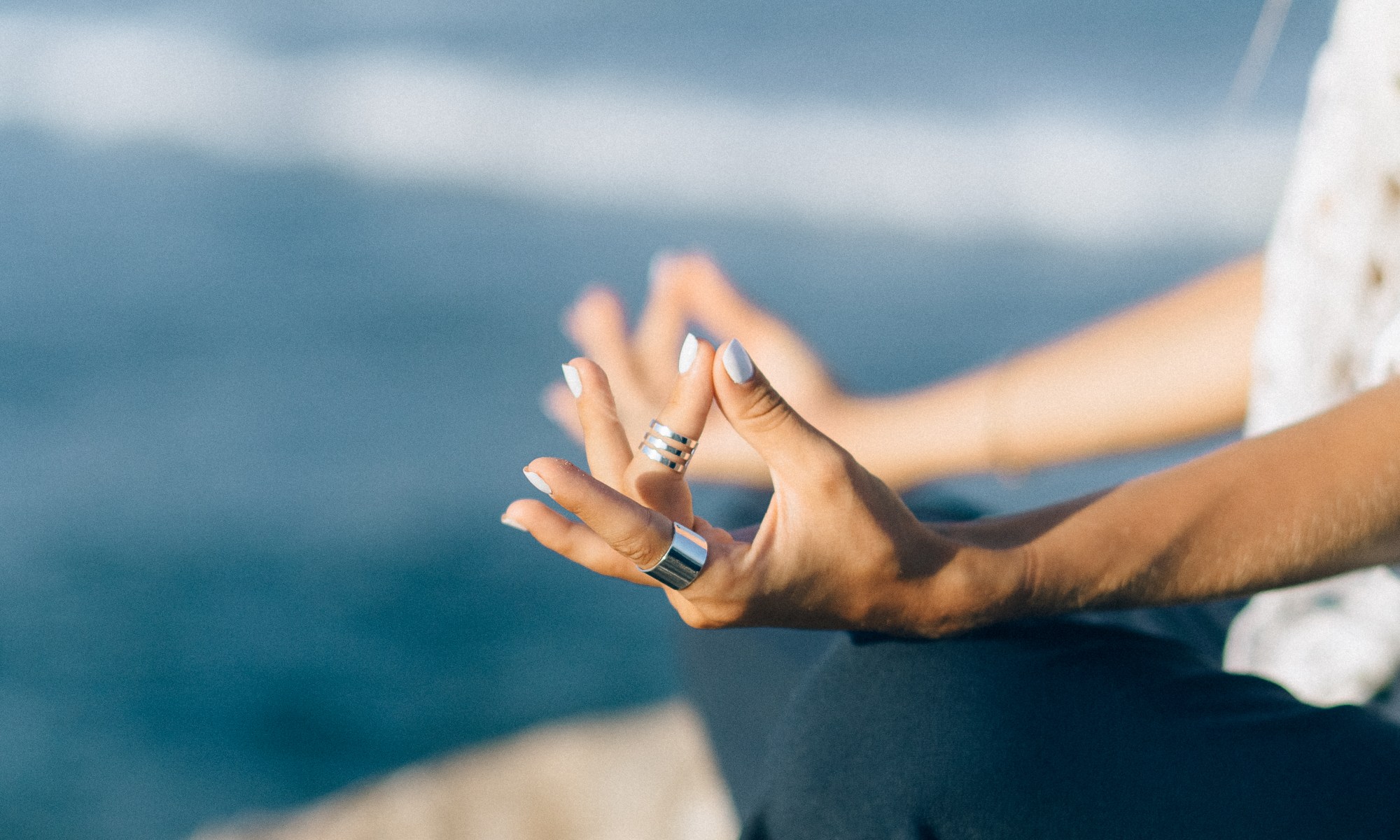
Explore the Benefits of Inner Child Meditation

Introduction to Inner Child Meditation

Inner Child Meditation is a profound and transformative mindfulness practice. It helps individuals reconnect with the childlike part of themselves. This part still holds joy, pain, vulnerability, curiosity, and unmet needs. This practice is based on the principles of psychotherapy and spiritual self-inquiry. It invites a gentle exploration of early emotional wounds. The goal is to cultivate healing, compassion, and self-love.

The term “inner child” gained popularity in the 20th century. This was notably due to the work of psychologist Carl Jung. He referred to it as the “Divine Child” archetype. The structured practice of Inner Child Meditation began to take shape in the 1980s and 1990s. This development was due to the work of therapists and spiritual teachers like John Bradshaw and Charles Whitfield. Since then, the practice has evolved, merging with mindfulness techniques, breathwork, guided imagery, and even somatic therapies.

A Brief History and Evolution

The psychological concept of the inner child has been around for nearly a century. However, the meditative approach to connecting with this inner part is relatively modern. In the 1980s, interest in childhood trauma and emotional neglect surged. This led to therapeutic models that emphasized the importance of re-parenting oneself. Inner Child Meditation was soon embraced by both psychological and spiritual communities as a method of self-healing.

Today, it is practiced worldwide by therapists, yoga practitioners, life coaches, and spiritual seekers. It often forms part of a broader journey of shadow work, trauma recovery, or personal growth.

Benefits of Inner Child Meditation

Engaging with the inner child can have profound emotional, psychological, and even physical benefits. Some of the most commonly reported benefits include:

  • Emotional Healing: Helps resolve feelings of abandonment, shame, or neglect from childhood.
  • Self-Compassion: Cultivates a gentler, more loving relationship with oneself.
  • Improved Relationships: By healing early attachment wounds, individuals often experience more fulfilling adult relationships.
  • Empowerment: Encourages the reclaiming of lost creativity, playfulness, and confidence.
  • Stress Reduction: Like many meditative practices, it promotes nervous system regulation and emotional grounding.

Case Studies

Case Study 1: Lucy’s Story – Reclaiming Joy

Lucy, a 34-year-old yoga teacher, began practicing Inner Child Meditation during a yoga teacher training retreat. She realized she had long suppressed her creativity after being ridiculed as a child for “being too much.” Through weekly guided meditations, she began visualizing and comforting her younger self. Over several months, she found herself more expressive, began painting again, and reported feeling more “whole” and emotionally free.

Case Study 2: Daniel’s Journey – Healing the Father Wound

Daniel, a 40-year-old engineer, struggled with feelings of unworthiness and emotional distance in relationships. His therapist introduced him to Inner Child Meditation as a way to explore his strained relationship with his father. Over six months, he practiced daily visualizations, journaling dialogues with his inner child, and breathwork. He eventually found forgiveness and a sense of inner safety, which led to improved communication with his own children.

Case Study 3: Jenny’s Practice – From Anxiety to Calm

Jenny, a trauma survivor, experienced chronic anxiety and insomnia. Traditional talk therapy helped. However, she noticed significant shifts only after adding Inner Child Meditation to her nightly routine. Through consistent practice, including soft music, affirmations, and self-holding techniques, her sleep improved, and her panic attacks lessened. She credits the practice with restoring a “lost sense of innocence and peace.”

Final Thoughts

Inner Child Meditation is not just a healing tool; it’s a journey of remembering. It’s a pathway back to the core of who we are before the world told us who to be. Whether practiced in silence or through visualization, journaling, or guided sessions, connecting with your inner child can awaken buried joy. It can also transform wounds into wisdom.

At Yoga947, we honor this sacred practice as part of the holistic journey toward emotional, spiritual, and physical wellness. If you haven’t explored Inner Child Meditation yet, this is your invitation to begin.

Try This: A Short Guided Inner Child Meditation

You may wish to find a quiet, safe space for this practice. Sit or lie down comfortably. Gently close your eyes and take a few deep breaths in through the nose… and out through the mouth.

Step 1: Grounding

“Feel the weight of your body supported by the earth. Let go of tension in your jaw, shoulders, and belly. Breathe deeply and gently.”

Step 2: Meet Your Inner Child

“Now, bring to mind an image of yourself as a child. You picture a specific age, or a time when you needed love and reassurance. What do they look like? How do they feel?”

Step 3: Connect with Compassion

“Approach this younger version of yourself with kindness. Let them know you are here now. Say something loving: ‘I see you. I hear you. I am here for you. You are safe with me.’

Step 4: Embrace

“Imagine giving your inner child a warm hug. Let them know they are never alone. Stay here for a few more breaths, letting this feeling of love and safety fill your heart.”

Step 5: Return

“Now gently bring your attention back to your breath… back to the present moment. Wiggle your fingers and toes, and when you’re ready, open your eyes.”

Take a few moments to journal or simply notice how you feel.


 Ready to Begin Your Inner Child Journey?

At Yoga947, we believe deep healing begins within. That’s why we offer meditations, resources, and support to help you explore practices like Inner Child Healing in a safe, nurturing space.


Additional Resources for Practicing Inner Child Meditation

To deepen your journey, explore the following:

Books:

  • “Homecoming: Reclaiming and Championing Your Inner Child” by John Bradshaw
  • “Healing the Child Within” by Charles L. Whitfield
  • “Recovery of Your Inner Child” by Lucia Capacchione

Apps & Audio:

  • Insight Timer – Offers free inner child meditations by various teachers
  • Calm and Headspace – Search for inner child or self-compassion meditations
  • YouTube Channels – Look for guided sessions by therapists like Lisa A. Romano or meditation teachers like Sarah Blondin

Key Takeaways: Inner Child Meditation at a Glance

  • Inner Child Meditation reconnects you with your past to heal your present.
  • Origins: Based on psychological theories, popularized in the 1980s.
  • Benefits: Emotional healing, stress relief, better relationships, greater self-love.
  • Practice: Guided meditations, journaling, and visualization techniques.
  • Real Impact: Case studies show transformative effects in just weeks or months.
  • Resources: Books, apps, and courses are widely available to support your journey.

Your inner child is always waiting for you to return. Will you listen? Begin your journey today with Yoga947.

Unlock Mindfulness: The Power of Walking Meditation

Description:
In this post, we’ll explore the practice of walking meditation. We’ll guide you through the fundamentals, benefits, and techniques that make walking meditation a unique way to experience mindfulness. This post is ideal for readers who want to add a meditative practice to their daily routine. They prefer something more active than sitting meditation. Whether you are a seasoned meditator or you are beginning your journey, this article will assist you. It will help you discover a path to inner peace through mindful walking.

Introduction 

In our fast-paced world, it’s easy to feel overwhelmed, disconnected, and stressed. Many people turn to meditation to find calm and restore balance. Still, the idea of sitting still for long periods is not appealing to everyone. Fortunately, there’s a form of meditation that combines movement with mindfulness: walking meditation.

Walking meditation offers a refreshing alternative to traditional seated meditation. It allows you to anchor your awareness in the body and the present moment as you walk. This practice is not only an excellent way to calm your mind. It also helps you connect with your environment, your breath, and your physical sensations.

In this blog post, we’ll explore the basics of walking meditation. We will discuss its benefits. Additionally, we will explain how to incorporate it into your daily life. By the end, you’ll understand how this moving meditation can enhance your mental, physical, and spiritual well-being.

 What is Walking Meditation? 

Walking meditation is an ancient practice rooted in various spiritual traditions, including Buddhism and Taoism. Unlike seated meditation, where you focus on the breath or a mantra while sitting still, walking meditation involves moving mindfully. You pay attention to the rhythm of your footsteps. You notice the sensations in your body and the environment around you.

In walking meditation, every step becomes an opportunity to practice mindfulness. You don’t rush or strive to get anywhere. Instead, you walk slowly and deliberately, focusing on the process of walking itself. This meditative movement helps you cultivate awareness in the current moment. It assists you in becoming more attuned to your body and mind.

There are different forms of walking meditation, but they all share the same core principle: mindful awareness in movement. Some practices encourage extremely slow walking, where each step is taken with intention and full awareness. Others may involve a more natural pace but still emphasize mindfulness and a non-judgmental focus on the present moment.


The Benefits of Walking Meditation 

Walking meditation offers a wide range of benefits for your mind, body, and spirit. Here are some key advantages of incorporating this practice into your routine:

  1. Reduces Stress and Anxiety:
    Walking meditation is a powerful stress-relieving tool. By focusing on the present moment and detaching from worries, you give your mind a break from overthinking. The combination of mindful movement and breath awareness helps reduce anxiety and promote a sense of calm.
  2. Enhances Physical Health:
    Walking is a gentle form of exercise that improves circulation, strengthens muscles, and boosts cardiovascular health. When combined with mindfulness, walking meditation encourages better posture. It promotes more intentional movements and overall physical awareness. This leads to long-term physical well-being.
  3. Boosts Mental Clarity and Focus:
    Regular practice of walking meditation improves concentration and cognitive function. The practice trains your mind to stay focused on the task at hand. This focus can enhance productivity. It also sharpens your mind in other areas of life.
  4. Improves Mood and Emotional Well-Being:
    The rhythmic movement of walking, paired with mindfulness, releases endorphins, improving your mood. Walking meditation can also help you process emotions in a non-judgmental way, fostering emotional resilience and balance.
  5. Connects You to Nature and Your Surroundings:
    Walking meditation is often done outdoors, providing a chance to connect with nature. Be aware of the sounds of birds. Feel the breeze. Notice the warmth of the sun. These actions can foster a deeper connection to the natural world. They enhance your sense of peace and grounding.

Section 3: How to Practice Walking Meditation 

Here’s a simple guide to start your walking meditation practice:

  1. Choose a Location:
    Find a quiet, comfortable place where you can walk undisturbed. This can be a park, a garden, a beach, or even your backyard. While many people prefer to practice outdoors, indoor spaces can also be suitable for walking meditation.
  2. Set Your Intention:
    Before you begin, set an intention for your practice. This could be to calm your mind, focus on the present moment, or simply enjoy the act of walking mindfully. Setting an intention helps guide your focus during the meditation.
  3. Start with Posture and Breath:
    Stand still for a moment and take a few deep breaths. Notice your body, your posture, and your connection to the ground. Let your body relax, but remain upright. Pay attention to how your feet make contact with the earth.
  4. Begin Walking Slowly:
    Start walking at a slow, deliberate pace. Focus on each step, feeling your feet lifting off the ground and making contact again. Sync your breath with your steps, if possible. For example, inhale for two steps, and exhale for two steps.
  5. Stay Present and Mindful:
    As you walk, keep your attention focused on the present moment. If your mind begins to wander, gently bring it back to the sensation of walking. Notice your surroundings, the sounds, the smells, and how your body feels as you move.
  6. End the Session Mindfully:
    After 10 to 20 minutes of walking, slow down and come to a complete stop. Take a few moments to stand still and reflect on how you feel. Finish the meditation with a few deep breaths and a sense of gratitude for the experience.

Section 4: Tips for Deepening Your Practice 

Here are some helpful tips to make the most out of your walking meditation practice:

  • Practice Consistently:
    Like any meditation practice, consistency is key. Try to incorporate walking meditation into your daily routine, even if it’s just for a few minutes each day.
  • Vary Your Environment:
    Experiment with different locations. Walking in nature can be particularly soothing. Urban environments can also offer unique opportunities to observe your surroundings in a mindful way.
  • Alternate Speeds:
    Try varying your walking pace. Sometimes slow, deliberate steps help deepen mindfulness, while at other times, a brisk, mindful walk can feel invigorating.
  • Combine with Other Practices:
    Walking meditation can greatly complement other mindfulness practices. These include seated meditation, yoga, or breathing exercises.
  • Be Kind to Yourself:
    Don’t worry if your mind wonders during the practice. Walking meditation is about bringing your awareness back to the present whenever you notice distractions. Treat yourself with compassion and enjoy the process.

Conclusion 

Walking meditation is a beautiful practice that combines the benefits of movement with mindfulness. Walking meditation is refreshing. It is dynamic and a wonderful way to cultivate inner peace. Whether you’re new to meditation or looking to expand your practice, it offers something valuable. It invites you to slow down, breathe, and savour the simple act of walking.

By integrating walking meditation into your routine, you can experience reduced stress. It also leads to improved mental clarity. You will feel a stronger connection to your surroundings. Take your first mindful step today and discover the profound effects of this ancient practice.

Your welcome to share your thoughts!

“Have you tried walking meditation before? Share your thoughts or experiences in the comments below—I’d love to hear how this practice works for you!”

For additional resources to help you with meditative walking, here are several options:

1. Books on Walking Meditation

  • “The Miracle of Mindfulness” by Thich Nhat Hanh: This book is written by a Vietnamese Buddhist monk. It offers a beautiful introduction to mindfulness practices. One practice it includes is walking meditation.
  • “Walking Meditation” by Nguyen Anh-Huong & Thich Nhat Hanh: This guide focuses specifically on walking meditation. It provides step-by-step instructions and offers insights from a Buddhist perspective.
  • “How to Walk” by Thich Nhat Hanh: This book is short and easy to read. It focuses entirely on mindful walking. The book is suitable for both beginners and seasoned practitioners.

2. Online Guided Meditations

  • Insight Timer: This app offers free guided meditations, including ones focused on walking meditation.
  • Headspace: A meditation app that features walking meditations designed to bring mindfulness into daily movement.
  • Calm: Another app with a variety of meditations, including guided sessions for walking meditation.

3. YouTube Channels

  • Thich Nhat Hanh Foundation: Offers free videos and lectures. These include guided walking meditations led by Thich Nhat Hanh and his followers.
  • Mindful Movement: A YouTube channel with various guided mindfulness practices, including walking meditation.
  • Tara Brach: A well-known meditation teacher who occasionally includes walking meditation practices in her mindfulness teachings.

4. Retreat Centers and Courses

  • Retreats with a strong emphasis on walking meditation.Spirit Rock Meditation Center (California): Offers retreats and online courses that include walking meditation as part of their mindfulness teachings.
  • Gaia House (UK): A Buddhist retreat center offering courses where walking meditation is practiced.

5. Podcasts

  • “On Being with Krista Tippett”: Features interviews with mindfulness and meditation experts, often touching on walking as a mindful practice.
  • “The Mindful Kind” by Rachael Kable: A podcast focused on mindfulness with episodes covering walking meditation.

These resources provide a mix of practical guidance, philosophical teachings, and tools to help deepen your walking meditation practice.

Relaxation Week: Unwind and Prepare for Restful Sleep with Restorative Yoga

Welcome to Relaxation Week! In our fast-paced world, it’s essential to carve out time to unwind and de-stress. This week, we’re focusing on incorporating restorative yoga practices into your evening routine to help you relax, calm your mind, and prepare your body for a restful night’s sleep.

Evening Routine: 10-15 Minutes to Unwind

1. Child’s Pose (Balasana) Start your relaxation journey with Child’s Pose. This gentle, grounding pose helps stretch the lower back, hips, and thighs while promoting a sense of tranquility.

  • How to Practice:
    • Begin by kneeling on the floor. Touch your big toes together and sit on your heels. Separate your knees about hip-width apart.
    • Exhale and lay your torso down between your thighs. Extend your arms forward with palms facing down, or let them rest alongside your body with palms up.
    • Rest your forehead on the mat and breathe deeply, focusing on each inhale and exhale.
  • Benefits:
    • Stretches the back, hips, and thighs
    • Relieves tension and stress
    • Calms the mind and promotes relaxation

2. Legs Up the Wall Pose (Viparita Karani) Transition into Legs Up the Wall Pose, a restorative inversion that encourages circulation and relaxation. This pose helps alleviate tired legs and feet, and it gently stretches the back of the neck and the spine.

  • How to Practice:
    • Sit with one side of your body against a wall. Lie down on your back and swing your legs up against the wall, keeping your sit bones as close to the wall as possible.
    • Extend your arms out to the sides, palms facing up, or place them on your abdomen.
    • Close your eyes and breathe deeply, maintaining this position for several minutes.
  • Benefits:
    • Reduces swelling and fatigue in the legs and feet
    • Enhances circulation
    • Relieves lower back tension
    • Promotes relaxation and stress relief

Pair with Deep Belly Breathing

While holding these restorative poses, incorporate deep belly breathing (diaphragmatic breathing) to enhance relaxation. Deep belly breathing activates the parasympathetic nervous system, which helps reduce stress and promote a sense of calm.

  • How to Practice:
    • Place one hand on your chest and the other on your abdomen.
    • Inhale deeply through your nose, allowing your abdomen to rise as you fill your lungs with air. Your chest should remain relatively still.
    • Exhale slowly through your mouth, letting your abdomen fall as you release the air.
    • Continue this breathing pattern, focusing on the rise and fall of your abdomen with each breath.
  • Benefits:
    • Reduces stress and anxiety
    • Lowers heart rate and blood pressure
    • Improves oxygen flow and promotes relaxation
    • Enhances the effectiveness of restorative yoga poses

Why Incorporate Restorative Yoga into Your Evening Routine?

  • Improved Sleep Quality: Practicing restorative yoga before bed helps prepare your body and mind for sleep, leading to better sleep quality and duration.
  • Stress Reduction: The combination of gentle poses and deep breathing reduces stress hormones and promotes a state of calm.
  • Enhanced Flexibility: Regular practice of these poses improves flexibility and releases muscle tension accumulated throughout the day.
  • Mental Clarity: Taking time to unwind and focus on your breath helps clear your mind, making it easier to fall asleep and stay asleep.

By dedicating just 10-15 minutes each evening to these restorative yoga practices and deep belly breathing, you can create a peaceful bedtime routine that supports relaxation and restful sleep. Try incorporating this routine into your nightly schedule and experience the benefits for yourself. Sweet dreams!

What are the benefits of Yoga?

Yoga, the ancient practice born in the heart of India, is a remarkable journey of self-discovery and holistic well-being. It weaves together the threads of the mind, body, and soul, offering a profound tapestry of benefits that extend far beyond the physical postures. Rooted in centuries of wisdom, yoga has captured the hearts and minds of millions worldwide, transcending cultural boundaries and generations. At its core, yoga is a profound exploration of the self, inviting us to dive into the depths of our existence and unearth the treasures hidden within.

In this exploration, we delve into the 20 extraordinary benefits of yoga, each contributing to a harmonious synergy of the mind, body, and soul. From the physical strength and flexibility it bestows to the serenity of a calm mind and the illumination of the spirit, yoga is a path that empowers us to live life to its fullest.

20 Benefits of Yoga for the Mind, Body, and Soul:

Physical Benefits:

  • Enhanced Flexibility: Yoga postures (asanas) gently stretch and lengthen muscles, gradually increasing flexibility and range of motion.
  • Muscle Strength: The practice of holding poses builds and tones muscles, creating a strong and resilient body.
  • Balance and Coordination: Yoga poses a challenge to balance and coordination, improving overall physical stability.
  • Endurance: By engaging in sequences and poses, practitioners build endurance, fostering stamina and vitality.
  • Postural Alignment: Yoga enhances body awareness, promoting proper alignment and reducing the risk of posture-related issues.
  • Pain Relief: Yoga can alleviate chronic pain, including backaches and joint discomfort, through improved circulation and relaxation.
  • Weight Management: Dynamic forms of yoga provide a calorie-burning workout, supporting weight maintenance and loss.
  • Detoxification: Twisting and inverted poses stimulate detoxification, aiding in the elimination of toxins from the body.
  • Cardiovascular Health: Controlled breathing and relaxation techniques in yoga can lower blood pressure and enhance heart health.
  • Respiratory Well-being: Pranayama, the practice of breath control, bolsters lung capacity and encourages healthy breathing patterns.

Mental Benefits:

  • Stress Reduction: Yoga fosters relaxation, reducing stress hormones and promoting mental clarity.
  • Focus and Concentration: Mindfulness and concentration exercises in yoga sharpen mental acuity and cognitive function.
  • Emotional Regulation: Practicing yoga encourages emotional awareness, facilitating better management of feelings.
  • Anxiety and Depression Relief: Yoga’s meditative aspects can alleviate symptoms of anxiety and depression.
  • Improved Sleep: Yoga promotes better sleep patterns, aiding in insomnia and enhancing overall sleep quality.
  • Self-Compassion: Yoga nurtures self-acceptance and self-compassion, fostering a positive self-image.
  • Creativity: Many practitioners find that yoga enhances creativity and problem-solving abilities.

Health Benefits:

  • Immune System Support: Regular practice strengthens the immune system, increasing resistance to illness.
  • Digestive Health: Certain yoga poses stimulate digestion, alleviating digestive issues and promoting gut health.
  • Hormonal Balance: Yoga can help regulate hormonal function, contributing to overall hormonal equilibrium and well-being.

Soulful Benefits:

  • Spiritual Awareness: Yoga deepens spiritual connection, fostering inner growth and self-realization.
  • Inner Peace: A sense of serenity and inner peace emerges through yoga, helping individuals navigate life’s challenges gracefully.
  • Connection to Nature: Practitioners often develop a stronger bond with nature and the universe.
  • Compassion: Yoga encourages compassion, not only for oneself but also for others, nurturing a sense of unity.
  • Purpose and Meaning: Many discover their life’s purpose or a profound sense of meaning through yoga’s introspective journey.

In conclusion, yoga is a transformative practice that touches every facet of our being. Its 20 diverse benefits are threads woven together to create a tapestry of holistic well-being, inviting us to embark on a journey of self-discovery, inner peace, and a deeper connection with the world around us. Whether you are seeking physical vitality, emotional balance, or spiritual enlightenment, yoga offers a pathway to a richer, more meaningful life.