Beginner’s Guide to Qigong Meditation

Awaken Your Inner Energy Flow Through Stillness and Breath

Introduction: The Art of Gentle Energy Cultivation

Qigong Meditation (氣功冥想)

Meaning:

  • “Qi” (氣) = life energy or vital breath
  • “Gong” (功) = skill, cultivation, or mastery
    So Qigong means “the skill of working with life energy.”

Purpose:
Qigong meditation focuses on balancing, gathering, and circulating Qi within the body to promote healing, longevity, and spiritual awareness.
It combines slow, flowing movements, breathing techniques, and visualizations to open the body’s meridians (energy pathways).

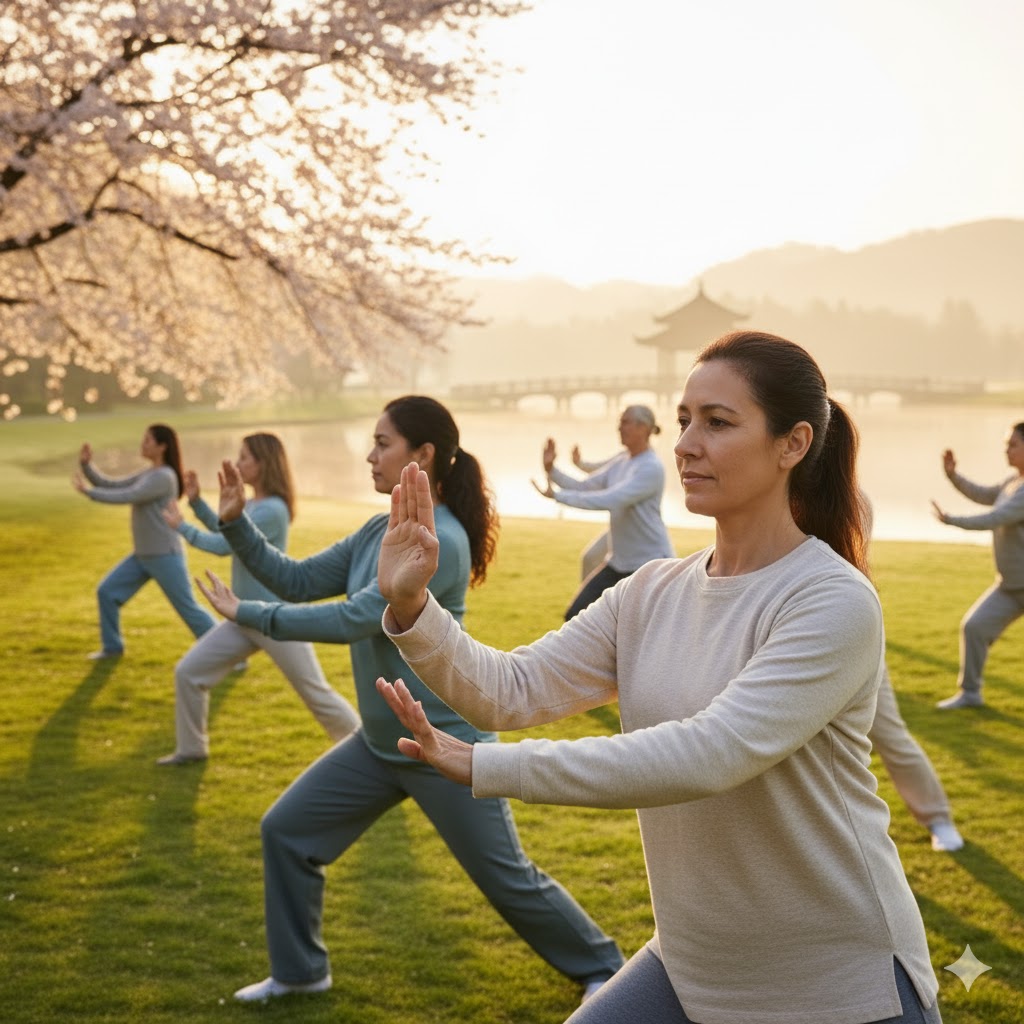
Qigong meditation (pronounced chee-gong) is an ancient Chinese practice that harmonizes mind, body, and energy. Often described as “moving meditation,” Qigong blends slow rhythmic movement, conscious breathing, and mindful awareness to restore balance and vitality from within.

While yoga focuses on prana — the life force that flows through every living being — Qigong focuses on qi (or chi), the same vital energy that animates the body and the universe. Both systems share a common goal: to awaken a deeper connection between the physical and spiritual self.


 The Roots of Qigong

The origins of Qigong reach back over 4,000 years to ancient China, where healers, monks, and martial artists developed it as a form of energy medicine and spiritual cultivation.

Early Daoist practitioners used Qigong to balance yin and yang — the natural opposites within the body. Over centuries, it evolved into multiple styles: medical Qigong for healing, martial Qigong for strength, and spiritual Qigong for enlightenment.

Today, Qigong is practiced worldwide and has been recognized by wellness experts and medical research institutions for its calming, restorative effects on the nervous system, mood, and overall vitality.
(Sources: Cleveland Clinic, Healthline, Taoist Sanctuary, YMAA Institute)


 The Purpose of Qigong Meditation

At its heart, Qigong meditation teaches us to return to the natural flow of energy within.

It encourages:

  • Relaxation of the body – releasing physical tension and blockages
  • Calmness of the mind – softening mental noise through gentle focus
  • Awareness of breath – connecting inner and outer rhythm
  • Cultivation of qi – restoring life force to all organs and cells

Practicing Qigong is like recharging your internal battery — you learn to gather energy, circulate it, and store it for healing and resilience.


 Benefits for Mind, Body & Spirit

Scientific and traditional teachings both highlight a wide range of benefits from Qigong meditation:

MindBodySpirit
Reduces anxiety and stressImproves balance and postureDeepens inner awareness
Enhances focus and clarityLowers blood pressureAwakens energetic sensitivity
Supports emotional stabilityBoosts immune functionCultivates peace and gratitude
Improves sleep qualityIncreases flexibilityConnects you with nature’s rhythm

Modern research (National Library of Medicine, Brown University 2023) confirms that regular Qigong practice improves emotional regulation, fatigue, and quality of life.


 Simple Beginner Practice: 5-Minute Qigong Meditation

Step 1: Ground Yourself
Stand with feet shoulder-width apart.
Keep your spine tall and knees slightly bent.
Relax your shoulders and jaw.

Step 2: Breathe Naturally
Close your eyes gently.
Take slow breaths — in through your nose, out through your mouth.
Feel your belly rise and fall with each breath.

Step 3: Gather Energy
Imagine a soft golden light above your head.
With each inhale, let it flow down through your body — head, shoulders, heart, belly, and legs — into the earth.

Step 4: Circulate and Calm
Now imagine this light returning upward with your exhale, completing a gentle loop through your body.
Smile softly and feel the warmth of inner balance.

Step 5: Close the Practice
Bring your hands together over your lower abdomen (the Dantian).
Take three slow breaths, silently thanking your body for its energy.
End with a gentle bow or smile.

 Practice daily for 5–10 minutes to feel a noticeable calm in your body and clarity in your mind.


 How Qigong Complements Yoga Practice

For the Yoga947 community, Qigong meditation beautifully complements yoga by:

  • Offering gentle movement on days when physical asanas feel intense
  • Enhancing energy awareness during breathwork and meditation
  • Supporting emotional grounding through still standing or seated postures
  • Providing a holistic balance between action (yang) and rest (yin)

Together, Yoga and Qigong create a complete cycle — one that nurtures vitality, peace, and presence.

Qigong Meditation – Frequently Asked Questions (FAQ)

By Yoga947

1. What is Qigong?

Qigong (pronounced “chee-gong”) is an ancient Chinese healing and movement practice that combines gentle physical postures, breathing techniques, and focused intention to cultivate Qi (life force energy). It’s designed to harmonize the body, mind, and spirit through mindful movement.


2. How does Qigong differ from Tai Chi?

Both Qigong and Tai Chi share similar roots in Chinese philosophy and energy medicine. Qigong focuses more on internal energy cultivation and can include standing, sitting, or moving meditations. Tai Chi, on the other hand, is a structured martial art form involving a set sequence of slow, graceful movements. Think of Qigong as the foundation from which Tai Chi evolved.


3. What are the main benefits of practicing Qigong?

Regular Qigong practice can help:

  • Reduce stress and anxiety
  • Boost immune function and circulation
  • Improve flexibility, balance, and coordination
  • Enhance focus and emotional stability
  • Support spiritual awareness and inner peace

Many practitioners describe it as a gentle yet powerful self-healing art.


4. Is Qigong suitable for beginners?

Absolutely! Qigong is accessible to all ages and fitness levels. Movements can be modified or performed seated, making it ideal for beginners or those recovering from illness or fatigue. You don’t need any special equipment — just a calm space and comfortable clothing.


5. How often should I practice Qigong?

Even 5–10 minutes daily can bring noticeable calm and balance. Over time, consistent practice helps you tune into your body’s natural rhythms and improve your overall energy flow.


6. Can Qigong help with emotional healing?

Yes. Qigong encourages a mind-body connection that allows stored emotions to gently release through breath and movement. Many practitioners use Qigong to cultivate emotional resilience, forgiveness, and self-compassion.


7. Is Qigong a spiritual practice?

Qigong can be purely physical, meditative, or deeply spiritual — depending on your intention. Traditionally, it integrates Taoist and Buddhist philosophies, focusing on unity with nature, mindfulness, and the cultivation of inner stillness.


8. Do I need a teacher to learn Qigong?

While self-practice videos and online guides are helpful, learning from a qualified Qigong instructor — even for a few sessions — can ensure correct posture, breathing, and energy awareness. Yoga947 also offers guided meditation resources to help you begin safely at home.


9. How soon will I feel results from Qigong?

Some people notice an immediate sense of calm and clarity after one session. With regular practice, deeper benefits such as increased vitality, better sleep, and improved focus develop gradually over weeks or months.


10. How can I start a Qigong meditation routine with Yoga947?

Visit Yoga947.com to explore our guided Qigong Meditation steps, complete with beginner-friendly scripts, soothing audios, and printable wellness tools to support your energy journey. 

Coming Soon!


 Final Reflection: Flow Where Energy Meets Awareness

Qigong meditation reminds us that healing begins within.
Each mindful breath restores harmony between the body and the natural world — a reminder that stillness is strength, and movement is meditation.

Whether you stand beneath the sky or sit in silent breath, your qi flows through all that you are.
Start today — just five minutes of Qigong can awaken a lifetime of inner calm.


References & Suggested Reading

  • Cleveland Clinic. What Are the Health Benefits of Qigong? (2023)
  • Peter Deadman. A Brief History of Qigong (2021)
  • Brown University Research. Qigong and Fatigue Reduction in Cancer Survivors (2023)
  • YMAA Publications. The Root of Chinese Qigong by Dr. Yang, Jwing-Ming
  • Taoist Sanctuary of San Diego. History of Qigong

National Center for Complementary and Integrative Health (NCCIH): Qigong Overview

Unlocking Wellness: The Power of Biofeedback Meditation


Introduction

Meditation has been a cornerstone of wellness practices for thousands of years. It offers a powerful way to balance the mind, body, and soul. But what if you could take this ancient practice and enhance it with cutting-edge technology? You gain deeper insights into your physiological responses. That’s exactly what biofeedback meditation promises.

Biofeedback meditation combines mindfulness techniques with real-time data on bodily functions like heart rate, muscle tension, brainwaves, and breathing patterns. This scientific approach helps practitioners gain a heightened awareness of their body’s internal states. It enables them to optimize meditation for better health, relaxation, and overall well-being.

In this blog post, we’ll delve into the fundamentals of biofeedback meditation. We’ll explain how it works and its benefits. We’ll also discuss why you should consider incorporating it into your daily routine.


What is Biofeedback Meditation?

Biofeedback meditation is the integration of biofeedback technology with mindfulness and meditation practices. The aim is to make the meditator more aware of unconscious physiological processes that occur during meditation and daily life. Through this heightened awareness, individuals can learn to control certain bodily functions consciously. They can lower their heart rate or reduce muscle tension. This leads to deeper relaxation or focus.

Biofeedback devices, such as wearable sensors or specialized equipment, monitor real-time bodily responses like:

  • Heart Rate Variability (HRV)
  • Muscle Tension (EMG)
  • Brainwave Activity (EEG)
  • Skin Temperature
  • Breathing Patterns

These metrics are then displayed via digital interfaces. These include a mobile app or computer screen. This allows practitioners to observe their physical responses as they meditate. By doing so, they can adjust their technique in real-time, allowing for a more effective and personalized meditation experience.


How Biofeedback Meditation Works

Biofeedback meditation hinges on the concept of real-time feedback to train the mind and body. Here’s how it works:

  1. Step 1: Preparation
    The practitioner uses a biofeedback device that monitors their physiological data. These could include heart rate monitors, EEG headsets for tracking brain activity, or sensors that gauge breathing rhythms. Most devices are easy to use and can connect to smartphones or other interfaces that display real-time data.
  2. Step 2: Meditation Session
    While meditating, the biofeedback device tracks the body’s physiological changes. The key here is to maintain a calm and focused state while observing how the body reacts. Any fluctuations in the data—such as increased heart rate or erratic breathing patterns—provide immediate insights. They allow the individual to consciously regulate these responses.
  3. Step 3: Adjusting the Mind-Body State
    Over time, you learn to recognize the signs of stress or tension. You can then adjust your meditation techniques. These techniques can influence your physiological state. For example, if the device shows elevated heart rate during meditation. You can focus on slower, deeper breathing to bring it back to an optimal range.
  4. Step 4: Review and Progress
    Post-session, the data collected can be reviewed to monitor progress over time. Some biofeedback apps provide insights and recommendations for future meditation sessions. They help to build a tailored and more efficient meditation practice.

The Science Behind Biofeedback Meditation

The science of biofeedback meditation is rooted in the ability of the human body to self-regulate. Biofeedback taps into the body’s natural mechanisms for maintaining balance, or homeostasis, by making previously unconscious processes observable. Once made conscious, these processes can be trained and controlled for improved health and well-being.

For example:

  • Heart Rate Variability (HRV): Greater HRV is associated with better overall cardiovascular health and emotional resilience. During biofeedback meditation, you can learn to control your HRV through slow breathing and focus. This process improves your autonomic nervous system’s response to stress.
  • Brainwaves (EEG): Brainwave patterns vary between different states of consciousness. Beta waves indicate alertness. Alpha waves are for relaxation. Theta waves occur in deep meditation. Biofeedback devices monitoring brain waves allow meditators to aim for brain states that align with deeper relaxation and heightened awareness.
  • Muscle Tension (EMG): Tension in muscles, especially in the forehead or shoulders, can be a sign of stress or anxiety. Biofeedback helps identify and relax these muscles, leading to a deeper state of relaxation during meditation.

This approach is scientifically validated. Research shows that biofeedback can improve stress management and enhance focus. It can even alleviate conditions like chronic pain, anxiety, and high blood pressure.


Benefits of Biofeedback Meditation

1. Enhanced Self-Awareness

Biofeedback meditation offers a deeper understanding of your mind-body connection by making unconscious physiological processes conscious. This heightened awareness can significantly improve your meditation practice. It allows you to observe how your body reacts to stress or relaxation in real-time.

2. Reduced Stress and Anxiety

Biofeedback meditation helps you manage stress and anxiety more effectively. It monitors and controls stress-related metrics like heart rate and muscle tension. Over time, you can train your body to enter a state of calm more quickly and easily.

3. Improved Focus and Concentration

Biofeedback meditation helps you cultivate a focused mind by giving you instant feedback on distractions or mental clutter. This allows you to refine your concentration skills and enter a deeper meditative state faster.

4. Better Sleep

By regulating heart rate, breathing, and muscle tension, biofeedback meditation can help improve sleep quality. The calming effects often carry over to nighttime, leading to more restful sleep and reduced insomnia symptoms.

5. Physical Health Benefits

Studies show that biofeedback can be effective in managing chronic pain. It can also lower blood pressure and reduce the risk of heart disease. These physical benefits make biofeedback meditation a holistic wellness tool, addressing both mental and physical health.


Is Biofeedback Meditation Right for You?

Biofeedback meditation can benefit a wide range of individuals. Beginners can improve their meditation practice. Seasoned practitioners can explore the mind-body connection on a deeper level.

You might consider biofeedback meditation if:

  • You struggle with focus or have difficulty entering a meditative state.
  • You want to manage stress, anxiety, or chronic pain more effectively.
  • You’re interested in using technology to enhance your mindfulness practice.
  • You enjoy tracking progress and like the idea of measurable results.
  • You’re curious about the scientific side of meditation and the mind-body connection.

Conclusion

Biofeedback meditation represents the fusion of ancient mindfulness practices with modern science. It offers a powerful tool for anyone looking to deepen their meditation experience. Whether you’re a beginner or an experienced meditator, biofeedback can help you cultivate greater awareness. It can help you manage stress. It can also enhance your overall well-being.

As technology continues to advance, biofeedback devices are becoming more accessible. This makes it easier than ever to tap into the benefits of this practice. So why not take a step into the future of meditation? Unlock the potential of biofeedback for a healthier, more mindful life.


There are several excellent resources available to help deepen your understanding and practice of biofeedback meditation. Here are some categories and examples of tools, apps, and organizations that provide support:

Biofeedback Devices and Wearables

Biofeedback meditation often requires devices that track physiological data. These wearables and sensors can be a game-changer for practicing and refining your biofeedback meditation:

  • Muse Headband: Muse is a popular EEG headband. It provides real-time feedback on brain activity. This helps to guide and optimize meditation sessions. It tracks brainwaves, heart rate, and body movements.
  • HeartMath Inner Balance: Focused on heart rate variability (HRV). HeartMath offers biofeedback tools that guide users toward a state of “coherence”. This is achieved through breathing exercises and emotional regulation.
  • EmWave2: Another device from HeartMath. The EmWave2 tracks HRV and provides instant feedback. This helps guide users toward a state of relaxation and balance.
  • Garmin & Fitbit Wearables: Many fitness trackers, like Garmin and Fitbit, have integrated stress-monitoring features. These features are based on heart rate and respiration. These features provide basic biofeedback insights. They are useful for mindfulness and meditation.

 Biofeedback Meditation Apps

These apps work with biofeedback devices or as standalone platforms to help guide meditation and mindfulness practices:

  • Calm: This popular meditation app includes biofeedback support when paired with devices like Muse or Fitbit. It offers breathing exercises and guided meditations tailored to reduce stress and improve focus.
  • Myndlift: Myndlift works with EEG-based biofeedback devices. It offers personalized neurofeedback training to help manage stress. It also aims to improve focus and enhance meditation practices.
  • Breathe2Relax: A simple yet effective app that focuses on deep breathing exercises. It offers real-time feedback on stress levels. This is a core component of biofeedback meditation.
  • Spire Stone: Spire is a wearable that tracks breathing patterns. Its app offers real-time insights and reminders to help manage stress and promote relaxation through mindful breathing.

 Books on Biofeedback and Meditation

For those who prefer to dive deep into the theory and practice of biofeedback meditation, these books are great resources:

“The Biofeedback Toolkit: A Guide for Practitioners” by M. J. Smith
This book provides practical guidance on how to incorporate biofeedback into therapy and meditation practices.

“Biofeedback: A Practitioner’s Guide” by Ellen Hodgson Brown
This comprehensive guide covers various biofeedback techniques. It includes insights on how they can enhance meditation practices.

“The Healing Power of Neurofeedback: The Revolutionary LENS Technique for Restoring Optimal Brain Function” by Paul G. Swingle and Anne E. Swingle


This book delves into neurofeedback, a form of biofeedback, and how it can be used for meditation and relaxation.

We would like to know your thoughts on the biofeedback meditation.

Namaste.

Our Website contains affiliate links this means if you click and make a purchase we may receive a small commission.“Don’t worry there is no extra cost to you. It’s a simple way you can support our mission to bring you quality content.

“Flying Together: A Journey into the Heart of AcroYoga”

AcroYoga, an innovative and captivating fusion of yoga, acrobatics, and therapeutic arts, has emerged as a vibrant and exhilarating practice in the realm of mind-body disciplines. Rooted in the principles of trust, communication, and connection, AcroYoga invites participants to explore balance, strength, and flexibility in dynamic partnership.

At its core, AcroYoga blends the ancient wisdom of yoga with the playful dynamism of acrobatics, creating a practice that transcends individual limitations and fosters deep collaboration between practitioners. Originating in the early 21st century, AcroYoga was pioneered by practitioners seeking to combine the physical challenge of acrobatics with the mindfulness and meditative qualities of yoga.

One of the defining features of AcroYoga is its emphasis on community and interpersonal connection. Practiced in pairs or groups, AcroYoga encourages participants to communicate openly, trust one another, and cultivate a sense of mutual support. Through shared breath, touch, and movement, practitioners forge profound bonds and develop a heightened awareness of themselves and their partners.

The practice of AcroYoga encompasses three primary roles: the base, the flier, and the spotter. The base serves as the foundation, providing stability and support, while the flyer embodies grace and elevation, exploring weightlessness and flight. The spotter, meanwhile, ensures safety and offers guidance, facilitating smooth transitions and empowering practitioners to push their boundaries safely.

Acro Yoga sequences typically consist of a series of dynamic poses and transitions, blending elements of acrobatics, yoga asana, and therapeutic bodywork. From playful inversions and dynamic lifts to restorative stretches and Thai massage-inspired techniques, AcroYoga offers a diverse range of movements and modalities to explore.

Beyond its physical benefits, AcroYoga offers profound psychological and emotional rewards. By fostering trust, communication, and vulnerability, AcroYoga cultivates a sense of connection and community that extends far beyond the practice mat. Through shared laughter, challenges, and triumphs, practitioners develop resilience, empathy, and a deep appreciation for the power of human connection.

As AcroYoga continues to evolve and expand, it remains a vibrant and inclusive practice accessible to individuals of all ages, abilities, and backgrounds. Whether exploring the thrill of flight, deepening interpersonal relationships, or simply seeking joy and playfulness, AcroYoga offers a transformative journey of self-discovery and connection unlike any other.

Where did Acro Yoga Begin?

AcroYoga originated in the early 21st century, with roots in the United States and influences from various movement disciplines, including yoga, acrobatics, and Thai massage. The practice was pioneered by a diverse community of practitioners seeking to combine the physical challenges of acrobatics with the mindfulness and meditative qualities of yoga. While its exact origins can be traced to specific individuals and communities, AcroYoga emerged organically through collaborative experimentation and exploration.

Despite its relatively recent inception, AcroYoga has rapidly gained popularity worldwide, attracting a growing community of enthusiasts drawn to its unique blend of strength, flexibility, and connection. Today, AcroYoga is practiced in studios, workshops, festivals, and communities across the globe, with dedicated teachers and practitioners continuing to innovate and expand upon its foundational principles.

What are the benefits of Acro Yoga?

The benefits of AcroYoga extend to both men and women, offering a holistic approach to physical, mental, and emotional well-being:

  • Physical Fitness: AcroYoga provides a full-body workout that improves strength, flexibility, and balance. The practice challenges muscles and joints in new ways, promoting functional movement patterns and enhancing overall physical fitness.
  • Core Strength: Many AcroYoga poses require core engagement to maintain stability and balance, helping to strengthen the abdominal muscles and improve posture.
  • Mindfulness and Presence: AcroYoga encourages practitioners to stay present and focused, both in their own bodies and in their connection with their partners. This mindfulness cultivates a sense of awareness and inner peace, reducing stress and anxiety.
  • Trust and Communication: Partnered AcroYoga poses rely on trust and communication between practitioners. Building trust with a partner fosters deeper connections and enhances interpersonal relationships, both on and off the mat.
  • Community and Connection: AcroYoga is often practiced in groups, creating a sense of community and camaraderie among practitioners. The shared experience of supporting and being supported by others fosters a strong sense of belonging and mutual support.
  • Playfulness and Joy: The playful nature of AcroYoga encourages practitioners to approach challenges with a sense of curiosity and joy. The practice invites exploration and experimentation, fostering creativity and spontaneity.
  • Therapeutic Benefits: AcroYoga incorporates elements of Thai massage and therapeutic touch, offering relaxation and stress relief. Partnered poses can provide gentle traction and release tension in the body, promoting physical and emotional well-being.

What are the Group benefits of participating in Acro Yoga?

Here are  hypothetical example of a group participating in AcroYoga and the potential benefits they might experience:

Case Study: “AcroYoga for Team Building and Community Bonding”

Background:

A corporate wellness program at a tech company in Silicon Valley introduces AcroYoga as a team-building activity for employees. The program aims to foster camaraderie, improve communication, and reduce stress among team members.

What types of groups participate in Acro yoga?

Participants:

The group consists of employees from various departments, ranging from software engineers to marketing specialists. While some have previous experience with yoga or acrobatics, many are beginners who are curious to try something new.

Program Structure:

The AcroYoga sessions are conducted weekly during lunch breaks in a spacious conference room. A certified AcroYoga instructor leads the sessions, guiding participants through warm-up exercises, partner drills, and beginner-friendly poses and transitions.

Who are the Beneficiaries of Acro Yoga?

  • 1)Enhanced Communication: AcroYoga requires clear communication between partners to ensure safety and coordination. Participants learn to articulate their needs, provide feedback, and support one another, strengthening interpersonal communication skills both on and off the mat.
  • 2)Trust Building: Partnered AcroYoga poses require participants to trust their partners and overcome fears of falling or failing. Through gradual progression and supportive encouragement, participants develop trust and confidence in themselves and their teammates.
  • 3)Stress Reduction: The playful and lighthearted nature of AcroYoga provides a welcome break from the demands of the workplace, allowing participants to unwind and release tension. The physical activity, combined with focused breathing and mindfulness practices, promotes relaxation and stress relief.
  • 4)Team Bonding: AcroYoga fosters a sense of camaraderie and collaboration among participants as they work together to achieve shared goals. The experience of supporting and being supported by colleagues creates a sense of unity and solidarity within the team.
  • 5)Physical Fitness: AcroYoga offers a fun and challenging workout that improves strength, flexibility, and balance. Participants engage muscles and movement patterns not typically activated in their daily routines, promoting overall physical well-being.

What is the Outcome from weeks of working in Acro Yoga?

After several weeks of participating in AcroYoga sessions, the team reports feeling more connected, energized, and motivated in the workplace. They develop a newfound appreciation for each other’s strengths and abilities, leading to improved collaboration and productivity. The AcroYoga program has become a popular and eagerly anticipated aspect of the company’s wellness initiatives, contributing to a positive and supportive work culture.

While this case study is fictional, it illustrates the potential benefits of incorporating AcroYoga into group settings for team building, community bonding, and holistic well-being.

To find more information about AcroYoga, you have several options:

  • Online Resources: There are numerous websites dedicated to AcroYoga where you can find detailed information, tutorials, articles, and resources. Some popular websites include:
    • Acro Yoga International (www.acroyoga.org): The official website of Acro Yoga International provides information about workshops, teacher training, events, and resources for practitioners of all levels.
    • AcroYoga.org: This website offers a wealth of resources, including instructional videos, articles, and a directory of certified AcroYoga teachers and events worldwide.
    • Social Media: Platforms like Instagram, Facebook, and YouTube are excellent sources for AcroYoga content. You can follow AcroYoga teachers and practitioners, join online communities, and find inspiration and tutorials for your practice.
  • Books and Publications: There are several books and publications available that delve into the practice of AcroYoga, offering detailed instructions, tips, and insights. Some recommended titles include:
  • “AcroYoga: Flight Manual” by Jason Nemer and Eugene Poku:
  • This comprehensive guidebook covers the fundamentals of AcroYoga, including poses, transitions, and techniques for practitioners of all levels.
  • Workshops and Classes: Many yoga studios and fitness centers offer AcroYoga workshops, classes, and retreats led by certified instructors. Attending a workshop or class in person can provide hands-on instruction, feedback, and opportunities to connect with other practitioners.
  • Online Courses and Video Platforms: There are numerous online platforms offering AcroYoga courses, tutorials, and instructional videos. Websites like Udemy, Skillshare, and Yoga International often feature courses taught by experienced AcroYoga instructors that you can access from the comfort of your home.
  • “Partner Yoga: Making Contact for Physical, Emotional, and Spiritual Growth” by Cain Carroll and Lori Kimata: While not exclusively focused on AcroYoga, this book explores partner yoga practices, including AcroYoga-inspired poses and sequences.
  • “Acro Yoga: Balance, Connection, and Playfulness for Couples” by Benjamin Marantz and Jenny Sauer-Klein: This book offers a beginner-friendly introduction to AcroYoga, with step-by-step instructions and illustrations for various poses and sequences.

By exploring these resources, you can deepen your understanding of AcroYoga, refine your practice, and connect with a supportive community of practitioners worldwide. Whether you’re a beginner or an experienced yogi, there’s always something new to learn and discover in the world of AcroYoga.

Remember to critically evaluate information from different sources and consult with qualified instructors or healthcare professionals if you have specific questions or concerns about starting an Arco Yoga practice.

Welcome to Yoga947, where we celebrate the unity of body, mind, and spirit through the transformative practice of Power Yoga. In this script, we delve into the myriad benefits of Power Yoga specifically tailored for men. From enhancing physical strength to fostering mental resilience, Power Yoga offers a holistic approach to well-being that resonates deeply with the masculine spirit.

Physical Strength and Endurance:

In the realm of physical fitness, Power Yoga stands as a beacon of strength and endurance. Unlike traditional perceptions of yoga as a gentle practice, Power Yoga challenges men to harness their muscular potential and push beyond limitations. Through a series of dynamic poses and flowing sequences, practitioners engage multiple muscle groups simultaneously, fostering functional strength and improving overall endurance.

Power Yoga’s emphasis on holding challenging poses builds muscular endurance, allowing men to sustain physical exertion for prolonged periods. Asanas like Warrior, Plank, and Chair Pose demand unwavering focus and determination, cultivating a resilient mindset that transcends the For men, Power Yoga offers a myriad of benefits tailored to their specific physical and mental needs. Here’s a comprehensive overview of the advantages:

  • Strength and Muscle Development: Power Yoga emphasizes holding challenging poses and flowing sequences, which engage multiple muscle groups simultaneously. This leads to enhanced muscular strength and endurance, crucial for men in various physical activities and sports.
  • Flexibility and Range of Motion: Men often have tighter muscles due to factors like increased muscle mass and less emphasis on flexibility training. Power Yoga incorporates dynamic stretching and deep tissue release, improving flexibility and promoting optimal joint mobility, reducing the risk of injuries and enhancing athletic performance.
  • Stress Reduction and Mental Clarity: In today’s fast-paced world, stress management is paramount. Power Yoga’s synchronization of breath and movement induces a meditative state, calming the mind and reducing stress levels. This cultivates mental clarity, resilience, and improved focus, essential for navigating the challenges of daily life.
  • Core Strength and Stability: A strong core is foundational for men’s physical prowess and overall health. Power Yoga’s emphasis on core engagement in poses like Plank, Boat, and Chaturanga builds deep abdominal strength and stability, improving posture, balance, and functional movement patterns.
  • Weight Management and Metabolic Boost: Power Yoga’s dynamic nature elevates heart rate and stimulates calorie burning, aiding in weight management and metabolic health. Additionally, the muscle-building effects of Power Yoga increase basal metabolic rate, facilitating long-term weight control and overall wellness.
  • Improved Athletic Performance: Power Yoga enhances overall athleticism by improving strength, flexibility, endurance, and mental focus. The functional movements and dynamic transitions in Power Yoga mimic the demands of sports and physical activities, translating into improved performance on the field, court, or gym.
  • Injury Prevention and Rehabilitation: Men are often prone to musculoskeletal injuries due to physical activities and sports. Power Yoga helps prevent injuries by promoting balanced muscle development, improving flexibility, and enhancing joint stability. It also aids in injury rehabilitation by gently strengthening injured areas and improving range of motion.
  • Increased Energy and Vitality: Regular practice of Power Yoga increases energy levels and vitality by promoting efficient circulation, oxygenation of tissues, and release of endorphins. This revitalizes the body and mind, leaving men feeling invigorated and empowered to tackle life’s challenges with vigour and enthusiasm.

yoga mat and permeates every aspect of life.

Flexibility and Mobility:

Flexibility and mobility are often overlooked facets of masculine fitness, yet they are essential for preventing injuries and optimizing performance. Power Yoga offers a comprehensive solution, seamlessly integrating flexibility-enhancing postures into its dynamic flow.

Through consistent practice, men can experience a gradual increase in joint range of motion, enabling greater ease of movement in daily activities and athletic pursuits. Poses such as Downward Facing Dog, Forward Fold, and Pigeon Pose target tight muscles and release tension, promoting suppleness and agility throughout the body.

Moreover, improved flexibility enhances functional mobility, allowing men to move with grace and fluidity in both yoga practice and everyday life. Whether reaching for a high shelf or executing a flawless Warrior III, the benefits of enhanced flexibility extend far beyond the confines of the yoga studio.

Stress Reduction and Mental Clarity:

In today’s fast-paced world, stress has become an inevitable companion, wreaking havoc on men’s mental and emotional well-being. Power Yoga offers a sanctuary amidst the chaos, providing a refuge where men can find solace and serenity amidst the storm.

Through synchronized breathwork and mindful movement, Power Yoga cultivates a state of deep relaxation, melting away tension and calming the restless mind. As practitioners flow through dynamic sequences with focused attention, the chatter of everyday concerns fades into the background, replaced by a profound sense of presence and inner peace.

Moreover, the meditative aspects of Power Yoga facilitate introspection and self-awareness, allowing men to confront and transcend the sources of stress in their lives. By tapping into the transformative power of the present moment, practitioners emerge from each practice with renewed clarity and perspective, ready to tackle life’s challenges with equanimity and resilience.

Core Strength and Stability:

A strong and stable core forms the foundation of physical prowess, enabling men to move with precision and power in any endeavor. Power Yoga, with its emphasis on functional movement patterns and core engagement, offers an unparalleled opportunity to cultivate strength from within.

Throughout each session, practitioners are challenged to activate their core muscles in a myriad of poses, from balancing postures like Boat Pose to dynamic transitions such as Chaturanga Dandasana. By honing their awareness and control over the deep stabilizing muscles of the abdomen and spine, men develop a rock-solid foundation that supports them in all their athletic pursuits and daily activities.

Moreover, a strong core is essential for maintaining proper posture and alignment, preventing injuries and promoting optimal biomechanics. As men strengthen their core through Power Yoga, they experience a newfound sense of vitality and resilience that radiates from the inside out.

Weight Management and Metabolic Boost:

Maintaining a healthy weight and optimizing metabolic function are paramount for men’s long-term health and vitality. Power Yoga offers a multifaceted approach to weight management, combining cardiovascular benefits with muscle-building and calorie-burning effects.

The dynamic nature of Power Yoga keeps the heart rate elevated throughout the practice, stimulating the cardiovascular system and promoting efficient calorie expenditure. Additionally, the strength-building component of Power Yoga accelerates muscle development, which in turn increases metabolic rate and enhances fat-burning capacity even at rest.

Furthermore, the mindful approach of Power Yoga extends beyond the physical realm, fostering a holistic awareness of nutrition and lifestyle choices. By cultivating mindfulness around eating habits and stress management, men can achieve sustainable weight management goals that nourish both body and soul.

Unlocking the Potential of Power Yoga:

Power Yoga is more than just a physical exercise; it is a holistic practice that harmonizes body, mind, and spirit. Through a dynamic sequence of asanas (poses) and vinyasas (flowing movements), Power Yoga cultivates strength, flexibility, and mental clarity. Each breath becomes a conduit for transformation, guiding practitioners deeper into the present moment and awakening a profound sense of vitality and aliveness.

Balancing Strength and Flexibility:

One of the defining features of Power Yoga is its emphasis on balancing strength and flexibility. Unlike traditional perceptions of yoga as a gentle practice, Power Yoga challenges individuals to harness their physical prowess and push beyond their comfort zones. Through a combination of static holds and fluid transitions, practitioners build functional strength while simultaneously increasing flexibility, creating a harmonious synergy between power and grace.

Cultivating Mental Resilience:

In addition to its physical benefits, Power Yoga offers profound mental and emotional rewards. The dynamic nature of the practice demands unwavering focus and presence, cultivating a resilient mindset that transcends the challenges of everyday life. As practitioners flow through each sequence with intention and awareness, they learn to navigate adversity with grace and equanimity, tapping into an inner reservoir of strength and resilience.

 Power Yoga is a potent vehicle for transformation, offering a holistic approach to well-being that resonates deeply with the human spirit. At Yoga947, we invite you to explore the transformative power of Power Yoga, to unlock the boundless potential that resides within and to embrace the journey of self-discovery with open arms. Join us as we unite body, mind, and spirit in the sacred practice of Power Yoga, and together, let us embark on a journey of strength and serenity.

 How often should power yoga training be used, and Why men should perform Power yoga.

Benefits of Power Yoga for Men:

Power Yoga offers a multitude of benefits uniquely tailored for men, addressing both physical and mental aspects of well-being. From enhancing strength and flexibility to promoting stress reduction and mental clarity, Power Yoga empowers men to unlock their full potential and thrive in every aspect of life.

Strength and Endurance:

Power Yoga challenges men to harness their muscular potential through dynamic sequences and challenging poses. By engaging multiple muscle groups simultaneously, Power Yoga builds functional strength and enhances endurance, enabling men to tackle physical challenges with confidence and resilience.

Flexibility and Mobility:

Flexibility and mobility are essential components of men’s fitness, contributing to optimal performance and injury prevention. Power Yoga’s emphasis on dynamic stretching and deep tissue release improves joint range of motion, allowing men to move with grace and fluidity in their daily lives and athletic pursuits.

Stress Reduction and Mental Clarity:

In today’s fast-paced world, stress has become a ubiquitous companion, impacting men’s mental and emotional well-being. Power Yoga provides a sanctuary where men can release tension, quiet the mind, and cultivate a sense of inner peace and serenity amidst the chaos of daily life.

Core Strength and Stability:

A strong and stable core forms the foundation of physical prowess, enabling men to move with precision and power in any endeavor. Power Yoga’s focus on core engagement and functional movement patterns strengthens the deep stabilizing muscles of the abdomen and spine, enhancing balance, posture, and overall athletic performance.

Weight Management and Metabolic Boost:

Maintaining a healthy weight and optimizing metabolic function are paramount for men’s long-term health and vitality. Power Yoga’s dynamic nature elevates heart rate, stimulates calorie expenditure, and accelerates muscle development, promoting efficient weight management and metabolic health.

How Often Should Power Yoga Training Be Used:

The frequency of Power Yoga training depends on individual goals, fitness level, and lifestyle. For optimal results, men are encouraged to practice Power Yoga at least 3-4 times per week, allowing for adequate rest and recovery between sessions. Consistency is key, as regular practice yields cumulative benefits and enhances physical and mental resilience over time.

Why Men Should Perform Power Yoga

Men should perform Power Yoga to cultivate holistic well-being, unlock their full potential, and thrive in every aspect of life. Power Yoga offers a dynamic and invigorating practice that challenges men to push beyond their limits, fostering strength, flexibility, and mental resilience. By embracing the transformative power of Power Yoga, men can embody vitality, balance, and inner peace, empowering themselves to live life to the fullest.

Remember to critically evaluate information from different sources and consult with qualified instructors or healthcare professionals if you have specific questions or concerns about starting any Power Yoga practice.

In conclusion, Power Yoga offers a wealth of benefits tailored specifically for men, from enhancing physical strength and flexibility to fostering mental resilience and stress reduction. Through consistent practice, men can unlock their full potential, embodying strength, vitality, and inner peace on and off the yoga mat. Join us at Yoga947 as we embark on this transformative journey together, uniting body, mind, and spirit in pursuit of holistic well-being.

From Gym to Zen: How Yoga Complements Men’s Fitness Routines

Introduction:

In a world where high-intensity workouts and muscle gains often dominate the fitness scene, there’s a subtle yet powerful force making its mark – yoga. Often associated with tranquility and flexibility, yoga is breaking stereotypes and finding its place in the routines of men who are looking to enhance not only their physical strength but also their overall well-being. Today, we explore the symbiotic relationship between traditional gym workouts and the zen-like embrace of yoga.

Section 1: Beyond Reps and Sets – The Holistic Approach

Traditional gym workouts often focus on building muscle mass, strength, and endurance through rigorous sets and repetitions. While this approach is undoubtedly effective, it can sometimes neglect the holistic well-being of the individual. Enter yoga, a practice that complements these goals by offering a holistic approach to fitness. Yoga not only builds strength but also enhances flexibility, balance, and mental focus – elements that can often be overlooked in a typical gym routine.

Section 2: Flexibility as the Secret Weapon

In the pursuit of strength, the importance of flexibility is sometimes underestimated. Yoga brings a new dimension to fitness by incorporating poses that target and improve flexibility. Men who integrate yoga into their routine often find that increased flexibility not only aids in preventing injuries during their regular workouts but also enhances overall athletic performance. From the warrior poses to the gentle stretches, yoga opens up new possibilities for a more agile and resilient physique.

Section 3: Mind-Body Harmony – Redefining Strength

One of the most significant contributions yoga makes to men’s fitness routines is its emphasis on mind-body connection. Gym workouts often focus on the physical aspects of strength, but yoga adds a layer of mental resilience. The practice of mindful breathing, meditation, and being present in each movement not only reduces stress but also helps men approach their fitness goals with a calm and focused mindset. This mental fortitude can be the key to pushing through challenges and breaking personal records.

Section 4: Recovery and Injury Prevention

Intense gym sessions can take a toll on the body, leading to sore muscles and the risk of injuries. Yoga provides a perfect counterbalance by offering gentle stretches and poses that promote recovery and prevent injuries. The controlled movements in yoga can aid in better joint health, flexibility, and an overall sense of well-being. Men who incorporate yoga into their routine often report faster recovery times and a reduced likelihood of workout-related injuries.

Yoga and traditional fitness activities can complement each other synergistically, offering a holistic approach to physical well-being. While traditional fitness activities like weight training, cardio exercises, and sports focus on strength, endurance, and agility, yoga brings a unique set of benefits that enhance overall athletic performance, prevent injuries, and contribute to a well-rounded approach to physical fitness, especially for men.

Yoga947

Improved Flexibility:

  • Yoga emphasizes stretching and flexibility, helping to increase the range of motion in joints and muscles. This enhanced flexibility can translate to improved performance in traditional fitness activities, allowing for a fuller range of motion in exercises and reducing the risk of muscle strains.

Enhanced Strength and Stability:

  • Yoga involves holding various poses that require strength and stability. These isometric contractions target and engage different muscle groups, contributing to overall strength development. Improved stability can lead to better balance and coordination, essential for activities that involve dynamic movements.

Balanced Muscle Development:

  • Traditional fitness routines often focus on specific muscle groups, leading to muscular imbalances. Yoga, on the other hand, promotes balanced muscle development as many poses engage multiple muscle groups simultaneously. This helps prevent overuse injuries and contributes to a more symmetrically toned physique.

Mind-Body Connection:

  • Yoga places a strong emphasis on the mind-body connection through breath control and mindfulness. This mental focus can enhance concentration and awareness during traditional fitness activities. Improved mental resilience can contribute to better performance and quicker recovery from intense workouts.

Injury Prevention:

  • Yoga helps improve body awareness and alignment, reducing the risk of injuries during other physical activities. The emphasis on controlled movements and proper form in yoga can carry over to traditional exercises, ensuring a safer workout experience.

Increased Recovery:

  • The relaxation and meditation aspects of yoga can aid in recovery by reducing stress and promoting better sleep. This is crucial for athletes as adequate rest and recovery are essential for optimal performance and injury prevention.

Improved Breathing Efficiency:

  • Yogic breathing techniques (pranayama) enhance lung capacity and respiratory efficiency. This can benefit cardiovascular fitness, endurance, and overall stamina during traditional fitness activities.

Joint Health:

  • Yoga includes gentle movements that promote joint health and flexibility. This is particularly beneficial for athletes engaged in high-impact or repetitive motion activities, as it can help prevent joint stiffness and reduce the risk of chronic conditions like arthritis.

Overall Well-Being:

  • Yoga goes beyond physical fitness, addressing mental and emotional well-being. The reduction of stress through yoga practices can positively impact hormone balance, immune function, and recovery, contributing to a healthier and more resilient body.

Yoga Accessories

Here are testimonials from Men and Women who have experienced the benefits of combining gym workouts with Yoga routine.

Keep in mind that individual experiences may vary, and it’s always a good idea to consult with a healthcare professional or fitness expert before making significant changes to your exercise routine.

Testimonial 1: Mary’s Journey to Balance

I used to focus solely on weightlifting at the gym, pushing my limits without paying much attention to flexibility and mindfulness. When a friend suggested incorporating yoga into my routine, I was skeptical at first. However, after a few weeks of consistent practice, I noticed a significant improvement in my overall well-being. Yoga helped me balance out the intensity of my workouts, reduced muscle soreness, and enhanced my flexibility. Now, I feel stronger, more centered, and better equipped to handle the challenges of my busy life.”

Testimonial 2: John’s Fitness Transformation

“As a fitness enthusiast, I was always chasing the next challenge in the gym. While I loved the strength gains, I started experiencing stiffness and tightness. Introducing yoga into my routine was a game-changer. The combination of weightlifting and yoga not only improved my physical performance but also alleviated nagging aches and pains. The mindfulness aspect of yoga has made me more aware of my body, helping me prevent injuries and fostering a sense of inner peace.”

Testimonial 3: Sarah’s Stress Relief Journey

“Working a demanding job and hitting the gym regularly took a toll on my stress levels. I decided to give yoga a try, hoping to find some relief. Incorporating yoga into my weekly routine turned out to be a game-changer. The deep breathing and relaxation techniques helped me manage stress, and the physical benefits were a bonus. I now look forward to my yoga sessions as a time to unwind, distress, and reconnect with my body. It has become an essential part of my self-care routine.”

These testimonials highlight the potential benefits of combining gym workouts with a yoga routine, including improved balance, enhanced flexibility, reduced muscle soreness, injury prevention, and stress relief. It’s essential to listen to your body and tailor your fitness routine to meet your individual needs and goals.

How do I incorporate Yoga into a regular Gym Workout Schedule, such as setting aside specific days or dedicating certain parts of the workout to yoga practice?

Incorporating yoga into your regular gym workout schedule can be a great way to balance strength training with flexibility and mindfulness. Here’s a guide on how to integrate yoga into your routine:

Option 1: Dedicated Yoga Days

1. Designate specific days: Choose specific days of the week dedicated to yoga. For example, you could do yoga on your rest or active recovery days. This helps create a routine and ensures you allocate time specifically for yoga.

2. Balance intensity: If you have intense gym workouts on certain days, schedule yoga on the day after to aid recovery. Yoga can help release tension in muscles and improve flexibility, complementing the effects of your strength training.

3. Vary yoga intensity: On days with lighter gym sessions, consider more vigorous yoga practices like power yoga or vinyasa. On days with intense workouts, opt for gentle or restorative yoga to promote recovery.

Option 2: Integrate Yoga Within Gym Sessions

1. Warm-up with yoga: Start your gym workouts with a brief yoga warm-up. Include dynamic stretches, sun salutations, or other yoga poses to prepare your body for the upcoming strength training exercises.

2. Yoga between sets: Incorporate short yoga sequences or stretches between sets. For example, after completing a set of weightlifting, take a minute to perform a few yoga poses targeting the muscle groups you just worked.

3. Cool down with yoga: End your gym sessions with a longer yoga cool-down. This can include static stretches, deep breathing, and relaxation poses. This helps improve flexibility, prevent stiffness, and promote relaxation.

Option 3: Combination Workouts

1. Fusion classes: Attend fusion classes that combine yoga with strength training. Some fitness studios offer classes that seamlessly blend yoga and traditional gym exercises. This can be a time-efficient way to get the benefits of both in a single session.

2. Circuit training: Create a circuit that alternates between gym exercises and yoga poses. For example, you could do a set of weightlifting followed by a series of yoga poses. This keeps your heart rate up while incorporating flexibility work.

3. Cross-training: Instead of dedicating specific days to gym or yoga, mix and match throughout the week. This approach provides variety and allows you to adapt your routine based on your energy levels and fitness goals for the day.

Tips for Success:

Consistency is key: Stick to your chosen schedule to experience the full benefits of combining gym workouts and yoga.

Listen to your body: Pay attention to how your body responds to the combined routine. Adjust the intensity and duration of yoga based on your recovery needs.

Set realistic goals: Establish achievable goals for both your gym workouts and yoga practice to maintain a balanced and sustainable routine.

Remember, the goal is to create a routine that works for you and enhances your overall well-being. Feel free to experiment with different approaches until you find the combination that best fits your preferences and lifestyle.

To help men learn more about incorporating yoga into their routines, there are various online resources, classes, and platforms available. Here are some recommendations:

Online Platforms:

YouTube:

  • Many yoga instructors and fitness channels on YouTube offer free yoga sessions. Channels like “Yoga with Adriene” and “Fightmaster Yoga”or Yoga947 provide a variety of practices suitable for all levels.

Fitness Apps:

  • Apps like Down Dog, Asana Rebel, and Yoga for Men often have tailored yoga routines for men, including different levels and focuses.

Online Classes:

Yoga Websites:

  • Websites like Yoga International, Gaiam, and Yoga with Tim offer online classes with a variety of styles and levels. They may have specific classes tailored for men.

Fitness Platforms:

  • Platforms like Peloton and Beachbody On Demand have yoga classes as part of their broader fitness programs. These platforms may offer classes suitable for men.

Local Yoga Studios:

Local Studios and Gyms:

  • Check with local yoga studios or gyms. Many offer classes for men, and instructors can provide personalized guidance.

Community Centers:

  • Community centers often host yoga classes and may have sessions specifically designed for men. Check with your local community center or recreational facilities.

Social Media:

Instagram and Facebook:

  • Many yoga instructors and studios share short yoga routines on Instagram and Facebook. You can follow specific hashtags like #MenWhoYoga to find content tailored for men.

Books and Guides:

Books on Yoga for Men:

  • Look for books specifically focused on yoga for men. “The Key Muscles of Yoga” by Ray Long or “The Heart of Yoga: Developing a Personal Practice” by T.K.V. Desikachar are informative reads.

Online Guides:

  • Websites like Men’s Health often feature articles and guides on incorporating yoga into fitness routines. Search for topics related to yoga for men on reputable health and fitness websites.

Local Classes and Workshops:

Local Yoga Events:

  • Attend local yoga events or workshops. This provides an opportunity to learn from instructors in person and connect with the local yoga community.

Yoga Retreats:

  • Consider attending a yoga retreat that includes classes tailored for men. Retreats offer immersive experiences and a chance to deepen your yoga practice.Remember to choose resources that align with your fitness level, goals, and preferences. Whether you prefer in-person classes, online videos, or a combination of both, finding the right resources can significantly enhance your experience of incorporating yoga into your routine.

Conclusion:

In the journey from the gym to zen, men are discovering the transformative power of combining traditional workouts with the holistic practices of yoga. The fusion of strength training and mindful movement creates a well-rounded fitness routine that not only builds muscles but also enhances flexibility, mental focus, and overall well-being. So, whether you’re a seasoned gym-goer or a newcomer to fitness, consider adding a touch of zen to your routine – your body and mind will thank you.

 After all, true strength lies not only in the weights you lift but in the balance you achieve.

Namaste my friends!

Silva Method

My Day Alpha 3-2-1 Method.

The Jose Silva 3-2-1 Method, also known as the Silva Method, is a self-help and personal development technique created by Jose Silva in the 1960s. This method is designed to tap into the power of the mind and improve various aspects of life by using relaxation, visualization, and intuition development techniques. Emphasizing the alpha level of mind—a relaxed and receptive state of consciousness—the Silva Method aims to enhance focus, reduce stress, and aid in goal setting and achievement. This practice has been utilized by individuals seeking self-improvement, stress reduction, and personal growth by harnessing the innate abilities of the mind to positively influence their lives. Through a combination of relaxation exercises, mental programming, and intuitive development, the Silva Method offers a holistic approach to empower individuals in achieving their goals and fostering personal well-being.

Here are some of the benefits of practicing the Jose Silva 3 -2- 1 method:

  • 1. Stress Reduction:
    • One of the primary benefits of the Silva 3 to 1 method is its ability to help reduce stress. The method involves relaxation exercises, deep breathing, and visualization techniques, all of which can promote a sense of calm and relaxation. By regularly practicing these techniques, individuals can manage stress more effectively and reduce the negative impact it has on their physical and mental health.
    • 2. Improved Focus and Concentration:
  • The Silva Method emphasizes the use of visualization and mental imagery to improve focus and concentration. By regularly practicing these techniques, individuals can enhance their ability to concentrate on tasks, set clear goals, and stay motivated to achieve them. This can lead to increased productivity and better decision-making
  • 3. Enhanced Problem-Solving Skills:
    • The method encourages creative problem-solving by engaging the intuitive mind. Silva practitioners are taught to tap into their intuition and use it to find solutions to various challenges. This can be particularly useful in situations where logical thinking alone may not provide a satisfactory answer.
  • 4. Better Self-Confidence:
    • The Silva 3 to 1 method incorporates exercises that boost self-confidence and self-esteem. By using positive affirmations and visualization techniques, individuals can overcome self-doubt and develop a more positive self-image. Increased self-confidence can have a significant impact on personal and professional success.
  • 5. Improved Health and Well-Being:
    • Regular practice of the Silva Method is believed to promote physical and mental well-being. The relaxation techniques can help reduce the risk of stress-related illnesses, such as hypertension and anxiety disorders. Additionally, improved mental focus and emotional balance can contribute to better overall health.
  • 6. Enhanced Intuition:
    • Jose Silva’s method places a strong emphasis on developing and trusting one’s intuition. Through meditation and guided exercises, individuals can learn to access their intuitive insights more readily. This can be valuable in decision-making, problem-solving, and navigating life’s challenges.
  • 7. Goal Achievement:
    • The Silva Method teaches individuals how to set and achieve their goals effectively. By using visualization techniques and mental rehearsals, practitioners can program their subconscious minds to work towards their desired outcomes. This can lead to greater success in various areas of life, including career, relationships, and personal development.
  • 8. Increased Mind-Body Connection:
    • Silva’s approach encourages individuals to recognize and harness the connection between their thoughts and physical well-being. This can lead to improved health and a greater sense of control over one’s body.
  • The Silva Method emphasizes the use of visualization and mental imagery to improve focus and concentration. By regularly practicing these techniques, individuals can enhance their ability to concentrate on tasks, set clear goals, and stay motivated to achieve them. This can lead to increased productivity and better decision-making.

It’s important to note that while many people have reported positive experiences with the Silva 3 to 1 method, its effectiveness can vary from person to person. The benefits mentioned above are anecdotal and based on personal accounts. As with any self-help or personal development practice, individual results may depend on factors such as commitment to regular practice, belief in the method, and the specific goals of the practitioner.

The Silva Method is a self-help and personal development program that is based on the belief that individuals can harness the power of their mind to achieve their goals and improve various aspects of their lives. The method is rooted in several key principles and techniques, including:

Mindful Yoga

  • Relaxation:
    • Central to the Silva Method is the concept of deep relaxation. Practitioners are taught to enter a deep state of relaxation, often referred to as the “alpha level” of mind, which is associated with a calm and receptive state of consciousness. This relaxation is achieved through techniques such as deep breathing and progressive muscle relaxation.
  • Visualization:
    • Visualization is a fundamental component of the Silva Method. Practitioners are encouraged to use their creative imagination to visualize their desired outcomes. This involves mentally rehearsing the achievement of their goals, whether they are related to personal development, health, career, or relationships.
  • Mental Programming:
    • The method teaches individuals how to use positive affirmations and statements to program their subconscious mind. By repeating affirmations and focusing on positive thoughts, practitioners aim to replace negative beliefs and self-doubt with constructive and empowering beliefs.
  • Intuition Development:
    • Silva Method practitioners are guided in developing their intuition and relying on it for decision-making and problem-solving. Techniques are taught to help individuals access intuitive insights and trust their inner guidance.
  • Goal Setting:
    • The Silva Method emphasizes setting clear, specific, and achievable goals. Practitioners are encouraged to write down their goals, visualize their attainment, and use mental programming to facilitate goal achievement.
  • Mind-Body Connection:
    • This method acknowledges the connection between thoughts and physical well-being. Techniques are designed to promote health and healing by using the power of the mind to influence the body’s healing processes.

The Silva Method typically involves attending seminars, workshops, or using self-guided audio programs to learn and practice these techniques. Participants are guided through exercises that help them reach a state of deep relaxation, access their intuitive mind, and apply these skills to various aspects of their life, such as improving health, achieving goals, reducing stress, and enhancing personal development.

The method’s effectiveness is often attributed to the idea that when the mind is in a relaxed and focused state, it is more receptive to positive suggestions and can better manifest desired outcomes. However, it’s essential to recognize that individual results may vary, and the Silva Method, like many personal development practices, relies on the individual’s commitment to regular practice and belief in its principles.

The Silva Method, as a holistic and self-help practice, has not been widely studied or subjected to extensive scientific research in the same way that medical treatments or therapeutic interventions often are. Therefore, there is limited scientific evidence to support its effectiveness. However, there are some studies and research areas related to the individual components of the method, such as relaxation, visualization, and meditation, which have been examined in scientific literature. Here are some relevant points:

  • Relaxation and Stress Reduction:
    • Various studies have established the benefits of relaxation techniques, including reduced stress and anxiety. For example, a review published in the journal “JAMA Internal Medicine” in 2014 found that mindfulness meditation, which shares some similarities with the Silva Method in terms of relaxation, can lead to reductions in anxiety, depression, and pain.
    • While not specific to the Silva Method, these findings support the idea that relaxation practices can have positive effects on mental well-being.
  • Visualization and Goal Achievement:
    • The concept of visualization and mental imagery is used in sports psychology to enhance athletic performance. Studies in this field suggest that mental rehearsal and visualization can improve athletes’ skills and outcomes.
    • Research published in the “Journal of Applied Sport Psychology” in 2011 found that athletes who used mental imagery, including visualizing successful outcomes, had better performance results compared to those who did not.
  • Meditation and Brain Function:
    • Meditation practices, including elements of the Silva Method such as deep relaxation and focused awareness, have been the subject of extensive scientific investigation. Research in this area has shown that meditation can have positive effects on brain function, stress reduction, and overall well-being.
    • A study published in “Psychological Science” in 2012 indicated that regular meditation practices can lead to improved attention and memory.

While these studies provide some insight into the potential benefits of the individual components of the Silva Method, it’s important to note that the method itself, as developed by Jose Silva, may involve a unique combination of techniques and principles that have not been thoroughly examined in the scientific literature.

The effectiveness of the Silva Method may also depend on individual beliefs and experiences. Many people report positive outcomes from practicing the method, but personal experiences can be highly subjective and influenced by a range of factors. Therefore, while there may be scientific support for certain aspects of the method, it remains a self-help practice that may be more effective for some individuals than others.

While there is limited scientific research on the Silva Method, there are numerous anecdotal reports and case studies from individuals who have found it to have a positive impact on their lives. Here are a few practical examples and case studies to illustrate how the method has positively influenced people:

  • Improved Academic Performance (1980s):
    • In the 1980s, a case study documented the experiences of several students who used the Silva Method to improve their academic performance. They reported increased concentration, reduced exam anxiety, and enhanced memory retention. These students achieved higher grades and were better equipped to handle the academic pressures of their courses.
  • Enhanced Creativity and Problem-Solving (1990s):
    • During the 1990s, a marketing consultant used the Silva Method to boost creativity and problem-solving skills. By practicing visualization and relaxation techniques, he found that he could approach challenges with a more creative mindset. This led to the development of innovative marketing strategies and improved client satisfaction.
  • Stress Reduction and Health Benefits (2000s):
    • A case study from the early 2000s featured a group of individuals who practiced the Silva Method to manage stress. They reported lower stress levels, improved sleep quality, and a decrease in stress-related health issues. Some participants saw a reduction in blood pressure and felt more relaxed and healthier overall.
  • Entrepreneurial Success (2010s):
    • In the 2010s, an aspiring entrepreneur used the Silva Method to build his business from the ground up. By regularly setting and visualizing his business goals, programming his mind for success, and tapping into his intuition, he achieved significant business growth and financial success.
  • Improved Athletic Performance (2020s):
    • In the early 2020s, an amateur triathlete employed the Silva Method to enhance his athletic performance. Through visualization and mental rehearsal, he improved his swimming, biking, and running techniques. He reported that his race times steadily decreased, and he qualified for several major triathlon events, attributing his success to the mental training he learned from the Silva Method.

These case studies illustrate how the Silva Method has been applied over several decades to positively impact various aspects of people’s lives. While they are anecdotal and reflect individual experiences, they showcase how individuals have harnessed the principles and techniques of the Silva Method for personal development, stress reduction, health improvement, creativity, and goal achievement. The method has a longstanding history of being used as a tool for self-improvement and personal growth by people from different walks of life.

Here are some additional resources related to the Silva Method for readers who wish to explore the topic further:

Books:

  1. “The Silva Mind Control Method” by Jose Silva and Philip Miele – This is one of the foundational books on the Silva Method, written by its creator, Jose Silva.
  2. “Silva Ultramind ESP System” by Jose Silva and Laura Silva – This book focuses on using the Silva Method to develop extrasensory perception (ESP) and intuition.

Websites and Online Resources:

  1. Silva Method Official Website – The official website provides information about workshops, courses, and resources related to the Silva Method.
  2. Silva Method on Mindvalley – Mindvalley offers online courses and programs related to personal development, including the Silva Method.

Potential Limitations and Criticisms:

  1. Skeptic’s Dictionary: Silva Mind Control – This resource provides a skeptical perspective on the Silva Method, highlighting some criticisms and limitations.
  2. Scientific American: The Silva Mind Control Method – An article from Scientific American that discusses the lack of scientific support for the Silva Method.

These resources offer a range of perspectives and information to help you explore the Silva Method in greater depth, from both its proponents and skeptics. It’s essential to approach the topic with a well-rounded understanding, considering the potential benefits as well as any limitations or criticisms.

In summary, the Silva 3-2-1 Method, a holistic approach to personal development, offers techniques such as relaxation, visualization, and intuitive development to empower individuals in achieving their goals and improving their well-being. While individual experiences may vary, the method provides valuable tools for stress reduction, goal setting, and enhanced focus. Encouraging an open mind and consistent practice, exploring the Silva 3-2-1 Method may lead to a deeper understanding of one’s inner potential. I encourage readers to explore further resources, workshops, or courses to delve into this method and consider integrating its principles into their lives for personal growth and a more balanced lifestyle.

Get your Yoga Accessories

Namaste my friends!

Unrolling the History of Yoga Mats: From Ancient Roots to Modern Comfort

The yoga mat, a ubiquitous companion in modern yoga studios and home practices, has a history as rich and diverse as the ancient practice it supports. While the serene images of yogis on mats have become synonymous with yoga culture, the use of specialized mats is a relatively recent development.

Traditionally, yoga was practiced on rugs or directly on the ground, with practitioners relying on the natural elements to connect with the Earth. However, as yoga gained popularity in the West during the mid-20th century, the need for a portable, non-slip surface became apparent.

In the early 1960’s, as yoga found its way into mainstream Western fitness culture, entrepreneurs recognized the demand for a dedicated tool to enhance the practice. Enterprising individuals began experimenting with various materials, eventually leading to the creation of the first yoga mats. These early mats were often simple, made from materials like rubber or PVC, and primarily aimed at providing a barrier between the practitioner and the floor.

Over the decades, yoga mats evolved both in design and material, reflecting advancements in technology and an increasing awareness of environmental sustainability. Today, the market offers a myriad of options, from Eco-friendly mats made of natural rubber to innovative designs with advanced features.

The journey of the yoga mat mirrors the evolution of yoga itself—a fusion of ancient wisdom and contemporary needs. As practitioners roll out their mats, they not only engage in physical postures but also become part of a tradition that has adapted and flourished over time. Understanding the evolution of the yoga mat adds a layer of appreciation for this seemingly simple accessory, connecting us to the broader narrative of yoga’s journey from ancient spiritual practice to a global wellness phenomenon.

As we step onto our yoga mats, we embark on a journey that intertwines with the rich tapestry of yoga’s history. The evolution of the humble yoga mat mirrors the transformative journey of yoga itself — from ancient spiritual practices to the bustling studios of the modern world.

  • Ancient Beginnings:
    • Introduction to Early Practices: In the early days of yoga, practitioners embraced the natural connection between body and Earth. Animal skins, grass, or simple cloth were laid down as a foundation for meditation and contemplation, fostering a direct link with the ground.
  • The Emergence of Modern Yoga:
    • Shift to Urbanization: As yoga transitioned from secluded ashrams to urban centers, the need for portable, comfortable surfaces became apparent. During the mid-20th century, when yoga gained global popularity, practitioners often relied on blankets or rugs to create a makeshift mat for their sessions.
  • The Birth of the Yoga Mat:
    • The Catalytic Moment: The watershed moment for yoga mats came in the 1960’s and 1970’s. Angela Farmer, a pioneering yogini, is credited with the creation of the first commercial yoga mat. Initially, these mats were simple, thin rubber or PVC sheets designed to provide some traction and cushioning.
  • Evolution in Material and Design:
    • Pioneering Innovations: Over subsequent decades, yoga mats underwent a metamorphosis in both material and design. Natural rubber and jute mats emerged, offering more sustainable options. The incorporation of textured surfaces and additional padding aimed to enhance grip and comfort during practice.
  • The Rise of Specialized Mats:
    • Meeting Diverse Needs: With the diversification of yoga practices, mats began to cater to specific needs. Thicker mats for joint support, Eco-friendly options for sustainability enthusiasts, and non-toxic materials for health-conscious practitioners became available, reflecting the diversity of the global yoga community.
  • Technological Advancements:
    • Innovations in the 21st Century: The 21st century witnessed a convergence of technology and yoga mat design. Advanced materials like TPE (thermoplastic elastomer) and cork, along with precision engineering, offered practitioners a blend of comfort, sustainability, and performance.
  • A Personalized Yoga Experience:
    • From Generic to Personalized: Today, selecting a yoga mat has become a personal journey. With options ranging from basic PVC mats to premium designer alternatives, practitioners can align their mats with their unique preferences, needs, and values.
  • Looking Forward:
    • Innovation and Sustainability: As the practice of yoga continues to evolve, so too will the technology and materials behind yoga mats. The future holds the promise of even more sustainable, innovative, and personalized options, ensuring that the yoga mat remains an integral part of the ever-expanding world of yoga.

Unlocking the Benefits of the Right Yoga Mat: Tailored Comfort for Men and Women

A yoga mat is more than just a surface to practice on; it’s a crucial tool that can significantly enhance your yoga experience. Tailoring your choice to the specific needs of men and women can bring about a range of benefits, ensuring optimal comfort and support. Here’s a detailed exploration of the advantages:

Benefits for Men:

  • Joint Support and Stability:
    • Men often have a higher muscle mass, which can put more stress on joints. A quality yoga mat with adequate cushioning provides essential support during poses, promoting joint health and stability.
  • Sweat Absorption and Grip:
    • Men tend to perspire more during physical activities. A yoga mat with excellent sweat absorption and grip prevents slipping, ensuring a secure foundation for various poses, even in challenging conditions.
  • Durability for Intense Workouts:
    • Men who engage in vigorous yoga practices or use their mats for additional exercises like body weight workouts benefit from a durable mat. Look for materials like natural rubber or TPE that withstand wear and tear.
  • Alignment Assistance:
    • Men may have specific alignment needs based on their physique. Mats with alignment guides or markers can be particularly helpful in maintaining proper posture and form during poses, reducing the risk of injury.

Benefits for Women:

  • Comfort During Floor Poses:
    • Women, on average, may have different pressure points and comfort preferences during floor poses. Mats with extra cushioning or thickness provide added comfort, especially for poses that involve sitting or lying down.
  • Stability in Balancing Poses:
    • Women often engage in poses that require balance and flexibility. A yoga mat with a textured surface or grip-enhancing features helps maintain stability, allowing for confident execution of balancing poses.
  • Eco-Friendly Options for Sustainability:
    • Women, who often prioritize sustainability, may find Eco-friendly mats appealing. Options made from natural rubber, TPE, or cork provide a balance between performance and environmental consciousness.
  • Stylish Designs for Personal Expression:
    • Women often appreciate a touch of personal expression in their accessories. Premium mats with stylish designs or customizable options allow women to connect with their practice in a way that resonates with their individuality.

Shared Benefits for Both Genders:

  • Hygiene and Maintenance:
    • Regardless of gender, a high-quality yoga mat is easier to clean and maintain, promoting hygiene during regular use. Mats with antimicrobial properties or those that are machine washable are particularly advantageous.
  • Enhanced Focus and Mind-Body Connection:
    • The right yoga mat, tailored to individual preferences, contributes to a more enjoyable practice. Enhanced comfort and stability facilitate better focus, fostering a deeper mind-body connection during meditation and poses.
  • Injury Prevention:
    • A proper yoga mat, suited to individual needs, plays a vital role in injury prevention. It provides the necessary support, reduces impact on joints, and ensures a secure Discovering the Perfect Yoga Mat: A Comprehensive Guide to Types, Benefits, and Budgets

Embarking on your yoga journey requires the right foundation, and that begins with choosing the perfect yoga mat. The market offers a diverse array of options, each catering to different preferences, practices, and budgets. From basic PVC mats to premium, designer alternatives, each type has unique qualities that contribute to your overall yoga experience.

  • Basic PVC Mats:  Yoga Accessories
    • Introduction: Entry-level PVC mats are the budget-friendly choice for those starting their yoga journey. While simple in design, these mats provide a foundation for various poses and exercises.
    • Benefits: Affordability and accessibility make PVC mats an excellent starting point. They offer sufficient grip and cushioning for beginners, promoting stability during yoga sessions.
    • Price Range: £6 – £17.50
  • TPE Mats:
    • Introduction: Thermoplastic elastomer (TPE) mats strike a balance between cost and quality. These mats are crafted from environmentally friendly materials, providing a reliable option for both beginners and intermediate practitioners.
    • Benefits: TPE mats are known for their eco-friendly composition, good cushioning, and dependable grip. They are a versatile choice suitable for those seeking durability without a hefty price tag.
    • Price Range: £17.50 – £33.75
  • Natural Rubber Mats: Yoga Accessories
    • Introduction: For those prioritizing sustainability and performance, natural rubber mats are an excellent choice. These mats offer enhanced grip, durability, and environmental consciousness.
    • Benefits: Natural rubber mats excel in providing a stable foundation for various yoga practices. With a focus on eco-friendliness, these mats contribute to both your well-being and the well-being of the planet.
    • Price Range: £31.25 – £62.50
  • Cork Mats:
    • Introduction: Cork mats have gained popularity for their natural feel and unique properties. Crafted from sustainable materials, these mats offer a distinctive experience for yoga enthusiasts.
    • Benefits: Cork mats combine excellent grip with antimicrobial properties. They are an ideal choice for those seeking a natural and comfortable surface that aligns with their commitment to sustainability.
    • Price Range: £37.50 – £75
  • Premium and Designer Mats:  Yoga Accessories
    • Introduction: Elevate your yoga experience with premium and designer mats, where functionality meets aesthetics. These mats often come with advanced features and eye-catching designs.
    • Benefits: Beyond performance, premium mats offer additional features such as enhanced grip technology, extra thickness for joint support, and artistic designs for a personalized touch. While an investment, these mats cater to practitioners who prioritize both comfort and style.
    • Price Range: £62.50 and above
  • platform, minimizing the risk of strains or injuries.
  • Tips for Budget-Friendly Shopping:
  • Look for sales and discounts, especially during holiday seasons or special promotions.
  • Consider purchasing online, where you might find competitive prices and a wider range of options.
  • Read reviews to ensure that even budget-friendly mats provide the necessary quality and durability.
  • Remember, while a higher price tag often correlates with better quality, there are excellent options available in every price range. Ultimately, the best yoga mat for you is one that meets your specific needs and fits comfortably within your budget.

Conclusion

The basic PVC mats, economical and accessible, welcome beginners into the world of yoga, providing a stable platform for foundational poses. Moving up the spectrum, TPE mats strike a harmonious balance between cost and quality, emphasizing Eco-conscious materials for an enhanced practice.

For those with a commitment to both personal well-being and environmental sustainability, natural rubber mats offer not only a reliable foundation but also a nod to the planet’s health. Cork mats, with their natural feel and antimicrobial properties, seamlessly integrate Eco-friendliness with comfort, creating a sanctuary for practice.

At the pinnacle, premium and designer mats stand as a testament to the marriage of form and function. These mats elevate your practice, not only through advanced features but also with an aesthetic appeal that resonates with individual tastes and preferences.

As you consider the price ranges in British Pounds for each type, remember that your yoga mat is an investment in your wellness journey. Whether you’re a novice seeking simplicity or a seasoned practitioner embracing sophistication, the perfect mat awaits, ready to cradle you through every Asana and meditation.

In your quest for balance and tranquility, let your yoga mat be a reflection of your commitment to self-care, mindfulness, and the art of living in the present moment. May your chosen mat be the sacred space where breath and movement converge, paving the way for a harmonious union of body, mind, and spirit.

Namaste my Friends!

Advertise Free

“Ancient Echoes: Meditative Wisdom Across Africa”

Introduction

Africa, a continent renowned for its kaleidoscope of cultures, landscapes, and histories, stands as a testament to human diversity and resilience. Home to over 50 countries and a multitude of ethnic groups, Africa’s rich tapestry weaves together ancient traditions, customs, and spiritual practices, many of which include the art of meditation. Today, we embark on a journey to explore the roots, evolution, and contemporary significance of meditation in the diverse mosaic of African cultures.

Origins and Spread of Meditation in Africa

Meditation in Africa dates back to ancient times, deeply entwined within the cultural fabric of numerous indigenous communities. These practices, manifested through rhythmic movements, chants, communal rituals, and contemplative techniques, have been integral to the spiritual and cultural heritage of various African tribes. Their origins, although often passed down through oral traditions, hold a significant place in the historical narrative of the continent.

Tribes, Locations, and Their Meditation Practices

A myriad of African tribes and communities have historically engaged in meditation or similar contemplative practices:

  • The San People (Bushmen): Indigenous to Southern Africa, the San people have a long-standing tradition of spiritual practices involving trance states induced by rhythmic drumming, dances, and healing rituals. This practice is believed to promote healing and connect participants with their spiritual world (Reference: Studies by cultural anthropologists like Bradford Keeney and others who have observed the San People’s healing rituals).
  • Case Study Illustration: Dr. Rachel Parker, an anthropologist, lived with the San People for a year to study their healing practices. She observed a ritual where a community member, experiencing illness, participated in a healing dance. The rhythmic drumming and chants created a trance-like state, believed to connect the individual with ancestral spirits for healing. The person emerged from the ritual expressing a sense of relief and reported improved well-being over time.
  • The Maasai: Found primarily in East Africa, the Maasai integrate meditation into their daily lives through ritualistic dances, chanting, and a deep connection to their spiritual beliefs and the natural world, offering a form of meditation. (Reference: Ethnographic accounts from researchers like Joseph Thompson or Maasai elders’ narratives)
  • Case Study Illustration: Dr. James Anderson, a researcher, lived among the Maasai to study their traditional practices. He documented the experience of young Maasai warriors engaging in a ritual dance, performed as part of a community celebration. The repetitive, rhythmic movements and chants created a meditative atmosphere, strengthening the warriors’ bond with their heritage. The participants reported feeling a deep connection with their ancestors and a renewed sense of cultural identity.
  • The Yoruba: Hailing from West Africa, the Yoruba have a rich cultural and spiritual heritage that encompasses diverse contemplative practices, often involving communal ceremonies, music, and rhythmic rituals, often involving repetitive movements, chants, and rhythmic beats. This practice is aimed at spiritual connection and communal healing. (Reference: Works by scholars like Robert Farris Thompson who have studied African dance and music traditions)
  • Case Study Illustration: Dr. Fatima Olatunji conducted fieldwork among the Yoruba people, focusing on their traditional ceremonies. She documented a community event where a dance ritual was performed to honor ancestral spirits. The rhythmic drumming and synchronized movements induced a sense of unity and collective consciousness among participants. Individuals reported feeling spiritually uplifted and emotionally connected to their community after the ritual.

These tribes represent a fraction of the many communities across Africa with unique meditation practices, each reflecting the diversity and cultural richness of the continent.

Benefits of Meditation in Africa in 2023

In the contemporary landscape of Africa, meditation holds profound significance and offers a range of benefits:

  • Mental Health and Well-being: Meditation serves as a tool for stress reduction, providing mental health support and emotional balance in the face of the modern-day challenges.
  • Cultural Connection and Identity: For many Africans, meditation acts as a means to connect with their cultural roots, fostering a sense of identity and preserving heritage in a rapidly changing world.
  • Community Resilience and Healing: It continues to play a pivotal role in communal healing, offering solace and resilience amidst social and personal challenges.
  • benefits of meditation in Africa are extensive and extend to men, women, and children across various aspects of their lives.
  • Benefits For Men:
  • Mental Health and Stress Reduction:
  • Meditation offers men a tool for managing stress, promoting mental clarity, and enhancing emotional well-being. In African societies, where men often face multiple pressures related to work, family, and societal expectations, meditation can provide a space for inner calm and resilience.
  • Emotional Balance:
  • Engaging in meditative practices allows men to develop emotional balance and self-awareness. This is particularly valuable in cultures where traditional masculinity norms might discourage open expressions of emotions, providing a private space for self-reflection and emotional regulation.
  • Community Leadership and Resilience:
  • In many African communities, men often play leadership roles within their families and communities. Meditation can empower them with a clearer mindset, enhanced decision-making abilities, and a deeper sense of empathy, contributing to more effective leadership and community resilience.
  • Benefits For Women:
  • Emotional Well-being and Empowerment:
  • Meditation provides a space for women to navigate the stresses of daily life, offering a tool for managing emotional well-being. In many African cultures, where women might face various societal and familial pressures, meditation offers a sense of empowerment and inner strength.
  • Coping with Societal Expectations:
  • Women in African societies often juggle various roles within their families and communities. Meditation can serve as a sanctuary, allowing them to find a moment of peace, self-reflection, and strength amidst societal expectations.
  • Self-care and Mental Health:
  • Engaging in meditative practices allows women to prioritize their mental health and well-being, fostering a sense of balance and resilience. It can also offer a space for self-care, helping them navigate the challenges of daily life.
  • Benefits For Children:
  • Emotional Regulation and Well-being:
  • Meditation provides children with tools for emotional regulation, helping them cope with stress and anxiety. It cultivates a sense of calm, focus, and emotional resilience, which is particularly beneficial for children facing academic or social pressures.
  • Improved Concentration and Academic Performance:
  • Practicing meditation at a young age can improve a child’s ability to concentrate, leading to potential benefits in academic performance. It can enhance cognitive skills and facilitate better learning abilities.
  • Cultivation of Empathy and Compassion:
  • Through meditation, children can develop a sense of empathy and compassion, promoting a positive attitude towards others and nurturing a more harmonious social environment within their families and communities.
  • In African contexts, the benefits of meditation for men, women, and children are multifaceted, offering tools for mental well-being, emotional regulation, and resilience, while also contributing to healthier family dynamics and communities.

In 2023, the practice of meditation in Africa transcends mere historical and cultural boundaries, providing both practical benefits and a link between tradition and the modern world.

This comprehensive overview sets the stage for a deeper exploration into the historical legacy and contemporary relevance of meditation across diverse African cultures, shedding light on its cultural, spiritual, and practical significance in the lives of individuals and communities.

For future research on African meditation, there are various resources and avenues you can explore to delve deeper into this topic. Here are some suggestions:

  1. Books and Academic Journals:
    • Look for books written by scholars, anthropologists, and historians specializing in African culture, spirituality, and anthropology. Titles like “African Spirituality” by Jacob K. Olupona or “African Religions & Philosophy” by John S. Mbiti might offer insights into meditation practices.
    • Academic journals focusing on African studies, anthropology, or cultural history often contain research articles exploring indigenous practices, including meditation, in different African regions.
  2. Museums and Cultural Institutions:
    • Visit museums or cultural institutions with collections or exhibitions on African culture. Many of these places offer valuable insights into traditional practices, including meditation, through artifacts, historical displays, and expert commentary.
  3. Online Databases and Academic Platforms:
    • Access academic databases like JSTOR, Google Scholar, or Project MUSE. These platforms contain scholarly articles, research papers, and publications discussing African history, spirituality, and indigenous practices, including meditation.
  4. Consult Local Experts or Organizations:
    • Reach out to experts in African studies, anthropology, or cultural heritage preservation. Professors, researchers, or non-profit organizations working in African cultural preservation might offer guidance or access to resources.
  5. Documentaries and Films:
    • Documentaries that explore African cultures, traditions, and spiritual practices often provide visual insights and interviews with practitioners. Titles such as “The Story of Africa” or “African Renaissance: When Art Meets Power” might touch on these topics.
  6. Online Courses and Webinars:
    • Enroll in online courses or attend webinars related to African studies, anthropology, or cultural history. Platforms like Coursera, edX, or even specialized institutions sometimes offer courses on African culture and spirituality.
  7. Fieldwork and Interviews:
    • Consider conducting fieldwork or interviews with experts, practitioners, or communities who have firsthand knowledge of African meditation practices. This method might offer unique insights and perspectives.
  8. Publications by African Authors:
    • Look for publications, essays, or writings by African authors or practitioners who discuss their cultural heritage, traditional practices, and the significance of meditation in their communities.

When researching African meditation, a multidisciplinary approach involving history, anthropology, cultural studies, and spirituality will provide a comprehensive understanding. Be sure to critically evaluate sources, consider multiple perspectives, and verify information from reliable and credible sources for a well-rounded exploration of this fascinating topic.

The Enduring Legacy of Meditation Across Africa

The tapestry of meditation throughout Africa is woven with threads of cultural richness, spiritual depth, and historical significance. Across the diverse landscapes and traditions of this vast continent, meditation has played a pivotal role in shaping communities, providing solace, and fostering spiritual connections.

From the ancient practices of the San People’s healing rituals, where rhythmic movements and trance states connect individuals with their spiritual world, to the Maasai warrior dance, facilitating a deep bond with their cultural heritage, and the Yoruba’s ceremonial drumming and dance rituals aimed at communal healing—each instance illuminates the diverse manifestations of meditative practices deeply rooted in the African soil.

In 2023, the benefits of meditation continue to resonate, offering men, women, and children tools for stress reduction, emotional balance, and resilience. Meditation serves as a sanctuary, enabling individuals to find peace amid the daily pressures, fostering cultural connection, and nurturing mental well-being.

The silent yet profound impact of meditation in African societies transcends mere stress reduction—it is a cultural bridge connecting the past with the present, offering a beacon of resilience and a path to inner peace. From the rhythms of the San People to the ceremonial traditions of the Yoruba and Maasai, these practices speak to the enduring legacy of meditation within the hearts and minds of diverse African communities.

As Africa moves forward, embracing the contemporary world while honoring its cultural heritage, the echoes of meditation persist, guiding, healing, and resonating across the continent, ensuring that this ancient practice remains an integral part of the vibrant tapestry of African history and life.

Advertise Free

Yoga Benefits For Women.

What Are The Yoga Benefits For Women?

Yoga offers a multitude of significant benefits for women, both physically and mentally. It is a holistic practice that encompasses postures, breathing techniques, and meditation, which collectively promote overall well-being. Here are some of the significant benefits of yoga for women:

1. Stress Reduction: Yoga provides an excellent means of stress relief. It encourages mindfulness, relaxation, and deep breathing, which can help women manage the stressors of daily life. The practice of yoga reduces the production of stress hormones like cortisol and activates the relaxation response, leading to a calmer state of mind.

2. Improved Flexibility: Yoga involves a series of asanas (postures) that gently stretch and elongate muscles and connective tissues. Over time, regular practice can significantly improve flexibility, making daily activities easier and reducing the risk of injury.

3. Enhanced Strength: Many yoga poses require you to support your body weight or hold positions for extended periods. This results in increased muscle strength, particularly in the core, arms, legs, and back. This added strength can help women with day-to-day tasks and improve posture.

4. Pain Management: Yoga can be beneficial for managing various types of pain, including menstrual cramps, lower back pain, and joint pain. Gentle stretching and strengthening exercises in yoga can alleviate discomfort and improve overall physical comfort.

5. Hormonal Balance: Some yoga poses stimulate and massage the endocrine glands, helping to balance hormonal levels. This can be particularly beneficial for women dealing with hormonal fluctuations during menstruation, pregnancy, or menopause.

6. Better Posture: Yoga encourages awareness of body alignment and balance. Over time, this awareness can lead to improved posture, reducing the risk of developing musculoskeletal problems and enhancing self-confidence.

7. Weight Management: While yoga alone may not result in significant weight loss, it can contribute to a healthy lifestyle. It promotes mindfulness and conscious eating, making it easier for women to make healthier food choices and maintain a healthy weight.

8. Mental Health: Yoga is known for its positive impact on mental health. It can reduce symptoms of anxiety, depression, and insomnia. Regular practice fosters a sense of calm, emotional stability, and improved self-esteem, making it an excellent complement to therapy or medication when necessary.

9. Menstrual Health: Yoga can alleviate menstrual discomfort and irregularities by increasing blood flow to the pelvic region, reducing cramps, and calming the nervous system. Specific poses like Supta Baddha Konasana and Balasana are particularly helpful during menstruation.

10. Pelvic Floor Health: Many yoga poses focus on strengthening the pelvic floor muscles, which can help with bladder control, support reproductive organs, and improve sexual function.

11. Pre- and Post-Natal Benefits: Prenatal yoga can help women maintain fitness, reduce stress, and prepare their bodies for childbirth. Postnatal yoga aids in regaining strength and flexibility after pregnancy and can provide a supportive community for new mothers.

12. Enhanced Digestion: Certain yoga poses, like twists and forward bends, stimulate the digestive organs, aiding in better digestion and regular bowel movements.

13. Community and Support: Joining a yoga class can provide women with a sense of community and support, fostering connections and friendships that contribute to overall well-being.

14. Anti-Aging Benefits: Regular yoga practice can improve skin health by increasing blood circulation, reducing stress-related wrinkles, and promoting a youthful glow.

15. Self-Care: Yoga promotes self-care and self-awareness, encouraging women to take time for themselves and prioritize their mental and physical health.

It’s important to note that the benefits of yoga for women may vary depending on individual needs, fitness levels, and specific health concerns. Women should consult with a qualified yoga instructor or healthcare provider to tailor their practice to their unique requirements and ensure that they practice safely.

Top 20 Yoga Styles.

The diversity in these Yoga styles allows individuals to find a practice that resonates with them, whether seeking physical fitness, mental clarity, emotional healing, spiritual growth, or a combination of these elements. Together, these practices provide a comprehensive view of Yoga’s ability to positively influence all aspects of human life.

Top 20 Yoga Practices

  • 1.    Hatha Yoga:
    • Details: Hatha is often considered the foundational practice of Yoga. It includes gentle postures (asanas) and breathing techniques (pranayama) that are perfect for beginners.
    • Impact: By enhancing physical strength, flexibility, and mental calmness, Hatha Yoga can improve overall well-being, reduce stress, and serve as an excellent introduction to other types of Yoga.
  • 2.     Vinyasa Yoga:
    • Details: Vinyasa is characterized by seamless transitions between postures, coordinated with breath. It’s fluid, graceful, and often vigorous.
    • Impact: Vinyasa’s continuous flow can boost cardiovascular health, improve coordination, and enhance mental focus, making it suitable for those looking to integrate mindfulness into a robust physical practice.
  • 3.    Ashtanga Yoga:
    • Details: Ashtanga is a challenging and systematic series of poses performed in a specific order. It’s physically demanding and requires discipline.
    • Impact: Practitioners often experience increased stamina, strength, and flexibility, making it suitable for those seeking an intense physical workout that also fosters self-discipline and perseverance.
  • 4. Kundalini Yoga:
    • Details: Kundalini combines postures, meditation, chanting, and breathwork to awaken the spiritual energy within.
    • Impact: It offers profound spiritual growth, enhances self-awareness, and often leads to personal transformation and a deeper understanding of one’s purpose in life.
  • 5. Iyengar Yoga:
    • Details: Iyengar focuses on alignment and precision, often using props like belts and blocks to assist in perfecting poses.
    • Impact: Ideal for therapeutic purposes, Iyengar’s meticulous attention to alignment can aid rehabilitation, improve posture, and increase flexibility and balance.
  • 6. Bikram/Hot Yoga:
    • Details: Performed in a heated room, Bikram follows a sequence of 26 poses. The heat facilitates deeper stretching and promotes sweating.
    • Impact: Bikram’s intensity can improve flexibility, stamina, and detoxification, making it suitable for those looking to challenge themselves physically and mentally.
  • 7. Yin Yoga:
    • Details: Yin involves holding passive poses for extended periods to stretch connective tissues.
    • Impact: By allowing time for deep reflection and relaxation, Yin enhances flexibility, calms the mind, and fosters an introspective awareness that permeates daily life.
  • 8. Restorative Yoga:
    • Details: This gentle practice uses props to support complete relaxation in each pose, often held for several minutes.
    • Impact: Restorative Yoga’s focus on relaxation can significantly reduce stress and anxiety, aiding in sleep and emotional balance, and providing a restful break in a busy lifestyle.
  • 9. Prenatal Yoga:
    • Details: Tailored for pregnant women, this practice supports the body’s changes during pregnancy and prepares for childbirth.
    • Impact: By strengthening the body, enhancing flexibility, and providing emotional support, Prenatal Yoga can be a nurturing practice for expectant mothers.
  • 10. Aerial Yoga:
  • Details: Combining traditional Yoga with aerial arts, Aerial Yoga uses a hammock to allow gravity-assisted poses.
  • Impact: By introducing a playful element, Aerial Yoga enhances balance, strength, and flexibility, making exercise enjoyable and engaging.
  • 11. Corporate and Workplace Yoga:
  • Details: This is designed to fit into the workplace, often during lunch breaks or before/after work.
  • Impact: By reducing stress, improving concentration, and fostering teamwork, Workplace Yoga can enhance overall work productivity and satisfaction.
  • 12. Yoga Therapy:
  • Details: This personalized practice adapts Yoga to specific health challenges or goals.
  • Impact: By complementing medical treatments, Yoga Therapy can support healing and offer coping strategies for chronic conditions.
  • 13. Adaptive Yoga:
  • Details: Adaptive Yoga modifies traditional poses for those with disabilities or special needs.
  • Impact: By making Yoga accessible, it supports overall well-being, empowerment, and community for those who might otherwise be excluded from the practice.
  • 14. Jivamukti Yoga:
  • Details: Jivamukti integrates physical practice with ethical and spiritual aspects, often including chanting and philosophical teachings.
  • Impact: By connecting body, mind, and spirit, Jivamukti fosters a sense of holistic well-being and compassionate living.
  • 15. Anusara Yoga:
  • Details: Anusara emphasizes “heart opening” poses and aligns physical practice with a heart-centered philosophy.
  • Impact: Through the cultivation of joy, self-expression, and connection, Anusara can enhance relationships and bring positivity into daily life.
  • 16.  Kripalu Yoga:
  • Details: Kripalu focuses on meditation, breathwork, and self-reflection, often allowing spontaneous movement.
  • Impact: Kripalu can be a transformative practice that affects all areas of life by promoting self-acceptance and emotional healing.
  • 17.  Sivananda Yoga:
  • Details: This holistic practice includes a set sequence, along with teachings on diet, positive thinking, and meditation.
  • Impact: Sivananda’s comprehensive approach encourages a healthy lifestyle, spiritual growth, and a balanced approach to daily living.
  • 18. Power Yoga:
  • Details: This high-intensity form of Yoga emphasizes strength and muscle building, often appealing to athletes.
  • Impact: By boosting strength, stamina, and weight loss, Power Yoga can be a vital part of a fitness regimen and aid in overall physical transformation.
  • 19.  Tantra Yoga:
  • Details: Tantra involves rituals, visualization, and practices that aim to weave together the physical and spiritual.
  • Impact: Tantra’s deep spiritual exploration can enhance consciousness, intimacy, and a connection to the universe, impacting a person’s overall life philosophy.
  • 20. Pranayama (Breath Control):
  • Details: Although not a type of Yoga in itself, Pranayama is the practice of controlling the breath and is often integrated into many Yoga practices.
  • Impact: Pranayama’s focus on the breath can improve lung capacity, reduce stress, enhance focus, and elevate overall health, enriching every moment of daily life.

These 20 types represent the richness and diversity of Yoga, providing options for every person, regardless of age, fitness level, or personal goals. Through the exploration of these practices, individuals can find paths to physical health, emotional balance, spiritual growth, and a holistic understanding of themselves and the world around them.