Journaling through Writing Meditation: A Path to Clarity

Introduction: The Pen as a Portal

Imagine sitting in stillness. Pen in hand, heart open. Each word flows onto the page not as a task, but as a meditation. Writing meditation is more than journaling. It is a mindful practice that merges stillness with expression, allowing the subconscious to speak freely. As ancient as storytelling itself, writing meditation reconnects us to inner truth, clarity, and emotional release.


 Origins: Where Writing Meditation Began

Writing as a meditative act has deep roots across cultures:

  • Ancient Egypt & Mesopotamia: Scribes wrote sacred texts and prayers as part of ritual devotion. Writing was a divine channel—a way to commune with gods.
  • Taoist and Zen Traditions: In ancient China and Japan, calligraphy was a spiritual art. Practitioners believed that writing characters with intention train could the mind, balance chi, and embody presence.
  • Medieval Christian Mystics: Monks engaged in lectio divina, reading and scribing sacred texts to enter contemplative states.
  • Indigenous Storytelling: Oral traditions dominated. The act of creating story, whether later written or preserved through generations, served as a communal meditation. It reflected on values, dreams, and healing.

Writing as meditation began not as a trend. It served as a sacred bridge between the self and the divine. It connected the conscious and the unconscious.


 Why Writing Meditation Still Matters Today

In an age of distraction and over stimulation, writing meditation offers:

  • Mental clarity: It quiets the mental noise, bringing attention back to the present.
  • Emotional regulation: It helps process grief, anger, joy, and confusion in a safe, nonjudgmental space.
  • Self-inquiry: Writing enables deeper introspection and spiritual insight.
  • Creative unlocking: Many artists use meditative writing to connect with their muse.
  • Trauma release: Evidence suggests expressive writing lowers stress and even strengthens immune function.

 Resources to Support Your Writing Meditation Practice

Here are accessible tools to begin or deepen your journey:

Books

  • Writing Down the Bones by Natalie Goldberg — A blend of Zen and creative writing.
  • The Artist’s Way by Julia Cameron — Introduces the “Morning Pages” ritual.
  • Opening Up by Writing It Down by James Pennebaker — A scientific look at the healing power of writing.
  • The Sacred Path of the Warrior by Chögyam Trungpa — Offers meditative perspectives for writers and creatives.

Tools & Rituals

  • Morning Pages: A daily practice of writing 3 free-form pages first thing in the morning.
  • Writing Altar: Set up a candle, a crystal, or sacred object where you write.
  • Timed writing: Use 10-15 minute timers to stay focused.
  • Prompt jars: Create a collection of personal or spiritual prompts for introspection.

Online Platforms & Communities

  • Insight Timer (guided writing meditations)
  • Yoga947.com’s own upcoming Writing Meditation Journal & Toolkit


️ Case Studies: Real Voices, Real Healing

Case 1: “Healing Through Grief” – Layla, 42
Layla lost her father unexpectedly. She began writing each morning, addressing letters to him. Over time, this practice shifted her from heartbreak to peace, as she found forgiveness and meaning through her words.

Case 2: “Writer’s Block & The Inner Child” – Miko, 29
Miko, a poet, faced burnout and creative paralysis. A guided writing meditation focused on inner child healing helped her rediscover the joy of play. It revived her imagination and reignited her voice.

Case 3: “Manifestation Writing” – Aaron, 35
Aaron used a daily meditation. He wrote out his ideal life with gratitude, clarity, and presence. Within months, he found new direction in career and relationships, crediting writing as the visualization anchor.


How to Begin: A Simple Writing Meditation Practice

  1. Create Sacred Space: Light a candle, burn incense, or sit by a window.
  2. Breathe: Take 3 deep breaths. Close your eyes for 30 seconds.
  3. Set Intention: Silently ask, “What does my soul need to say today?”
  4. Write Freely for 10 Minutes: No filters, no editing. Let it flow.
  5. Close with Gratitude: Reread what you wrote and say “thank you” to yourself.

Prompt Ideas:

  • What emotion needs my attention right now?
  • What is my inner child trying to tell me?
  • If I write a letter to my future self, what would it say?

 Begin Your Writing Meditation Journey Today

Ready to explore the healing power of writing?


Final Thought: Your Words Are Sacred

You don’t need to be a poet to practice writing meditation. All you need is a willingness to listen and the courage to put pen to page. Let this ancient practice carry you home—to yourself.
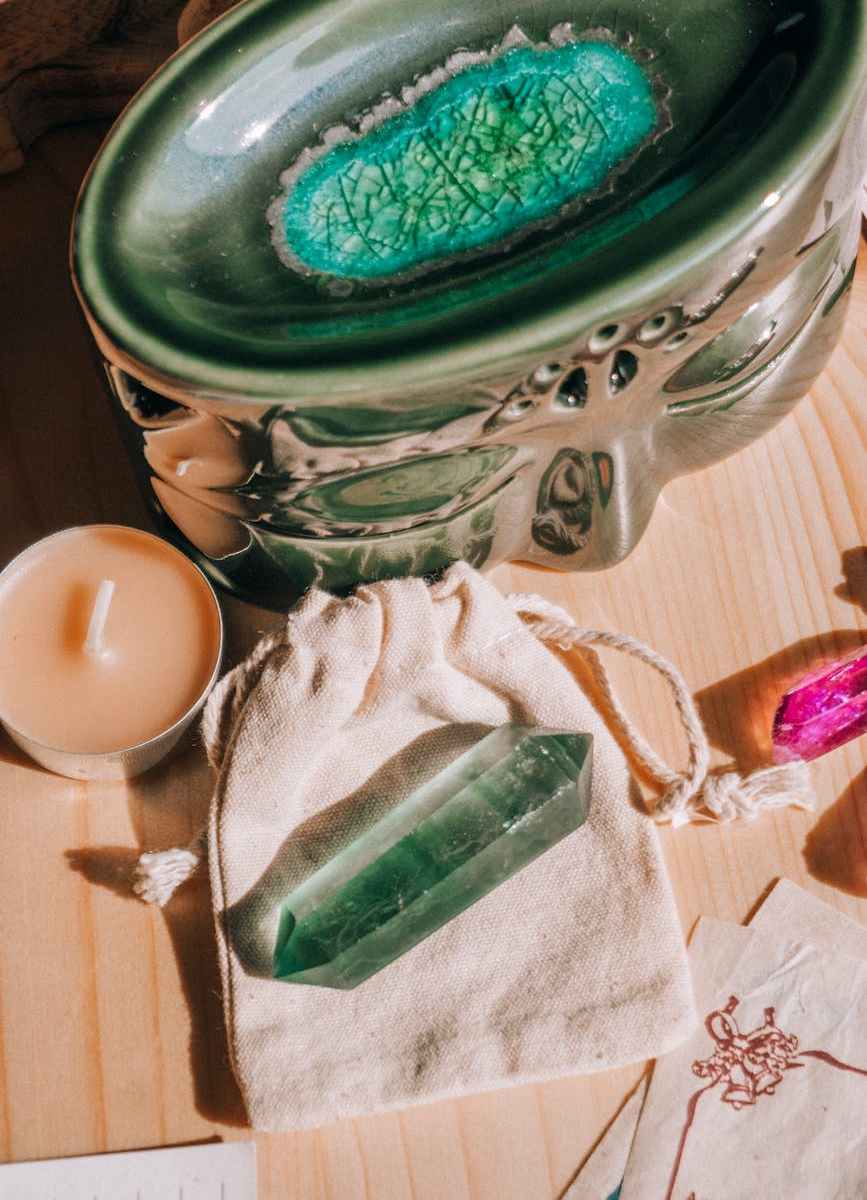
Exploring the Mystical Power of Crystals

Crystals have been revered for centuries across different cultures and civilizations for their mystical, spiritual, and healing properties. These natural gemstones were used by the ancient Egyptians, Chinese, Greeks, and Romans for protection. They also served for energy balancing and overall well-being. Today, crystals continue to be an essential part of meditation, alternative healing, and personal growth.

Introduction: The Enduring Legacy of Crystals

Crystals are more than just beautiful stones. People believe they hold unique vibrations and energy. These can influence our well-being. Their significance spans across history, from ancient civilizations to modern spiritual practices. Throughout time, cultures worldwide have harnessed the power of crystals for healing, protection, and spiritual enlightenment. People have believed in their transformative abilities for ages. This belief makes them a fascinating and essential part of holistic living today.

Gain immediate access to your FREE Crystals for Beginners content: Download Here

The History of Crystals

Crystals date back thousands of years and have played significant roles in various traditions:

  • Ancient Egypt: Crystals like lapis lazuli and carnelian were used in amulets and burial rituals. People believed these crystals provided protection and guidance in the afterlife. The Egyptians adorned themselves with these stones and placed them in tombs to ensure a safe journey to the afterlife. They also used malachite for its healing properties and turquoise for protection against negative energies.
  • Ancient China: Jade was considered a stone of purity and was often used in medicine and ceremonial objects. The Chinese believed that jade promotes longevity and good health. It was carved into intricate sculptures, worn as jewelry, and even ground into powder for medicinal purposes.
  • Greek and Roman Cultures: Crystals were worn as talismans for protection in battle and healing purposes. The word ‘crystal’ comes from the Greek word ‘krystallos,’ meaning frozen light. The Romans used crystals like hematite to boost courage and garnet for strength and vitality. Greek scholars also believed amethyst prevents intoxication and enhance mental clarity.
  • Indian and Ayurvedic Traditions: Crystals were incorporated into healing practices to balance chakras and energy flow. Ayurvedic healers used crystals to align the body’s energies. They used clear quartz to enhance spiritual connection. Rose quartz was for emotional healing.
  • Indigenous Cultures: Many indigenous tribes, including Native Americans and Australian Aboriginals, used crystals for ceremonial and healing purposes. They believed that stones like obsidian and turquoise carried the power of the Earth and could provide guidance and protection.

The Purpose of Crystals

Crystals are believed to store, amplify, and transmit energy. Their purpose varies from person to person, but common uses include:

  • Healing and Balance: Many use crystals to balance their emotional, physical, and spiritual well-being. Each crystal is thought to have unique vibrations that can interact with a person’s energy field to promote healing.
  • Meditation and Mindfulness: Crystals enhance focus, deepen meditation, and encourage self-awareness. Meditating with a crystal can help one tap into higher consciousness and achieve inner peace.
  • Energy Protection: Some crystals act as shields against negative energy, creating a safe and harmonious environment. Black tourmaline, for example, is known for its protective properties and is often used to ward off negativity.
  • Manifestation and Attraction: Crystals help attract positivity, love, abundance, and success into one’s life. Many people carry citrine to attract wealth or amethyst to enhance their intuition and spiritual growth.
  • Chakra Balancing: Different crystals are associated with different chakras in the body, helping to restore balance and harmony. For example, turquoise is linked to the throat chakra. It aids in communication. Garnet is connected to the root chakra. It provides stability and grounding.

The Benefits of Crystals

Crystals offer a wide range of benefits, including:

  • Emotional Healing: They help release negative emotions, promote self-love, and encourage forgiveness. Rose quartz is particularly known for fostering love and emotional healing.
  • Spiritual Growth: Many people use crystals to enhance their spiritual connection, intuition, and awareness. Labradorite is often used for strengthening intuition and psychic abilities.
  • Physical Well-being: Some crystals are believed to aid in physical healing by promoting circulation, reducing inflammation, and supporting overall health. For example, hematite is used to improve blood circulation, while amethyst is known for reducing stress and tension.
  • Stress Reduction: Holding or meditating with crystals like amethyst and selenite can help alleviate stress and promote relaxation.
  • Enhanced Creativity and Focus: Crystals like carnelian and fluorite help clear mental fog. They inspire creative thinking. This makes them popular among artists and writers.
  • Protection and Grounding: Certain stones, such as obsidian and black tourmaline, help create a protective barrier against negative energies. They also provide a sense of security.

Conclusion

Crystals hold a deep historical significance and continue to impact many people’s lives today. You can seek emotional healing by incorporating crystals into your daily routine. They also support spiritual growth and offer energy protection. This practice can bring balance and harmony. Explore the world of crystals and harness their powerful energy for a more mindful and positive life!

Gain immediate access to your FREE Crystals for Beginners content: Download Here

Here are some specific meditation techniques using crystals, tailored for different needs:


1. Guided Crystal Meditation for Relaxation & Stress Relief

  • Crystal to Use: Amethyst (calming), Lepidolite (stress relief), Selenite (cleansing)
  • How to Meditate:
    1. Hold an amethyst in your left hand (receiving energy) and place a selenite on your chest.
    2. Take deep breaths, visualizing a soft violet light surrounding you.
    3. Repeat the affirmation: I am calm, centered, and at peace.
    4. Listen to “Crystal Healing Meditation” on Insight Timer or YouTube (The Honest Guys).

2. Chakra Balancing Crystal Meditation

  • Crystals to Use: Clear Quartz (crown), Amethyst (third eye), Lapis Lazuli (throat), Rose Quartz (heart), Citrine (solar plexus), Carnelian (sacral), Red Jasper (root)
  • How to Meditate:
    1. Lay down and place each crystal on its corresponding chakra.
    2. Inhale deeply, visualizing energy flowing up and down your body.
    3. Chant “OM” or play “7 Chakra Healing Frequencies” on Meditative Mind (YouTube).
    4. After 10-15 minutes, remove the stones and ground yourself with black tourmaline.

3. Manifestation Meditation with Crystals

  • Crystal to Use: Citrine (wealth & success), Green Aventurine (luck), Pyrite (abundance)
  • How to Meditate:
    1. Hold a citrine in your dominant hand and visualize golden light surrounding you.
    2. Set an intention (e.g., “I am open to receiving abundance in all forms”).
    3. Play “Solfeggio Frequency 528 Hz” for manifestation (YouTube).
    4. Keep the citrine in your workspace or wallet after meditating.

4. Protection & Grounding Meditation

  • Crystals to Use: Black Tourmaline, Obsidian, Smoky Quartz
  • How to Meditate:
    1. Sit in a quiet space and place black tourmaline at your feet.
    2. Breathe deeply and visualize roots growing from your body into the Earth.
    3. Say the affirmation: I am safe, grounded, and protected.
    4. Play “Earth Grounding Frequency 432 Hz” (Insight Timer/YouTube).

5. Third Eye & Intuition Meditation

  • Crystals to Use: Labradorite, Amethyst, Lapis Lazuli
  • How to Meditate:
    1. Hold a labradorite over your third eye (forehead).
    2. Close your eyes and visualize a bright indigo light.
    3. Listen to “Third Eye Awakening Meditation” on Gaia or Insight Timer.
    4. Journal any intuitive messages after your session.