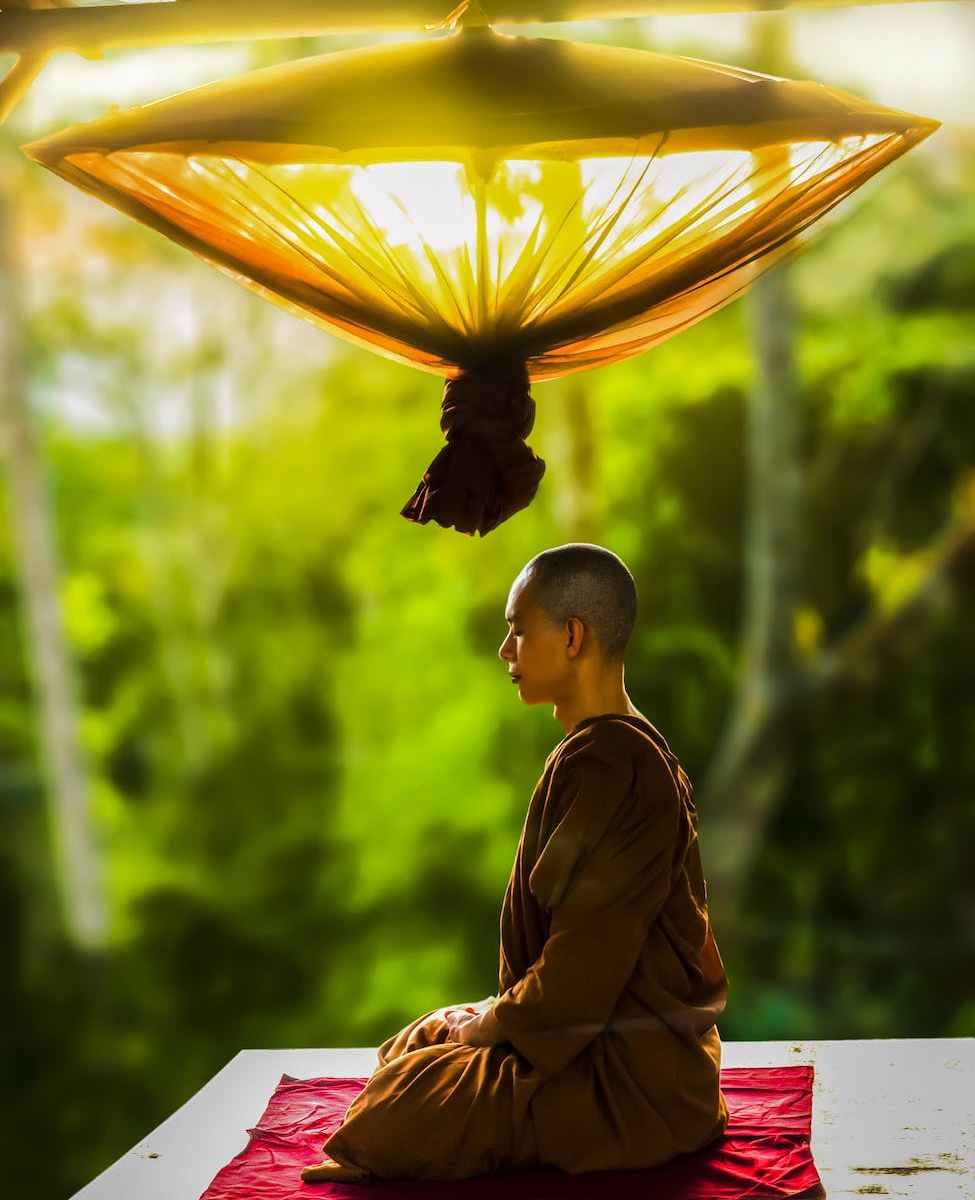
Relaxation Week: Unwind and Prepare for Restful Sleep with Restorative Yoga

Welcome to Relaxation Week! In our fast-paced world, it’s essential to carve out time to unwind and de-stress. This week, we’re focusing on incorporating restorative yoga practices into your evening routine to help you relax, calm your mind, and prepare your body for a restful night’s sleep.

Evening Routine: 10-15 Minutes to Unwind

1. Child’s Pose (Balasana) Start your relaxation journey with Child’s Pose. This gentle, grounding pose helps stretch the lower back, hips, and thighs while promoting a sense of tranquility.

  • How to Practice:
    • Begin by kneeling on the floor. Touch your big toes together and sit on your heels. Separate your knees about hip-width apart.
    • Exhale and lay your torso down between your thighs. Extend your arms forward with palms facing down, or let them rest alongside your body with palms up.
    • Rest your forehead on the mat and breathe deeply, focusing on each inhale and exhale.
  • Benefits:
    • Stretches the back, hips, and thighs
    • Relieves tension and stress
    • Calms the mind and promotes relaxation

2. Legs Up the Wall Pose (Viparita Karani) Transition into Legs Up the Wall Pose, a restorative inversion that encourages circulation and relaxation. This pose helps alleviate tired legs and feet, and it gently stretches the back of the neck and the spine.

  • How to Practice:
    • Sit with one side of your body against a wall. Lie down on your back and swing your legs up against the wall, keeping your sit bones as close to the wall as possible.
    • Extend your arms out to the sides, palms facing up, or place them on your abdomen.
    • Close your eyes and breathe deeply, maintaining this position for several minutes.
  • Benefits:
    • Reduces swelling and fatigue in the legs and feet
    • Enhances circulation
    • Relieves lower back tension
    • Promotes relaxation and stress relief

Pair with Deep Belly Breathing

While holding these restorative poses, incorporate deep belly breathing (diaphragmatic breathing) to enhance relaxation. Deep belly breathing activates the parasympathetic nervous system, which helps reduce stress and promote a sense of calm.

  • How to Practice:
    • Place one hand on your chest and the other on your abdomen.
    • Inhale deeply through your nose, allowing your abdomen to rise as you fill your lungs with air. Your chest should remain relatively still.
    • Exhale slowly through your mouth, letting your abdomen fall as you release the air.
    • Continue this breathing pattern, focusing on the rise and fall of your abdomen with each breath.
  • Benefits:
    • Reduces stress and anxiety
    • Lowers heart rate and blood pressure
    • Improves oxygen flow and promotes relaxation
    • Enhances the effectiveness of restorative yoga poses

Why Incorporate Restorative Yoga into Your Evening Routine?

  • Improved Sleep Quality: Practicing restorative yoga before bed helps prepare your body and mind for sleep, leading to better sleep quality and duration.
  • Stress Reduction: The combination of gentle poses and deep breathing reduces stress hormones and promotes a state of calm.
  • Enhanced Flexibility: Regular practice of these poses improves flexibility and releases muscle tension accumulated throughout the day.
  • Mental Clarity: Taking time to unwind and focus on your breath helps clear your mind, making it easier to fall asleep and stay asleep.

By dedicating just 10-15 minutes each evening to these restorative yoga practices and deep belly breathing, you can create a peaceful bedtime routine that supports relaxation and restful sleep. Try incorporating this routine into your nightly schedule and experience the benefits for yourself. Sweet dreams!

Best Chair Yoga for Men

Introduction: How to do chair yoga

Chair yoga offers numerous benefits for men, particularly those who may have mobility issues, are recovering from injuries, or are looking for a low-impact way to improve their physical and mental health. Here are the key benefits based on the provided sources:

Physical Benefits

1. Improved Flexibility and Mobility

Chair yoga helps to enhance flexibility and range of motion, which is crucial for performing daily activities and preventing injuries. The gentle stretches involved in chair yoga can gradually increase flexibility without putting undue stress on the body.

2. Increased Strength

Despite being a low-impact exercise, chair yoga can help build muscle strength, particularly in the core, legs, and upper body. Poses like seated twists and arm balances engage various muscle groups, promoting overall strength and endurance.

3. Better Balance and Coordination

Chair yoga improves balance and proprioception (the sense of body position), which are essential for preventing falls and maintaining stability. This is particularly beneficial for older men or those with balance issues.

4. Pain Management

Chair yoga can help reduce pain, particularly in individuals with chronic conditions like arthritis. The gentle movements and stretches can alleviate joint stiffness and improve circulation, leading to reduced pain and discomfort.

5. Enhanced Joint Health

The gentle mobilization movements in chair yoga help lubricate joints and alleviate stiffness, which is beneficial for maintaining joint health and preventing degenerative conditions.

Mental and Emotional Benefits

1. Stress Reduction

Chair yoga incorporates relaxation techniques and mindfulness, which can significantly reduce stress and anxiety. The practice of focusing on breath and body sensations helps activate the relaxation response, counteracting the effects of stress hormones like cortisol.

2. Improved Mental Clarity and Focus

The mindfulness aspect of chair yoga enhances mental clarity and focus. By directing attention to the present moment, practitioners can improve their concentration and cognitive function.

3. Enhanced Self-Efficacy and Empowerment

Successfully completing chair yoga poses can boost self-efficacy and a sense of accomplishment. This empowerment can lead to increased confidence and a more positive outlook, which are beneficial for mental health.

4. Better Sleep Quality

Regular practice of chair yoga can improve sleep quality by promoting relaxation and reducing stress. Better sleep contributes to overall well-being and can enhance daily functioning.

Accessibility and Inclusivity

1. Accessibility for All Fitness Levels

Chair yoga is highly accessible and can be practiced by individuals of all fitness levels, including those with limited mobility, balance issues, or chronic conditions. This inclusivity makes it an excellent option for men who might find traditional yoga challenging.

2. Convenience

Chair yoga can be practiced almost anywhere, including at home or in the office, making it a convenient option for incorporating physical activity into a busy schedule.

Conclusion

Chair yoga offers a comprehensive range of physical, mental, and emotional benefits for men. It improves flexibility, strength, balance, and joint health while reducing stress, enhancing mental clarity, and promoting better sleep. Its accessibility makes it suitable for men of all ages and fitness levels, providing a practical and effective way to enhance overall well-being.

How does chair yoga compare to traditional yoga for stress relief?

Chair yoga and traditional yoga both offer significant benefits for stress relief, but they cater to different needs and capabilities. Here’s a detailed comparison based on the provided sources:

Similarities in Stress Relief Benefits

1. Activation of the Relaxation Response

Both chair yoga and traditional yoga activate the parasympathetic nervous system, which helps shift the body from a state of stress (sympathetic nervous system activation) to a state of relaxation. This shift reduces heart rate, lowers blood pressure, and decreases cortisol levels, thereby alleviating stress and anxiety.

2. Mindfulness and Breathing Techniques

Both forms of yoga incorporate mindfulness and controlled breathing techniques (pranayama), which are essential for reducing stress. These practices help calm the mind, improve focus, and promote a sense of well-being.

3. Physical Postures and Movement

Engaging in physical postures, whether seated or on the floor, helps release tension stored in the body, particularly in areas like the shoulders, neck, and back. This physical release contributes to overall stress reduction.

Differences in Stress Relief Benefits

1. Accessibility and Inclusivity

  • Chair Yoga: Chair yoga is more accessible to individuals with limited mobility, balance issues, or those recovering from injuries. It allows these individuals to experience the stress-relieving benefits of yoga without the need for getting up and down from the floor, making it an excellent option for seniors, office workers, and those with physical limitations.
  • Traditional Yoga: Traditional yoga involves a wider range of poses, including standing, sitting, and floor-based postures, which may not be accessible to everyone. However, it offers a more comprehensive physical workout, which can also contribute to stress relief through more intense physical exertion.

2. Intensity and Physical Demand

  • Chair Yoga: The intensity of chair yoga is generally lower compared to traditional yoga. It focuses on gentle, supported movements that are less strenuous, making it suitable for beginners and those looking for a low-impact exercise option.
  • Traditional Yoga: Traditional yoga can vary in intensity, from gentle Hatha yoga to more vigorous styles like Vinyasa or Ashtanga. The physical demand of traditional yoga can lead to a more significant release of endorphins, which are natural stress relievers.

3. Environment and Convenience

  • routines, which can help maintain consistent practice and ongoing chair yoga

Chair yoga can be practiced almost anywhere, including at home, in the office, or in community centers, without the need for special equipment or attire. This convenience makes it easier to incorporate into daily ongoing stress relief.

  • Traditional Yoga: Traditional yoga often requires a dedicated space, a yoga mat, and sometimes additional props like blocks and straps. While this setup can create a more immersive experience, it may also present barriers to regular practice for some individuals.

Conclusion

Both chair yoga and traditional yoga are effective for stress relief, offering similar benefits through mindfulness, controlled breathing, and physical movement. Chair yoga stands out for its accessibility and convenience, making it an excellent option for those with physical limitations or busy schedules. Traditional yoga, with its varying intensity levels and comprehensive physical engagement, may provide a more robust physical workout and a different kind of stress relief experience. The choice between the two depends on individual needs, physical capabilities, and personal preferences.

“Igniting Inner Fire: Exploring the Depths of Hot Yoga”

Bikram Yoga, commonly referred to as Hot Yoga, is a distinctive form of yoga that has gained significant popularity worldwide for its unique approach and numerous health benefits. Developed by Bikram Choudhury in the 1970s, this practice follows a specific sequence of 26 postures (asanas) and two breathing exercises, all performed in a room heated to around 105 degrees Fahrenheit (40 degrees Celsius) with a humidity of 40%. The intense heat and humidity are believed to mimic the climate of India, where yoga originated, and facilitate deeper stretching, detoxification, and increased flexibility.

Originating from the traditional Hatha Yoga, Bikram Yoga is designed to work every part of the body, including muscles, ligaments, and internal organs, through a series of systematic movements. Each posture is carefully selected to target different areas of the body, providing a comprehensive full-body workout. Moreover, the heated environment promotes sweating, which is thought to aid in the elimination of toxins from the body and enhance the cleansing process.

The sequence of postures in Bikram Yoga is intended to be practiced in a specific order to maximize the benefits and ensure a safe and effective practice. The 90-minute session begins with breathing exercises to center the mind and prepare the body for the ensuing physical exertion. The series then progresses through standing postures, which focus on building strength, balance, and flexibility in the legs and core muscles. Following the standing series, practitioners move into a series of floor postures, targeting the spine, hips, and other areas that tend to hold tension and stress.

One of the defining features of Bikram Yoga is the emphasis on alignment and proper form. Practitioners are encouraged to pay close attention to their alignment and technique, ensuring that they perform each posture correctly to avoid injury and achieve maximum benefits. The heated environment not only increases flexibility but also allows muscles to warm up more quickly, reducing the risk of strains or injuries.

Beyond the physical benefits, Bikram Yoga is also known to have profound effects on mental well-being. The challenging nature of the practice, combined with the meditative aspect of focused breathing, can help alleviate stress, anxiety, and depression. Many practitioners report feeling a sense of mental clarity, relaxation, and rejuvenation after a session of Bikram Yoga.

Despite its popularity, Bikram Yoga has also been surrounded by controversy due to allegations of misconduct against its founder, Bikram Choudhury. However, many practitioners and instructors have distanced themselves from Choudhury and continue to teach and practice Bikram Yoga under different names or without association with its founder.

What are the benefits of Bikram Yoga for Men and Women?

Yoga947Channel An insight to a variation of yoga practices:

Bikram Yoga offers a multitude of benefits for both men and women, encompassing physical, mental, and emotional aspects. Here are some of the key advantages:

Physical Benefits: Bikram Yoga

  • 1)Increased Flexibility: The combination of heat and specific postures in Bikram Yoga facilitates deeper stretching, helping to improve flexibility in muscles, ligaments, and joints.
  • 2)Enhanced Strength: The series of postures in Bikram Yoga target various muscle groups, promoting strength and toning throughout the body, particularly in the core, arms, legs, and back.
  • 3)Improved Balance and Coordination: Practicing balancing postures in the heated environment challenges stability and coordination, leading to better balance and body awareness over time.
  • 4)Cardiovascular Health: The dynamic nature of Bikram Yoga, coupled with the heat, can provide a cardiovascular workout, helping to improve heart health and circulation.
  • 5)Detoxification: Sweating profusely during Bikram Yoga aids in the removal of toxins from the body, promoting detoxification and purification of the skin and organs.

Mental and Emotional Benefits: Bikram Yoga

  • 1)Stress Reduction: The meditative aspect of Bikram Yoga, combined with focused breathing, promotes relaxation and reduces stress levels, helping practitioners to unwind and find mental clarity.
  • 2)Increased Energy and Vitality: Regular practice of Bikram Yoga can boost energy levels and vitality, leaving practitioners feeling more invigorated and rejuvenated.
  • 3)Improved Concentration and Focus: The concentration required to maintain proper alignment and perform postures in the heated room enhances mental focus and concentration, both on and off the mat.
  • 4)Emotional Balance: Bikram Yoga can help regulate emotions and promote emotional well-being by releasing tension and promoting a sense of calm and equilibrium.
  • 5)Enhanced Self-Awareness: Through the process of self-reflection and mindful movement, practitioners develop a greater understanding of their bodies, minds, and emotions, fostering a deeper connection with oneself.

Gender-Specific Benefits:

Yoga947 accessories When participating in any form of yoga:

While many of the benefits of Bikram Yoga apply equally to men and women, there may be some gender-specific advantages as well:

  • 1)Men: Bikram Yoga can help men improve flexibility and mobility, which may be particularly beneficial for those engaged in sports or physically demanding activities. It also provides an opportunity for men to cultivate mindfulness and stress management skills, which can be valuable in both personal and professional life.
  • 2)Women: Bikram Yoga can support women’s reproductive health by promoting circulation to the pelvic area and reducing tension in the muscles surrounding the reproductive organs. Additionally, the detoxifying effects of Bikram Yoga may benefit women’s skin health and hormonal balance.

Overall, Bikram Yoga offers a comprehensive approach to health and well-being that can be tailored to the individual needs and goals of both men and women. Whether seeking physical fitness, stress relief, or a deeper connection with oneself, practitioners of all genders can find value in this challenging and rewarding practice.

While there is anecdotal evidence and testimonials supporting the benefits of Bikram Yoga, there is limited scientific research in the form of case studies specifically focused on this practice. However, several studies have examined the effects of hot yoga (including Bikram Yoga) on various aspects of health and well-being. 

Here are a few examples: Benefits of Bikram yoga:

  • 1)Cardiovascular Health:
    • A study published in the Journal of Science and Medicine in Sport in 2015 investigated the effects of Bikram Yoga on arterial stiffness and endothelial function in healthy young adults. The results suggested that regular practice of Bikram Yoga may lead to improvements in vascular health, potentially reducing the risk of cardiovascular disease.
  • 2)Flexibility and Range of Motion:
    • Research published in the International Journal of Yoga Therapy in 2013 examined the effects of a 16-week Bikram Yoga program on flexibility and balance in older adults. The study found significant improvements in flexibility and balance, indicating that Bikram Yoga can be beneficial for enhancing mobility and reducing the risk of falls in older populations.
  • 3)Psychological Well-Being:
    • A study published in the Journal of Bodywork and Movement Therapies in 2017 investigated the effects of hot yoga on psychological well-being in adults. The findings suggested that regular practice of hot yoga, including Bikram Yoga, was associated with improvements in mood, stress levels, and overall quality of life.
  • 4)Pain Management:
    • Research published in the Journal of Alternative and Complementary Medicine in 2016 explored the effects of Bikram Yoga on chronic low back pain. The study found that Bikram Yoga was effective in reducing pain and improving functional disability in individuals with chronic low back pain, highlighting its potential as a complementary therapy for pain management.

While these studies provide some insight into the potential benefits of Bikram Yoga, more research, including case studies, is needed to further understand its effects on various health outcomes and populations. Additionally, individual experiences with Bikram Yoga may vary, and further investigation is warranted to fully elucidate its mechanisms of action and therapeutic potential.

There are several reliable sources where you can find additional information regarding Bikram Yoga:

  • 1)Official Bikram Yoga Websites: Visit the official websites associated with Bikram Yoga for detailed information about the practice, its history, benefits, and guidelines. These websites often provide resources such as class schedules, instructor directories, and FAQs. Note that the official Bikram Yoga website might have undergone changes since the last update, so be sure to verify its authenticity.
  • 2)Books and Literature: Explore books written by Bikram Choudhury himself or by reputable authors who have expertise in Bikram Yoga. These books often delve into the philosophy, postures, and therapeutic aspects of Bikram Yoga. Some recommended titles include “Bikram’s Beginning Yoga Class” by Bikram Choudhury and “Bikram Yoga: The Guru Behind Hot Yoga Shows the Way to Radiant Health and Personal Fulfillment” by Bikram Choudhury and Bonnie Jones Reynolds.
  • 3)Online Forums and Communities: Join online forums and communities dedicated to yoga, where practitioners often discuss their experiences with Bikram Yoga, share tips, and ask questions. Websites like Reddit, Yoga Journal, and Yoga Forums can be valuable resources for connecting with fellow practitioners and gaining insights into the practice.
  • Yoga Studios and Teachers: Reach out to local yoga studios or teachers who 4)offer Bikram Yoga classes. They can provide firsthand information about the practice, class schedules, pricing, and any specific requirements for participation. Attending classes and workshops led by experienced instructors can also deepen your understanding of Bikram Yoga and enhance your practice.
  • 5)Scientific Research: Explore academic journals and research databases for studies related to Bikram Yoga. While scientific research on Bikram Yoga may be limited compared to other forms of yoga, there are still studies examining its effects on various health outcomes. PubMed, Google Scholar, and university libraries are good places to start your search.
  • 6)Documentaries and Films: Watch documentaries or films that explore Bikram Yoga and its impact on practitioners and the yoga community. Documentaries like “Bikram: Yogi, Guru, Predator” and “Yoga, Inc.” provide insights into the history, controversies, and cultural significance of Bikram Yoga.

By utilizing these resources, you can gain a comprehensive understanding of Bikram Yoga, its benefits, and its place within the broader context of yoga and wellness practices. Remember to critically evaluate information from different sources and consult with qualified instructors or healthcare professionals if you have specific questions or concerns about starting a Bikram Yoga practice.

In conclusion, Bikram Yoga, or Hot Yoga, offers a unique and intense practice that provides numerous physical and mental benefits. By combining the heat, specific sequence of postures, and focused breathing exercises, practitioners can experience increased flexibility, strength, and overall well-being. While controversies may surround its origin, the practice itself remains a powerful tool for those seeking to improve their health and enhance their yoga practice.

“Flying Together: A Journey into the Heart of AcroYoga”

AcroYoga, an innovative and captivating fusion of yoga, acrobatics, and therapeutic arts, has emerged as a vibrant and exhilarating practice in the realm of mind-body disciplines. Rooted in the principles of trust, communication, and connection, AcroYoga invites participants to explore balance, strength, and flexibility in dynamic partnership.

At its core, AcroYoga blends the ancient wisdom of yoga with the playful dynamism of acrobatics, creating a practice that transcends individual limitations and fosters deep collaboration between practitioners. Originating in the early 21st century, AcroYoga was pioneered by practitioners seeking to combine the physical challenge of acrobatics with the mindfulness and meditative qualities of yoga.

One of the defining features of AcroYoga is its emphasis on community and interpersonal connection. Practiced in pairs or groups, AcroYoga encourages participants to communicate openly, trust one another, and cultivate a sense of mutual support. Through shared breath, touch, and movement, practitioners forge profound bonds and develop a heightened awareness of themselves and their partners.

The practice of AcroYoga encompasses three primary roles: the base, the flier, and the spotter. The base serves as the foundation, providing stability and support, while the flyer embodies grace and elevation, exploring weightlessness and flight. The spotter, meanwhile, ensures safety and offers guidance, facilitating smooth transitions and empowering practitioners to push their boundaries safely.

Acro Yoga sequences typically consist of a series of dynamic poses and transitions, blending elements of acrobatics, yoga asana, and therapeutic bodywork. From playful inversions and dynamic lifts to restorative stretches and Thai massage-inspired techniques, AcroYoga offers a diverse range of movements and modalities to explore.

Beyond its physical benefits, AcroYoga offers profound psychological and emotional rewards. By fostering trust, communication, and vulnerability, AcroYoga cultivates a sense of connection and community that extends far beyond the practice mat. Through shared laughter, challenges, and triumphs, practitioners develop resilience, empathy, and a deep appreciation for the power of human connection.

As AcroYoga continues to evolve and expand, it remains a vibrant and inclusive practice accessible to individuals of all ages, abilities, and backgrounds. Whether exploring the thrill of flight, deepening interpersonal relationships, or simply seeking joy and playfulness, AcroYoga offers a transformative journey of self-discovery and connection unlike any other.

Where did Acro Yoga Begin?

AcroYoga originated in the early 21st century, with roots in the United States and influences from various movement disciplines, including yoga, acrobatics, and Thai massage. The practice was pioneered by a diverse community of practitioners seeking to combine the physical challenges of acrobatics with the mindfulness and meditative qualities of yoga. While its exact origins can be traced to specific individuals and communities, AcroYoga emerged organically through collaborative experimentation and exploration.

Despite its relatively recent inception, AcroYoga has rapidly gained popularity worldwide, attracting a growing community of enthusiasts drawn to its unique blend of strength, flexibility, and connection. Today, AcroYoga is practiced in studios, workshops, festivals, and communities across the globe, with dedicated teachers and practitioners continuing to innovate and expand upon its foundational principles.

What are the benefits of Acro Yoga?

The benefits of AcroYoga extend to both men and women, offering a holistic approach to physical, mental, and emotional well-being:

  • Physical Fitness: AcroYoga provides a full-body workout that improves strength, flexibility, and balance. The practice challenges muscles and joints in new ways, promoting functional movement patterns and enhancing overall physical fitness.
  • Core Strength: Many AcroYoga poses require core engagement to maintain stability and balance, helping to strengthen the abdominal muscles and improve posture.
  • Mindfulness and Presence: AcroYoga encourages practitioners to stay present and focused, both in their own bodies and in their connection with their partners. This mindfulness cultivates a sense of awareness and inner peace, reducing stress and anxiety.
  • Trust and Communication: Partnered AcroYoga poses rely on trust and communication between practitioners. Building trust with a partner fosters deeper connections and enhances interpersonal relationships, both on and off the mat.
  • Community and Connection: AcroYoga is often practiced in groups, creating a sense of community and camaraderie among practitioners. The shared experience of supporting and being supported by others fosters a strong sense of belonging and mutual support.
  • Playfulness and Joy: The playful nature of AcroYoga encourages practitioners to approach challenges with a sense of curiosity and joy. The practice invites exploration and experimentation, fostering creativity and spontaneity.
  • Therapeutic Benefits: AcroYoga incorporates elements of Thai massage and therapeutic touch, offering relaxation and stress relief. Partnered poses can provide gentle traction and release tension in the body, promoting physical and emotional well-being.

What are the Group benefits of participating in Acro Yoga?

Here are  hypothetical example of a group participating in AcroYoga and the potential benefits they might experience:

Case Study: “AcroYoga for Team Building and Community Bonding”

Background:

A corporate wellness program at a tech company in Silicon Valley introduces AcroYoga as a team-building activity for employees. The program aims to foster camaraderie, improve communication, and reduce stress among team members.

What types of groups participate in Acro yoga?

Participants:

The group consists of employees from various departments, ranging from software engineers to marketing specialists. While some have previous experience with yoga or acrobatics, many are beginners who are curious to try something new.

Program Structure:

The AcroYoga sessions are conducted weekly during lunch breaks in a spacious conference room. A certified AcroYoga instructor leads the sessions, guiding participants through warm-up exercises, partner drills, and beginner-friendly poses and transitions.

Who are the Beneficiaries of Acro Yoga?

  • 1)Enhanced Communication: AcroYoga requires clear communication between partners to ensure safety and coordination. Participants learn to articulate their needs, provide feedback, and support one another, strengthening interpersonal communication skills both on and off the mat.
  • 2)Trust Building: Partnered AcroYoga poses require participants to trust their partners and overcome fears of falling or failing. Through gradual progression and supportive encouragement, participants develop trust and confidence in themselves and their teammates.
  • 3)Stress Reduction: The playful and lighthearted nature of AcroYoga provides a welcome break from the demands of the workplace, allowing participants to unwind and release tension. The physical activity, combined with focused breathing and mindfulness practices, promotes relaxation and stress relief.
  • 4)Team Bonding: AcroYoga fosters a sense of camaraderie and collaboration among participants as they work together to achieve shared goals. The experience of supporting and being supported by colleagues creates a sense of unity and solidarity within the team.
  • 5)Physical Fitness: AcroYoga offers a fun and challenging workout that improves strength, flexibility, and balance. Participants engage muscles and movement patterns not typically activated in their daily routines, promoting overall physical well-being.

What is the Outcome from weeks of working in Acro Yoga?

After several weeks of participating in AcroYoga sessions, the team reports feeling more connected, energized, and motivated in the workplace. They develop a newfound appreciation for each other’s strengths and abilities, leading to improved collaboration and productivity. The AcroYoga program has become a popular and eagerly anticipated aspect of the company’s wellness initiatives, contributing to a positive and supportive work culture.

While this case study is fictional, it illustrates the potential benefits of incorporating AcroYoga into group settings for team building, community bonding, and holistic well-being.

To find more information about AcroYoga, you have several options:

  • Online Resources: There are numerous websites dedicated to AcroYoga where you can find detailed information, tutorials, articles, and resources. Some popular websites include:
    • Acro Yoga International (www.acroyoga.org): The official website of Acro Yoga International provides information about workshops, teacher training, events, and resources for practitioners of all levels.
    • AcroYoga.org: This website offers a wealth of resources, including instructional videos, articles, and a directory of certified AcroYoga teachers and events worldwide.
    • Social Media: Platforms like Instagram, Facebook, and YouTube are excellent sources for AcroYoga content. You can follow AcroYoga teachers and practitioners, join online communities, and find inspiration and tutorials for your practice.
  • Books and Publications: There are several books and publications available that delve into the practice of AcroYoga, offering detailed instructions, tips, and insights. Some recommended titles include:
  • “AcroYoga: Flight Manual” by Jason Nemer and Eugene Poku:
  • This comprehensive guidebook covers the fundamentals of AcroYoga, including poses, transitions, and techniques for practitioners of all levels.
  • Workshops and Classes: Many yoga studios and fitness centers offer AcroYoga workshops, classes, and retreats led by certified instructors. Attending a workshop or class in person can provide hands-on instruction, feedback, and opportunities to connect with other practitioners.
  • Online Courses and Video Platforms: There are numerous online platforms offering AcroYoga courses, tutorials, and instructional videos. Websites like Udemy, Skillshare, and Yoga International often feature courses taught by experienced AcroYoga instructors that you can access from the comfort of your home.
  • “Partner Yoga: Making Contact for Physical, Emotional, and Spiritual Growth” by Cain Carroll and Lori Kimata: While not exclusively focused on AcroYoga, this book explores partner yoga practices, including AcroYoga-inspired poses and sequences.
  • “Acro Yoga: Balance, Connection, and Playfulness for Couples” by Benjamin Marantz and Jenny Sauer-Klein: This book offers a beginner-friendly introduction to AcroYoga, with step-by-step instructions and illustrations for various poses and sequences.

By exploring these resources, you can deepen your understanding of AcroYoga, refine your practice, and connect with a supportive community of practitioners worldwide. Whether you’re a beginner or an experienced yogi, there’s always something new to learn and discover in the world of AcroYoga.

Remember to critically evaluate information from different sources and consult with qualified instructors or healthcare professionals if you have specific questions or concerns about starting an Arco Yoga practice.

Welcome to Yoga947, where we celebrate the unity of body, mind, and spirit through the transformative practice of Power Yoga. In this script, we delve into the myriad benefits of Power Yoga specifically tailored for men. From enhancing physical strength to fostering mental resilience, Power Yoga offers a holistic approach to well-being that resonates deeply with the masculine spirit.

Physical Strength and Endurance:

In the realm of physical fitness, Power Yoga stands as a beacon of strength and endurance. Unlike traditional perceptions of yoga as a gentle practice, Power Yoga challenges men to harness their muscular potential and push beyond limitations. Through a series of dynamic poses and flowing sequences, practitioners engage multiple muscle groups simultaneously, fostering functional strength and improving overall endurance.

Power Yoga’s emphasis on holding challenging poses builds muscular endurance, allowing men to sustain physical exertion for prolonged periods. Asanas like Warrior, Plank, and Chair Pose demand unwavering focus and determination, cultivating a resilient mindset that transcends the For men, Power Yoga offers a myriad of benefits tailored to their specific physical and mental needs. Here’s a comprehensive overview of the advantages:

  • Strength and Muscle Development: Power Yoga emphasizes holding challenging poses and flowing sequences, which engage multiple muscle groups simultaneously. This leads to enhanced muscular strength and endurance, crucial for men in various physical activities and sports.
  • Flexibility and Range of Motion: Men often have tighter muscles due to factors like increased muscle mass and less emphasis on flexibility training. Power Yoga incorporates dynamic stretching and deep tissue release, improving flexibility and promoting optimal joint mobility, reducing the risk of injuries and enhancing athletic performance.
  • Stress Reduction and Mental Clarity: In today’s fast-paced world, stress management is paramount. Power Yoga’s synchronization of breath and movement induces a meditative state, calming the mind and reducing stress levels. This cultivates mental clarity, resilience, and improved focus, essential for navigating the challenges of daily life.
  • Core Strength and Stability: A strong core is foundational for men’s physical prowess and overall health. Power Yoga’s emphasis on core engagement in poses like Plank, Boat, and Chaturanga builds deep abdominal strength and stability, improving posture, balance, and functional movement patterns.
  • Weight Management and Metabolic Boost: Power Yoga’s dynamic nature elevates heart rate and stimulates calorie burning, aiding in weight management and metabolic health. Additionally, the muscle-building effects of Power Yoga increase basal metabolic rate, facilitating long-term weight control and overall wellness.
  • Improved Athletic Performance: Power Yoga enhances overall athleticism by improving strength, flexibility, endurance, and mental focus. The functional movements and dynamic transitions in Power Yoga mimic the demands of sports and physical activities, translating into improved performance on the field, court, or gym.
  • Injury Prevention and Rehabilitation: Men are often prone to musculoskeletal injuries due to physical activities and sports. Power Yoga helps prevent injuries by promoting balanced muscle development, improving flexibility, and enhancing joint stability. It also aids in injury rehabilitation by gently strengthening injured areas and improving range of motion.
  • Increased Energy and Vitality: Regular practice of Power Yoga increases energy levels and vitality by promoting efficient circulation, oxygenation of tissues, and release of endorphins. This revitalizes the body and mind, leaving men feeling invigorated and empowered to tackle life’s challenges with vigour and enthusiasm.

yoga mat and permeates every aspect of life.

Flexibility and Mobility:

Flexibility and mobility are often overlooked facets of masculine fitness, yet they are essential for preventing injuries and optimizing performance. Power Yoga offers a comprehensive solution, seamlessly integrating flexibility-enhancing postures into its dynamic flow.

Through consistent practice, men can experience a gradual increase in joint range of motion, enabling greater ease of movement in daily activities and athletic pursuits. Poses such as Downward Facing Dog, Forward Fold, and Pigeon Pose target tight muscles and release tension, promoting suppleness and agility throughout the body.

Moreover, improved flexibility enhances functional mobility, allowing men to move with grace and fluidity in both yoga practice and everyday life. Whether reaching for a high shelf or executing a flawless Warrior III, the benefits of enhanced flexibility extend far beyond the confines of the yoga studio.

Stress Reduction and Mental Clarity:

In today’s fast-paced world, stress has become an inevitable companion, wreaking havoc on men’s mental and emotional well-being. Power Yoga offers a sanctuary amidst the chaos, providing a refuge where men can find solace and serenity amidst the storm.

Through synchronized breathwork and mindful movement, Power Yoga cultivates a state of deep relaxation, melting away tension and calming the restless mind. As practitioners flow through dynamic sequences with focused attention, the chatter of everyday concerns fades into the background, replaced by a profound sense of presence and inner peace.

Moreover, the meditative aspects of Power Yoga facilitate introspection and self-awareness, allowing men to confront and transcend the sources of stress in their lives. By tapping into the transformative power of the present moment, practitioners emerge from each practice with renewed clarity and perspective, ready to tackle life’s challenges with equanimity and resilience.

Core Strength and Stability:

A strong and stable core forms the foundation of physical prowess, enabling men to move with precision and power in any endeavor. Power Yoga, with its emphasis on functional movement patterns and core engagement, offers an unparalleled opportunity to cultivate strength from within.

Throughout each session, practitioners are challenged to activate their core muscles in a myriad of poses, from balancing postures like Boat Pose to dynamic transitions such as Chaturanga Dandasana. By honing their awareness and control over the deep stabilizing muscles of the abdomen and spine, men develop a rock-solid foundation that supports them in all their athletic pursuits and daily activities.

Moreover, a strong core is essential for maintaining proper posture and alignment, preventing injuries and promoting optimal biomechanics. As men strengthen their core through Power Yoga, they experience a newfound sense of vitality and resilience that radiates from the inside out.

Weight Management and Metabolic Boost:

Maintaining a healthy weight and optimizing metabolic function are paramount for men’s long-term health and vitality. Power Yoga offers a multifaceted approach to weight management, combining cardiovascular benefits with muscle-building and calorie-burning effects.

The dynamic nature of Power Yoga keeps the heart rate elevated throughout the practice, stimulating the cardiovascular system and promoting efficient calorie expenditure. Additionally, the strength-building component of Power Yoga accelerates muscle development, which in turn increases metabolic rate and enhances fat-burning capacity even at rest.

Furthermore, the mindful approach of Power Yoga extends beyond the physical realm, fostering a holistic awareness of nutrition and lifestyle choices. By cultivating mindfulness around eating habits and stress management, men can achieve sustainable weight management goals that nourish both body and soul.

Unlocking the Potential of Power Yoga:

Power Yoga is more than just a physical exercise; it is a holistic practice that harmonizes body, mind, and spirit. Through a dynamic sequence of asanas (poses) and vinyasas (flowing movements), Power Yoga cultivates strength, flexibility, and mental clarity. Each breath becomes a conduit for transformation, guiding practitioners deeper into the present moment and awakening a profound sense of vitality and aliveness.

Balancing Strength and Flexibility:

One of the defining features of Power Yoga is its emphasis on balancing strength and flexibility. Unlike traditional perceptions of yoga as a gentle practice, Power Yoga challenges individuals to harness their physical prowess and push beyond their comfort zones. Through a combination of static holds and fluid transitions, practitioners build functional strength while simultaneously increasing flexibility, creating a harmonious synergy between power and grace.

Cultivating Mental Resilience:

In addition to its physical benefits, Power Yoga offers profound mental and emotional rewards. The dynamic nature of the practice demands unwavering focus and presence, cultivating a resilient mindset that transcends the challenges of everyday life. As practitioners flow through each sequence with intention and awareness, they learn to navigate adversity with grace and equanimity, tapping into an inner reservoir of strength and resilience.

 Power Yoga is a potent vehicle for transformation, offering a holistic approach to well-being that resonates deeply with the human spirit. At Yoga947, we invite you to explore the transformative power of Power Yoga, to unlock the boundless potential that resides within and to embrace the journey of self-discovery with open arms. Join us as we unite body, mind, and spirit in the sacred practice of Power Yoga, and together, let us embark on a journey of strength and serenity.

 How often should power yoga training be used, and Why men should perform Power yoga.

Benefits of Power Yoga for Men:

Power Yoga offers a multitude of benefits uniquely tailored for men, addressing both physical and mental aspects of well-being. From enhancing strength and flexibility to promoting stress reduction and mental clarity, Power Yoga empowers men to unlock their full potential and thrive in every aspect of life.

Strength and Endurance:

Power Yoga challenges men to harness their muscular potential through dynamic sequences and challenging poses. By engaging multiple muscle groups simultaneously, Power Yoga builds functional strength and enhances endurance, enabling men to tackle physical challenges with confidence and resilience.

Flexibility and Mobility:

Flexibility and mobility are essential components of men’s fitness, contributing to optimal performance and injury prevention. Power Yoga’s emphasis on dynamic stretching and deep tissue release improves joint range of motion, allowing men to move with grace and fluidity in their daily lives and athletic pursuits.

Stress Reduction and Mental Clarity:

In today’s fast-paced world, stress has become a ubiquitous companion, impacting men’s mental and emotional well-being. Power Yoga provides a sanctuary where men can release tension, quiet the mind, and cultivate a sense of inner peace and serenity amidst the chaos of daily life.

Core Strength and Stability:

A strong and stable core forms the foundation of physical prowess, enabling men to move with precision and power in any endeavor. Power Yoga’s focus on core engagement and functional movement patterns strengthens the deep stabilizing muscles of the abdomen and spine, enhancing balance, posture, and overall athletic performance.

Weight Management and Metabolic Boost:

Maintaining a healthy weight and optimizing metabolic function are paramount for men’s long-term health and vitality. Power Yoga’s dynamic nature elevates heart rate, stimulates calorie expenditure, and accelerates muscle development, promoting efficient weight management and metabolic health.

How Often Should Power Yoga Training Be Used:

The frequency of Power Yoga training depends on individual goals, fitness level, and lifestyle. For optimal results, men are encouraged to practice Power Yoga at least 3-4 times per week, allowing for adequate rest and recovery between sessions. Consistency is key, as regular practice yields cumulative benefits and enhances physical and mental resilience over time.

Why Men Should Perform Power Yoga

Men should perform Power Yoga to cultivate holistic well-being, unlock their full potential, and thrive in every aspect of life. Power Yoga offers a dynamic and invigorating practice that challenges men to push beyond their limits, fostering strength, flexibility, and mental resilience. By embracing the transformative power of Power Yoga, men can embody vitality, balance, and inner peace, empowering themselves to live life to the fullest.

Remember to critically evaluate information from different sources and consult with qualified instructors or healthcare professionals if you have specific questions or concerns about starting any Power Yoga practice.

In conclusion, Power Yoga offers a wealth of benefits tailored specifically for men, from enhancing physical strength and flexibility to fostering mental resilience and stress reduction. Through consistent practice, men can unlock their full potential, embodying strength, vitality, and inner peace on and off the yoga mat. Join us at Yoga947 as we embark on this transformative journey together, uniting body, mind, and spirit in pursuit of holistic well-being.

Results and Accessories of a 20-Minute Yoga Workout

Today additional essentials derived from a 20-Minute Yoga Workout

Engaging in a 20-minute yoga workout can have tremendous benefits for both your physical and mental well-being. Not only does it invigorate your body and increase flexibility, but it also helps in boosting energy levels and reducing stress.

Yoga poses, combined with controlled breathing and meditation, facilitate the release of endorphins, which are natural feel-good chemicals in the brain. These endorphins not only uplift your mood but also provide a burst of energy, making you feel more alert and focused throughout the day.

By regularly practicing yoga, you can also significantly reduce stress levels. Yoga encourages relaxation and tranquility, allowing you to let go of tension and worries. It promotes mindfulness and a connection between your mind and body, leading to a calmer state of being. This, in turn, helps to lower cortisol, the stress hormone, and promotes an overall sense of well-being.

Furthermore, yoga acts as a natural energizer by improving blood circulation and oxygen flow. The various poses and stretches stimulate the body’s vital energy centers, known as chakras, helping to unblock any energy stagnation and revitalizing your entire system. As a result, you feel rejuvenated and refreshed, ready to take on whatever challenges come your way.

Powerful Poses: Unleashing Inner Strength in Just Minutes

One of the remarkable benefits of practicing yoga is the ability to tap into our inner strength and cultivate a sense of power and resilience. In just a few minutes, you can engage in powerful yoga poses that not only strengthen your body but also empower your mind. Let’s explore some of these poses that can help you unleash your inner strength in just minutes:

1. Warrior II Pose (Virabhadrasana II): This iconic pose not only builds strength in the legs and core but also instills a sense of confidence and determination. Stand with your feet wide apart, turn your right foot outward, and bend your right knee. Extend your arms parallel to the ground, keeping them in line with your shoulders. Gaze over your right hand and feel the steady power radiating from within.

Review 1: Empowered Warrior Pose – Sarah’s Success Story

Sarah, a busy professional and mother of two, discovered the transformative power of a 20-minute yoga workout that incorporated the Warrior Pose. She began her journey seeking a balance between work, family, and personal well-being. The Warrior Pose not only strengthened her body but also empowered her mind. Sarah found herself conquering daily challenges with newfound resilience. The grounding nature of the pose instilled a sense of inner strength, making her feel like a warrior both on and off the mat.

2. Tree Pose (Vrikshasana): Balance is an essential aspect of inner strength, and the Tree Pose is perfect for cultivating both physical and mental stability. Begin by standing tall and shifting your weight to your left foot. Place your right foot on your inner left thigh, with toes pointing downward. Bring your hands to a prayer position in front of your heart, and find a steady focal point ahead. Feel a deep connection to the earth, as if growing roots, and draw strength from this groundedness.

Review 2: Rooted in Balance – John’s Journey with the Tree Pose

John, a fitness enthusiast with a hectic schedule, incorporated the Tree Pose into his brief daily yoga routine. This simple yet powerful pose became a symbol of balance in his life. As he grounded one foot firmly into the earth and reached towards the sky, John felt a profound connection to his surroundings. The Tree Pose not only improved his physical balance but also translated into a heightened sense of stability in his personal and professional life. John now swears by this pose as a source of strength and equilibrium.

.

3. Child’s Pose (Balasana): While it may seem simple, this pose has a profound calming effect on the mind and allows for introspection and self-reflection. Kneel on the floor, sitting back on your heels. Extend your arms forward and lower your torso between your thighs, resting your forehead on the mat. Breathe deeply and surrender any tension or worries, allowing yourself to feel strong and supported by the gentle embrace of this pose.

Review 3: Nurturing Stillness with Child’s Pose – Maria’s Testimonial

Maria, a passionate yoga practitioner, found solace and rejuvenation in the Child’s Pose during her short, daily yoga sessions. As a mother, wife, and career woman, Maria often struggled with stress and fatigue. The gentle stretch and surrender of the Child’s Pose became her sanctuary. This restorative pose allowed her to release tension and embrace a moment of stillness amid life’s chaos. Maria attests that the Child’s Pose is not just a physical exercise but a mental and emotional reset, providing her with the energy and clarity needed to face each day with renewed vigor.

Enhancing Your Routine: Must-Have Props and Accessories

When it comes to maximizing the effectiveness and enjoyment of your 20-minute yoga workout, having the right props and accessories can make all the difference. While yoga is generally a minimalist practice that requires only a mat, there are several additional items that can enhance your routine and take your practice to the next level.

First and foremost, investing in a quality yoga mat is essential. A good mat provides stability and support, allowing you to fully engage in your poses without slipping or experiencing discomfort. Look for a mat that is thick enough to cushion your joints yet not too thick that it compromises your balance. Additionally, consider investing in a mat that is made from eco-friendly materials such as natural rubber, as this not only benefits the environment but also helps to avoid exposure to harmful toxins.

Another must-have prop is a set of yoga blocks. These versatile tools assist in maintaining proper alignment, increasing flexibility, and deepening stretches. Whether you are a beginner or an experienced yogi, blocks are invaluable for modifying poses and providing support when needed. Choose blocks made from foam or cork for durability and optimal grip.

Beyond the Mat: Integrating Mindfulness into Daily Life

A 20-minute yoga workout not only helps improve flexibility and strength, but it also provides a great opportunity to practice mindfulness. Mindfulness is the act of being fully present and aware of what is happening in the present moment without judgment. While yoga poses engage and challenge the body, the practice also encourages practitioners to stay connected to their breath and sensations, cultivating a sense of mindfulness that can extend beyond the mat.

One way to integrate mindfulness into daily life after a yoga workout is to bring awareness to daily activities. Whether it’s brushing your teeth or eating a meal, paying attention to the present moment can help bring a sense of calm and clarity. Mindful eating, for example, involves savoring each bite, noticing the flavors and textures, and fully engaging with the experience of nourishing your body. Similarly, paying attention while performing routine tasks allows you to bring your full presence into the task at hand, reducing stress and increasing overall well-being.

Another way to cultivate mindfulness throughout your day is by incorporating short mindfulness practices. Taking a few minutes to practice deep breathing exercises or guided meditation can help you maintain a sense of calm and focus even during hectic times for example listening to the Yoga947 channel. These practices can be done in the comfort of your home, during a break at work, or even during your commute. By regularly carving out small pockets of time for mindfulness, you can train your mind to be more present and aware, leading to increased productivity, reduced stress, and an overall improved sense of well-being.

Finding 20-minute yoga classes and educational content online is quite accessible, thanks to the abundance of resources on the internet. Here are a few places where you can explore and find what you’re looking for:

  • YouTube:
    • YouTube is a treasure trove of yoga classes for all duration’s. Many experienced yoga instructors upload short and effective 20-minute sessions. Search for specific poses or general 20-minute yoga routines.
  • Yoga Apps:
    • Numerous yoga apps offer short-duration classes catering to various levels of expertise. Apps like “Yoga for Beginners,” “Daily Yoga,” or “Yoga for All” often have sessions tailored to specific time constraints.
  • Online Yoga Platforms:
    • Websites like Glo.com, Gaia yoga, and Yoga with Adriene offer a variety of yoga classes, including shorter sessions. You may need a subscription for some platforms, but many offer free trials.
  • Social Media:
    • Instagram and Facebook have many yoga instructors sharing quick routines. You can follow hashtags like #20MinuteYoga or #QuickYoga for inspiration. Many yoga instructors also conduct live sessions on these platforms.
  • Fitness Blogs and Websites:
    • Explore fitness blogs and wellness websites. Many bloggers and fitness enthusiasts share their 20-minute yoga routines along with detailed instructions and tips.
  • Online Yoga Communities:
    • Websites like Yoga Forums or Reddit’s r/yoga can be great places to ask for recommendations. Yoga communities often share links to useful content, and you might find suggestions from people who have tried and enjoyed specific routines. 
    • Educational Platforms:
      • Platforms like Coursera.org or Udemy.com might have courses on short yoga routines. Instructors often provide video content along with educational materials to deepen your understanding of the practice.

Remember to check the credentials and reviews of the instructors or platforms to ensure the quality of the content. Always prioritize safety and listen to your body during any yoga practice.

In conclusion, integrating 20-minute yoga practice sessions into the daily routine has proven to be a universally beneficial and time-efficient approach for both males and females. These brief yet focused sessions offer a myriad of advantages, including increased flexibility, improved mental clarity, enhanced physical strength, and a profound sense of overall well-being. Regardless of gender, the accessibility and adaptability of 20-minute yoga make it a feasible and sustainable wellness practice, providing individuals with a holistic and rejuvenating experience that contributes positively to both physical and mental health. Embracing these brief moments of mindful movement fosters a balanced and harmonious lifestyle for men and women alike.

Namaste!

From Gym to Zen: How Yoga Complements Men’s Fitness Routines

Introduction:

In a world where high-intensity workouts and muscle gains often dominate the fitness scene, there’s a subtle yet powerful force making its mark – yoga. Often associated with tranquility and flexibility, yoga is breaking stereotypes and finding its place in the routines of men who are looking to enhance not only their physical strength but also their overall well-being. Today, we explore the symbiotic relationship between traditional gym workouts and the zen-like embrace of yoga.

Section 1: Beyond Reps and Sets – The Holistic Approach

Traditional gym workouts often focus on building muscle mass, strength, and endurance through rigorous sets and repetitions. While this approach is undoubtedly effective, it can sometimes neglect the holistic well-being of the individual. Enter yoga, a practice that complements these goals by offering a holistic approach to fitness. Yoga not only builds strength but also enhances flexibility, balance, and mental focus – elements that can often be overlooked in a typical gym routine.

Section 2: Flexibility as the Secret Weapon

In the pursuit of strength, the importance of flexibility is sometimes underestimated. Yoga brings a new dimension to fitness by incorporating poses that target and improve flexibility. Men who integrate yoga into their routine often find that increased flexibility not only aids in preventing injuries during their regular workouts but also enhances overall athletic performance. From the warrior poses to the gentle stretches, yoga opens up new possibilities for a more agile and resilient physique.

Section 3: Mind-Body Harmony – Redefining Strength

One of the most significant contributions yoga makes to men’s fitness routines is its emphasis on mind-body connection. Gym workouts often focus on the physical aspects of strength, but yoga adds a layer of mental resilience. The practice of mindful breathing, meditation, and being present in each movement not only reduces stress but also helps men approach their fitness goals with a calm and focused mindset. This mental fortitude can be the key to pushing through challenges and breaking personal records.

Section 4: Recovery and Injury Prevention

Intense gym sessions can take a toll on the body, leading to sore muscles and the risk of injuries. Yoga provides a perfect counterbalance by offering gentle stretches and poses that promote recovery and prevent injuries. The controlled movements in yoga can aid in better joint health, flexibility, and an overall sense of well-being. Men who incorporate yoga into their routine often report faster recovery times and a reduced likelihood of workout-related injuries.

Yoga and traditional fitness activities can complement each other synergistically, offering a holistic approach to physical well-being. While traditional fitness activities like weight training, cardio exercises, and sports focus on strength, endurance, and agility, yoga brings a unique set of benefits that enhance overall athletic performance, prevent injuries, and contribute to a well-rounded approach to physical fitness, especially for men.

Yoga947

Improved Flexibility:

  • Yoga emphasizes stretching and flexibility, helping to increase the range of motion in joints and muscles. This enhanced flexibility can translate to improved performance in traditional fitness activities, allowing for a fuller range of motion in exercises and reducing the risk of muscle strains.

Enhanced Strength and Stability:

  • Yoga involves holding various poses that require strength and stability. These isometric contractions target and engage different muscle groups, contributing to overall strength development. Improved stability can lead to better balance and coordination, essential for activities that involve dynamic movements.

Balanced Muscle Development:

  • Traditional fitness routines often focus on specific muscle groups, leading to muscular imbalances. Yoga, on the other hand, promotes balanced muscle development as many poses engage multiple muscle groups simultaneously. This helps prevent overuse injuries and contributes to a more symmetrically toned physique.

Mind-Body Connection:

  • Yoga places a strong emphasis on the mind-body connection through breath control and mindfulness. This mental focus can enhance concentration and awareness during traditional fitness activities. Improved mental resilience can contribute to better performance and quicker recovery from intense workouts.

Injury Prevention:

  • Yoga helps improve body awareness and alignment, reducing the risk of injuries during other physical activities. The emphasis on controlled movements and proper form in yoga can carry over to traditional exercises, ensuring a safer workout experience.

Increased Recovery:

  • The relaxation and meditation aspects of yoga can aid in recovery by reducing stress and promoting better sleep. This is crucial for athletes as adequate rest and recovery are essential for optimal performance and injury prevention.

Improved Breathing Efficiency:

  • Yogic breathing techniques (pranayama) enhance lung capacity and respiratory efficiency. This can benefit cardiovascular fitness, endurance, and overall stamina during traditional fitness activities.

Joint Health:

  • Yoga includes gentle movements that promote joint health and flexibility. This is particularly beneficial for athletes engaged in high-impact or repetitive motion activities, as it can help prevent joint stiffness and reduce the risk of chronic conditions like arthritis.

Overall Well-Being:

  • Yoga goes beyond physical fitness, addressing mental and emotional well-being. The reduction of stress through yoga practices can positively impact hormone balance, immune function, and recovery, contributing to a healthier and more resilient body.

Yoga Accessories

Here are testimonials from Men and Women who have experienced the benefits of combining gym workouts with Yoga routine.

Keep in mind that individual experiences may vary, and it’s always a good idea to consult with a healthcare professional or fitness expert before making significant changes to your exercise routine.

Testimonial 1: Mary’s Journey to Balance

I used to focus solely on weightlifting at the gym, pushing my limits without paying much attention to flexibility and mindfulness. When a friend suggested incorporating yoga into my routine, I was skeptical at first. However, after a few weeks of consistent practice, I noticed a significant improvement in my overall well-being. Yoga helped me balance out the intensity of my workouts, reduced muscle soreness, and enhanced my flexibility. Now, I feel stronger, more centered, and better equipped to handle the challenges of my busy life.”

Testimonial 2: John’s Fitness Transformation

“As a fitness enthusiast, I was always chasing the next challenge in the gym. While I loved the strength gains, I started experiencing stiffness and tightness. Introducing yoga into my routine was a game-changer. The combination of weightlifting and yoga not only improved my physical performance but also alleviated nagging aches and pains. The mindfulness aspect of yoga has made me more aware of my body, helping me prevent injuries and fostering a sense of inner peace.”

Testimonial 3: Sarah’s Stress Relief Journey

“Working a demanding job and hitting the gym regularly took a toll on my stress levels. I decided to give yoga a try, hoping to find some relief. Incorporating yoga into my weekly routine turned out to be a game-changer. The deep breathing and relaxation techniques helped me manage stress, and the physical benefits were a bonus. I now look forward to my yoga sessions as a time to unwind, distress, and reconnect with my body. It has become an essential part of my self-care routine.”

These testimonials highlight the potential benefits of combining gym workouts with a yoga routine, including improved balance, enhanced flexibility, reduced muscle soreness, injury prevention, and stress relief. It’s essential to listen to your body and tailor your fitness routine to meet your individual needs and goals.

How do I incorporate Yoga into a regular Gym Workout Schedule, such as setting aside specific days or dedicating certain parts of the workout to yoga practice?

Incorporating yoga into your regular gym workout schedule can be a great way to balance strength training with flexibility and mindfulness. Here’s a guide on how to integrate yoga into your routine:

Option 1: Dedicated Yoga Days

1. Designate specific days: Choose specific days of the week dedicated to yoga. For example, you could do yoga on your rest or active recovery days. This helps create a routine and ensures you allocate time specifically for yoga.

2. Balance intensity: If you have intense gym workouts on certain days, schedule yoga on the day after to aid recovery. Yoga can help release tension in muscles and improve flexibility, complementing the effects of your strength training.

3. Vary yoga intensity: On days with lighter gym sessions, consider more vigorous yoga practices like power yoga or vinyasa. On days with intense workouts, opt for gentle or restorative yoga to promote recovery.

Option 2: Integrate Yoga Within Gym Sessions

1. Warm-up with yoga: Start your gym workouts with a brief yoga warm-up. Include dynamic stretches, sun salutations, or other yoga poses to prepare your body for the upcoming strength training exercises.

2. Yoga between sets: Incorporate short yoga sequences or stretches between sets. For example, after completing a set of weightlifting, take a minute to perform a few yoga poses targeting the muscle groups you just worked.

3. Cool down with yoga: End your gym sessions with a longer yoga cool-down. This can include static stretches, deep breathing, and relaxation poses. This helps improve flexibility, prevent stiffness, and promote relaxation.

Option 3: Combination Workouts

1. Fusion classes: Attend fusion classes that combine yoga with strength training. Some fitness studios offer classes that seamlessly blend yoga and traditional gym exercises. This can be a time-efficient way to get the benefits of both in a single session.

2. Circuit training: Create a circuit that alternates between gym exercises and yoga poses. For example, you could do a set of weightlifting followed by a series of yoga poses. This keeps your heart rate up while incorporating flexibility work.

3. Cross-training: Instead of dedicating specific days to gym or yoga, mix and match throughout the week. This approach provides variety and allows you to adapt your routine based on your energy levels and fitness goals for the day.

Tips for Success:

Consistency is key: Stick to your chosen schedule to experience the full benefits of combining gym workouts and yoga.

Listen to your body: Pay attention to how your body responds to the combined routine. Adjust the intensity and duration of yoga based on your recovery needs.

Set realistic goals: Establish achievable goals for both your gym workouts and yoga practice to maintain a balanced and sustainable routine.

Remember, the goal is to create a routine that works for you and enhances your overall well-being. Feel free to experiment with different approaches until you find the combination that best fits your preferences and lifestyle.

To help men learn more about incorporating yoga into their routines, there are various online resources, classes, and platforms available. Here are some recommendations:

Online Platforms:

YouTube:

  • Many yoga instructors and fitness channels on YouTube offer free yoga sessions. Channels like “Yoga with Adriene” and “Fightmaster Yoga”or Yoga947 provide a variety of practices suitable for all levels.

Fitness Apps:

  • Apps like Down Dog, Asana Rebel, and Yoga for Men often have tailored yoga routines for men, including different levels and focuses.

Online Classes:

Yoga Websites:

  • Websites like Yoga International, Gaiam, and Yoga with Tim offer online classes with a variety of styles and levels. They may have specific classes tailored for men.

Fitness Platforms:

  • Platforms like Peloton and Beachbody On Demand have yoga classes as part of their broader fitness programs. These platforms may offer classes suitable for men.

Local Yoga Studios:

Local Studios and Gyms:

  • Check with local yoga studios or gyms. Many offer classes for men, and instructors can provide personalized guidance.

Community Centers:

  • Community centers often host yoga classes and may have sessions specifically designed for men. Check with your local community center or recreational facilities.

Social Media:

Instagram and Facebook:

  • Many yoga instructors and studios share short yoga routines on Instagram and Facebook. You can follow specific hashtags like #MenWhoYoga to find content tailored for men.

Books and Guides:

Books on Yoga for Men:

  • Look for books specifically focused on yoga for men. “The Key Muscles of Yoga” by Ray Long or “The Heart of Yoga: Developing a Personal Practice” by T.K.V. Desikachar are informative reads.

Online Guides:

  • Websites like Men’s Health often feature articles and guides on incorporating yoga into fitness routines. Search for topics related to yoga for men on reputable health and fitness websites.

Local Classes and Workshops:

Local Yoga Events:

  • Attend local yoga events or workshops. This provides an opportunity to learn from instructors in person and connect with the local yoga community.

Yoga Retreats:

  • Consider attending a yoga retreat that includes classes tailored for men. Retreats offer immersive experiences and a chance to deepen your yoga practice.Remember to choose resources that align with your fitness level, goals, and preferences. Whether you prefer in-person classes, online videos, or a combination of both, finding the right resources can significantly enhance your experience of incorporating yoga into your routine.

Conclusion:

In the journey from the gym to zen, men are discovering the transformative power of combining traditional workouts with the holistic practices of yoga. The fusion of strength training and mindful movement creates a well-rounded fitness routine that not only builds muscles but also enhances flexibility, mental focus, and overall well-being. So, whether you’re a seasoned gym-goer or a newcomer to fitness, consider adding a touch of zen to your routine – your body and mind will thank you.

 After all, true strength lies not only in the weights you lift but in the balance you achieve.

Namaste my friends!

Silva Method

My Day Alpha 3-2-1 Method.

The Jose Silva 3-2-1 Method, also known as the Silva Method, is a self-help and personal development technique created by Jose Silva in the 1960s. This method is designed to tap into the power of the mind and improve various aspects of life by using relaxation, visualization, and intuition development techniques. Emphasizing the alpha level of mind—a relaxed and receptive state of consciousness—the Silva Method aims to enhance focus, reduce stress, and aid in goal setting and achievement. This practice has been utilized by individuals seeking self-improvement, stress reduction, and personal growth by harnessing the innate abilities of the mind to positively influence their lives. Through a combination of relaxation exercises, mental programming, and intuitive development, the Silva Method offers a holistic approach to empower individuals in achieving their goals and fostering personal well-being.

Here are some of the benefits of practicing the Jose Silva 3 -2- 1 method:

  • 1. Stress Reduction:
    • One of the primary benefits of the Silva 3 to 1 method is its ability to help reduce stress. The method involves relaxation exercises, deep breathing, and visualization techniques, all of which can promote a sense of calm and relaxation. By regularly practicing these techniques, individuals can manage stress more effectively and reduce the negative impact it has on their physical and mental health.
    • 2. Improved Focus and Concentration:
  • The Silva Method emphasizes the use of visualization and mental imagery to improve focus and concentration. By regularly practicing these techniques, individuals can enhance their ability to concentrate on tasks, set clear goals, and stay motivated to achieve them. This can lead to increased productivity and better decision-making
  • 3. Enhanced Problem-Solving Skills:
    • The method encourages creative problem-solving by engaging the intuitive mind. Silva practitioners are taught to tap into their intuition and use it to find solutions to various challenges. This can be particularly useful in situations where logical thinking alone may not provide a satisfactory answer.
  • 4. Better Self-Confidence:
    • The Silva 3 to 1 method incorporates exercises that boost self-confidence and self-esteem. By using positive affirmations and visualization techniques, individuals can overcome self-doubt and develop a more positive self-image. Increased self-confidence can have a significant impact on personal and professional success.
  • 5. Improved Health and Well-Being:
    • Regular practice of the Silva Method is believed to promote physical and mental well-being. The relaxation techniques can help reduce the risk of stress-related illnesses, such as hypertension and anxiety disorders. Additionally, improved mental focus and emotional balance can contribute to better overall health.
  • 6. Enhanced Intuition:
    • Jose Silva’s method places a strong emphasis on developing and trusting one’s intuition. Through meditation and guided exercises, individuals can learn to access their intuitive insights more readily. This can be valuable in decision-making, problem-solving, and navigating life’s challenges.
  • 7. Goal Achievement:
    • The Silva Method teaches individuals how to set and achieve their goals effectively. By using visualization techniques and mental rehearsals, practitioners can program their subconscious minds to work towards their desired outcomes. This can lead to greater success in various areas of life, including career, relationships, and personal development.
  • 8. Increased Mind-Body Connection:
    • Silva’s approach encourages individuals to recognize and harness the connection between their thoughts and physical well-being. This can lead to improved health and a greater sense of control over one’s body.
  • The Silva Method emphasizes the use of visualization and mental imagery to improve focus and concentration. By regularly practicing these techniques, individuals can enhance their ability to concentrate on tasks, set clear goals, and stay motivated to achieve them. This can lead to increased productivity and better decision-making.

It’s important to note that while many people have reported positive experiences with the Silva 3 to 1 method, its effectiveness can vary from person to person. The benefits mentioned above are anecdotal and based on personal accounts. As with any self-help or personal development practice, individual results may depend on factors such as commitment to regular practice, belief in the method, and the specific goals of the practitioner.

The Silva Method is a self-help and personal development program that is based on the belief that individuals can harness the power of their mind to achieve their goals and improve various aspects of their lives. The method is rooted in several key principles and techniques, including:

Mindful Yoga

  • Relaxation:
    • Central to the Silva Method is the concept of deep relaxation. Practitioners are taught to enter a deep state of relaxation, often referred to as the “alpha level” of mind, which is associated with a calm and receptive state of consciousness. This relaxation is achieved through techniques such as deep breathing and progressive muscle relaxation.
  • Visualization:
    • Visualization is a fundamental component of the Silva Method. Practitioners are encouraged to use their creative imagination to visualize their desired outcomes. This involves mentally rehearsing the achievement of their goals, whether they are related to personal development, health, career, or relationships.
  • Mental Programming:
    • The method teaches individuals how to use positive affirmations and statements to program their subconscious mind. By repeating affirmations and focusing on positive thoughts, practitioners aim to replace negative beliefs and self-doubt with constructive and empowering beliefs.
  • Intuition Development:
    • Silva Method practitioners are guided in developing their intuition and relying on it for decision-making and problem-solving. Techniques are taught to help individuals access intuitive insights and trust their inner guidance.
  • Goal Setting:
    • The Silva Method emphasizes setting clear, specific, and achievable goals. Practitioners are encouraged to write down their goals, visualize their attainment, and use mental programming to facilitate goal achievement.
  • Mind-Body Connection:
    • This method acknowledges the connection between thoughts and physical well-being. Techniques are designed to promote health and healing by using the power of the mind to influence the body’s healing processes.

The Silva Method typically involves attending seminars, workshops, or using self-guided audio programs to learn and practice these techniques. Participants are guided through exercises that help them reach a state of deep relaxation, access their intuitive mind, and apply these skills to various aspects of their life, such as improving health, achieving goals, reducing stress, and enhancing personal development.

The method’s effectiveness is often attributed to the idea that when the mind is in a relaxed and focused state, it is more receptive to positive suggestions and can better manifest desired outcomes. However, it’s essential to recognize that individual results may vary, and the Silva Method, like many personal development practices, relies on the individual’s commitment to regular practice and belief in its principles.

The Silva Method, as a holistic and self-help practice, has not been widely studied or subjected to extensive scientific research in the same way that medical treatments or therapeutic interventions often are. Therefore, there is limited scientific evidence to support its effectiveness. However, there are some studies and research areas related to the individual components of the method, such as relaxation, visualization, and meditation, which have been examined in scientific literature. Here are some relevant points:

  • Relaxation and Stress Reduction:
    • Various studies have established the benefits of relaxation techniques, including reduced stress and anxiety. For example, a review published in the journal “JAMA Internal Medicine” in 2014 found that mindfulness meditation, which shares some similarities with the Silva Method in terms of relaxation, can lead to reductions in anxiety, depression, and pain.
    • While not specific to the Silva Method, these findings support the idea that relaxation practices can have positive effects on mental well-being.
  • Visualization and Goal Achievement:
    • The concept of visualization and mental imagery is used in sports psychology to enhance athletic performance. Studies in this field suggest that mental rehearsal and visualization can improve athletes’ skills and outcomes.
    • Research published in the “Journal of Applied Sport Psychology” in 2011 found that athletes who used mental imagery, including visualizing successful outcomes, had better performance results compared to those who did not.
  • Meditation and Brain Function:
    • Meditation practices, including elements of the Silva Method such as deep relaxation and focused awareness, have been the subject of extensive scientific investigation. Research in this area has shown that meditation can have positive effects on brain function, stress reduction, and overall well-being.
    • A study published in “Psychological Science” in 2012 indicated that regular meditation practices can lead to improved attention and memory.

While these studies provide some insight into the potential benefits of the individual components of the Silva Method, it’s important to note that the method itself, as developed by Jose Silva, may involve a unique combination of techniques and principles that have not been thoroughly examined in the scientific literature.

The effectiveness of the Silva Method may also depend on individual beliefs and experiences. Many people report positive outcomes from practicing the method, but personal experiences can be highly subjective and influenced by a range of factors. Therefore, while there may be scientific support for certain aspects of the method, it remains a self-help practice that may be more effective for some individuals than others.

While there is limited scientific research on the Silva Method, there are numerous anecdotal reports and case studies from individuals who have found it to have a positive impact on their lives. Here are a few practical examples and case studies to illustrate how the method has positively influenced people:

  • Improved Academic Performance (1980s):
    • In the 1980s, a case study documented the experiences of several students who used the Silva Method to improve their academic performance. They reported increased concentration, reduced exam anxiety, and enhanced memory retention. These students achieved higher grades and were better equipped to handle the academic pressures of their courses.
  • Enhanced Creativity and Problem-Solving (1990s):
    • During the 1990s, a marketing consultant used the Silva Method to boost creativity and problem-solving skills. By practicing visualization and relaxation techniques, he found that he could approach challenges with a more creative mindset. This led to the development of innovative marketing strategies and improved client satisfaction.
  • Stress Reduction and Health Benefits (2000s):
    • A case study from the early 2000s featured a group of individuals who practiced the Silva Method to manage stress. They reported lower stress levels, improved sleep quality, and a decrease in stress-related health issues. Some participants saw a reduction in blood pressure and felt more relaxed and healthier overall.
  • Entrepreneurial Success (2010s):
    • In the 2010s, an aspiring entrepreneur used the Silva Method to build his business from the ground up. By regularly setting and visualizing his business goals, programming his mind for success, and tapping into his intuition, he achieved significant business growth and financial success.
  • Improved Athletic Performance (2020s):
    • In the early 2020s, an amateur triathlete employed the Silva Method to enhance his athletic performance. Through visualization and mental rehearsal, he improved his swimming, biking, and running techniques. He reported that his race times steadily decreased, and he qualified for several major triathlon events, attributing his success to the mental training he learned from the Silva Method.

These case studies illustrate how the Silva Method has been applied over several decades to positively impact various aspects of people’s lives. While they are anecdotal and reflect individual experiences, they showcase how individuals have harnessed the principles and techniques of the Silva Method for personal development, stress reduction, health improvement, creativity, and goal achievement. The method has a longstanding history of being used as a tool for self-improvement and personal growth by people from different walks of life.

Here are some additional resources related to the Silva Method for readers who wish to explore the topic further:

Books:

  1. “The Silva Mind Control Method” by Jose Silva and Philip Miele – This is one of the foundational books on the Silva Method, written by its creator, Jose Silva.
  2. “Silva Ultramind ESP System” by Jose Silva and Laura Silva – This book focuses on using the Silva Method to develop extrasensory perception (ESP) and intuition.

Websites and Online Resources:

  1. Silva Method Official Website – The official website provides information about workshops, courses, and resources related to the Silva Method.
  2. Silva Method on Mindvalley – Mindvalley offers online courses and programs related to personal development, including the Silva Method.

Potential Limitations and Criticisms:

  1. Skeptic’s Dictionary: Silva Mind Control – This resource provides a skeptical perspective on the Silva Method, highlighting some criticisms and limitations.
  2. Scientific American: The Silva Mind Control Method – An article from Scientific American that discusses the lack of scientific support for the Silva Method.

These resources offer a range of perspectives and information to help you explore the Silva Method in greater depth, from both its proponents and skeptics. It’s essential to approach the topic with a well-rounded understanding, considering the potential benefits as well as any limitations or criticisms.

In summary, the Silva 3-2-1 Method, a holistic approach to personal development, offers techniques such as relaxation, visualization, and intuitive development to empower individuals in achieving their goals and improving their well-being. While individual experiences may vary, the method provides valuable tools for stress reduction, goal setting, and enhanced focus. Encouraging an open mind and consistent practice, exploring the Silva 3-2-1 Method may lead to a deeper understanding of one’s inner potential. I encourage readers to explore further resources, workshops, or courses to delve into this method and consider integrating its principles into their lives for personal growth and a more balanced lifestyle.

Get your Yoga Accessories

Namaste my friends!

Yoga Nidra and Its Benefits for Men and Women

Ladies and gentlemen, have you ever dreamed of achieving a state of profound relaxation that requires as much effort as snuggling up in your coziest pajamas? Well, welcome to the world of Yoga Nidra, where we’ll show you how to relax your way to blissful enlightenment – all while staying horizontally challenged.

Yoga Nidra, often hailed as the “yogic sleep,” is a transformative practice that has its roots deeply embedded in the ancient wisdom of Indian yogic traditions. Its journey from the pages of ancient texts to the bustling yoga studios of today reflects a rich tapestry of spiritual exploration and a profound understanding of the human mind.

The term “Yoga Nidra” is derived from two Sanskrit words: “yoga,” meaning union or integration, and “nidra,” translating to sleep. However, the practice is anything but a conventional nap. It is a systematic method of guided meditation that takes practitioners into a state of conscious relaxation, balancing on the thin edge between wakefulness and the various stages of sleep.

The origins of Yoga Nidra can be traced back to the ancient sacred texts of India, particularly the Upanishads. These texts, dating back thousands of years, form the philosophical foundation of Hinduism and explore the profound nature of consciousness and the self. It is within these scriptures that the seeds of Yoga Nidra were planted, as sages and yogis sought to unravel the mysteries of the mind and consciousness.

As the yogic tradition evolved, the practice of Yoga Nidra found its way into various ancient texts, including the Tantras and the Hatha Yoga Pradipika. The Tantras, a set of esoteric and ritualistic texts, played a crucial role in shaping the practice, emphasizing the union of individual consciousness with the universal consciousness. Meanwhile, the Hatha Yoga Pradipika, a medieval text on Hatha Yoga, outlined specific techniques for achieving deep states of relaxation and contemplation, paving the way for the systematic approach of Yoga Nidra.

The modern development of Yoga Nidra owes much to the teachings of Swami Satyananda Saraswati, a renowned yogi and spiritual teacher of the 20th century. In the mid-20th century, Swami Satyananda adapted and systematized the practice, incorporating elements from traditional yogic practices, tantric rituals, and modern psychology. His comprehensive approach transformed Yoga Nidra into a structured and accessible technique that could be practiced by individuals from all walks of life.

Yoga Nidra has transcended its ancient roots and has become a widely recognized and practiced form of meditation in the contemporary world. Its appeal lies in its simplicity, accessibility, and the profound benefits it offers for managing stress, enhancing mental well-being, and fostering a deeper connection with one’s inner self.

The benefits of Yoga Nidra for both men and women are extensive:

  • Stress Reduction: Yoga Nidra is a potent antidote to stress, helping individuals unwind and release tension. It calms the nervous system and lowers cortisol levels, promoting a sense of tranquility and balance.
  • Improved Sleep: Those struggling with sleep disorders, such as insomnia, often find relief through regular Yoga Nidra practice. It enhances sleep quality and helps individuals fall asleep more easily.
  • Emotional Healing: Yoga Nidra provides a safe space for emotional exploration and healing. It assists in processing buried emotions, trauma, and unresolved issues, leading to greater emotional resilience and well-being.
  • Enhanced Self-Awareness: The practice cultivates self-awareness by encouraging introspection and self-reflection. It helps individuals gain insights into their thoughts, emotions, and behaviors, fostering personal growth and self-acceptance.
  • Enhanced Concentration and Creativity: Yoga Nidra sharpens cognitive abilities, improving concentration, problem-solving skills, and creativity. It’s a valuable tool for professionals and students alike.
  • Pain Management: This practice can be effective in managing chronic pain, reducing the perception of pain and promoting relaxation in the affected areas.
  • Holistic Health: Yoga Nidra has been used as a complementary therapy for various physical conditions, including hypertension, digestive disorders, and autoimmune diseases, as it supports overall well-being.
  • Gender-Inclusive: Yoga Nidra is inclusive and beneficial for individuals of all genders, making it accessible to everyone seeking a path to relaxation and self-discovery.
  • To delve deeper into the world of Yoga Nidra, you can explore various resources, including websites, books, and classes. Here are some recommendations:
  • Websites: Yoga Accessories
  • Yoga International: Yoga International offers a variety of resources on Yoga Nidra, including articles, videos, and online courses.
  • Yoga Journal: Yoga Journal provides articles, guides, and information on Yoga Nidra, as well as insights from experienced practitioners.
  • Swami Satyananda Saraswati Official Website: Explore the teachings and writings of Swami Satyananda Saraswati, the modern pioneer of Yoga Nidra, on the official website of the Bihar School of Yoga. Yoga Accessories
  • Books:
  • “Yoga Nidra” by Swami Satyananda Saraswati: This classic book by the founder of the Bihar School of Yoga provides an in-depth exploration of Yoga Nidra, its philosophy, and practical applications.
  • “Yoga Nidra: The Art of Transformational Sleep” by Kamini Desai: Dr. Kamini Desai, a disciple of Swami Kripalu, offers a comprehensive guide to the practice of Yoga Nidra in this book.
  • “The Science of Yoga Nidra” by Pierre Bonnasse: This book delves into the scientific and spiritual aspects of Yoga Nidra, providing a well-rounded understanding of its benefits.
  • Classes and Workshops:
  • Local Yoga Studios: Many yoga studios offer regular classes in Yoga Nidra. Check with your local studios or wellness centers to find workshops or classes in your area.
  • Online Platforms: Explore online platforms like Udemy, Skillshare, or YogaGlo for virtual classes and workshops on Yoga Nidra.
  • Yoga Retreats: Consider attending a yoga retreat that includes Yoga Nidra sessions. Retreats often provide immersive experiences and the opportunity to learn from experienced instructors.
  • Yoga Teacher Training Programs: If you’re interested in deepening your practice and perhaps even teaching Yoga Nidra, consider enrolling in a yoga teacher training program that includes a focus on this practice.
  •  Remember to approach these resources with an open mind and a willingness to explore the various facets of Yoga Nidra. Whether you prefer online learning, books, or in-person classes, there are plenty of avenues to deepen your understanding and experience of this transformative practice.
  • In summary, Yoga Nidra’s journey from ancient roots to modern-day prominence demonstrates its timeless efficacy as a tool for deep relaxation, self-discovery, and overall wellness. As more people recognize its benefits, Yoga Nidra continues to empower individuals to explore the depths of their consciousness and find peace in an increasingly hectic world.
Advertise Free

Unrolling the History of Yoga Mats: From Ancient Roots to Modern Comfort

The yoga mat, a ubiquitous companion in modern yoga studios and home practices, has a history as rich and diverse as the ancient practice it supports. While the serene images of yogis on mats have become synonymous with yoga culture, the use of specialized mats is a relatively recent development.

Traditionally, yoga was practiced on rugs or directly on the ground, with practitioners relying on the natural elements to connect with the Earth. However, as yoga gained popularity in the West during the mid-20th century, the need for a portable, non-slip surface became apparent.

In the early 1960’s, as yoga found its way into mainstream Western fitness culture, entrepreneurs recognized the demand for a dedicated tool to enhance the practice. Enterprising individuals began experimenting with various materials, eventually leading to the creation of the first yoga mats. These early mats were often simple, made from materials like rubber or PVC, and primarily aimed at providing a barrier between the practitioner and the floor.

Over the decades, yoga mats evolved both in design and material, reflecting advancements in technology and an increasing awareness of environmental sustainability. Today, the market offers a myriad of options, from Eco-friendly mats made of natural rubber to innovative designs with advanced features.

The journey of the yoga mat mirrors the evolution of yoga itself—a fusion of ancient wisdom and contemporary needs. As practitioners roll out their mats, they not only engage in physical postures but also become part of a tradition that has adapted and flourished over time. Understanding the evolution of the yoga mat adds a layer of appreciation for this seemingly simple accessory, connecting us to the broader narrative of yoga’s journey from ancient spiritual practice to a global wellness phenomenon.

As we step onto our yoga mats, we embark on a journey that intertwines with the rich tapestry of yoga’s history. The evolution of the humble yoga mat mirrors the transformative journey of yoga itself — from ancient spiritual practices to the bustling studios of the modern world.

  • Ancient Beginnings:
    • Introduction to Early Practices: In the early days of yoga, practitioners embraced the natural connection between body and Earth. Animal skins, grass, or simple cloth were laid down as a foundation for meditation and contemplation, fostering a direct link with the ground.
  • The Emergence of Modern Yoga:
    • Shift to Urbanization: As yoga transitioned from secluded ashrams to urban centers, the need for portable, comfortable surfaces became apparent. During the mid-20th century, when yoga gained global popularity, practitioners often relied on blankets or rugs to create a makeshift mat for their sessions.
  • The Birth of the Yoga Mat:
    • The Catalytic Moment: The watershed moment for yoga mats came in the 1960’s and 1970’s. Angela Farmer, a pioneering yogini, is credited with the creation of the first commercial yoga mat. Initially, these mats were simple, thin rubber or PVC sheets designed to provide some traction and cushioning.
  • Evolution in Material and Design:
    • Pioneering Innovations: Over subsequent decades, yoga mats underwent a metamorphosis in both material and design. Natural rubber and jute mats emerged, offering more sustainable options. The incorporation of textured surfaces and additional padding aimed to enhance grip and comfort during practice.
  • The Rise of Specialized Mats:
    • Meeting Diverse Needs: With the diversification of yoga practices, mats began to cater to specific needs. Thicker mats for joint support, Eco-friendly options for sustainability enthusiasts, and non-toxic materials for health-conscious practitioners became available, reflecting the diversity of the global yoga community.
  • Technological Advancements:
    • Innovations in the 21st Century: The 21st century witnessed a convergence of technology and yoga mat design. Advanced materials like TPE (thermoplastic elastomer) and cork, along with precision engineering, offered practitioners a blend of comfort, sustainability, and performance.
  • A Personalized Yoga Experience:
    • From Generic to Personalized: Today, selecting a yoga mat has become a personal journey. With options ranging from basic PVC mats to premium designer alternatives, practitioners can align their mats with their unique preferences, needs, and values.
  • Looking Forward:
    • Innovation and Sustainability: As the practice of yoga continues to evolve, so too will the technology and materials behind yoga mats. The future holds the promise of even more sustainable, innovative, and personalized options, ensuring that the yoga mat remains an integral part of the ever-expanding world of yoga.

Unlocking the Benefits of the Right Yoga Mat: Tailored Comfort for Men and Women

A yoga mat is more than just a surface to practice on; it’s a crucial tool that can significantly enhance your yoga experience. Tailoring your choice to the specific needs of men and women can bring about a range of benefits, ensuring optimal comfort and support. Here’s a detailed exploration of the advantages:

Benefits for Men:

  • Joint Support and Stability:
    • Men often have a higher muscle mass, which can put more stress on joints. A quality yoga mat with adequate cushioning provides essential support during poses, promoting joint health and stability.
  • Sweat Absorption and Grip:
    • Men tend to perspire more during physical activities. A yoga mat with excellent sweat absorption and grip prevents slipping, ensuring a secure foundation for various poses, even in challenging conditions.
  • Durability for Intense Workouts:
    • Men who engage in vigorous yoga practices or use their mats for additional exercises like body weight workouts benefit from a durable mat. Look for materials like natural rubber or TPE that withstand wear and tear.
  • Alignment Assistance:
    • Men may have specific alignment needs based on their physique. Mats with alignment guides or markers can be particularly helpful in maintaining proper posture and form during poses, reducing the risk of injury.

Benefits for Women:

  • Comfort During Floor Poses:
    • Women, on average, may have different pressure points and comfort preferences during floor poses. Mats with extra cushioning or thickness provide added comfort, especially for poses that involve sitting or lying down.
  • Stability in Balancing Poses:
    • Women often engage in poses that require balance and flexibility. A yoga mat with a textured surface or grip-enhancing features helps maintain stability, allowing for confident execution of balancing poses.
  • Eco-Friendly Options for Sustainability:
    • Women, who often prioritize sustainability, may find Eco-friendly mats appealing. Options made from natural rubber, TPE, or cork provide a balance between performance and environmental consciousness.
  • Stylish Designs for Personal Expression:
    • Women often appreciate a touch of personal expression in their accessories. Premium mats with stylish designs or customizable options allow women to connect with their practice in a way that resonates with their individuality.

Shared Benefits for Both Genders:

  • Hygiene and Maintenance:
    • Regardless of gender, a high-quality yoga mat is easier to clean and maintain, promoting hygiene during regular use. Mats with antimicrobial properties or those that are machine washable are particularly advantageous.
  • Enhanced Focus and Mind-Body Connection:
    • The right yoga mat, tailored to individual preferences, contributes to a more enjoyable practice. Enhanced comfort and stability facilitate better focus, fostering a deeper mind-body connection during meditation and poses.
  • Injury Prevention:
    • A proper yoga mat, suited to individual needs, plays a vital role in injury prevention. It provides the necessary support, reduces impact on joints, and ensures a secure Discovering the Perfect Yoga Mat: A Comprehensive Guide to Types, Benefits, and Budgets

Embarking on your yoga journey requires the right foundation, and that begins with choosing the perfect yoga mat. The market offers a diverse array of options, each catering to different preferences, practices, and budgets. From basic PVC mats to premium, designer alternatives, each type has unique qualities that contribute to your overall yoga experience.

  • Basic PVC Mats:  Yoga Accessories
    • Introduction: Entry-level PVC mats are the budget-friendly choice for those starting their yoga journey. While simple in design, these mats provide a foundation for various poses and exercises.
    • Benefits: Affordability and accessibility make PVC mats an excellent starting point. They offer sufficient grip and cushioning for beginners, promoting stability during yoga sessions.
    • Price Range: £6 – £17.50
  • TPE Mats:
    • Introduction: Thermoplastic elastomer (TPE) mats strike a balance between cost and quality. These mats are crafted from environmentally friendly materials, providing a reliable option for both beginners and intermediate practitioners.
    • Benefits: TPE mats are known for their eco-friendly composition, good cushioning, and dependable grip. They are a versatile choice suitable for those seeking durability without a hefty price tag.
    • Price Range: £17.50 – £33.75
  • Natural Rubber Mats: Yoga Accessories
    • Introduction: For those prioritizing sustainability and performance, natural rubber mats are an excellent choice. These mats offer enhanced grip, durability, and environmental consciousness.
    • Benefits: Natural rubber mats excel in providing a stable foundation for various yoga practices. With a focus on eco-friendliness, these mats contribute to both your well-being and the well-being of the planet.
    • Price Range: £31.25 – £62.50
  • Cork Mats:
    • Introduction: Cork mats have gained popularity for their natural feel and unique properties. Crafted from sustainable materials, these mats offer a distinctive experience for yoga enthusiasts.
    • Benefits: Cork mats combine excellent grip with antimicrobial properties. They are an ideal choice for those seeking a natural and comfortable surface that aligns with their commitment to sustainability.
    • Price Range: £37.50 – £75
  • Premium and Designer Mats:  Yoga Accessories
    • Introduction: Elevate your yoga experience with premium and designer mats, where functionality meets aesthetics. These mats often come with advanced features and eye-catching designs.
    • Benefits: Beyond performance, premium mats offer additional features such as enhanced grip technology, extra thickness for joint support, and artistic designs for a personalized touch. While an investment, these mats cater to practitioners who prioritize both comfort and style.
    • Price Range: £62.50 and above
  • platform, minimizing the risk of strains or injuries.
  • Tips for Budget-Friendly Shopping:
  • Look for sales and discounts, especially during holiday seasons or special promotions.
  • Consider purchasing online, where you might find competitive prices and a wider range of options.
  • Read reviews to ensure that even budget-friendly mats provide the necessary quality and durability.
  • Remember, while a higher price tag often correlates with better quality, there are excellent options available in every price range. Ultimately, the best yoga mat for you is one that meets your specific needs and fits comfortably within your budget.

Conclusion

The basic PVC mats, economical and accessible, welcome beginners into the world of yoga, providing a stable platform for foundational poses. Moving up the spectrum, TPE mats strike a harmonious balance between cost and quality, emphasizing Eco-conscious materials for an enhanced practice.

For those with a commitment to both personal well-being and environmental sustainability, natural rubber mats offer not only a reliable foundation but also a nod to the planet’s health. Cork mats, with their natural feel and antimicrobial properties, seamlessly integrate Eco-friendliness with comfort, creating a sanctuary for practice.

At the pinnacle, premium and designer mats stand as a testament to the marriage of form and function. These mats elevate your practice, not only through advanced features but also with an aesthetic appeal that resonates with individual tastes and preferences.

As you consider the price ranges in British Pounds for each type, remember that your yoga mat is an investment in your wellness journey. Whether you’re a novice seeking simplicity or a seasoned practitioner embracing sophistication, the perfect mat awaits, ready to cradle you through every Asana and meditation.

In your quest for balance and tranquility, let your yoga mat be a reflection of your commitment to self-care, mindfulness, and the art of living in the present moment. May your chosen mat be the sacred space where breath and movement converge, paving the way for a harmonious union of body, mind, and spirit.

Namaste my Friends!

Advertise Free