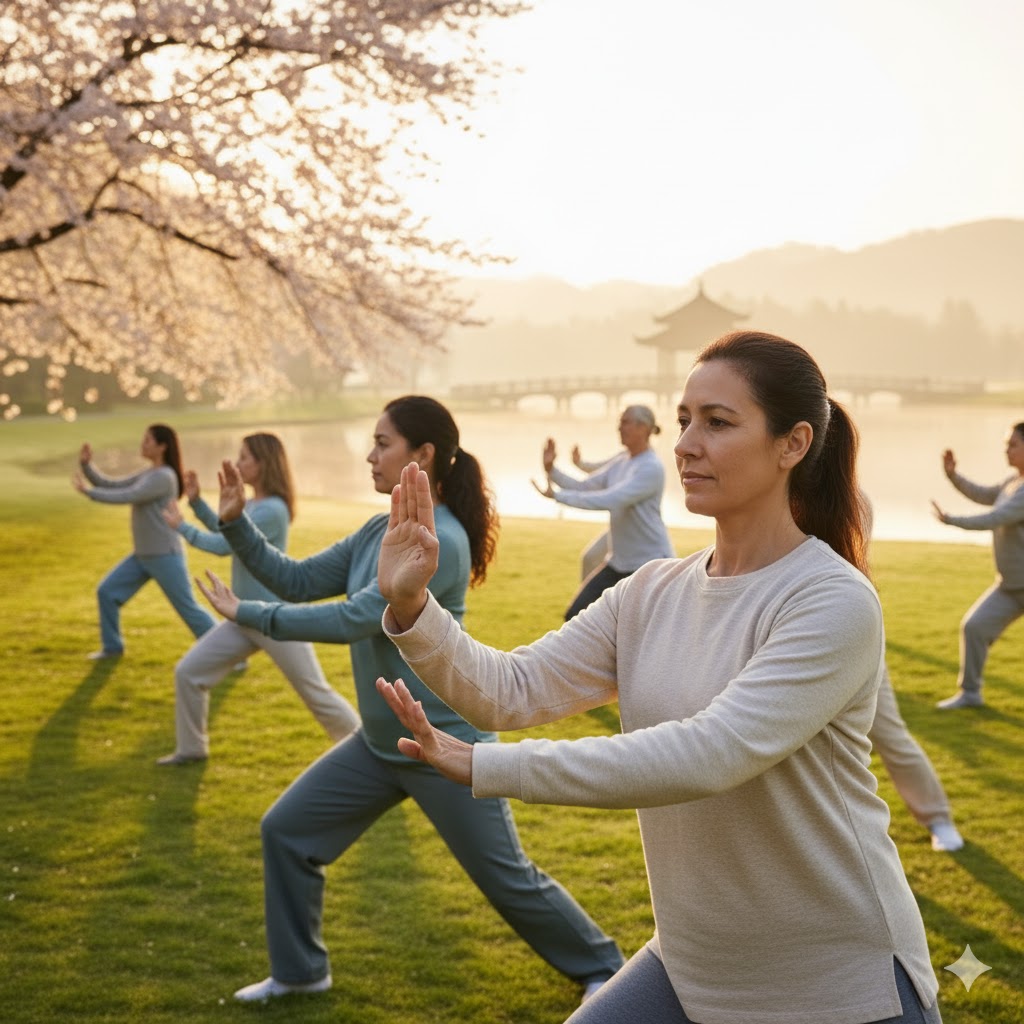
Explore the Benefits of Inner Child Meditation

Introduction to Inner Child Meditation

Inner Child Meditation is a profound and transformative mindfulness practice. It helps individuals reconnect with the childlike part of themselves. This part still holds joy, pain, vulnerability, curiosity, and unmet needs. This practice is based on the principles of psychotherapy and spiritual self-inquiry. It invites a gentle exploration of early emotional wounds. The goal is to cultivate healing, compassion, and self-love.

The term “inner child” gained popularity in the 20th century. This was notably due to the work of psychologist Carl Jung. He referred to it as the “Divine Child” archetype. The structured practice of Inner Child Meditation began to take shape in the 1980s and 1990s. This development was due to the work of therapists and spiritual teachers like John Bradshaw and Charles Whitfield. Since then, the practice has evolved, merging with mindfulness techniques, breathwork, guided imagery, and even somatic therapies.

A Brief History and Evolution

The psychological concept of the inner child has been around for nearly a century. However, the meditative approach to connecting with this inner part is relatively modern. In the 1980s, interest in childhood trauma and emotional neglect surged. This led to therapeutic models that emphasized the importance of re-parenting oneself. Inner Child Meditation was soon embraced by both psychological and spiritual communities as a method of self-healing.

Today, it is practiced worldwide by therapists, yoga practitioners, life coaches, and spiritual seekers. It often forms part of a broader journey of shadow work, trauma recovery, or personal growth.

Benefits of Inner Child Meditation

Engaging with the inner child can have profound emotional, psychological, and even physical benefits. Some of the most commonly reported benefits include:

  • Emotional Healing: Helps resolve feelings of abandonment, shame, or neglect from childhood.
  • Self-Compassion: Cultivates a gentler, more loving relationship with oneself.
  • Improved Relationships: By healing early attachment wounds, individuals often experience more fulfilling adult relationships.
  • Empowerment: Encourages the reclaiming of lost creativity, playfulness, and confidence.
  • Stress Reduction: Like many meditative practices, it promotes nervous system regulation and emotional grounding.

Case Studies

Case Study 1: Lucy’s Story – Reclaiming Joy

Lucy, a 34-year-old yoga teacher, began practicing Inner Child Meditation during a yoga teacher training retreat. She realized she had long suppressed her creativity after being ridiculed as a child for “being too much.” Through weekly guided meditations, she began visualizing and comforting her younger self. Over several months, she found herself more expressive, began painting again, and reported feeling more “whole” and emotionally free.

Case Study 2: Daniel’s Journey – Healing the Father Wound

Daniel, a 40-year-old engineer, struggled with feelings of unworthiness and emotional distance in relationships. His therapist introduced him to Inner Child Meditation as a way to explore his strained relationship with his father. Over six months, he practiced daily visualizations, journaling dialogues with his inner child, and breathwork. He eventually found forgiveness and a sense of inner safety, which led to improved communication with his own children.

Case Study 3: Jenny’s Practice – From Anxiety to Calm

Jenny, a trauma survivor, experienced chronic anxiety and insomnia. Traditional talk therapy helped. However, she noticed significant shifts only after adding Inner Child Meditation to her nightly routine. Through consistent practice, including soft music, affirmations, and self-holding techniques, her sleep improved, and her panic attacks lessened. She credits the practice with restoring a “lost sense of innocence and peace.”

Final Thoughts

Inner Child Meditation is not just a healing tool; it’s a journey of remembering. It’s a pathway back to the core of who we are before the world told us who to be. Whether practiced in silence or through visualization, journaling, or guided sessions, connecting with your inner child can awaken buried joy. It can also transform wounds into wisdom.

At Yoga947, we honor this sacred practice as part of the holistic journey toward emotional, spiritual, and physical wellness. If you haven’t explored Inner Child Meditation yet, this is your invitation to begin.

Try This: A Short Guided Inner Child Meditation

You may wish to find a quiet, safe space for this practice. Sit or lie down comfortably. Gently close your eyes and take a few deep breaths in through the nose… and out through the mouth.

Step 1: Grounding

“Feel the weight of your body supported by the earth. Let go of tension in your jaw, shoulders, and belly. Breathe deeply and gently.”

Step 2: Meet Your Inner Child

“Now, bring to mind an image of yourself as a child. You picture a specific age, or a time when you needed love and reassurance. What do they look like? How do they feel?”

Step 3: Connect with Compassion

“Approach this younger version of yourself with kindness. Let them know you are here now. Say something loving: ‘I see you. I hear you. I am here for you. You are safe with me.’

Step 4: Embrace

“Imagine giving your inner child a warm hug. Let them know they are never alone. Stay here for a few more breaths, letting this feeling of love and safety fill your heart.”

Step 5: Return

“Now gently bring your attention back to your breath… back to the present moment. Wiggle your fingers and toes, and when you’re ready, open your eyes.”

Take a few moments to journal or simply notice how you feel.


 Ready to Begin Your Inner Child Journey?

At Yoga947, we believe deep healing begins within. That’s why we offer meditations, resources, and support to help you explore practices like Inner Child Healing in a safe, nurturing space.


Additional Resources for Practicing Inner Child Meditation

To deepen your journey, explore the following:

Books:

  • “Homecoming: Reclaiming and Championing Your Inner Child” by John Bradshaw
  • “Healing the Child Within” by Charles L. Whitfield
  • “Recovery of Your Inner Child” by Lucia Capacchione

Apps & Audio:

  • Insight Timer – Offers free inner child meditations by various teachers
  • Calm and Headspace – Search for inner child or self-compassion meditations
  • YouTube Channels – Look for guided sessions by therapists like Lisa A. Romano or meditation teachers like Sarah Blondin

Key Takeaways: Inner Child Meditation at a Glance

  • Inner Child Meditation reconnects you with your past to heal your present.
  • Origins: Based on psychological theories, popularized in the 1980s.
  • Benefits: Emotional healing, stress relief, better relationships, greater self-love.
  • Practice: Guided meditations, journaling, and visualization techniques.
  • Real Impact: Case studies show transformative effects in just weeks or months.
  • Resources: Books, apps, and courses are widely available to support your journey.

Your inner child is always waiting for you to return. Will you listen? Begin your journey today with Yoga947.

Discover the Power of Laughter Meditation

At Yoga947, we believe that healing comes in many forms—through stillness, sound, crystals, and sometimes… laughter. Yes, you read that right. Today, we’re diving into laughter meditation. It is a playful yet powerful practice. It invites you to reconnect with joy. It helps you release stress and return to the present moment.

 A Brief History: Where It All Began

While laughter is as old as humanity, laughter meditation is a relatively new practice rooted in ancient wellness wisdom. It emerged in the 1990s, thanks to Dr. Madan Kataria, a medical doctor in Mumbai, India. He founded the first “Laughter Club” in 1995. He realized that intentional laughter—even when simulated—offers deep emotional benefits. It also provides physical benefits.

Dr. Kataria’s revolutionary idea? The body doesn’t know the difference between real and fake laughter. The result is the same: more endorphins, reduced stress, and a lighter heart.

This joyful form of meditation started in a public park in India. It has now reached yoga studios, corporate offices, healing circles, and wellness communities all over the world. It is also included here at Yoga947.


 What is Laughter Meditation?

Laughter meditation is a mind-body practice that encourages unstructured, intentional laughter followed by moments of calm awareness. Unlike laughter yoga, which involves specific poses and cues, laughter meditation is more organic.

A Typical Session Includes:

  1.  Gentle breathwork and light movement to ease into the moment
  2.  Voluntary laughter that becomes natural and contagious
  3.  A short silent meditation or grounding session to integrate the experience

 The Benefits of Laughter Meditation

Just a few minutes of laughter can bring powerful shifts. Here’s how:

 Emotional & Mental Health

  • Reduces stress, anxiety, and depression
  • Increases serotonin and dopamine (feel-good chemicals)
  • Enhances resilience and boosts your mood naturally

 Physical Well-being

  • Boosts the immune system
  • Improves oxygen intake and heart health
  • Acts as a light cardio workout

 Social Connection

  • Builds trust and empathy
  • Helps break down barriers in group settings
  • Strengthens relationships through shared joy

 Mindfulness

  • Brings you fully into the present moment
  • Heightens awareness and calm after laughter fades
  • Offers clarity similar to deep meditation or breathwork

 Real-Life Case Studies: How Laughter Heals

 Healing After Trauma

In a Los Angeles recovery center, laughter meditation helped women reclaim joy after domestic abuse. One woman shared, “For the first time in months, I remembered how it feels to laugh without guilt.”

 Battling Burnout at Work

A UK-based tech company added laughter meditation to its wellness program. After six months, employees reported 20% less stress, and many called the sessions “a weekly emotional reset.”

 Living with Chronic Pain

A small group of individuals with fibromyalgia and lupus practiced laughter meditation twice a week. Many noticed reduced pain and a renewed sense of hope. One participant said, “Laughter didn’t cure my pain, but it gave me back control and joy.”


 Is Laughter Meditation Really Taken Seriously?

At first glance, laughter meditation seems silly. It even feels uncomfortable. However, it’s backed by science and supported by holistic health professionals. Organizations like the Mayo Clinic and Harvard Medical School recognize the therapeutic power of laughter.

Today, it’s used in:

  • Hospitals and rehab centers
  • Mental health programs
  • Yoga and spiritual communities
  • Corporate wellness retreats

Here at Yoga947, we take healing seriously—but we also know that healing doesn’t always have to be serious.


 Conclusion

Laughter meditation is a powerful reminder that joy is sacred. In a world that feels heavy at times, laughter brings us back to lightness, presence, and connection.

So the next time you feel tension building, try this:
Breathe. Laugh. Be still.

You don’t have to feel like laughing—just allow yourself to. The body knows what to do, and the spirit will follow.


 Trusted Sources for Laughter Meditation Support

 Research & Scientific Insight

  1. PubMed & Google Scholar
    Search for terms like “laughter therapy,” “laughter meditation,” or “laughter yoga” to find peer-reviewed studies. These studies focus on its health benefits.
    • Mayo Clinic – Health articles referencing the psychological and physical benefits of laughter.
    • Harvard Health Publishing – Articles about laughter and stress reduction.

    Apps & Tools for Daily Practice

    1. Insight Timer – Free app with guided laughter meditations by various teachers.
    2. YouTube Channels
    3. Meetup.com
      Search for “laughter clubs” or “laughter meditation groups” in your area or virtually.

    Books & Reading

    • “Laugh for No Reason” by Dr. Madan Kataria – A foundational book on the philosophy and science behind laughter yoga/meditation.
    • “Anatomy of an Illness” by Norman Cousins – A classic personal account of how laughter contributed to healing chronic illness.

    “The Healing Power of Humor” by Allen Klein – Explores humor and laughter as therapeutic tools.

    Don’t forget to subscribe to Yoga947.com

    Discover the Benefits of Forest Bathing Meditation

    Forest Bathing Meditation

    Picture this: you’re walking slowly through a quiet forest. No phone. No rush. Just you, your breath, and the sound of wind moving through the trees. It’s not a hike. It’s not a workout. It’s forest bathing. This meditative practice is called shinrin-yoku. It was born in Japan. Now, it’s finding its place in the lives of people craving calm in a chaotic world.

    Developed in the 1980s as a public health response to burnout and tech fatigue, forest bathing invites you to slow down, unplug, and deeply connect with the natural world. But this isn’t just a wellness trend—it’s a science-backed method with benefits that touch everything from your nervous system to your immune response.

    Let’s explore how forest bathing works. Discover how it’s helped others transform their lives. Learn how you can begin your own practice today. Use a little help from the earth. Incorporate your breath and the deep, grounding tones of a singing bowl.

    The Origins of Forest Bathing

    Developed in Japan in the 1980s, Shinrin-yoku translates to “forest bathing” or “taking in the forest atmosphere.” This practice was introduced by the Japanese Ministry of Agriculture, Forestry, and Fisheries as a response to the increasing urbanization and technological advancements in Japan. The goal was to encourage people to reconnect with nature and, in doing so, protect the country’s forests (japan.travel).

    While the term is relatively modern, the concept of immersing oneself in nature for healing and reflection has deep roots in various cultures. In Japan, mindful activities like haiku poetry and Zen meditation have long emphasized the importance of nature in spiritual and physical well-being (foresthistory.org).

    Benefits of Forest Bathing Meditation

    Engaging in forest bathing meditation offers a multitude of health benefits:

    • Stress Reduction: Regular practice lowers cortisol levels, reducing stress and promoting relaxation.
    • Enhanced Immune Function: Exposure to phytoncides—natural oils emitted by trees—can boost the immune system by increasing natural killer (NK) cell activity (pmc.ncbi.nlm.nih.gov).
    • Improved Mood and Mental Health: Participants often experience decreased anxiety. They often notice a reduction in depression and fatigue. There is also an increase in vigor and a sense of well-being.
    • Lower Blood Pressure and Heart Rate: Spending time in forest environments has been linked to reductions in blood pressure and heart rate, contributing to cardiovascular health (mdpi.com).

    Real-Life Transformations

    The impact of forest bathing meditation extends beyond individual health benefits. For instance, a participant shared their experience with PTSD UK, stating that forest bathing made them feel “supported and happy,” highlighting the practice’s potential in mental health support (ptsduk.org).

    In South Korea, the Korea Forest Service has established therapeutic forests to aid in the recovery of individuals, including firefighters dealing with post-traumatic stress disorder. These programs demonstrate the broader applications of forest therapy in societal healing (en.wikipedia.org).

    How to Practice Forest Bathing Meditation

    Incorporating forest bathing meditation into your routine can be simple and rewarding:

    1. Choose a Natural Setting: Select a quiet forest or wooded area where you can walk slowly and mindfully.
    2. Engage Your Senses: Pay attention to the sights, sounds, smells, and textures around you. Feel the breeze, listen to the rustling leaves, and observe the play of light and shadow.
    3. Practice Mindfulness: Let go of distractions and focus on the present moment. Allow yourself to be fully immersed in the natural environment.
    4. Use Sound Tools: Incorporate high-quality singing bowls to enhance your meditation experience. The resonant tones can deepen relaxation and promote a sense of harmony.

    Elevate Your Practice with Premium Singing Bowls

    To enrich your forest bathing meditation, consider using high-end singing bowls known for their exceptional sound quality:

    • Crystal Tones: Renowned for their quartz and alchemy bowls, Crystal Tones offers instruments attuned to high frequencies, providing a profound auditory experience.
    • Best Singing Bowls: Specializing in antique Himalayan and Tibetan singing bowls, this provider offers authentic instruments that produce deep, resonant tones (Picture this: you’re walking slowly through a quiet forest. No phone. No rush. Just you, your breath, and the sound of wind moving through the trees. It’s not a hike. It’s not a workout. It’s forest bathing—shinrin-yoku—a meditative practice born in Japan that’s now finding its place in the lives of people craving calm in a chaotic world.
    • Developed in the 1980s as a public health response to burnout and tech fatigue, forest bathing invites you to slow down, unplug, and deeply connect with the natural world. But this isn’t just a wellness trend—it’s a science-backed method with benefits that touch everything from your nervous system to your immune response.
    • Let’s explore how forest bathing works, how it’s helped others transform their lives, and how you can begin your own practice today—with a little help from the earth, your breath, and the deep, grounding tones of a singing bowl.
    • The Origins of Forest Bathing
    • Developed in Japan in the 1980s, Shinrin-yoku translates to “forest bathing” or “taking in the forest atmosphere.” This practice was introduced by the Japanese Ministry of Agriculture, Forestry, and Fisheries as a response to the increasing urbanization and technological advancements in Japan. The goal was to encourage people to reconnect with nature and, in doing so, protect the country’s forests (japan.travel).
    • While the term is relatively modern, the concept of immersing oneself in nature for healing and reflection has deep roots in various cultures. In Japan, mindful activities like haiku poetry and Zen meditation have long emphasized the importance of nature in spiritual and physical well-being .
    • Benefits of Forest Bathing Meditation
    • Engaging in forest bathing meditation offers a multitude of health benefits:
    • Stress Reduction: Regular practice lowers cortisol levels, reducing stress and promoting relaxation.
    • Enhanced Immune Function: Exposure to phytoncides—natural oils emitted by trees—can boost the immune system by increasing natural killer (NK) cell activity.
    • Improved Mood and Mental Health: Participants often experience decreased anxiety, depression, and fatigue, along with increased vigor and a sense of well-being (pmc.ncbi.nlm.nih.gov).
    • Lower Blood Pressure and Heart Rate: Spending time in forest environments has been linked to reductions in blood pressure and heart rate, contributing to cardiovascular health (mdpi.com).
    • Real-Life Transformations
    • The impact of forest bathing meditation extends beyond individual health benefits. For instance, a participant shared their experience with PTSD UK, stating that forest bathing made them feel “supported and happy,” highlighting the practice’s potential in mental health support (ptsduk.org).
    • In South Korea, the Korea Forest Service has established therapeutic forests to aid in the recovery of individuals, including firefighters dealing with post-traumatic stress disorder. These programs demonstrate the broader applications of forest therapy in societal healing (en.wikipedia.org).
    • How to Practice Forest Bathing Meditation
    • Incorporating forest bathing meditation into your routine can be simple and rewarding:
    • Choose a Natural Setting: Select a quiet forest or wooded area where you can walk slowly and mindfully.
    • Engage Your Senses: Pay attention to the sights, sounds, smells, and textures around you. Feel the breeze, listen to the rustling leaves, and observe the play of light and shadow.
    • Practice Mindfulness: Let go of distractions and focus on the present moment. Allow yourself to be fully immersed in the natural environment.
    • Use Sound Tools: Incorporate high-quality singing bowls to enhance your meditation experience. The resonant tones can deepen relaxation and promote a sense of harmony.
    • Elevate Your Practice with Premium Singing Bowls
    • To enrich your forest bathing meditation, consider using high-end singing bowls known for their exceptional sound quality:
    • Crystal Tones: Renowned for their quartz and alchemy bowls, Crystal Tones offers instruments attuned to high frequencies, providing a profound auditory experience .
    • Best Singing Bowls: Specializing in antique Himalayan and Tibetan singing bowls, this provider offers authentic instruments that produce deep, resonant tones
    • HERE. large-tibetan-singing-bowl-set-for-meditation Bowls
    • Integrating these singing bowls into your practice can amplify the meditative effects, fostering a deeper connection with nature and self.
    • Embrace the Journey with Yoga947.com
    • At Yoga947.com, we are dedicated to guiding you on your path to wellness through practices like forest bathing meditation. Our curated selection of premium singing bowls and resources are designed to support and enhance your journey.

    Integrating these singing bowls into your practice can amplify the meditative effects, fostering a deeper connection with nature and self.

    Embrace the Journey with Yoga947.com

    At Yoga947.com, we are dedicated to guiding you on your path to wellness through practices like forest bathing meditation. Our curated choice of premium singing bowls and resources are designed to support and enhance your journey.

    Subscribe to Yoga947.com today to access exclusive content, expert guidance, and high-quality meditation tools. Begin your transformative journey towards inner peace and natural harmony.

    Unlock Focus: The Power of Candle Gazing Meditation

    Candle Gazing

    Meditation comes in many forms, but few are as simple, striking, and effective as candle gazing meditation, known in Sanskrit as Trataka. This ancient technique has roots in traditional Hatha Yoga and has been practiced for centuries—long before smartphones and stress were part of everyday life. It’s one of the six Shatkarmas (purification techniques) detailed in classic yogic texts like the Hatha Yoga Pradipika.

    While the exact origin date is hard to pin down, candle gazing has been used for over a thousand years, primarily by yogis in India seeking mental discipline, inner stillness, and spiritual awakening. Today, it remains just as relevant—offering modern minds a much-needed reset from screens, scattered attention, and mental fatigue.

    So who benefits from this practice? Honestly, almost anyone. Whether you’re a seasoned yogi, a beginner looking to build concentration, or someone simply trying to quiet the mental noise, Trataka is a powerful tool. It sharpens focus, reduces eye strain, and can even improve sleep when done regularly. And it requires no fancy gear—just a candle and a few minutes of quiet.

    What Is Candle Gazing Meditation?

    Trataka involves fixing your gaze on a single point, usually the flame of a candle, without blinking, until the eyes naturally want to close. When they do, you shift your focus inward and visualize the flame in the mind’s eye. It’s a blend of physical discipline and mental training.

    This dual action—external gazing and internal visualization—works on both the eyes and the mind. It helps clear visual and mental clutter, making it easier to focus during daily life and in deeper meditation sessions.

    Who Can Benefit from Trataka?

    Trataka is a versatile practice suitable for individuals across various walks of life:

    • Students and Professionals: Enhances concentration and memory, aiding in academic and work-related tasks.
    • Individuals with Sleep Disorders: Promotes relaxation and improves sleep quality.
    • Those Experiencing Anxiety or Stress: Induces a state of calmness, reducing mental turmoil.
    • Spiritual Seekers: Deepens meditation practices and fosters inner awareness.
    • People with Eye Strain: Strengthens eye muscles and alleviates fatigue, especially beneficial for those spending long hours on screens.

    How to Practice Trataka: A Step-by-Step Guide

    1. Preparation:
      • Choose a quiet, dimly lit room free from disturbances.
      • Place a candle at eye level, about 2-3 feet away.
      • Sit comfortably with a straight spine, either on a chair or cross-legged on the floor.
    2. Gazing:
      • Light the candle and focus your gaze on the flame’s tip.
      • Keep your eyes steady and try not to blink.
      • Maintain this gaze until your eyes naturally begin to water.
    3. Internal Visualization:
      • Gently close your eyes and visualize the flame at the center of your forehead.
      • Hold this image as long as possible, bringing your focus back if it wavers.
    4. Conclusion:
      • Once the internal image fades, slowly open your eyes.
      • Repeat the process for 10-15 minutes, gradually increasing the duration with practice.

    Note: It’s advisable to practice Trataka on an empty stomach, preferably in the early morning or before bedtime.


    The Multifaceted Benefits of Trataka

    1. Enhances Concentration and Cognitive Function

    Regular practice of Trataka has been linked to improved concentration and cognitive abilities. A study published in the International Journal of Yoga found that participants who practiced candle gazing for a month exhibited better working memory and focused attention.

    2. Reduces Stress and Anxiety

    By directing focus to a single point, Trataka helps in calming the mind, reducing stress and anxiety levels. Practitioners often report a sense of inner peace and emotional stability after sessions.

    3. Improves Sleep Quality

    Engaging in Trataka before bedtime can lead to better sleep patterns. The practice promotes relaxation and helps in alleviating insomnia and other sleep-related issues.

    4. Strengthens Eye Muscles and Vision

    The act of focused gazing exercises the eye muscles, potentially improving vision and reducing eye strain. This is particularly beneficial for individuals who spend extended periods in front of screens.

    5. Stimulates the Pineal Gland

    Trataka is believed to activate the pineal gland, located in the brain’s center. This gland regulates melatonin production, influencing sleep cycles and mood. Activation of the pineal gland is also associated with heightened intuition and spiritual awareness.


    Real-Life Case Studies: The Impact of Trataka

    Case Study 1: Academic Performance Boost

    A group of students incorporated Trataka into their daily routine for 20 minutes. After a month, they reported a significant improvement in concentration levels, leading to a notable increase in academic performance.

    Case Study 2: Stress Reduction in Working Professionals

    Employees at a corporate firm practiced Trataka during lunch breaks. Over six weeks, participants experienced a 35% reduction in self-reported stress levels, leading to enhanced productivity and job satisfaction.

    Case Study 3: Enhanced Creativity Among Artists

    Artists and writers who engaged in regular candle gazing sessions found a surge in creative ideas and innovative thinking. A survey revealed that 67% of creative professionals credited Trataka for boosting their creativity.


    Integrating Trataka into Your Daily Life

    • Consistency is Key: Aim to practice Trataka daily, even if only for a few minutes.
    • Combine with Other Practices: Pair Trataka with breathing exercises or mindfulness meditation for enhanced benefits.
    • Monitor Your Progress: Keep a journal to note changes in concentration, mood, and overall well-being.

    Conclusion: Embracing the Light Within

    Trataka, or candle gazing meditation, is more than just a technique; it’s a journey inward, illuminating the path to self-awareness and inner tranquility. In a world filled with distractions, this ancient practice offers a sanctuary of stillness and clarity.

    Trataka offers something rare—stillness, focus, and clarity. It’s a deceptively simple practice with deep impact. You don’t need fancy equipment, hours of free time, or a perfect setting. Just you, a candle, and a willingness to be present.

    By integrating candle gazing into your daily life, you’re not just sharpening your focus—you’re building a mental space that’s calmer, clearer, and more resilient. Whether your goal is spiritual depth, better sleep, or a clearer mind, this ancient practice is surprisingly modern in its relevance.

    At Yoga947, we invite you to embrace Trataka, allowing the gentle flicker of the candle flame to guide you towards a more focused, peaceful, and enlightened state of being.

    🧠 Quick Quiz: Are You Ready for Trataka?

    1. Can you sit still and undisturbed for 10 minutes?

    • Yes
    • Not yet, but I’m working on it

    2. Are your eyes generally healthy, with no serious medical conditions?

    • Yes
    • No / Unsure (consult a specialist before starting)

    3. Are you willing to reduce distractions (like phone use) during the practice?

    • Yes
    • I might struggle

    4. Do you understand the basic steps of Trataka (gazing, visualization, stillness)?

    • Yes
    • Not yet, I’d like a refresher

    5. Are you open to daily or regular practice to feel the benefits over time?

    • Yes
    • I’m not sure I can stay consistent

    If you answered “Yes” to at least 3 questions, you’re more than ready to start. Just begin, and let the flame guide you.

    Exploring candle gazing meditation (Trataka) can be both enriching and transformative. Here are some valuable resources and avenues for assistance to deepen your practice:​

    Guided Audio and Video Sessions

    • Fragrant Heart’s Candle Gazing Meditation: An audio-guided session that helps you focus and relax through candle gazing. fragrantheart.com
    • White Plains Hospital’s Mindfulness Moment: A video guide led by Senior Staff Chaplain Mary Beth Schmidt, offering a simple mindfulness exercise using a candle. YouTube
    • Trataka Guided Meditation on YouTube: A visual guide to practicing Trataka, helping you maintain focus on the candle flame. YouTube

    📚 Books and Manuals

    • “Dharana Darshan” by Swami Niranjanananda Saraswati: A comprehensive text from the Bihar School of Yoga that delves into concentration techniques, including Trataka.​
    • “Manual of a Mystic” (Yogāvacara’s Manual): A Theravada Buddhist meditation manual that includes candle meditation practices. Wikipedia

    Unlocking Heart-Centered Meditation Benefits

    Introduction: The Ancient Roots of Heart-Centered Meditation.

    Heart-centered meditation is a profound practice that has been used for centuries to cultivate love, compassion, and emotional healing. Rooted in various ancient traditions, this meditation technique is found in Buddhism, Hinduism, Taoism, and even indigenous spiritual practices. Some of the earliest references to heart-based meditation are found in Buddhist Metta (loving-kindness) meditation. This practice dates back over 2,500 years. Similarly, yogic traditions have long emphasized the heart chakra (Anahata) as a center of love and spiritual growth.

    Heart-centered meditation is embraced by individuals from all walks of life, including monks, spiritual seekers, psychologists, and even medical professionals. It has gained mainstream recognition for its ability to improve emotional well-being. It is known to reduce stress. It also promotes a deep sense of inter-connectedness. Today, more people seek solace from the stresses of modern living. Heart-centered meditation has become a sanctuary for many. It offers a path toward inner peace, self-love, and universal compassion.

    Understanding Heart-Centered Meditation

    At its core, heart-centered meditation is about directing awareness toward the heart space, often visualized as a radiant energy center. Unlike other forms of meditation that focus on breath control or mindfulness, this practice emphasizes cultivating feelings of love. It also focuses on gratitude and kindness. By tuning into these emotions, practitioners can experience a profound shift in their state of consciousness. This leads to greater harmony within themselves. It also fosters a connection with the world around them.

    The practice of heart-centered meditation typically involves:

    • Deep breathing to center the mind and relax the body.
    • Focusing on the heart space to generate warmth and openness.
    • Visualizing loving energy radiating from the heart.
    • Repeating affirmations such as “I am love” or “May I be filled with kindness.”
    • Expanding this love outward to include others, from loved ones to strangers and eventually all beings.

    The Science Behind Heart-Centered Meditation

    Modern science has validated what ancient wisdom has long suggested. The heart is more than just a physical organ. It is an energetic and emotional powerhouse. The HeartMath Institute has conducted extensive research on the role of heart coherence. Heart coherence refers to the harmonious interaction between the heart, mind, and nervous system. Studies show that when individuals practice heart-focused meditation, their heart rate variability (HRV) improves. This leads to reduced stress. It also enhances emotional stability and increases cognitive function.

    Neuroscientific studies have revealed that heart-centered meditation activates the parasympathetic nervous system. It promotes relaxation and reduces the production of stress hormones like cortisol. Additionally, it stimulates the release of oxytocin. This hormone is often referred to as the “love hormone.” It fosters feelings of connection and well-being.

    The Benefits of Heart-Centered Meditation

    Heart-centered meditation offers a wealth of benefits for the mind, body, and spirit. Some of the most profound include:

    1. Emotional Healing and Stress Reduction

    Practicing this meditation regularly helps to dissolve emotional blockages and past traumas. By cultivating compassion and self-love, individuals can release negative emotions and embrace a more peaceful state of being.

    2. Enhanced Relationships and Compassion

    When we connect with our heart space, we naturally develop greater empathy and understanding. This leads to deeper, more authentic relationships, as we become more patient, forgiving, and kind.

    3. Improved Physical Health

    Stress significantly contributes to various health conditions. Reducing stress through heart-centered meditation can lead to tangible health benefits. These benefits include lower blood pressure, improved immune function, and reduced inflammation.

    4. Greater Mental Clarity and Focus

    Heart-centered meditation enhances brain function by reducing over activity in the amygdala. The amygdala is the brain’s fear center. It also increases activity in the prefrontal cortex. The prefrontal cortex is associated with rational thinking and decision-making.

    5. Spiritual Awakening and Connection

    Many practitioners report experiencing heightened states of awareness. They feel a deeper connection to their true self. There is also a sense of oneness with the universe. This can be a transformative experience, leading to a greater sense of purpose and fulfillment.

    Real-Life Testimonials: The Transformative Power of Heart-Centered Meditation

    Many individuals have experienced profound changes in their lives through heart-centered meditation. Here are a few real-life stories:

    Laura, 42 – A Journey from Anxiety to Inner Peace: “For years, I struggled with anxiety and self-doubt. Heart-centered meditation changed my life. By focusing on love and gratitude, I found a deep sense of peace that I never thought possible. My relationships improved, and I now approach life with more compassion and confidence.”

    James, 55 – Healing After Loss: “After losing my wife, I felt lost and disconnected. A friend introduced me to heart-centered meditation, and it became my lifeline. It helped me process my grief and rediscover joy in the present moment. I feel my wife’s love with me, and that has been my greatest healing.”

    Elena, 30 – Overcoming Self-Doubt: “I used to be my own worst critic, but heart-centered meditation helped me cultivate self-love. I no longer dwell on my imperfections; instead, I embrace my journey with kindness and patience.”

    How to Practice Heart-Centered Meditation: A Step-by-Step Guide

    If you’re new to this practice or want to refine your approach, follow this simple yet powerful technique:

    Step 1: Find a Quiet Space

    Choose a peaceful environment where you won’t be disturbed. Sit comfortably with your spine straight, either on a cushion or chair.

    Step 2: Breathe Deeply

    Close your eyes and take slow, deep breaths. Inhale through your nose, allowing your belly to expand, and exhale gently through your mouth. Let go of any tension.

    Step 3: Focus on Your Heart

    Bring your awareness to the center of your chest. You may place a hand over your heart to enhance the connection.

    Step 4: Generate Loving Emotions

    Recall a moment of deep love, gratitude, or joy. This could be a memory of a loved one, a pet, or a moment in nature. Allow this feeling to expand in your heart.

    Step 5: Radiate Love

    Imagine this love growing into a warm, radiant light, filling your entire being. With each breath, let it expand outward, sending love to family, friends, and eventually to all living beings.

    Step 6: Stay Present and Absorb the Energy

    Remain in this state for as long as you feel comfortable, soaking in the warmth and peace of the moment.

    Step 7: Gently Return

    When you’re ready, slowly bring your awareness back to your body. Open your eyes and take a few moments to reflect on the experience.

    Additional Resources for Heart-Centered Meditation

    If you’d like to deepen your practice, consider these resources:

    • Books: “The HeartMath Solution” by Doc Childre & Howard Martin, “Lovingkindness” by Sharon Salzberg
    • Apps: Insight Timer, Calm, Headspace (with specific heart-centered meditation guides)
    • Online Courses: HeartMath Institute, Gaia, Udemy meditation courses
    • YouTube Channels: Yoga947, HeartMath Institute, The Honest Guys

    Conclusion: Embracing the Journey of the Heart

    Heart-centered meditation is more than just a relaxation technique—it is a way of life. By integrating this practice into your daily routine, you can transform your own well-being. You can also change the energy you bring into the world. Love, after all, is the most powerful force in existence. When we cultivate it within ourselves, we naturally radiate it outward, creating a ripple effect of healing, connection, and peace.

    Final thoughts:

    Have you tried heart-centered meditation before? Share your experiences in the comments below! If you’re new to this practice, start today and witness the incredible transformation it can bring to your life. Let’s cultivate love and light together!

    Art Meditation Techniques for Emotional Healing

    Introduction

    Meditation has long been recognized as a powerful tool for mental clarity, emotional balance, and spiritual growth. Traditional meditation practices often focus on breath control. They also emphasize mindfulness or chanting. Art meditation offers a unique and immersive path to inner peace. By blending creativity with mindfulness, art meditation invites individuals to unlock their imagination while fostering relaxation and self-discovery. This blog delves into the rich history of art meditation. It also explains practical techniques and explores its profound benefits. This provides insights for anyone looking to enrich their well-being through artistic expression.

    Part 1: The History of Art Meditation

    1. Ancient Roots and Cultural Practices Art meditation has ancient roots. It dates back thousands of years. Various cultures combined artistic expression with spiritual growth.

    • In Buddhist traditions, monks created intricate mandalas—detailed geometric patterns designed to promote focus and mindfulness. These meditative creations were not only spiritual tools but also exercises in patience and presence.
    • Indigenous tribes in North and South America used symbolic paintings, carvings, and body art. They did this to connect with nature, ancestors, and inner wisdom. Their use of colors, patterns, and symbols reflected spiritual beliefs and facilitated meditative states.
    • In Japan, the practice of Zen calligraphy (shodō) merges art with mindfulness. It requires calmness and intentional brushwork to cultivate mental clarity.
    • In various African cultures, particularly in Ghana and Nigeria, artistic meditation flourished through the creation of Adinkra symbols. Artists applied these intricate designs to textiles and pottery. Each design represents deep philosophical meanings. This practice guides mindfulness, emotional grounding, and reflection.
    • In African-American quilting traditions, enslaved individuals combined creativity with storytelling and symbolism to express resilience, identity, and emotional healing. The quilt-making process itself became a meditative act, offering comfort and mental clarity in times of hardship.

    2. Renaissance and Artistic Reflection During the Renaissance, artists like Leonardo da Vinci and Michelangelo practiced artistic reflection. It was a means of connecting to deeper consciousness. Drawing and painting not only created masterpieces. They also served as meditative practices to explore inner emotions, perspective, and vision.

    3. Modern Revival of Art Meditation In the 20th century, art therapy emerged as a recognized field. It encourages creative expression as a method of improving mental health. Figures like Carl Jung introduced mandala drawings. They aimed to promote self-discovery. Modern wellness trends have integrated mindful art practices. These are used to manage stress and enhance creativity.

    Part 2: Understanding Art Meditation as a Practice

    1. Defining Art Meditation Art meditation is a mindful practice that blends creative expression with meditation principles. Unlike traditional art forms that focus on producing a final product, art meditation emphasizes the process itself. It embraces imperfections. It allows emotions to flow freely onto the canvas or page.

    2. Techniques for Practicing Art Meditation

    • Mandala Drawing and Colouring: Creating intricate, circular patterns encourages focus and helps calm the mind.
    • Free-form Sketching and Doodling: Spontaneous drawing provides a release for emotions, thoughts, and creative energy.
    • Painting with Mindful Intention: Using color, brushwork, and texture as a meditative tool encourages presence in the moment.
    • Collage and Mixed-Media Exploration: Combining cutouts, textures, and colours invites intuition and creative spontaneity.

    3. Creating an Ideal Environment

    • Choose a calming space free from distractions.
    • Use materials that feel inspiring yet simple—pencils, markers, paints, or clay.
    • Before starting, take a few deep breaths to clear your mind and set a peaceful intention.

    Part 3: The Benefits of Art Meditation

    1. Mental and Emotional Well-being

    • Engaging in art meditation helps reduce anxiety by grounding the mind in creative flow.
    • The process encourages emotional expression, offering a safe space to release stress and negative feelings.
    • Creating art mindfully enhances self-awareness and nurtures a sense of inner calm.

    2. Cognitive and Creative Growth

    • Practicing art meditation enhances focus by training the mind to stay present during creative exploration.
    • The freedom to experiment with colours, patterns, and shapes sparks innovation and creative thinking.

    3. Physical and Physiological Benefits

    • Art meditation helps lower blood pressure and heart rate through its calming effects.
    • Deep breathing and relaxed movement while creating art stimulate the parasympathetic nervous system, promoting relaxation.

    4. Social and Community Benefits

    • Group art meditation sessions provide a shared creative experience, strengthening bonds and fostering empathy.
    • Creative collaboration encourages trust, open communication, and meaningful connections.

    Part 4: Practical Tips and Guided Exercises

    1. Starting Small: Beginner-Friendly Projects

    • Try mindful colouring books filled with intricate patterns designed to enhance focus.
    • Experiment with doodling as a simple yet effective way to relax the mind.

    2. Developing a Routine

    • Incorporate short art meditation sessions into your daily routine—10 to 15 minutes can provide a positive mental reset.
    • Create achievable goals, such as sketching each morning or spending a quiet evening painting.

    3. Overcoming Creative Blocks

    • Embrace mistakes and imperfections as part of the mindful process.
    • Explore natural surroundings, music, or emotions as sources of inspiration.

    Part 5: Inspiring Stories and Case Studies

    1. Personal Transformations through Art Meditation

    • A grieving individual turned to painting as a meditative practice. They used colours and brushstrokes to express emotions of loss, reflection, and eventual hope.
    • An individual recovering from illness practiced quilting as a calming and reflective process. They created vibrant works that symbolized their healing journey.
    • Stories of individuals overcoming anxiety, grief, or burnout through creative practices highlight the transformative power of mindful art.

    2. The Role of Art Meditation in Therapy

    • Therapists have increasingly integrated mindful art techniques to support trauma recovery, depression management, and emotional healing.
    • Guided creative exercises offer individuals a safe space to process emotions and rebuild resilience.

    Part 6: Finding Support and Resources for Art Meditation

    1. Local and National Resources

    • American Art Therapy Association (AATA) provides certified therapists, resources, and support for individuals seeking guidance in creative meditation.
    • British Association of Art Therapists (BAAT) offers workshops, events, and professional guidance.

    2. International Resources

    • International Expressive Arts Therapy Association (IEATA) promotes creative practices for healing worldwide.
    • Art Therapy Without Borders connects individuals to global programs focused on mindfulness, creativity, and emotional well-being.
    • Creative Wellbeing Workshops provides resources to support mindfulness through art practices internationally.

    3. Recommended Books and Guides

    • “The Creative Cure” by Jacob Nordby
    • “Drawing on the Right Side of the Brain” by Betty Edwards
    • “The Artist’s Way” by Julia Cameron
    • “Meditative Mandala Coloring Book” by Adult Coloring World
    • “Mindful Drawing: Discover the Joy of Creative Expression” by Wendy Ann Greenhalgh

    4. Online Learning Platforms

    • Websites like Skillshare, Udemy, and Coursera offer specialized courses in art meditation techniques.
    • Meditation apps such as Insight Timer, Calm, and Headspace often feature guided art meditation exercises.

    Conclusion

    Art meditation offers a powerful blend of mindfulness and creative exploration that benefits mind, body, and soul. Whether through drawing, painting, or collage, the practice encourages individuals to slow down. It helps them focus inward. They find peace in the act of creation. By embracing art meditation, you unlock a world of self-expression, relaxation, and inspiration—one brushstroke at a time.

    What’s holding you back from finding your true self?

    Remember it is important to focus on what brings you joy. Move forward with a clear mind and attract all things that are good in your life. Listen to your heart’s desires.

    Make each moment of your life count and stay tuned  for more content HERE at Yoga947.com

    Discovering Self-Inquiry Meditation Techniques

    Introduction

    In the fast-paced world we live in, people are constantly searching for peace, clarity, and purpose. While various meditation techniques promise to calm the mind, self-inquiry meditation goes a step further. It doesn’t just calm the surface of the mind; it dives deep into the essence of who we truly are. Rooted in the teachings of Ramana Maharshi, self-inquiry meditation is an introspective practice. It leads one beyond thought, beyond identity, and into the truth of being. But what exactly is self-inquiry meditation? How does one practice it, and what are its benefits? This blog will explore this profound practice thoroughly. It will provide insights into how you can embark on a transformative journey of self-discovery.

    Understanding Self-Inquiry Meditation

    Self-inquiry, or Atma Vichara, is a meditation technique that involves turning inward to question the nature of the self. Other meditative practices focus on the breath, a mantra, or external objects. However, self-inquiry asks the fundamental question: Who am I?

    At its core, self-inquiry is not about arriving at an intellectual answer. Instead, it involves peeling away layers of false identification with the body, mind, and emotions. This unveils the true essence of being—pure awareness. The process is not about seeking knowledge externally but recognizing the presence that has always been within.

    The Origins of Self-Inquiry Meditation

    Self-inquiry meditation originates from Advaita Vedanta. This is a non-dualistic school of Hindu philosophy. It emphasizes the unity of all existence. This method of self-exploration dates back thousands of years. It is closely linked to ancient Upanishadic teachings. These teachings emphasize direct self-examination as the key to understanding one’s true nature.

    One of the earliest references to self-inquiry is in the Mandukya Upanishad. It discusses consciousness beyond waking, dreaming, and deep sleep states. This leads to ultimate self-realization. Sri Ramana Maharshi was a revered Indian sage of the 20th century. He brought self-inquiry into the modern spiritual landscape.

    At the age of sixteen, Ramana Maharshi experienced a profound spiritual awakening when he faced an intense fear of death. Instead of succumbing to panic, he turned his awareness inward, asking himself, Who am I? In doing so, he transcended his identification with the body and mind, realizing his true nature as pure awareness. From then on, he dedicated his life to teaching self-inquiry as the most direct path to self-realization.

    Unlike many traditional spiritual practices that involve rituals, dogmas, or lengthy philosophical discourses, Ramana Maharshi emphasized simplicity. He insisted that one could break free from egoic illusions by persistently inquiring into the nature of the self. This enables a direct experience of the infinite awareness that underlies all existence. His teachings continue to inspire seekers worldwide, influencing both Eastern and Western spiritual traditions.

    How to Practice Self-Inquiry Meditation

    Practicing self-inquiry meditation requires sincerity, patience, and a willingness to question deeply held beliefs about oneself. Here’s a step-by-step guide to getting started:

    1. Find a Quiet Space

    Choose a place where you can sit undisturbed. A quiet environment minimizes distractions and allows you to turn inward more easily.

    2. Settle into Stillness

    Sit comfortably, either on a cushion or chair, with your spine erect. Close your eyes and take a few deep breaths to relax your body and mind.

    3. Ask the Question: Who Am I?

    Gently bring your attention to the question: Who am I? Observe where this question leads you. It is not about finding a verbal answer but about turning awareness inward.

    4. Notice Thoughts and Feelings

    As thoughts arise, inquire, “To whom do these thoughts arise?” The answer will always be, “To me.” Then, ask, “Who am I?” This process helps dissolve identification with transient thoughts and emotions.

    5. Rest in Awareness

    As inquiry deepens, the mind begins to dissolve into silent awareness. Stay present with this stillness. The more you rest in pure awareness, the more the illusion of the separate self dissolves.

    6. Repeat the Process

    Whenever distractions arise, gently return to self-inquiry. Over time, the practice shifts from an intellectual exercise to an experiential recognition of your true nature.

    The Benefits of Self-Inquiry Meditation

    Self-inquiry meditation offers profound benefits for the mind, body, and spirit. Some of these include:

    1. Inner Peace and Stillness

    By disidentifying from thoughts and emotions, self-inquiry helps cultivate deep inner peace. The incessant mental chatter diminishes, revealing a state of natural stillness.

    2. Freedom from Egoic Suffering

    The root of suffering lies in the false identification with the ego. Self-inquiry dismantles the ego’s illusions, leading to a sense of freedom and clarity.

    3. Heightened Awareness

    As one deepens in self-inquiry, awareness expands. There is a shift from being lost in thoughts to being the silent witness of all experiences.

    4. Increased Presence and Mindfulness

    Self-inquiry naturally enhances mindfulness. Instead of reacting habitually, one begins to respond from a place of awareness and wisdom.

    5. Realization of True Self

    The ultimate goal of self-inquiry is self-realization. This means directly recognizing that one is not the mind, body, or personality. Instead, one is the unchanging presence of awareness.

    Common Challenges in Self-Inquiry and How to Overcome Them

    Self-inquiry meditation, though simple in its approach, can present challenges. Here’s how to navigate them:

    1. Mental Resistance

    The mind often resists inquiry by distracting itself with thoughts, doubts, and emotions. When resistance arises, simply observe it and return to the question, Who am I?

    2. Seeking Intellectual Answers

    It is easy to fall into the trap of trying to “think” your way to an answer. Remember, self-inquiry is not about concepts but about direct experience.

    3. Impatience

    Transformation through self-inquiry is not always immediate. Be patient with the process and trust that each moment of inquiry brings you closer to self-realization.

    4. Fear of Losing Identity

    The ego may resist because self-inquiry threatens its existence. Recognize that what is being “lost” is an illusion, and what remains is your true, infinite self.

    Integrating Self-Inquiry into Daily Life

    Self-inquiry does not have to be limited to meditation sessions. Here’s how to incorporate it into daily life:

    • During Conversations: When emotions arise, pause and ask, Who is feeling this?
    • In Challenging Situations: Instead of reacting impulsively, inquire, Who is experiencing this difficulty?
    • Throughout the Day: Remind yourself periodically, Am I aware of my presence right now?

    Conclusion

    Self-inquiry meditation is a direct and profound path to self-discovery. By consistently questioning the nature of the self, one can move beyond the illusions of the mind. This process allows one to experience the boundless peace of pure awareness. This practice is not just about understanding who we are—it is about being who we truly are. Whether you are a beginner or an experienced meditator, self-inquiry offers a transformative journey into the depths of consciousness. The key is persistence, sincerity, and openness to the truth beyond the mind. Begin today, and step into the infinite presence that has always been within you.

    Are you ready to embark on your journey of self-discovery? Start your self-inquiry meditation practice today! Set aside a few minutes each day to ask, Who am I? and observe where the inquiry takes you. Share your experiences and insights in the comments below—we’d love to hear about your journey toward inner awakening!


    Embarking on the journey of self-inquiry meditation can be profoundly transformative. To support and deepen your practice, consider exploring the following resources:

    1. Online Meditation Platforms

    • Insight Timer: This free meditation app offers a variety of guided meditations. These meditations focus on self-inquiry. They allow you to explore different approaches and techniques.
      insighttimer.com

    2. Articles and Guides

    • “Discover Your True Nature: Self-Inquiry Meditation” by Yoga Journal: This article provides insights into the practice of turning inward. It describes embarking on the path of self-inquiry. The article offers a simple yet powerful method of meditation.
      yogajournal.com
    • “The Practice of Self-Inquiry – ‘Who Am I?'” by Ram Dass: This piece delves into understanding self-inquiry. It discusses the mind’s activities and how to not take them too seriously. The piece also provides guidance on the practice.
      ramdass.org

    3. Guided Meditations

    • “Self-Inquiry — I AM (Guided Meditation)”: This YouTube video offers a guided meditation session. It helps you connect with your true self through the practice of self-inquiry.
      youtube.com

    4. Community Discussions

    • Reddit’s r/nonduality: Engage with a community of practitioners discussing self-inquiry techniques, challenges, and experiences. Participating in such forums can provide diverse perspectives and support.
      reddit.com

    5. Local Resources in London

    • Meditatio Centre London: Offers resources and courses on meditation practices, including self-inquiry. Exploring their offerings can provide structured guidance and community support.
    • Mindfulness Contacts by Mind: Provides useful contacts and resources related to mindfulness practices, which can complement your self-inquiry journey.

    6. Books

    “The Path of Sri Ramana Part One” by Sri Sadhu Om: This book delves into the practice of self-inquiry. It is as taught by Ramana Maharshi. It provides practical guidance for aspirants.

    “Be As You Are: The Teachings of Sri Ramana Maharshi” by David Godman: This compilation presents dialogues with Ramana Maharshi. It offers profound insights into self-inquiry and realization.

    Unlock Inner Peace with Chakra Meditation

    In today’s fast-paced world, stress, anxiety, and emotional imbalance have become common challenges. Many people seek ways to restore their inner peace. They want to realign their energy. One of the most powerful methods to achieve this is Chakra Meditation. Rooted in ancient spiritual traditions, Chakra Meditation is a transformative practice. It helps harmonize the body, mind, and spirit. This is achieved by balancing the seven major energy centers within us.

    Each chakra governs different aspects of our physical, emotional, and spiritual well-being. When these energy centers are blocked or misaligned, it can lead to feelings of stagnation, fatigue, or even physical discomfort. We can cleanse and activate our chakras through guided meditation. Breathwork and visualization techniques help in this process. This allows energy to flow freely, enhancing our overall well-being.

    Introduction

     Finding balance, peace, and a sense of purpose can seem elusive. Amid the chaos, ancient wisdom offers a path to inner harmony through chakra meditation. This profound practice, rooted in centuries-old traditions, aligns the body, mind, and spirit, fostering holistic well-being.

    Chakra meditation is more than a spiritual tool; it’s a road map to self-discovery, healing, and transformation. In this comprehensive guide, we’ll explore its origins, benefits, and the symbolic meanings behind the seven chakras and their colours. Whether you’re a beginner or seeking to deepen your practice, this post will serve as your ultimate resource.


    The History and Origins of Chakra Meditation

    The concept of chakras originated in ancient India, dating back over 2,000 years. The term “chakra” comes from the Sanskrit word meaning “wheel” or “disk,” symbolizing the spinning energy centers within the body. These energy hubs were first detailed in the Vedas, the earliest Hindu scriptures. They were later expanded upon in Tantric and Yoga traditions.

    Chakra meditation is a practice that integrates the body’s subtle energy system into meditation techniques. It became popular in the West during the 20th century. This was due to the broader adoption of yoga and holistic health practices. Today, it continues to bridge cultural divides, helping individuals around the world achieve balance and harmony.


    The Benefits of Chakra Meditation

    Chakra meditation offers a host of physical, emotional, and spiritual benefits, making it a transformative practice for many. Here’s what you can expect:

    • Improved Energy Flow: Balancing chakras unblocks stagnant energy, ensuring optimal physical and emotional functioning.
    • Stress Reduction: The focused breathing and visualization techniques calm the mind, reducing anxiety and promoting relaxation.
    • Enhanced Emotional Stability: Chakra alignment helps manage overwhelming emotions and fosters self-awareness.
    • Physical Healing: Certain chakras, when balanced, are believed to alleviate specific ailments (e.g., throat chakra for communication issues).
    • Spiritual Growth: Activating higher chakras deepens your connection to the universe, fostering a sense of purpose.

    The Seven Chakras and Their True Meanings

    Chakras are traditionally depicted as spinning wheels of energy. They run along the spine and each resonate with a specific colour and purpose. Let’s delve into the meaning behind each chakra and its associated colour:

    1. Root Chakra (Muladhara) – Red

    • Location: Base of the spine
    • Meaning: Stability, security, and survival
    • True Essence: The root chakra is your foundation, governing basic needs like shelter, food, and safety. Its vibrant red symbolizes grounding and vitality.
    • Signs of Imbalance: Anxiety, fear, or feeling “unfounded.”

    2. Sacral Chakra (Svadhisthana) – Orange

    • Location: Below the navel
    • Meaning: Creativity, passion, and sexuality
    • True Essence: This chakra radiates joy, spontaneity, and the ability to connect deeply with others. Orange represents warmth, creativity, and emotion.
    • Signs of Imbalance: Lack of motivation, intimacy issues, or creative blocks.

    3. Solar Plexus Chakra (Manipura) – Yellow

    • Location: Upper abdomen
    • Meaning: Personal power, confidence, and willpower
    • True Essence: The solar plexus chakra is the seat of your self-esteem and determination. Yellow symbolizes energy, intellect, and confidence.
    • Signs of Imbalance: Low self-worth, digestive problems, or feelings of powerlessness.

    4. Heart Chakra (Anahata) – Green

    • Location: Center of the chest
    • Meaning: Love, compassion, and forgiveness
    • True Essence: The heart chakra connects physical and spiritual energies. Green represents growth, healing, and unconditional love.
    • Signs of Imbalance: Difficulty in relationships, bitterness, or lack of empathy.

    5. Throat Chakra (Vishuddha) – Blue

    • Location: Throat
    • Meaning: Communication, truth, and self-expression
    • True Essence: The throat chakra empowers honest communication and authenticity. Blue symbolizes clarity, trust, and calmness.
    • Signs of Imbalance: Difficulty expressing yourself or throat-related ailments.

    6. Third Eye Chakra (Ajna) – Indigo

    • Location: Forehead between the eyes
    • Meaning: Intuition, insight, and imagination
    • True Essence: The third eye chakra governs inner wisdom and vision. Indigo represents depth, clarity, and intuition.
    • Signs of Imbalance: Overthinking, lack of clarity, or disconnection from inner guidance.

    7. Crown Chakra (Sahasrara) – Violet/White

    • Location: Top of the head
    • Meaning: Spirituality, enlightenment, and connection to the divine
    • True Essence: The crown chakra is your portal to higher consciousness. Violet or white represents purity, unity, and transcendent wisdom.
    • Signs of Imbalance: Feelings of isolation or lack of purpose.

    How to Practice Chakra Meditation

    1. Prepare Your Space: Choose a quiet, comfortable place where you won’t be disturbed. Use candles or crystals to enhance the atmosphere.
    2. Adopt a Comfortable Position: Sit or lie down with your spine straight.
    3. Focus on Each Chakra: Starting from the root chakra, visualize its colour and energy spinning harmoniously. Move upwards, chakra by chakra.
    4. Incorporate Breathwork: Use deep, rhythmic breathing to enhance focus and relaxation.
    5. Repeat Affirmations: Use affirmations specific to each chakra (e.g., “I am safe” for the root chakra).

    The Role of Crystals in Chakra Meditation

    Crystals amplify the energy of chakras and can be placed on corresponding points during meditation. For example:

    • Root Chakra: Red Jasper
    • Heart Chakra: Rose Quartz or Green Aventurine
    • Crown Chakra: Amethyst or Clear Quartz

    Why You Should Start Chakra Meditation Today

    The benefits of chakra meditation extend far beyond stress relief. It’s a journey of personal transformation that empowers you to live a balanced, purposeful life.


    Zone into mediation

    Ready to unlock the power of your chakras? Start your journey today with Yoga947 free chakra meditation guide! Visit yoga947.com for guided meditations, crystal recommendations, and exclusive resources to elevate your practice.

    Balance your energy, ignite your creativity, and embrace your true self – your journey begins here!

    Here are some trusted resources, tools, and books to support your chakra meditation journey:


    Books on Chakra Meditation

    • “Wheels of Life” by Anodea Judith
      • A comprehensive guide to the chakra system, ideal for both beginners and advanced practitioners.
      • Covers the spiritual, physical, and psychological aspects of each chakra.
    • “Eastern Body, Western Mind” by Anodea Judith
      • Combines chakra systems with modern psychology.
      • Explores how chakra imbalances relate to personal and emotional challenges.
    • “The Book of Chakra Healing” by Liz Simpson
      • A beginner-friendly guide with illustrations and practical exercises.
      • Explores chakra balancing with meditation, crystals, and aromatherapy.
    • “Chakra Healing: A Beginner’s Guide to Self-Healing Techniques that Balance the Chakras” by Margarita Alcantara
      • Includes step-by-step meditation techniques, yoga poses, and tips for using crystals and essential oils.
    • “The Chakra Bible: The Definitive Guide to Chakra Energy” by Patricia Mercier
      • A compact reference covering the history, practices, and healing techniques of the chakra system.

    Online Resources and Websites

    • Yoga947.com
      • Leverage this space to provide your audience with guided meditations, chakra-specific resources, and blog posts.
    • Chopra Center
      • Offers a variety of articles and guided meditations for chakra healing. Visit: chopra.com
    • Gaia.com
      • An excellent streaming service with yoga, meditation, and chakra alignment video tutorials.
    • Insight Timer App
      • A meditation app featuring guided sessions tailored to chakra healing and balancing.

    Courses and Workshops

    • Chakra Healing Certification by The Academy of Energy Healing
      • A professional course for those looking to dive deep into chakra studies and guide others.
    • Kundalini Yoga Classes
      • Kundalini yoga integrates breathing techniques, mantras, and meditations for chakra activation.
    • Udemy and Coursera
      • Platforms with beginner and advanced chakra courses, including practical meditation techniques.

    Crystals and Tools for Chakra Meditation

    • Crystal Sets for Chakra Balancing
      • Purchase from trusted stores like Energy Muse Look for specific crystals like Amethyst, Carnelian, and Citrine.
    • Singing Bowls and Sound Healing
      • Tibetan singing bowls tuned to chakra frequencies are powerful tools for energy alignment. Available Shanti Bowl or Amazon.
    • Aromatherapy Oils
      • Essential oils like lavender (crown chakra), sandalwood (root chakra), and peppermint (throat chakra) are excellent aids for meditation.

    Frequently Asked Questions About Chakra Meditation

    1. What are the seven chakras, and what do they represent?
    The seven chakras are:

    • Root Chakra (Muladhara) – Grounding, security, and stability.
    • Sacral Chakra (Svadhisthana) – Creativity, pleasure, and emotional balance.
    • Solar Plexus Chakra (Manipura) – Confidence, willpower, and personal strength.
    • Heart Chakra (Anahata) – Love, compassion, and emotional healing.
    • Throat Chakra (Vishuddha) – Communication, self-expression, and truth.
    • Third Eye Chakra (Ajna) – Intuition, insight, and spiritual awareness.
    • Crown Chakra (Sahasrara) – Connection to higher consciousness and enlightenment.

    2. How do I know if my chakras are blocked?
    Blocked chakras may manifest as physical discomfort, emotional instability, or mental fog. For example, an imbalanced throat chakra may lead to difficulty in expressing yourself. A blocked heart chakra might cause emotional detachment.

    3. How can I align my chakras through meditation?
    Chakra alignment involves breathwork, visualization, affirmations, and sound healing. Focusing on each chakra during meditation and using specific mantras or colors associated with them can help restore balance.

    4. Can I focus on more than one chakra at a time?
    Yes! While you can meditate on individual chakras, a full-body chakra meditation helps ensure balanced energy flow throughout all seven chakras.

    5. How often should I practice Chakra Meditation?
    Consistency is key. Practicing chakra meditation a few times a week can lead to noticeable improvements in energy levels, mood, and overall well-being.

    Conclusion

    Embarking on the journey of Chakra Meditation is a profound step toward self-discovery and holistic healing. Whether you’re a beginner or seeking to deepen your practice, aligning your chakras can bring peace. It can also enhance clarity and vitality in your life.

    Are you ready to unlock your full potential and experience true balance? Explore more insights, guided meditations, and in-depth chakra practices on Yoga947.com. Start your transformation today and embrace the harmony within!

    Our Website contains affiliate links this means if you click and make a purchase we may receive a small commission. “Don’t worry there is no extra cost to you. It’s a simple way you can support our mission to bring you quality content.

    About Yoga947.com

    About Yoga947

    Welcome to Yoga947, your sanctuary for holistic healing, spiritual growth, and mental well-being engagement. Our mission is to help you achieve balance, clarity, and abundance. We do this through the power of meditation, sound healing, and digital growth via our online platform.

    Who We Are

    Yoga947 was created with the vision of providing a space. It allows individuals to explore the transformative power of meditation, crystals, and healing frequencies. Yoga947 was founded by a dedicated online mentor and content creator. It serves as a guiding light for those seeking inner peace, mental well-being, and freedom. It also helps in achieving a deeper connection to themselves.

    What We Offer & How It Benefits You

    At Yoga947, we provide:

    • Crystal Meditation & Healing: Experience the soothing power of crystals to reduce stress, enhance focus, and promote emotional balance. Unlock a sense of inner peace and clarity in your daily life.
    • Sound Meditation & Frequencies: Immerse yourself in sound healing to elevate your mood, relieve anxiety, and improve sleep. Feel more connected and aligned with your true self.
    • Educational Content & Resources: Access valuable insights through our blog, videos, and ebooks. Gain knowledge and tools to create a lifestyle of peace, prosperity, and purpose.

    Why Yoga947?

    In a world filled with stress, uncertainty, and financial struggles, Yoga947 was born. It emerged from the need for a space that merges personal well-being with financial empowerment. By incorporating meditation into your routine, you can achieve a calmer mind. Holistic healing will help you have a healthier body. These practices contribute to a more abundant life. Our online Meditation practice helps you overcome financial limitations. It enables you to create a future of mental independence and time freedom.

    Join Our Community

    We invite you to explore our content. Engage with our growing community. Take the first step toward a more balanced, peaceful, and prosperous life.

    Tap into our frequency here at Yoga947.com and embark on your journey to clarity, healing, and mental well-being  today!

    Exploring the Mystical Power of Crystals

    Crystals have been revered for centuries across different cultures and civilizations for their mystical, spiritual, and healing properties. These natural gemstones were used by the ancient Egyptians, Chinese, Greeks, and Romans for protection. They also served for energy balancing and overall well-being. Today, crystals continue to be an essential part of meditation, alternative healing, and personal growth.

    Introduction: The Enduring Legacy of Crystals

    Crystals are more than just beautiful stones. People believe they hold unique vibrations and energy. These can influence our well-being. Their significance spans across history, from ancient civilizations to modern spiritual practices. Throughout time, cultures worldwide have harnessed the power of crystals for healing, protection, and spiritual enlightenment. People have believed in their transformative abilities for ages. This belief makes them a fascinating and essential part of holistic living today.

    Gain immediate access to your FREE Crystals for Beginners content: Download Here

    The History of Crystals

    Crystals date back thousands of years and have played significant roles in various traditions:

    • Ancient Egypt: Crystals like lapis lazuli and carnelian were used in amulets and burial rituals. People believed these crystals provided protection and guidance in the afterlife. The Egyptians adorned themselves with these stones and placed them in tombs to ensure a safe journey to the afterlife. They also used malachite for its healing properties and turquoise for protection against negative energies.
    • Ancient China: Jade was considered a stone of purity and was often used in medicine and ceremonial objects. The Chinese believed that jade promotes longevity and good health. It was carved into intricate sculptures, worn as jewelry, and even ground into powder for medicinal purposes.
    • Greek and Roman Cultures: Crystals were worn as talismans for protection in battle and healing purposes. The word ‘crystal’ comes from the Greek word ‘krystallos,’ meaning frozen light. The Romans used crystals like hematite to boost courage and garnet for strength and vitality. Greek scholars also believed amethyst prevents intoxication and enhance mental clarity.
    • Indian and Ayurvedic Traditions: Crystals were incorporated into healing practices to balance chakras and energy flow. Ayurvedic healers used crystals to align the body’s energies. They used clear quartz to enhance spiritual connection. Rose quartz was for emotional healing.
    • Indigenous Cultures: Many indigenous tribes, including Native Americans and Australian Aboriginals, used crystals for ceremonial and healing purposes. They believed that stones like obsidian and turquoise carried the power of the Earth and could provide guidance and protection.

    The Purpose of Crystals

    Crystals are believed to store, amplify, and transmit energy. Their purpose varies from person to person, but common uses include:

    • Healing and Balance: Many use crystals to balance their emotional, physical, and spiritual well-being. Each crystal is thought to have unique vibrations that can interact with a person’s energy field to promote healing.
    • Meditation and Mindfulness: Crystals enhance focus, deepen meditation, and encourage self-awareness. Meditating with a crystal can help one tap into higher consciousness and achieve inner peace.
    • Energy Protection: Some crystals act as shields against negative energy, creating a safe and harmonious environment. Black tourmaline, for example, is known for its protective properties and is often used to ward off negativity.
    • Manifestation and Attraction: Crystals help attract positivity, love, abundance, and success into one’s life. Many people carry citrine to attract wealth or amethyst to enhance their intuition and spiritual growth.
    • Chakra Balancing: Different crystals are associated with different chakras in the body, helping to restore balance and harmony. For example, turquoise is linked to the throat chakra. It aids in communication. Garnet is connected to the root chakra. It provides stability and grounding.

    The Benefits of Crystals

    Crystals offer a wide range of benefits, including:

    • Emotional Healing: They help release negative emotions, promote self-love, and encourage forgiveness. Rose quartz is particularly known for fostering love and emotional healing.
    • Spiritual Growth: Many people use crystals to enhance their spiritual connection, intuition, and awareness. Labradorite is often used for strengthening intuition and psychic abilities.
    • Physical Well-being: Some crystals are believed to aid in physical healing by promoting circulation, reducing inflammation, and supporting overall health. For example, hematite is used to improve blood circulation, while amethyst is known for reducing stress and tension.
    • Stress Reduction: Holding or meditating with crystals like amethyst and selenite can help alleviate stress and promote relaxation.
    • Enhanced Creativity and Focus: Crystals like carnelian and fluorite help clear mental fog. They inspire creative thinking. This makes them popular among artists and writers.
    • Protection and Grounding: Certain stones, such as obsidian and black tourmaline, help create a protective barrier against negative energies. They also provide a sense of security.

    Conclusion

    Crystals hold a deep historical significance and continue to impact many people’s lives today. You can seek emotional healing by incorporating crystals into your daily routine. They also support spiritual growth and offer energy protection. This practice can bring balance and harmony. Explore the world of crystals and harness their powerful energy for a more mindful and positive life!

    Gain immediate access to your FREE Crystals for Beginners content: Download Here

    Here are some specific meditation techniques using crystals, tailored for different needs:


    1. Guided Crystal Meditation for Relaxation & Stress Relief

    • Crystal to Use: Amethyst (calming), Lepidolite (stress relief), Selenite (cleansing)
    • How to Meditate:
      1. Hold an amethyst in your left hand (receiving energy) and place a selenite on your chest.
      2. Take deep breaths, visualizing a soft violet light surrounding you.
      3. Repeat the affirmation: I am calm, centered, and at peace.
      4. Listen to “Crystal Healing Meditation” on Insight Timer or YouTube (The Honest Guys).

    2. Chakra Balancing Crystal Meditation

    • Crystals to Use: Clear Quartz (crown), Amethyst (third eye), Lapis Lazuli (throat), Rose Quartz (heart), Citrine (solar plexus), Carnelian (sacral), Red Jasper (root)
    • How to Meditate:
      1. Lay down and place each crystal on its corresponding chakra.
      2. Inhale deeply, visualizing energy flowing up and down your body.
      3. Chant “OM” or play “7 Chakra Healing Frequencies” on Meditative Mind (YouTube).
      4. After 10-15 minutes, remove the stones and ground yourself with black tourmaline.

    3. Manifestation Meditation with Crystals

    • Crystal to Use: Citrine (wealth & success), Green Aventurine (luck), Pyrite (abundance)
    • How to Meditate:
      1. Hold a citrine in your dominant hand and visualize golden light surrounding you.
      2. Set an intention (e.g., “I am open to receiving abundance in all forms”).
      3. Play “Solfeggio Frequency 528 Hz” for manifestation (YouTube).
      4. Keep the citrine in your workspace or wallet after meditating.

    4. Protection & Grounding Meditation

    • Crystals to Use: Black Tourmaline, Obsidian, Smoky Quartz
    • How to Meditate:
      1. Sit in a quiet space and place black tourmaline at your feet.
      2. Breathe deeply and visualize roots growing from your body into the Earth.
      3. Say the affirmation: I am safe, grounded, and protected.
      4. Play “Earth Grounding Frequency 432 Hz” (Insight Timer/YouTube).

    5. Third Eye & Intuition Meditation

    • Crystals to Use: Labradorite, Amethyst, Lapis Lazuli
    • How to Meditate:
      1. Hold a labradorite over your third eye (forehead).
      2. Close your eyes and visualize a bright indigo light.
      3. Listen to “Third Eye Awakening Meditation” on Gaia or Insight Timer.
      4. Journal any intuitive messages after your session.