Hemi-Sync® Frequencies: What They Are, Where They Come From? 

Introduction

In today’s wellness landscape, sound is emerging as one of the most powerful tools for transformation. Hemi-Sync® frequencies—short for “hemispheric synchronisation”—use audio technology to gently guide the brain into balance, opening doors to relaxation, creativity, and expanded states of consciousness.

This isn’t just about listening to calming music. It’s about harnessing the science of brainwaves to unlock deeper awareness and inner peace.

A Yoga947 Deep-Dive Guide for Modern Seekers

In the last decade, the world has witnessed a rising curiosity about altered states of consciousness, deep meditation, and inner exploration. One name consistently appears at the heart of this movement:

Hemi-Sync® — short for hemispheric synchronisation.

Developed by the Monroe Institute, Hemi-Sync is an audio technology designed to guide the brain into powerful meditative, intuitive, and healing states using a blend of frequencies known as binaural beats. Many individuals who struggle with traditional meditation find that Hemi-Sync helps them reach deep states of calm or expanded awareness with ease.

Whether you’re a curious beginner or already exploring consciousness work, this guide will walk you through:

  • What Hemi-Sync frequencies are
  • How they work
  • Their origins
  • Their effects on consciousness
  • Where to access official Hemi-Sync audios
  • And how you can enhance your own meditation practice with them

Let’s begin

What Exactly Are Hemi-Sync Frequencies?

Hemi-Sync refers to audio patterns that stimulate synchronised activity between the left and right hemispheres of the brain.

Listening through headphones delivers slightly different tones to each ear. Your brain blends those tones into a third internal frequency — guiding your mind into specific states such as:

  • Alpha (relaxed focus)
  • Theta (deep meditation, inner journeying)
  • Delta (sleep, healing)
  • Gamma (expanded perception or peak awareness)

This technique helps you achieve meditative states that normally require years of practice.

 Think of it as a sound-based pathway into deeper consciousness.

 What is Hemi-Sync?

Developed by Robert Monroe and the Monroe Institute, Hemi-Sync is based on binaural beats:

• Two slightly different tones are played in each ear.

• The brain perceives the difference as a rhythmic beat (e.g., 120 Hz in one ear, 128 Hz in the other = 8 Hz beat).

• This beat corresponds to specific brainwave states, guiding the mind into relaxation, focus, or even dreamlike awareness.

The goal is hemispheric synchronisation—bringing the left and right hemispheres of the brain into harmony.

 The Science of Brainwaves

Different brainwave frequencies are linked to different states of consciousness:

Hemi-Sync audio tracks are designed to help listeners “tune in” to these states intentionally.

Consciousness Benefits of Hemi-Sync

Many practitioners use Hemi-Sync to assist with:

• Meditation & Relaxation: Entering alpha or theta states for calmness and inner peace.

• Lucid Dreaming & Astral Exploration: Accessing altered states beyond ordinary waking awareness.

• Enhanced Creativity & Intuition: Unlocking imaginative thinking and deeper insights.

• Focus & Productivity: Using beta frequencies to sharpen concentration.

• Spiritual Connection: Experiencing expanded awareness or a sense of unity with the universe.

 How to Use Hemi-Sync in Daily Life

Practical ways your readers can integrate Hemi-Sync:

• Morning Focus: Play beta-range tracks while journaling or planning the day.

• Creative Sessions: Use theta frequencies to spark new ideas.

• Evening Wind-Down: Listen to alpha or delta tracks before bed for relaxation.

• Meditation Practice: Pair Hemi-Sync with breathwork or mindfulness for deeper states.

⚠️ Cautions & Considerations

• Experiences vary—some feel immediate effects, others notice gradual changes.

• Hemi-Sync is a supportive tool, not a medical treatment.

• Always use headphones for binaural beats to work properly.

• Avoid listening while driving or operating heavy machinery.

How Hemi-Sync Assists Consciousness & Inner Healing

The benefits most commonly reported include:


1. Deep Emotional Healing

The calm induced by Theta and Delta frequencies allows the emotional brain to:

  • Process unresolved feelings
  • Release stored tension
  • Reduce chronic anxiety
  • Heal old memories gently

Many therapists pair Hemi-Sync with inner child work or trauma-focused journaling.


2. Enhanced Intuition & Creativity

Hemispheric synchronization supports:

  • Intuitive thinking
  • Insight-based decision making
  • Flow-state creativity
  • Artistic inspiration
  • Dream recall

Writers, artists, coaches, and spiritual seekers benefit significantly.


3. Access to Expanded States

Some listeners experience:

  • Lucid dreams
  • Out-of-body states
  • Remote-viewing-like intuition
  • Strong visualisation
  • Clarity about life purpose

These experiences are not guaranteed — but the audio creates conditions where they become much more accessible.


4. Improved Sleep & Stress Reduction

Delta-based Hemi-Sync is widely used for:

  • Chronic insomnia
  • Night-time anxiety
  • Nervous system regulation
  • Deep physical repair

Perfect for anyone who struggles to “switch off.”


5. Support for Meditation & Mindfulness

If traditional meditation feels difficult, Hemi-Sync gently:

  • Quiets the mind
  • Reduces intrusive thought loops
  • Allows the body to relax deeply
  • Improves self-awareness
  • Makes meditation enjoyable rather than effortful

Many beginners find this technology life-changing.


🎧 Where You Can Obtain Authentic Hemi-Sync Frequencies

Here are the safe, official sources:

1. The Monroe Institute (Hemi-Sync.com)

The only producer of genuine Hemi-Sync technology.
You can purchase:

  • The Gateway Experience
  • Sleep tracks
  • Healing sessions
  • Meditation programs

2. The Hemi-Sync Mobile App (iOS & Android)

Great for daily practice and quick sessions.

3. Amazon (Official CDs)

Hemi-Sync Attention Meditation.

4. YouTube (Caution)

Many tracks claim to be “Hemi-Sync style,” but authentic Hemi-Sync only comes from the Monroe Institute.


Case Insight: How Hemi-Sync Changes Lives

Many individuals report significant transformation, including:

  • A woman with chronic anxiety who used Focus 10 tracks daily and noticed improved emotional stability in 3 weeks
  • An artist who used Theta-based frequencies to unblock creative flow and produce her first major portfolio
  • A stressed entrepreneur who used Delta sleep Hemi-Sync to overcome years of insomnia
  • Spiritual seekers who accessed deep meditative states that once felt impossible

These stories echo a single truth:
When the mind is guided gently, the inner self opens beautifully.


🌿 How Hemi-Sync Can Complement Yoga947 Practices

Hemi-Sync naturally amplifies what Yoga947 already teaches:

  • Vipassana: Deepens self-awareness
  • Theta Meditation: Enhances relaxation and healing
  • Writing Meditation: Opens emotional clarity

 Conclusion

Sound has always been a bridge between worlds—between the physical and the spiritual, the conscious and the subconscious. Hemi-Sync® frequencies offer a modern, accessible way to explore that bridge, helping us find balance, creativity, and expanded awareness in everyday life.

For beginners, it offers simplicity.
For advanced seekers, it offers depth.
For anyone on a healing journey, it offers support.

When combined with Yoga947 meditations, journals, and holistic practices, it becomes a powerful companion for transformation.


If you’d like to deepen your inner journey, explore the Yoga947 meditation guides, printable journals, and audio-inspired practices available across our platforms.

Your inner world is waiting — one frequency at a time.
🌿 Visit: http://www.Yoga947.com

Whether you’re seeking peace, focus, or a deeper connection to your inner self, Hemi-Sync invites you to listen not just with your ears, but with your consciousness.

Have you tried Hemi- Sync Meditation?

Breathwork vs. Meditation: Which Path Leads You Home?

Discovering the bridge between breath, awareness, and inner peace.

Introduction

In a world that moves faster than our hearts can keep up with, the search for stillness becomes an act of self-love. Many people find their way to meditation seeking calm, while others begin with breathwork to find balance. Both paths lead toward the same destination — the moment you truly meet yourself.

Whether you call it mindfulness, pranayama, or stillness practice, each moment of awareness invites healing. Understanding the difference between breathwork and meditation, and how they support each other, can transform the way you approach your inner wellness journey.


What Is Breathwork?

Breathwork is the conscious control and awareness of your breathing.
Through gentle rhythmic breathing, you shift your body’s chemistry — easing the nervous system, increasing oxygen, and bringing clarity to the mind.

In yogic tradition, this is called Pranayama, the art of directing “prana,” or life force energy, through the body. Modern variations, such as box breathing, holotropic breathwork, or coherent breathing, have found a place in therapy, performance training, and even trauma recovery.

The power of breathwork lies in its immediacy.
It brings the body back to safety, slowing the heart rate and signaling to the mind: “You are safe to be still.”

Common Benefits:

  • Instant stress relief
  • Emotional release and regulation
  • Increased focus and vitality
  • Improved sleep and circulation
  • Deeper connection to the present moment

What Is Meditation?

Meditation is the art of awareness — a quiet meeting with your own consciousness.
Rather than changing the breath or body, it invites you to observe them.

Ancient traditions like Vipassana, Zazen, or Mindfulness Meditation encourage us to watch thoughts, emotions, and sensations as they rise and fall — teaching us that peace already exists within.

The essence of meditation isn’t about escaping reality but seeing it clearly without reaction. Over time, it refines the mind like still water reflects the sky — calm, clear, and aware.

Common Benefits:

  • Emotional stability and compassion
  • Improved concentration and creativity
  • Reduced anxiety and depression
  • Greater spiritual insight and self-awareness
  • Sense of inner freedom

Breathwork vs. Meditation — Understanding the Difference

AspectBreathworkMeditation
Primary FocusRegulation of the breath to influence body and mindAwareness of thoughts, sensations, and consciousness
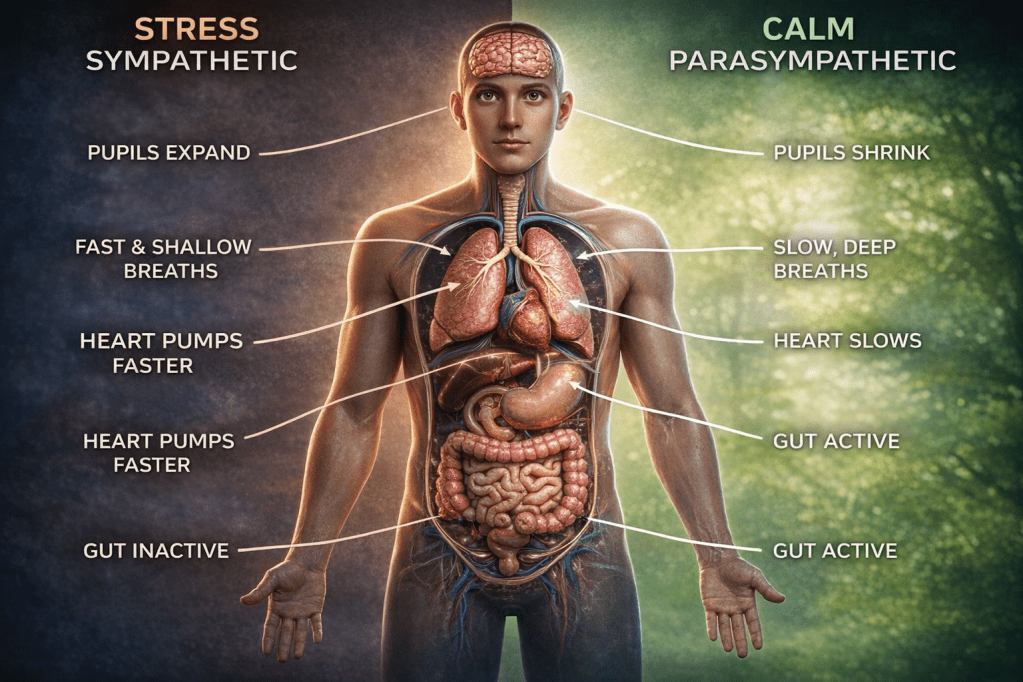
Core MechanismPhysical and energetic control (activates the parasympathetic system)Observation without control (calms mental fluctuations)
Immediate ResultsQuick relief from stress and tensionLong-term clarity, emotional balance, and insight
Ideal ForBeginners needing grounding or energy releasePractitioners seeking stillness, awareness, or spiritual depth
InterconnectionPrepares the body for meditationDeepens the awareness achieved through breathwork

🌸 Yoga947 Insight:
“Breath anchors the body — awareness steadies the soul.”
When the two merge, you move from doing to simply being.


Why People Are Drawn to These Practices

Most individuals arrive at meditation or breathwork not through curiosity, but through necessity — the need for peace, healing, or reconnection.
Some of the most common reasons include:

  • Overwhelming stress and burnout
  • Desire for emotional balance and clarity
  • Healing from grief or trauma
  • Curiosity about self-growth or spiritual awareness
  • A wish to live with intention and presence

The truth is: both breathwork and meditation are natural to us — they are our return to wholeness.


How to Begin Your Practice (Yoga947 Beginner Routine)

  1. Find a quiet space. Sit comfortably or lie down.
  2. Start with breath awareness. Gently inhale through the nose, exhale through the mouth.
  3. Count your breaths. Inhale for 4, hold for 2, exhale for 6. Repeat for 2–3 minutes.
  4. Transition into observation. Allow your breath to return to normal. Observe sensations, thoughts, or sounds without judgment.
  5. End with gratitude. Whisper silently: “I am calm, I am aware, I am home.”

This gentle five-minute practice can be the foundation for both breathwork and meditation, blending the body’s rhythm with the mind’s stillness.


Final Thoughts

Breathwork and meditation are not rivals — they are two halves of the same circle.
Breath brings you into the body. Meditation brings you into awareness. Together, they return you to your natural state of peace.

When practiced with consistency, these tools don’t just quiet the mind — they awaken the heart.

“The breath teaches you how to live. Meditation teaches you how to be.” — Yoga947

Vipassana Meditation: Seeing Life as It Truly Is

Discover how an ancient practice helps modern minds find clarity, healing, and emotional balance.


The Stillness Beneath the Noise

In a world filled with endless noise, silence becomes a rare luxury. Centuries ago, a simple yet profound path emerged — Vipassana Meditation, a timeless method of self-understanding and liberation.

This practice invites us to observe the flow of sensations, emotions, and thoughts with pure awareness — revealing the truth beneath mental chaos.


The Origins of Vipassana Meditation

The term Vipassana comes from the ancient Pali language, meaning “clear seeing.” Over 2,500 years ago, Gautama Buddha rediscovered this practice as the heart of mindfulness — the art of observing reality exactly as it is.

A Journey Through Time

  • India (5th Century BCE):
    Vipassana formed the foundation of the Buddha’s path to enlightenment — understanding impermanence (anicca), suffering (dukkha), and non-self (anatta).
  • Sri Lanka & Southeast Asia:
    Preserved within monastic communities in Burma, Thailand, and Sri Lanka, the technique continued to thrive for centuries.
  • The Modern Revival:
    In the 1950s, Sayagyi U Ba Khin began teaching Vipassana to everyday people. His student, S.N. Goenka, would later expand the teachings worldwide — founding non-commercial retreat centers open to all.
  • Global Presence:
    Today, Vipassana centers operate on every continent, offering insight meditation to millions as a universal human practice — beyond religion, belief, or background.

At its core, Vipassana is not about religion or belief, but about cultivating wisdom through direct experience — learning to see impermanence (anicca), suffering (dukkha), and non-self (anatta).How Vipassana Differs from Other Meditation Styles

StyleFocusKey Technique
VipassanaObservation & awarenessMindful scanning of sensations
MindfulnessPresent moment focusAnchoring awareness to breath/thoughts
TranscendentalMantra repetitionSound vibration to transcend thought
ChakraEnergy alignmentVisualization & sound
Heart-CenteredCompassion & emotionLoving-kindness (Metta)


The Practice: Seeing Without Reaction

Unlike guided visualizations or mantra repetition, Vipassana focuses on direct observation.

The Three Core Steps:

  1. Breath Awareness (Anapana):
    Focus on the natural breath to sharpen the mind.
  2. Body Scanning:
    Move attention systematically through bodily sensations without labeling them as good or bad.
  3. Understanding Impermanence:
    Realize that sensations, thoughts, and emotions constantly rise and pass — teaching balance and equanimity.

Through regular practice, we begin to respond to life rather than react — cultivating deep emotional stability.


Modern Research & Case Studies

Science continues to affirm what ancient practitioners already knew: Vipassana changes the brain.

  • Improved Emotional Regulation:
    A 2019 Mindfulness study revealed that Vipassana reduces overactivity in the amygdala (the fear center), helping practitioners manage emotions calmly.
  • Greater Compassion and Self-Awareness:
    A Journal of Humanistic Psychology study found long-term practitioners display higher empathy and interpersonal understanding.
  • Stress and Sleep Improvements:
    Research from the University of Massachusetts showed that a 10-day Vipassana retreat lowers cortisol and enhances overall well-being.

Real-life stories mirror these findings: participants describe inner peace, renewed purpose, and emotional healing after completing a retreat.


Integrating Vipassana Into Daily Life

You don’t need a monastery to begin. Here’s how to bring insight into your everyday rhythm:

  1. Start with 10 minutes of mindful breathing each morning.
  2. Observe sensations — warmth, tingling, or tightness — without reacting.
  3. Pause before responding in conversations or stress moments.
  4. Reflect in a mindfulness journal:
    “What did I notice today that I usually overlook?”

Small, consistent practices plant deep roots of awareness.


Recommended Reading

Enhance your understanding with these timeless resources:

  • The Art of LivingS.N. Goenka
  • In the Buddha’s WordsBhikkhu Bodhi
  • Mindfulness in Plain EnglishBhante Henepola Gunaratana
  • Old Path White CloudsThich Nhat Hanh

These texts blend philosophy with practical mindfulness for all levels.


🕉️ International Vipassana Retreats

Experience authentic Vipassana at globally recognized centers — open to beginners and experienced meditators alike:

Each retreat runs entirely on donations — emphasizing equality, mindfulness, and generosity.


Final Reflections

Vipassana teaches us that peace isn’t found through escape, but through observation and understanding.
When we learn to witness sensations without reaction, we begin to live with greater freedom and compassion.

“When you see the truth directly, the mind becomes still — and that stillness is freedom.”

✨ Continue your journey with Yoga947:
🎧 Listen to the Guided Body Scan Meditation Audio
📘 Download your Free 3-Day Vipassana Reflection Journal

COMING SOON!

Find peace through awareness — one breath at a time.


Beginner’s Guide to Qigong Meditation

Awaken Your Inner Energy Flow Through Stillness and Breath

Introduction: The Art of Gentle Energy Cultivation

Qigong Meditation (氣功冥想)

Meaning:

  • “Qi” (氣) = life energy or vital breath
  • “Gong” (功) = skill, cultivation, or mastery
    So Qigong means “the skill of working with life energy.”

Purpose:
Qigong meditation focuses on balancing, gathering, and circulating Qi within the body to promote healing, longevity, and spiritual awareness.
It combines slow, flowing movements, breathing techniques, and visualizations to open the body’s meridians (energy pathways).

Qigong meditation (pronounced chee-gong) is an ancient Chinese practice that harmonizes mind, body, and energy. Often described as “moving meditation,” Qigong blends slow rhythmic movement, conscious breathing, and mindful awareness to restore balance and vitality from within.

While yoga focuses on prana — the life force that flows through every living being — Qigong focuses on qi (or chi), the same vital energy that animates the body and the universe. Both systems share a common goal: to awaken a deeper connection between the physical and spiritual self.


 The Roots of Qigong

The origins of Qigong reach back over 4,000 years to ancient China, where healers, monks, and martial artists developed it as a form of energy medicine and spiritual cultivation.

Early Daoist practitioners used Qigong to balance yin and yang — the natural opposites within the body. Over centuries, it evolved into multiple styles: medical Qigong for healing, martial Qigong for strength, and spiritual Qigong for enlightenment.

Today, Qigong is practiced worldwide and has been recognized by wellness experts and medical research institutions for its calming, restorative effects on the nervous system, mood, and overall vitality.
(Sources: Cleveland Clinic, Healthline, Taoist Sanctuary, YMAA Institute)


 The Purpose of Qigong Meditation

At its heart, Qigong meditation teaches us to return to the natural flow of energy within.

It encourages:

  • Relaxation of the body – releasing physical tension and blockages
  • Calmness of the mind – softening mental noise through gentle focus
  • Awareness of breath – connecting inner and outer rhythm
  • Cultivation of qi – restoring life force to all organs and cells

Practicing Qigong is like recharging your internal battery — you learn to gather energy, circulate it, and store it for healing and resilience.


 Benefits for Mind, Body & Spirit

Scientific and traditional teachings both highlight a wide range of benefits from Qigong meditation:

MindBodySpirit
Reduces anxiety and stressImproves balance and postureDeepens inner awareness
Enhances focus and clarityLowers blood pressureAwakens energetic sensitivity
Supports emotional stabilityBoosts immune functionCultivates peace and gratitude
Improves sleep qualityIncreases flexibilityConnects you with nature’s rhythm

Modern research (National Library of Medicine, Brown University 2023) confirms that regular Qigong practice improves emotional regulation, fatigue, and quality of life.


 Simple Beginner Practice: 5-Minute Qigong Meditation

Step 1: Ground Yourself
Stand with feet shoulder-width apart.
Keep your spine tall and knees slightly bent.
Relax your shoulders and jaw.

Step 2: Breathe Naturally
Close your eyes gently.
Take slow breaths — in through your nose, out through your mouth.
Feel your belly rise and fall with each breath.

Step 3: Gather Energy
Imagine a soft golden light above your head.
With each inhale, let it flow down through your body — head, shoulders, heart, belly, and legs — into the earth.

Step 4: Circulate and Calm
Now imagine this light returning upward with your exhale, completing a gentle loop through your body.
Smile softly and feel the warmth of inner balance.

Step 5: Close the Practice
Bring your hands together over your lower abdomen (the Dantian).
Take three slow breaths, silently thanking your body for its energy.
End with a gentle bow or smile.

 Practice daily for 5–10 minutes to feel a noticeable calm in your body and clarity in your mind.


 How Qigong Complements Yoga Practice

For the Yoga947 community, Qigong meditation beautifully complements yoga by:

  • Offering gentle movement on days when physical asanas feel intense
  • Enhancing energy awareness during breathwork and meditation
  • Supporting emotional grounding through still standing or seated postures
  • Providing a holistic balance between action (yang) and rest (yin)

Together, Yoga and Qigong create a complete cycle — one that nurtures vitality, peace, and presence.

Qigong Meditation – Frequently Asked Questions (FAQ)

By Yoga947

1. What is Qigong?

Qigong (pronounced “chee-gong”) is an ancient Chinese healing and movement practice that combines gentle physical postures, breathing techniques, and focused intention to cultivate Qi (life force energy). It’s designed to harmonize the body, mind, and spirit through mindful movement.


2. How does Qigong differ from Tai Chi?

Both Qigong and Tai Chi share similar roots in Chinese philosophy and energy medicine. Qigong focuses more on internal energy cultivation and can include standing, sitting, or moving meditations. Tai Chi, on the other hand, is a structured martial art form involving a set sequence of slow, graceful movements. Think of Qigong as the foundation from which Tai Chi evolved.


3. What are the main benefits of practicing Qigong?

Regular Qigong practice can help:

  • Reduce stress and anxiety
  • Boost immune function and circulation
  • Improve flexibility, balance, and coordination
  • Enhance focus and emotional stability
  • Support spiritual awareness and inner peace

Many practitioners describe it as a gentle yet powerful self-healing art.


4. Is Qigong suitable for beginners?

Absolutely! Qigong is accessible to all ages and fitness levels. Movements can be modified or performed seated, making it ideal for beginners or those recovering from illness or fatigue. You don’t need any special equipment — just a calm space and comfortable clothing.


5. How often should I practice Qigong?

Even 5–10 minutes daily can bring noticeable calm and balance. Over time, consistent practice helps you tune into your body’s natural rhythms and improve your overall energy flow.


6. Can Qigong help with emotional healing?

Yes. Qigong encourages a mind-body connection that allows stored emotions to gently release through breath and movement. Many practitioners use Qigong to cultivate emotional resilience, forgiveness, and self-compassion.


7. Is Qigong a spiritual practice?

Qigong can be purely physical, meditative, or deeply spiritual — depending on your intention. Traditionally, it integrates Taoist and Buddhist philosophies, focusing on unity with nature, mindfulness, and the cultivation of inner stillness.


8. Do I need a teacher to learn Qigong?

While self-practice videos and online guides are helpful, learning from a qualified Qigong instructor — even for a few sessions — can ensure correct posture, breathing, and energy awareness. Yoga947 also offers guided meditation resources to help you begin safely at home.


9. How soon will I feel results from Qigong?

Some people notice an immediate sense of calm and clarity after one session. With regular practice, deeper benefits such as increased vitality, better sleep, and improved focus develop gradually over weeks or months.


10. How can I start a Qigong meditation routine with Yoga947?

Visit Yoga947.com to explore our guided Qigong Meditation steps, complete with beginner-friendly scripts, soothing audios, and printable wellness tools to support your energy journey. 

Coming Soon!


 Final Reflection: Flow Where Energy Meets Awareness

Qigong meditation reminds us that healing begins within.
Each mindful breath restores harmony between the body and the natural world — a reminder that stillness is strength, and movement is meditation.

Whether you stand beneath the sky or sit in silent breath, your qi flows through all that you are.
Start today — just five minutes of Qigong can awaken a lifetime of inner calm.


References & Suggested Reading

  • Cleveland Clinic. What Are the Health Benefits of Qigong? (2023)
  • Peter Deadman. A Brief History of Qigong (2021)
  • Brown University Research. Qigong and Fatigue Reduction in Cancer Survivors (2023)
  • YMAA Publications. The Root of Chinese Qigong by Dr. Yang, Jwing-Ming
  • Taoist Sanctuary of San Diego. History of Qigong

National Center for Complementary and Integrative Health (NCCIH): Qigong Overview

Transform Relationships with Insight Dialogue Meditation

Introduction

When most people think of meditation, they imagine a solitary practice: sitting silently, eyes closed, focusing inward. Yet, some of the deepest moments of awareness and transformation can arise in relationships with others. This is the essence of Insight Dialogue Meditation—a unique, interpersonal meditation practice that brings mindfulness into dialogue and human connection.


What Is Insight Dialogue Meditation?

Insight Dialogue (ID) is a form of relational meditation developed by Buddhist teacher Gregory Kramer in the 1990s. Unlike silent meditation, where awareness is directed inward, Insight Dialogue involves two or more people engaging in structured dialogue while practicing mindfulness.

At its core, Insight Dialogue weaves together three elements:

  1. Meditation – grounding in present-moment awareness.
  2. Dialogue – speaking and listening mindfully with others.
  3. Wisdom traditions – drawing from Buddhist teachings of insight and compassion.

Participants are guided by principles such as:

  • Pause – stopping before reacting.
  • Relax – softening tension in the body and mind.
  • Open – making space for deeper presence.
  • Attune to emergence – staying present with what unfolds in dialogue.
  • Listen deeply – hearing without judgment.
  • Speak the truth – sharing authentically from the heart.

This combination allows meditators to not only deepen individual mindfulness but also transform the way they relate to others.


The Origins of Insight Dialogue

Insight Dialogue draws from two main streams:

  1. Buddhist Vipassanā (Insight) Meditation
    Rooted in Theravāda Buddhism, Vipassanā practice emphasizes seeing clearly into the nature of experience—impermanence, suffering, and non-self. Gregory Kramer extended these principles beyond the meditation cushion into conversation.
  2. Contemplative Dialogue & Relational Practices
    Dialogue as a spiritual tool has existed in many traditions—think of Socratic dialogues in ancient Greece, or Quaker meetings that emphasize listening in silence. Insight Dialogue integrates mindfulness and compassion into this relational field.

Since the 1990s, the practice has spread globally, taught in Buddhist retreat centers, mindfulness communities, and even professional healthcare and leadership settings.


Benefits of Insight Dialogue Meditation

  1. Deepened Mindfulness in Relationships
    Practitioners learn to stay present not only with themselves but also with others—fostering compassion and less reactivity in daily life.
  2. Healing Through Authentic Communication
    By speaking truthfully and listening deeply, many participants experience emotional release, healing from past wounds, and increased empathy.
  3. Reduced Stress and Anxiety
    Research has shown that practicing Insight Dialogue lowers stress markers, similar to other forms of meditation, while also strengthening interpersonal resilience.
  4. Conflict Transformation
    Because the practice teaches pausing, relaxing, and attuning, it has been applied in group conflict resolution and peace-building efforts.
  5. Spiritual Growth
    For those practicing within a Buddhist framework, ID supports insight into impermanence and interconnectedness—not just intellectually, but experientially in real relationships.

Case Studies & Research

1. Mindfulness in Healthcare Teams (2018 Study)
A study published in the Journal of Compassionate Health Care introduced Insight Dialogue to nurses and physicians. Participants reported improved empathy toward patients and better communication with colleagues, reducing workplace burnout.

2. Peace-Building in Thailand (Gregory Kramer, 2006)
Kramer documented using Insight Dialogue in Buddhist communities in Thailand. Monastics and laypeople practiced speaking and listening deeply across social divides, leading to more compassionate community discussions.

3. Trauma Healing Circles (Nonprofit Applications, 2015–present)
Nonprofits in the U.S. have used Insight Dialogue with trauma survivors. By practicing “Pause, Relax, Open,” participants were able to share their stories with less fear and more grounding, leading to reports of reduced PTSD symptoms.

4. Leadership & Corporate Training
Some organizations have adapted Insight Dialogue for leadership development. Case reports suggest increased emotional intelligence and reduced conflicts in teams where mindful dialogue was introduced.


Conclusion

Insight Dialogue Meditation is more than a practice of mindfulness—it is a way of transforming how we relate to ourselves, others, and the world. By merging meditative awareness with authentic dialogue, it offers a powerful path for healing, empathy, and wisdom.

For anyone seeking to bring mindfulness into relationships, whether in family life, professional settings, or spiritual communities, Insight Dialogue offers a refreshing alternative to solitary meditation.


Next Step for Readers
Consider starting with a simple practice: pause before speaking, breathe, and listen fully. Even small steps of mindful dialogue can ripple into deeper presence and compassion in your daily life.

Discover Acupuncture Meditation for Stress Relief

Introduction

It’s a modern umbrella term for pairing needle (or acupressure/ear seeds) sessions with a meditative state—breathwork, body-scan, mantra, or Daoist/Chan (Zen) styles. Historically, acupuncture and meditation evolved side-by-side in China; today, clinics often blend them to calm the nervous system, ease pain/anxiety, and deepen interoceptive awareness.

Across centuries, humans have searched for ways to calm the body and still the mind. In traditional Chinese medicine (TCM), two such paths developed side by side: acupuncture—the art of guiding qi (vital energy) through fine needles—and meditation, the practice of focusing awareness inward. Today, practitioners and researchers are re-discovering how these two traditions harmonize. The blend, sometimes called acupuncture meditation, pairs mindful awareness with the physiological reset of acupuncture or acupressure.


Where It All Began

  • Early Breath Training: Texts like the Neiye (4th–2nd c. BCE) describe how breath circulates qi to calm the mind. This laid the groundwork for meditative awareness in Chinese healing traditions.
  • Meridian Pathways: Excavated Han-era manuscripts (Mawangdui, ~168 BCE) outlined channels through which qi flows—precursors to today’s acupuncture meridians.
  • Huangdi Neijing (Inner Canon): By the 1st–2nd c. CE, the Lingshu chapter codified acupuncture points, techniques, and the role of shen (spirit/mind) in health.
  • Daoist & Buddhist Influence: From the 3rd–6th centuries CE, visualization and mindfulness practices deepened the physician’s view of body–mind integration. Acupuncture was never just “physical”; it was always linked to the spirit.

What Science Sees Today

  • Pain & Headaches: The UK’s NICE guidelines note acupuncture can be considered for chronic tension-type headaches and migraine prevention.
  • Anxiety & Sleep: Points such as Yintang (between the eyebrows) and HT7 (at the wrist) have been studied for reducing pre-operative anxiety and calming the nervous system.
  • Brain & Body Effects: fMRI scans and heart-rate variability studies show acupuncture can quiet the default-mode network and shift the body toward parasympathetic calm—the same physiological direction meditation moves us toward.
  • Emerging Synergy: Trials combining mindfulness with acupuncture or auricular acupressure report benefits for stress, PTSD, and weight management, though research is still developing.

The Synergy of Acupuncture and Meditation

Integrating acupuncture with meditation creates a synergistic effect that addresses both the body and mind. Acupuncture stimulates the body’s natural healing mechanisms, while meditation calms the mind, reduces stress, and enhances emotional well-being. Together, they promote a holistic sense of balance and health.


Scientific Insights into Acupuncture Meditation

Neurochemical Effects

Research indicates that acupuncture stimulates the release of neurochemicals such as endorphins, serotonin, and GABA, which play roles in pain relief, mood regulation, and relaxation. Meditation practices, particularly mindfulness, have been shown to reduce symptoms of anxiety and depression, improve mood, and enhance stress resilience.

Clinical Evidence

A 2018 clinical trial funded by the U.S. Department of Defense found that meditation was as effective as prolonged exposure therapy in reducing PTSD symptoms and depression among veterans. Similarly, acupuncture has been found to alleviate chronic pain conditions, such as low back pain and knee osteoarthritis.


Real-World Applications and Case Studies

Case Study 1: Stress and Anxiety Reduction

A 35-year-old marketing executive reported high levels of stress and anxiety. After combining acupuncture and Zen meditation, she experienced a significant reduction in stress and anxiety, along with improved mental clarity and focus.

Case Study 2: Chronic Pain Management

A 50-year-old woman with chronic back pain found significant relief after integrating acupuncture and meditation into her routine. She reported reduced pain levels and enhanced overall quality of life.

How to Try an “Acupuncture Meditation” Flow

(Can be done in a clinic, or at home with safe acupressure instead of needles)

Step 1 — Arrival (2 minutes): Sit or lie comfortably. Close your eyes. Take three slow breaths, lengthening each exhale.

Step 2 — Intention (1 minute): Whisper inwardly: “Soften, notice, allow.”

Step 3 — Gentle Acupressure (3–5 minutes):

  • Yintang (EX-HN3): Between the eyebrows — relieves restlessness.
  • HT7 (Shenmen): At the wrist crease on the little-finger side — soothes the spirit.
  • PC6 (Neiguan): Inner forearm, 3 fingerbreadths from the wrist — eases anxiety, steadies breath.
    Press gently with a fingertip for 60–90 seconds each, breathing slowly. Stop if sore or uncomfortable.

Step 4 — Meditation Anchor (5 minutes): Focus on breath or silently repeat a calming phrase. Notice sensations at the points without judgment.

Step 5 — Close (2 minutes): Place palms over your lower abdomen. Take five relaxed breaths. Open your eyes slowly, carrying the calm with you.


Safety Notes for Readers

  • In the UK, acupuncture is not statutorily regulated; choose practitioners registered with a PSA-accredited body (e.g., British Acupuncture Council).
  • Acupressure is generally safe, but avoid it if pregnant (unless guided), or if you have bleeding disorders, are on anticoagulants, or have implanted devices (with electro-acupuncture).
  • Side effects of acupuncture are usually mild (temporary soreness or bruising).

Key Takeaways

  • Meditation and acupuncture evolved together in Chinese culture.
  • Both calm the nervous system and guide awareness inward.
  • Modern studies suggest pairing them enhances relaxation and emotional balance.
  • Safe self-practice is possible with gentle acupressure, but professional guidance deepens the experience.

References & Further Reading

  • Huangdi Neijing (Inner Canon) — foundational acupuncture text.
  • Neiye (Inward Training) — early Chinese meditation manual.
  • NICE Guidance: Headaches in over 12s (UK).
  • NCCIH (US): Acupuncture and Integrative Practices Evidence Maps.
  • Academic reviews on acupuncture, brain networks, and meditation overlap (fMRI + HRV studies).

Conclusion

Acupuncture meditation represents a holistic approach to healing, addressing both physical ailments and mental well-being. By integrating these practices into daily life, individuals can cultivate a balanced and harmonious existence. Embarking on this journey requires dedication, openness, and a willingness to explore the interconnectedness of body and mind.


Affiliate Disclaimer

Yoga947 may contain affiliate links to products, services, or resources we personally find valuable in the areas of health, wellbeing, and lifestyle. This means that if you click on an affiliate link and make a purchase, we may receive a small commission at no extra cost to you.

Please note: The information shared on this blog is for educational and inspirational purposes only. It should not be taken as medical advice, diagnosis, or treatment. Every person’s body and circumstances are unique, and what works for one individual may not be suitable for another.

We strongly recommend that you consult with a qualified healthcare professional before making any decisions related to your health, diet, or wellbeing practices.

By using this site, you acknowledge and agree that Yoga947 is not responsible for any outcomes that may result from applying the information, resources, or products mentioned. Your health and safety always come first.

Embark on your journey to balance and healing with acupuncture meditation today. Whether you’re new to these practices or looking to deepen your experience, connect with experienced acupuncturists and meditation guides to begin your transformative journey. Ready to get started?

Start healing from within—your path to wellness begins now.

The Four Phrases of Ho’oponopono Explained

 Introduction: The Power of Four Simple Phrases

What if healing begins with just four simple, heartfelt phrases?
“I’m sorry. Please forgive me. Thank you. I love you.”
This is the essence of Ho’oponopono. It is a sacred Hawaiian meditation practice rooted in forgiveness, reconciliation, and deep emotional transformation.

More than just words, Ho’oponopono offers a spiritual process. It clears pain and restores harmony. It reconnects you to your inner self and others through love and truth.


 The Origins and Ancient Wisdom of Ho’oponopono

Ho’oponopono (pronounced ho-oh-pono-pono) means “to make right, twice over.”
This healing method has been practiced in Polynesian and Hawaiian cultures for centuries. Elders or kahuna lapa’au (spiritual healers) originally performed it in group settings. The purpose was to resolve family or community conflict.

Through prayer, reflection, and collective forgiveness, the aim was to “cleanse” disharmony and realign relationships with divine balance (pono).

Over time, this sacred ritual evolved into a personal spiritual tool for emotional and energetic cleansing, made popular worldwide through the work of Morrnah Simeona, a Hawaiian healing priestess, and later Dr. Ihaleakala Hew Len. He applied it in remarkable ways. For instance, he healed a ward of mentally ill criminals. He did this not through therapy, but by reading their files and working on his own internal healing through Ho’oponopono.


 How Ho’oponopono Works: Clearing Memory and Energy

At its heart, Ho’oponopono is about responsibility and energetic cleaning.

Rather than blaming others for pain or conflict, this practice invites us to take responsibility fully. We do this not out of guilt, but with the understanding that our outer world connects to our inner state. When we clear old stories, beliefs, or energetic imprints, we shift reality for ourselves and those around us.

The Four Core Mantra Lines:

  • I’m sorry – Acknowledging the hurt or misalignment
  • Please forgive me – Inviting grace and healing
  • Thank you – Gratitude for the process and release
  • I love you – The ultimate restoring power of divine love


These can be silently repeated during meditation, journaling, or in emotionally charged moments. The repetition creates space for release, reconciliation, and renewal.


 Emotional Benefits of Ho’oponopono Meditation

Practicing Ho’oponopono regularly has been known to support:

  •  Relief from emotional heaviness, shame, or unresolved guilt
  •  Freedom from past trauma, difficult relationships, or inner conflict
  •  Energetic clarity, improved sleep, and greater inner peace
  •  Deeper compassion for yourself and others
  •  Breaking cycles of toxic thought patterns and blame
  •  Spiritual cleansing and increased synchronicity in life

 Real-Life Case Reflections

  • A grief-stricken mother used Ho’oponopono journaling and mantra repetition to forgive herself for decisions made during her divorce. Over 3 months, she reported reduced anxiety and deeper sleep.
  • A therapist introduced the meditation to trauma survivors, who paired the mantra with breathwork. Many described feeling “unexpected relief” and “a return to self-worth.”
  • An entrepreneur integrated Ho’oponopono into her daily practice to release fears of failure and imposter syndrome. Her business improved as she stopped self-sabotaging.

 How to Practice Ho’oponopono Meditation

Here’s a simple guide to get started:

  1. Find a quiet space. Sit or lie comfortably with your eyes closed.
  2. Take 3 deep breaths. Feel your body relax.
  3. Repeat the 4 phrases slowly and mindfully:
    “I’m sorry. Please forgive me. Thank you. I love you.”
    You can direct them inward, toward a specific person, or a situation.
  4. Let emotions rise. Allow anything to surface — tears, resistance, peace.
  5. End with stillness. Sit quietly and observe how your energy has shifted.

Practice this daily or during challenging emotional moments. Pairing it with journaling or soothing audio can deepen the effects.


Ho’oponopono isn’t just a meditation — it’s a loving way of living.
Each time we say, “I’m sorry. Please forgive me. Thank you. I love you,” we soften our heart and reconnect with the sacred truth that we are all capable of healing.

Whether you’re seeking closure, peace, or a new emotional beginning, this practice welcomes you home to yourself.


Conclusion

Ho’oponopono isn’t just a meditation — it’s a loving way of living.
Each time we say, “I’m sorry. Please forgive me. Thank you. I love you,” we soften our heart and reconnect with the sacred truth that we are all capable of healing.

Whether you’re seeking closure, peace, or a new emotional beginning, this practice welcomes you home to yourself.

Frequently Asked Questions: Ho’oponopono Meditation

1. What is the purpose of Ho’oponopono meditation?
Ho’oponopono is a Hawaiian healing practice that focuses on reconciliation, forgiveness, and emotional cleansing. Meditation is used to clear limiting beliefs, trauma, or emotional blockages by repeating healing phrases and reconnecting with the self or others on a soul level.

2. How do you pronounce Ho’oponopono?
It is pronounced as ho-oh-pono-pono — each syllable is spoken clearly and gently.

3. What are the four main phrases used in the practice?
The core mantras are:
💬 I’m sorry
💬 Please forgive me
💬 Thank you
💬 I love you
These phrases are repeated in a meditative rhythm to promote self-healing, forgiveness, and transformation.

4. Do I have to say the phrases out loud?
No, you can say them silently in your mind, whisper them, or write them in a journal. What matters is your intention and emotional presence.

5. Is Ho’oponopono a religious practice?
No, Ho’oponopono is a spiritual and cultural healing practice rooted in Hawaiian tradition. It is not affiliated with any one religion and can be practiced by anyone regardless of belief system.

6. How often should I practice Ho’oponopono meditation?
You can practice it daily or whenever you feel emotionally blocked, triggered, or in need of clarity and peace. Even 5–10 minutes a day can have profound effects.

7. Can I use Ho’oponopono to heal relationships?
Yes, one of the core uses of this meditation is to clear negative energy in relationships — whether you are currently in contact with the person or not. Healing occurs energetically, beginning within yourself.

8. Can I practice Ho’oponopono for someone else?
Yes, this practice acknowledges that healing yourself has a ripple effect. When you release blame, pain, or judgment within, you contribute to the healing of others as well — especially those you’re focused on.

9. What can I expect to feel during or after the meditation?
You may experience deep emotional release, a sense of peace, tears, warmth in the body, or a mental shift. Others may feel subtle changes over time. Each session can be different.

10. Are there any tools that can help me with the practice?
Yes! Guided audio meditations, printable mantra cards, and journaling prompts (like those found in the Yoga947 Ho’oponopono PDF kit) are excellent support tools for deepening your journey.

Journaling through Writing Meditation: A Path to Clarity

Introduction: The Pen as a Portal

Imagine sitting in stillness. Pen in hand, heart open. Each word flows onto the page not as a task, but as a meditation. Writing meditation is more than journaling. It is a mindful practice that merges stillness with expression, allowing the subconscious to speak freely. As ancient as storytelling itself, writing meditation reconnects us to inner truth, clarity, and emotional release.


 Origins: Where Writing Meditation Began

Writing as a meditative act has deep roots across cultures:

  • Ancient Egypt & Mesopotamia: Scribes wrote sacred texts and prayers as part of ritual devotion. Writing was a divine channel—a way to commune with gods.
  • Taoist and Zen Traditions: In ancient China and Japan, calligraphy was a spiritual art. Practitioners believed that writing characters with intention train could the mind, balance chi, and embody presence.
  • Medieval Christian Mystics: Monks engaged in lectio divina, reading and scribing sacred texts to enter contemplative states.
  • Indigenous Storytelling: Oral traditions dominated. The act of creating story, whether later written or preserved through generations, served as a communal meditation. It reflected on values, dreams, and healing.

Writing as meditation began not as a trend. It served as a sacred bridge between the self and the divine. It connected the conscious and the unconscious.


 Why Writing Meditation Still Matters Today

In an age of distraction and over stimulation, writing meditation offers:

  • Mental clarity: It quiets the mental noise, bringing attention back to the present.
  • Emotional regulation: It helps process grief, anger, joy, and confusion in a safe, nonjudgmental space.
  • Self-inquiry: Writing enables deeper introspection and spiritual insight.
  • Creative unlocking: Many artists use meditative writing to connect with their muse.
  • Trauma release: Evidence suggests expressive writing lowers stress and even strengthens immune function.

 Resources to Support Your Writing Meditation Practice

Here are accessible tools to begin or deepen your journey:

Books

  • Writing Down the Bones by Natalie Goldberg — A blend of Zen and creative writing.
  • The Artist’s Way by Julia Cameron — Introduces the “Morning Pages” ritual.
  • Opening Up by Writing It Down by James Pennebaker — A scientific look at the healing power of writing.
  • The Sacred Path of the Warrior by Chögyam Trungpa — Offers meditative perspectives for writers and creatives.

Tools & Rituals

  • Morning Pages: A daily practice of writing 3 free-form pages first thing in the morning.
  • Writing Altar: Set up a candle, a crystal, or sacred object where you write.
  • Timed writing: Use 10-15 minute timers to stay focused.
  • Prompt jars: Create a collection of personal or spiritual prompts for introspection.

Online Platforms & Communities

  • Insight Timer (guided writing meditations)
  • Yoga947.com’s own upcoming Writing Meditation Journal & Toolkit


️ Case Studies: Real Voices, Real Healing

Case 1: “Healing Through Grief” – Layla, 42
Layla lost her father unexpectedly. She began writing each morning, addressing letters to him. Over time, this practice shifted her from heartbreak to peace, as she found forgiveness and meaning through her words.

Case 2: “Writer’s Block & The Inner Child” – Miko, 29
Miko, a poet, faced burnout and creative paralysis. A guided writing meditation focused on inner child healing helped her rediscover the joy of play. It revived her imagination and reignited her voice.

Case 3: “Manifestation Writing” – Aaron, 35
Aaron used a daily meditation. He wrote out his ideal life with gratitude, clarity, and presence. Within months, he found new direction in career and relationships, crediting writing as the visualization anchor.


How to Begin: A Simple Writing Meditation Practice

  1. Create Sacred Space: Light a candle, burn incense, or sit by a window.
  2. Breathe: Take 3 deep breaths. Close your eyes for 30 seconds.
  3. Set Intention: Silently ask, “What does my soul need to say today?”
  4. Write Freely for 10 Minutes: No filters, no editing. Let it flow.
  5. Close with Gratitude: Reread what you wrote and say “thank you” to yourself.

Prompt Ideas:

  • What emotion needs my attention right now?
  • What is my inner child trying to tell me?
  • If I write a letter to my future self, what would it say?

 Begin Your Writing Meditation Journey Today

Ready to explore the healing power of writing?


Final Thought: Your Words Are Sacred

You don’t need to be a poet to practice writing meditation. All you need is a willingness to listen and the courage to put pen to page. Let this ancient practice carry you home—to yourself.

Exploring the Power of Mudras in Meditation

In the world of yoga and meditation, Mudras are powerful tools—often overlooked but deeply transformative. These symbolic hand gestures are visually beautiful. They serve as energy gateways that can enhance your meditation. They balance your body and deepen your spiritual practice.

In this post, we’ll explore the meaning and origins of Mudras. We will discuss how they work within meditation and their yogic connection. We will also look at the benefits they offer. Lastly, you’ll learn how you can begin using them today for a calmer, more connected life.


What Are Mudras?

The word Mudra (Sanskrit: मुद्रा) means “seal,” “gesture,” or “symbol.” In yoga and meditation traditions, Mudras are deliberate hand or body positions. They are believed to channel energy flow within the body. They are commonly used during pranayama (breathwork), dhyana (meditation), and asana (physical postures). These practices help to deepen focus and cultivate specific states of mind. They also stimulate physical or energetic healing.

Mudras work on the premise that each finger represents one of the five elements:

  • Thumb – Fire (Agni)
  • Index Finger – Air (Vayu)
  • Middle Finger – Ether/Space (Akasha)
  • Ring Finger – Earth (Prithvi)
  • Little Finger – Water (Jala)

By positioning the fingers in specific ways, practitioners can influence the flow of prana (life force energy). This practice helps restore balance and heal imbalances in the mind and body.


The Origins and History of Mudras

Mudras have ancient roots, appearing in Indian texts and art dating back over 3,000 years. They were used in Hinduism, Buddhism, and Jainism for both religious rituals and personal spiritual practice. Statues of the Buddha and depictions of Hindu deities often show symbolic Mudras. These Mudras represent peace, fearlessness, teaching, and divine connection.

Historically, yogis used Mudras during long meditation retreats to help retain focus and channel subtle energies more effectively. Over time, Mudras became integrated into Hatha Yoga, Kundalini Yoga, and even traditional healing systems like Ayurveda.


Mudras in Meditation: A Pathway to Stillness

In meditation, Mudras serve as energetic anchors. They help:

  • Calm the nervous system
  • Ground the mind in the present moment
  • Awaken subtle energetic pathways
  • Strengthen intention and awareness

You can incorporate Mudras while seated in meditation, lying in relaxation (such as Savasana), or during walking meditations. The simple act of forming a Mudra can signal your brain to enter a specific mental or emotional state.


Five Powerful Mudras to Start With

  1. Gyan Mudra (Mudra of Knowledge)
    • Touch the tip of the index finger to the thumb.
    • Benefits: Boosts concentration, sharpens memory, and inspires calm thinking.
  2. Chin Mudra (Gesture of Consciousness)
    • Similar to Gyan, but palms face down.
    • Benefits: Grounds the mind, enhances self-awareness.
  3. Prana Mudra (Life Force Gesture)
    • Touch the tip of the ring and little fingers to the thumb.
    • Benefits: Increases vitality, reduces fatigue, and supports immune function.
  4. Apana Mudra (Energy of Elimination)
    • Touch the tip of the middle and ring fingers to the thumb.
    • Benefits: Aids digestion, detoxification, and emotional release.
  5. Dhyana Mudra (Meditation Gesture)
    • Rest one hand over the other in your lap, thumbs touching to form an oval.
    • Benefits: Enhances deep meditation, inner peace, and spiritual insight.

How Mudras Support Meditation and Well-Being

Mudra Meditation offers more than symbolic hand movements—it brings tangible benefits:

  • Reduces stress and anxiety
  • Balances the elements within the body
  • Enhances mental clarity and focus
  • Awakens energy centers (chakras)
  • Improves emotional regulation and mindfulness
  • Supports spiritual growth and intuitive awareness

Many practitioners report that adding Mudras to their routine strengthens the effects of breathwork. It also enhances seated meditation. This practice allows them to enter deeper states of relaxation and gain more insight.


The Connection Between Mudras and Yoga

Your main focus may be meditation. It’s helpful to know that Mudras are woven into many yoga styles. These include Kundalini Yoga, Hatha Yoga, and Restorative Yoga. When paired with breath control and movement, Mudras can help circulate energy through the body’s nadis (energy channels). They can also circulate energy through chakras, supporting healing and balance.

In this way, Mudras become bridges between the outer practice of movement and the inner practice of stillness.


Case Study: Transforming a Meditation Practice with Mudras

Grace, a beginner meditator, struggled with staying focused during her morning practice. After incorporating Gyan Mudra with slow breathing, she found her thoughts quieted faster and her body felt more relaxed. Within weeks, she began exploring other Mudras like Apana and Prana to support digestion and emotional balance. “I never realized how something so small—just a hand gesture—could shift my whole energy,” she said.


Support Groups and Learning Resources

For those interested in deepening their Mudra Meditation journey, there are several helpful options:

  • 🧘 Local Workshops & Yoga Studios: Many host Mudra-based meditation classes or workshops.
  • Online Communities: Facebook groups, forums like Reddit’s r/Meditation, and YouTube channels offer guidance and shared experiences.
  • Books & PDFs: Consider titles like The Healing Power of Mudras. You can also join the Yoga947 guided meditation library to access printable guides. Additionally, find audio meditations there.
  • Yoga947 Community: Join our beginner-friendly meditation challenges, including weekly blogs, Mudra meditations and Chakra healing awareness.

Call to Action: Begin Your Mudra Meditation Journey Today

Are you ready to experience the power of Mudras?

Start by selecting just one Mudra—like Gyan or Prana—and incorporate it into your next meditation. Even five minutes a day can awaken new layers of stillness, balance, and insight.

🖐️ Join the Yoga947 Meditation Library for guided Mudra meditations. Access printable cheat sheets and calming audio practices. These resources are designed to support your wellness journey—wherever you are.

>> Discover your inner calm—one Mudra at a time.

Transform Your Sleep with Guided Meditation

Introduction

In our fast-paced, overstimulated world, quality sleep has become a rare luxury. For many, winding down at night feels impossible. The mind races through to-do lists, and screens glow with notifications. Stress clings to the body. Sleep meditation offers a natural, calming solution. More than just a nighttime ritual, it’s a healing practice rooted in ancient wisdom. It gently lulls both body and mind into deep relaxation. This relaxation promotes restorative sleep and long-term wellness.

At Yoga947, we embrace the holistic union of body, mind, and spirit. Sleep meditation is not merely about falling asleep faster. It’s about reconnecting with your inner stillness. It involves releasing stored tension and allowing your nervous system to return to balance. But where did this powerful practice begin?


The Origins of Sleep Meditation

Meditative practices aimed at rest and healing have ancient roots:

Temple Sleep (Incubation Rituals)

In ancient Egypt, a spiritual practice known as “incubation” or “temple sleep” was used for healing and divine communication. People would sleep in sacred temples. They preferred those dedicated to Imhotep (the physician-god) or Serapis. This was done to receive dreams believed to contain messages or healing from the gods.

  • These rituals often included fasting, purification, and prayer before sleep.
  • The dreams were interpreted by temple priests or oracles.
  • This was both a spiritual and therapeutic process, aimed at healing physical ailments or resolving inner conflict.

While not called “meditation” in the modern sense, the intention is to enter sleep consciously. This allows one to access healing and guidance. This practice aligns with core principles of sleep meditation.

  • India – Yogic Sleep (Yoga Nidra): Yoga Nidra dates back thousands of years. It is also known as yogic sleep. Yoga Nidra is one of the earliest forms of sleep meditation. The practice is a guided journey through the body and breath while remaining conscious yet deeply relaxed. It originates from Tantric traditions and was systematized in the 20th century by Swami Satyananda Saraswati.
  • China – Taoist Sleep Meditation: Taoist monks practiced sleep-based meditations in a unique way. They would lie still. This practice allowed them to enter altered states of awareness. These were seen as a form of spiritual and energetic cleansing.
  • Tibetan Dream Yoga: This ancient practice aimed to cultivate awareness in dreams and sleep states. The goal was spiritual development. It involved merging consciousness with rest.
  • Modern Western Integration: In the last few decades, sleep meditation has gained traction. This is through mindfulness-based stress reduction (MBSR) techniques developed by Dr. Jon Kabat-Zinn. It also gained popularity through guided meditations and sleep apps.

The Importance of Sleep Meditation

Sleep is not a luxury—it’s a biological necessity. When sleep is disrupted, so is our emotional regulation, immune function, memory, and decision-making. Meditation enhances sleep by activating the parasympathetic nervous system (rest-and-digest mode), reducing cortisol (stress hormone) levels, and calming the mind.

Sleep meditation is especially important because:

  • It breaks the cycle of insomnia caused by overthinking or anxiety.
  • It resets the circadian rhythm naturally, without medication.
  • It creates a safe space to process emotions or traumas.
  • It supports mental health and emotional balance.

Benefits of Sleep Meditation

Here’s what consistent practice can lead to:

     Physical Benefits

  • Deeper, more restorative sleep
  • Reduced insomnia and sleep latency (time to fall asleep)
  • Lowered heart rate and blood pressure
  • Hormonal balance, especially melatonin and serotonin production

    Mental & Emotional Benefits

  • Reduced anxiety and depression symptoms
  • Fewer racing thoughts at bedtime
  • Greater emotional resilience
  • Improved concentration and mood upon waking

     Long-Term Wellness

  • Strengthened immune function
  • Slowed signs of aging
  • Support in managing chronic pain and trauma-related insomnia
  • Enhanced spiritual connection and inner clarity

Case Studies

 Case Study 1: MBSR and Sleep Quality

In 2015, researchers conducted a randomized clinical trial that was published in JAMA Internal Medicine. They found that older adults with moderate sleep disturbances reported significant improvement in sleep quality. This was after they underwent a 6-week mindfulness meditation program. They also experienced reduced fatigue and had less depression compared to a control group receiving standard sleep education.

 Case Study 2: Yoga Nidra for PTSD and Insomnia

The Veterans Administration (VA) in the United States incorporated iRest Yoga Nidra into therapy for veterans with PTSD. This program is a sleep-oriented meditation. A 2011 study showed that veterans practicing iRest twice a week for eight weeks experienced reduced insomnia. They had lower stress levels. Their PTSD symptoms decreased.

 Case Study 3: Guided Sleep Meditation Apps

A 2020 study published in Digital Health examined the use of popular meditation apps like Calm and Headspace. Participants used sleep meditations nightly for just 10 minutes over a 30-day period. They showed significant improvements in sleep onset, duration, and daytime energy levels. Improvements were especially notable in those with mild anxiety.


Final Thoughts

Sleep meditation is more than a night time tool. It’s a return to natural rhythms. It’s a gentle invitation to let go. It is an act of self-love. You might embrace traditional Yoga Nidra. You could follow guided visualizations. Alternatively, you may simply lie in mindful awareness. This practice supports deep healing and transformation.

At Yoga947, we believe every night holds the potential for profound rest and renewal. Through sleep meditation, you can unlock a peaceful mind, a rested body, and a more radiant tomorrow.

Theta Wave Meditation Integration

Explore Theta Wave Meditation for Deeper Sleep

In addition to guided meditations and Yoga Nidra, sound healing technology offers another pathway to deep rest. Theta wave meditations use brainwave entrainment to guide your mind into the calm, dream-like state experienced just before sleep.

One powerful option is this 20-minute theta sound meditation. Simply listen with headphones to activate healing brain frequencies, reduce stress, and support a deeper, more restorative sleep cycle.

🎧 Perfect for winding down at the end of your day or entering meditation effortlessly.

➡️ Try this Theta meditation audio here.

Affiliate Disclosure: This is an affiliate link. If you choose to purchase, Yoga947 may earn a small commission at no extra cost to you. Thank you for supporting our mindful mission.