A Science-Supported Practice for Nervous System Balance & Emotional Calm
In a culture where the nervous system is constantly overstimulated, many people are searching for gentle, body-based practices that restore balance without effort or overwhelm. Vagus Nerve Humming Meditation offers a simple yet powerful approach — using breath, sound, and vibration to support the body’s natural calming mechanisms.
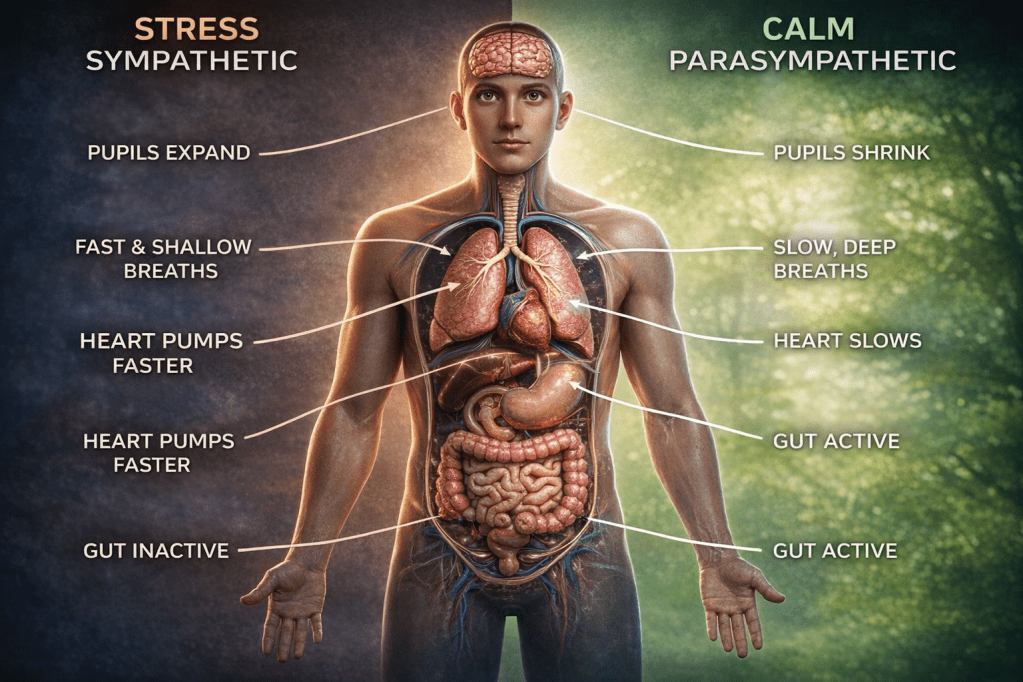
Rooted in ancient yogic wisdom and increasingly supported by modern neuroscience, this practice helps activate the parasympathetic nervous system — the part of the body responsible for rest, digestion, emotional regulation, and recovery.
At Yoga947, we focus on practices that are accessible, grounded, and supportive of real-life nervous system challenges. Vagus nerve humming meditation aligns perfectly with this approach.
Understanding the Vagus Nerve
The vagus nerve is the longest cranial nerve in the human body, extending from the brainstem through the throat, heart, lungs, and digestive organs. It plays a key role in:
- Regulating heart rate and blood pressure
- Supporting digestion and gut–brain communication
- Influencing mood, anxiety, and emotional resilience
- Activating the parasympathetic (“rest & digest”) response
When the vagus nerve is stimulated, the body receives a signal of safety — allowing stress hormones to decrease and calm to emerge naturally.
🕉️ Historical Origins of Humming Meditation

Humming as a meditative and healing practice appears across multiple ancient traditions:
Yogic & Eastern Roots
- Bhramari Pranayama (the “humming bee breath”) has been practiced in yoga for centuries to calm the mind and regulate breath.
- Chanting sounds such as OM were used to create vibrational resonance believed to balance the nervous system.
- Taoist and Buddhist practices also used vocal tones to stabilize awareness and energy.
Transition to Modern Therapeutic Use
Today, humming techniques are used in:
- Trauma-informed yoga
- Polyvagal-informed therapy
- Somatic nervous system regulation practices
Modern science now explains why these ancient practices work.
Science-Based Evidence Supporting Humming Meditation
Research increasingly supports the connection between slow breathing, vocal vibration, and vagal tone.
Key Findings from Research
- Humming (Bhramari pranayama) has been shown to significantly increase parasympathetic nervous system activity, measured through heart rate variability (HRV)
- Increased HRV is associated with better stress resilience and emotional regulation
- Vocal vibration stimulates the vagus nerve via the larynx and breath pathways
🔗 Peer-Reviewed & Medical Sources
You can reference these directly in your blog:
- Humming as a Stress-Reducing Practice (PMC):
https://pmc.ncbi.nlm.nih.gov/articles/PMC10182780/ - Respiratory Vagal Stimulation Model (PMC):
https://pmc.ncbi.nlm.nih.gov/articles/PMC6189422/ - Comprehensive Review of Bhramari Pranayama (IJPP):
https://ijpp.com/exploring-the-health-benefits-of-bhramari-pranayama-humming-bee-breathing-a-comprehensive-literature-review/ - Clinical Perspective on Vagus Nerve Activation (Cleveland Clinic):
https://health.clevelandclinic.org/vagus-nerve-stimulation
These studies suggest that slow breathing combined with sound vibration may support autonomic balance, reduce stress markers, and promote relaxation.
Benefits of Vagus Nerve Humming Meditation

Emotional & Mental Benefits
- Reduced anxiety and emotional overwhelm
- Improved mood and emotional regulation
- Greater sense of safety and grounding
- Enhanced mental clarity
Physical Benefits
- Lower heart rate and blood pressure
- Improved digestion and gut comfort
- Reduced tension in the jaw, throat, and chest
- Support for deeper, more restful sleep
Somatic & Nervous System Benefits
- Increased vagal tone
- Gentle release of stored stress
- Improved mind–body awareness
- Safe, non-invasive nervous system support
How to Practice Vagus Nerve Humming Meditation
Beginner Practice (5–10 Minutes)
- Sit comfortably or lie down in a quiet space
- Inhale slowly through the nose
- Exhale with a gentle hum (mmm or om)
- Feel vibration in the throat, chest, or face
- Continue slowly for 5–10 minutes
Placing one hand on the chest or abdomen can deepen awareness.
Supportive Tools to Enhance the Practice
To help your audience build consistency, you can recommend supportive tools alongside this meditation.
Recommended Supports
- Noise-reducing headphones
- Soft meditation cushions or bolsters
- Weighted blankets (for calming sensory input)
- Journals for nervous system tracking
- Eye pillows or grounding mats
👉 Explore supportive tools here:
🔗 https://yogatrustedsite-space.trustedsite.space/
Support Your Nervous System Naturally
- Explore nervous-system-based practices at Yoga947.com
- Download the upcoming Vagus Nerve Humming Meditation Kit
- Discover calming tools and wellness supports here:
🔗 https://yogatrustedsite-space.trustedsite.space/
“Peace begins within — one breath, one vibration at a time.”
— Yoga947
Discover more from
Subscribe to get the latest posts sent to your email.
 yoga947com.blog