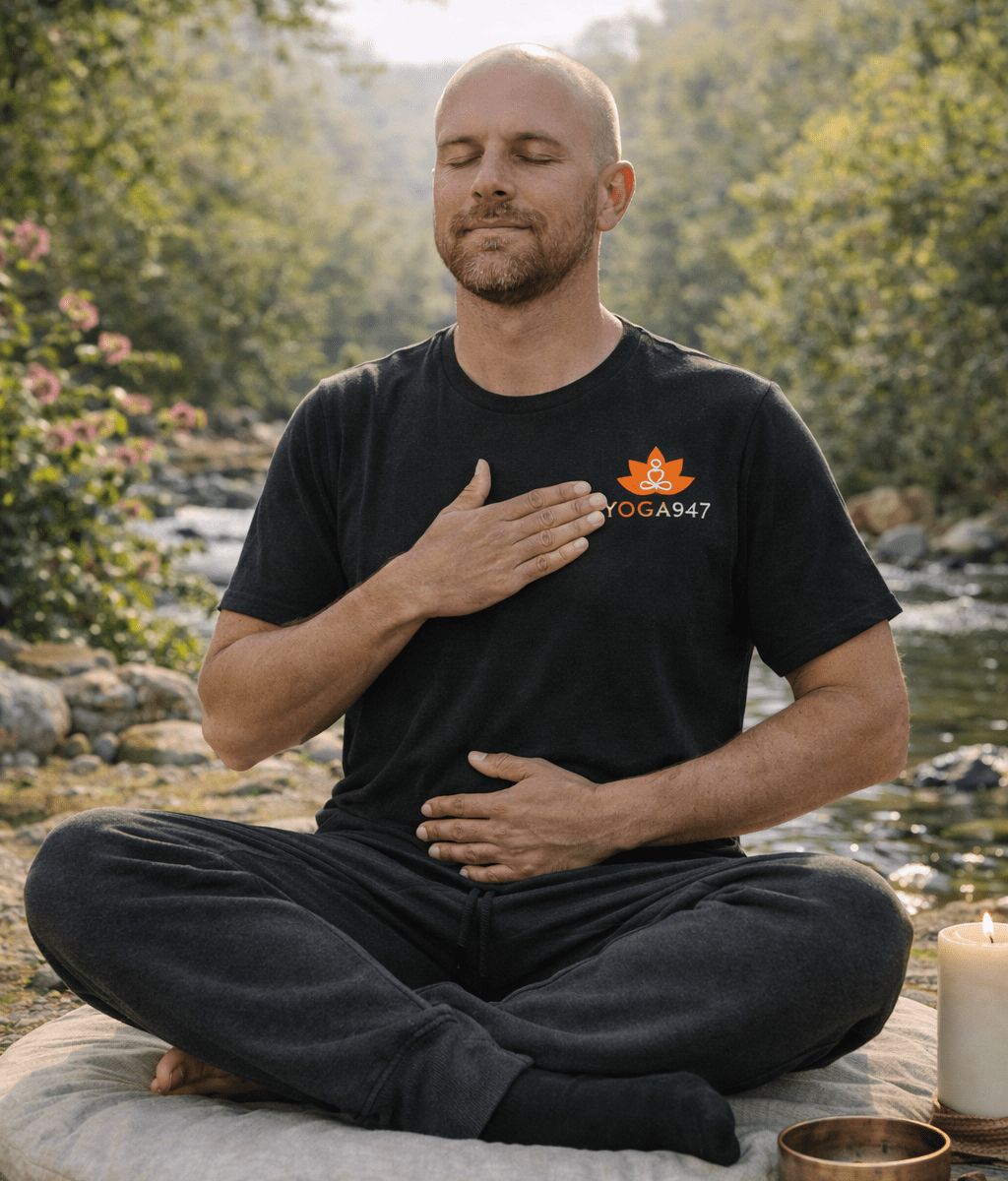
A Gentle Practice to Regulate the Nervous System
Introduction: When the Body Needs Calm Before the Mind
In today’s fast-paced society, many people struggle to relax, even when they attempt to meditate. Traditional guided meditations, breath control, or long periods of silence can sometimes feel overwhelming rather than soothing.
Polyvagal Somatic Meditation offers a gentler alternative.
Instead of forcing calm or clearing the mind, this practice focuses on listening to the body, noticing sensations, and allowing the nervous system to naturally settle. There is no pressure to “do it right,” no need for perfect posture, and no requirement for guided audio.
This is a meditation of safety, softness, and self-trust — ideal for beginners and experienced practitioners alike.
What Is Polyvagal Somatic Meditation?
Polyvagal Somatic Meditation is inspired by modern understandings of the nervous system and the body’s innate ability to regulate itself when it feels safe.
Rather than working only with thoughts or breath, this practice gently brings awareness to:
- Physical sensations
- Subtle feelings of comfort or neutrality
- The body’s natural rhythms
Somatic meditation teaches us that calm is not something we create — it is something we allow when the body no longer feels threatened.
This approach is especially helpful for those who:
- Feel restless or anxious during meditation
- Experience burnout or chronic stress
- Prefer silence or minimal instruction
- Want a body-based, grounding practice
Why Polyvagal Meditation Is Growing in Popularity (2025–2026)
As awareness grows around stress, trauma, and nervous system health, many people are seeking low-stimulation, body-led wellness practices.
Polyvagal somatic meditation is becoming popular because it:
- Respects individual sensitivity
- Avoids overwhelming guidance
- Encourages self-paced healing
- Works without complex techniques or tools
Rather than pushing through discomfort, this practice invites gentle presence, helping the nervous system recognise moments of safety and rest.
How to Practice Polyvagal Somatic Meditation
(No Guided Audio Required)
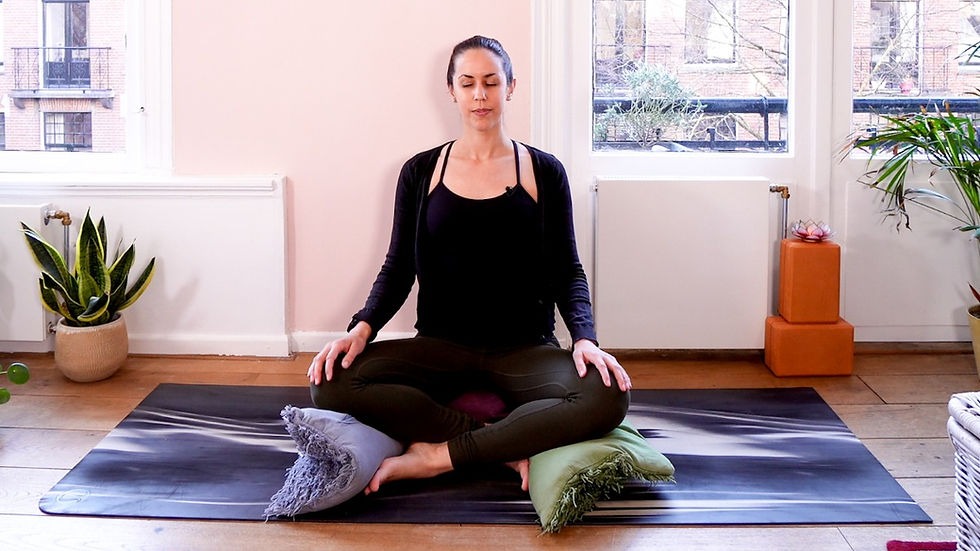
Read the instructions once, then allow yourself to practice in silence.
Step-by-Step Practice (7–10 Minutes)
1. Find a comfortable position
Sit or lie down in a way that feels supportive. You may close your eyes or keep them softly open.
2. Let the body arrive
Notice where your body makes contact with the chair, floor, or bed. Feel the support beneath you.
3. Allow the breath to be natural
There is no need to change or control your breathing. Simply notice it as it is.
4. Bring attention to sensation
Gently scan the body and notice any areas that feel:
- Neutral
- Warm
- Heavy
- Supported
There is no need to focus on discomfort.
5. Stay with what feels safe
When you find a sensation that feels steady or comforting, allow your awareness to rest there.
6. Remain for several minutes
If the mind wanders, gently return to the sensation or point of contact.
Optional timing guide
- Minutes 0–3: Grounding & settling
- Minutes 3–6: Sensory awareness
- Minutes 6–10: Rest & integration
7. Closing the practice
When ready, gently open your eyes and notice how your body feels.
4
Some people find it helpful to practice this meditation with soft ambient sounds rather than spoken guidance.
Gentle soundscapes can support nervous system regulation without distraction.
Recommended options
- Rain or ocean sounds
- Brown noise or low steady tones
- Nature ambience (forest, wind, distant water)
These sounds can help create a sense of continuity and safety while keeping the practice silent and self-guided.
You may explore calming tools and sound resources through YogaTrustedSite, where supportive meditation accessories and sound options are curated for gentle practices.
Benefits of Polyvagal Somatic Meditation
With regular practice, many people experience:
- Reduced stress and anxiety
- Greater emotional regulation
- Improved sleep readiness
- Increased body awareness
- A deeper sense of safety and grounding
Because this practice works with the nervous system rather than against it, benefits often feel subtle but deeply stabilising.
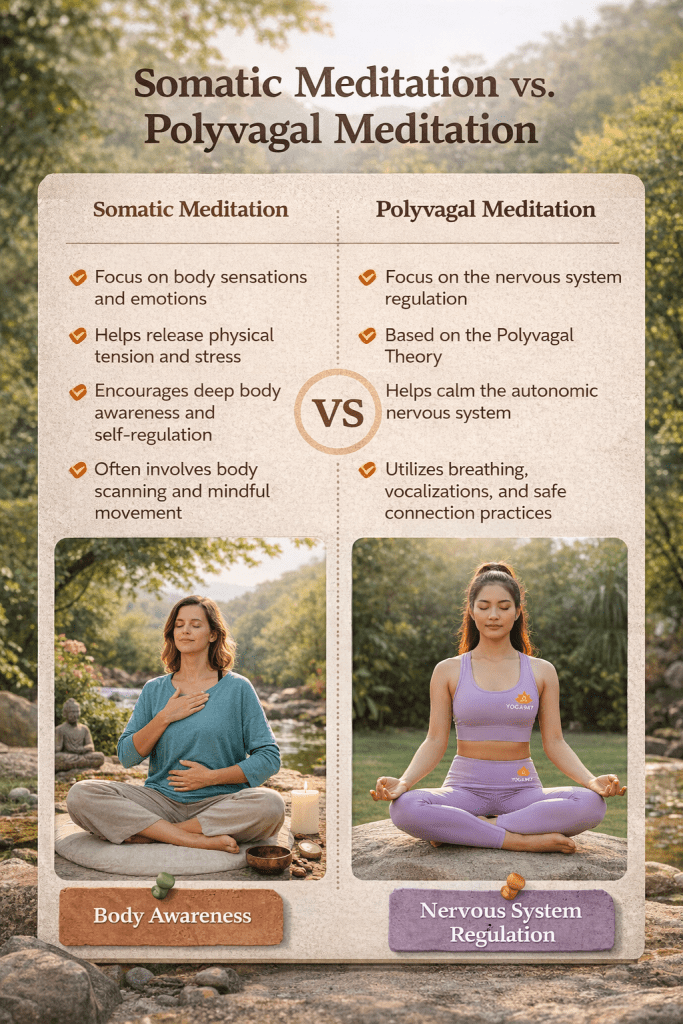
Who This Practice Is Especially Helpful For
Polyvagal Somatic Meditation may be ideal if you:
- Feel overwhelmed by guided meditations
- Are you recovering from burnout or chronic stress
- Prefer silence or minimal instruction
- Are new to meditation
- Want a body-based approach to calm
There is no expectation to feel peaceful immediately. Even noticing moments of neutrality is progress.
Reflection Prompts (Optional Journaling)
After your meditation, you may wish to reflect on one or two of the following:
- Where in my body did I feel the most support today?
- What sensations helped me feel grounded?
- What did my nervous system need during this practice?
- How do I feel compared to before the meditation?
These reflections help integrate the practice gently into daily life.
A Gentle Invitation
Polyvagal Somatic Meditation reminds us that healing does not need to be intense or forced. Sometimes, the most powerful change begins with simply feeling safe enough to rest.
If you would like deeper support:
- Explore the Polyvagal Somatic Reflection Mini Journal (coming soon)
- Discover calming tools and ambient supports via YogaTrustedSite
- Join the Yoga947 newsletter for weekly meditation guidance and gentle practices
Peace begins within the body — one safe moment at a time.
— Yoga947
Discover more from
Subscribe to get the latest posts sent to your email.
 yoga947com.blog